
 EN
EN  ES
ES  FR
FR  DE
DE  IT
IT  KO
KO  JA
JA  ZH
ZH  AR
AR  PT
PT  TR
TR PL
PL
Quick Summary: Amazon’s Big Spring Sale 2026 runs for seven days, from March 25-31. The week-long event features deals across more than 35 categories, including fashion, home essentials, beauty products, and lawn and garden supplies. Prime members get exclusive early access to select deals, though most sales are available to all customers.
Amazon’s Big Spring Sale has become a major shopping event, rivaling the intensity of Prime Day but with a seasonal twist. And if the question on your mind is exactly how long this sale runs, the answer is straightforward yet packed with nuance.
The 2026 edition kicks off on March 25 and runs through March 31—a full seven days of deals. But the real story isn’t just the duration. It’s about how Amazon structures those seven days to maximize engagement.
Amazon Spring Sale 2026: Official Duration and Timeline
According to Amazon’s official announcements, the Big Spring Sale 2026 operates on a seven-day cycle. That’s 168 hours of deals, flash sales, and limited-time offers across virtually every product category imaginable.
Here’s the thing though: not all deals run the entire seven days. Amazon staggers its promotions throughout the week, with different themed deal drops appearing daily. Some lightning deals last only a few hours, while doorbuster offers might stick around for 24-48 hours.
The sale officially launches at 12:01 AM PST on March 25, 2026. It concludes at 11:59 PM PST on March 31, 2026.
| Sale Aspect | Details |
|---|---|
| Start Date | March 25, 2026 (12:01 AM PST) |
| End Date | March 31, 2026 (11:59 PM PST) |
| Total Duration | 7 days (168 hours) |
| Categories Covered | 35+ product categories |
| Deal Types | Lightning Deals, Doorbusters, Daily Themes, Outlet Deals |
Why Seven Days? The Strategy Behind the Duration
Amazon didn’t randomly pick a week-long format. The seven-day structure serves multiple strategic purposes.
First, it creates urgency without the overwhelming chaos of a 24-hour flash sale. Shoppers have time to browse, compare prices, and make informed decisions. But not so much time that they procrastinate indefinitely.
Second, the extended duration allows Amazon to rotate inventory. Products that don’t sell well on day one can be replaced with fresh deals by day three. This keeps the selection dynamic and encourages repeat visits throughout the week.
Third, themed daily drops align with seasonal shopping patterns. According to Amazon’s official event page, the 2026 sale features daily themes ranging from spring fashion to travel essentials. Each day brings a new focus, keeping the event fresh from start to finish.
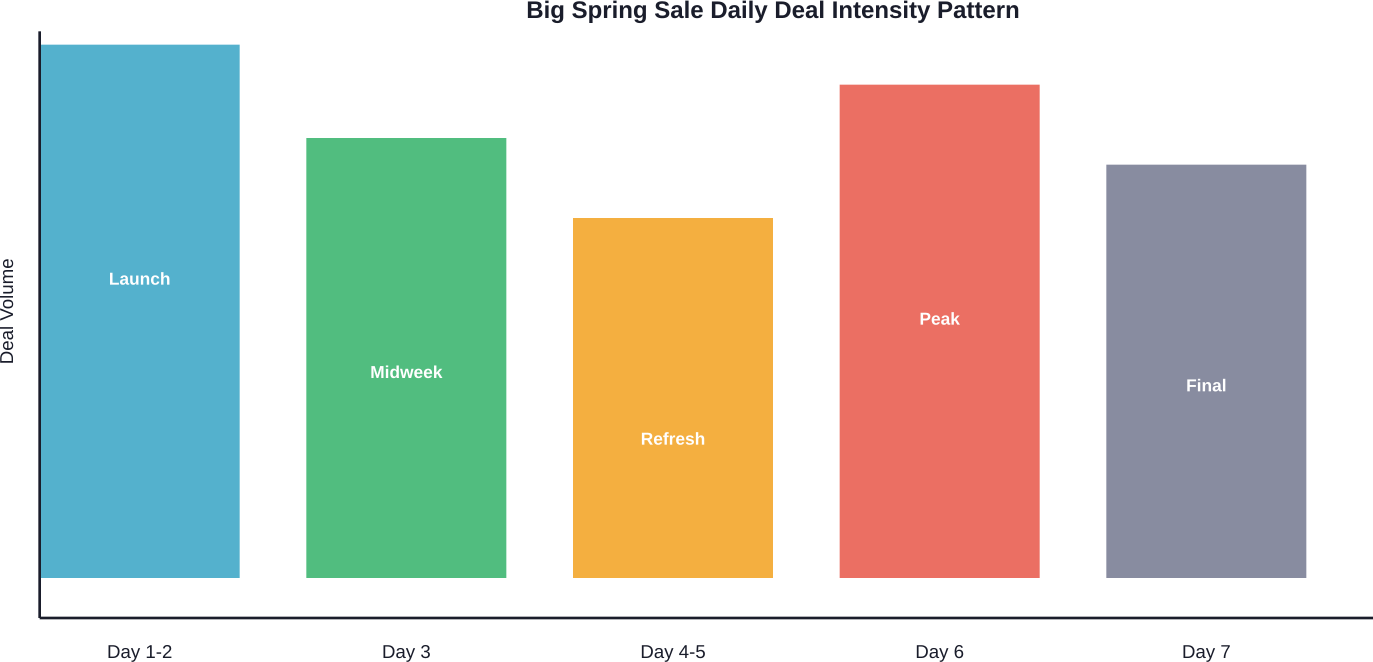
Daily Deal Structure: What Happens Each Day
The Big Spring Sale isn’t a static seven-day promotion where everything goes live at once. Amazon orchestrates a carefully timed release schedule.
Based on Amazon’s 2026 event announcements, here’s how the daily structure typically works:
Morning Doorbuster Deals (6 AM PST)
Each morning introduces new doorbuster deals with discounts starting at 40% off across fashion, beauty, electronics, and more. These tend to be high-visibility items with limited quantities.
Midday Lightning Deals (12 PM PST)
Lightning deals appear throughout the afternoon, often lasting just 4-6 hours or until inventory runs out. These are the deals that require quick decision-making.
Evening Themed Collections (6 PM PST)
Evening hours feature curated collections tied to daily themes. Day one might focus on home essentials, while day five spotlights travel gear.
How the Spring Sale Compares to Other Amazon Events
Understanding the duration requires context. How does seven days stack up against Amazon’s other major shopping events?
Prime Day typically runs 48 hours—two intense days of deals exclusively for Prime members. Black Friday and Cyber Monday blend into a roughly five-day event when you include early access deals.
The Big Spring Sale sits in the middle: longer than Prime Day, similar to the Black Friday/Cyber Monday stretch, but with a different seasonal focus. It’s not tied to a specific holiday, which gives Amazon flexibility in structuring the promotions.
| Event | Duration | Prime Exclusive | Typical Timing |
|---|---|---|---|
| Big Spring Sale | 7 days | Some deals | Late March |
| Prime Day | 2 days | Yes | July |
| Black Friday/Cyber Monday | 5-7 days | No | November |
| Prime Big Deal Days | 2 days | Yes | October |
Deal Submission Deadlines for Sellers
For those wondering about the backend mechanics, Amazon imposes strict deadlines on sellers who want to participate. According to seller central announcements from March 2026, outlet deal submissions closed on March 20—five days before the sale launched.
Standard deals had later cutoffs, but the outlet deadline reveals something important: Amazon needs lead time to organize inventory, set up promotional placements, and coordinate logistics. The seven-day sale duration is partly a function of inventory management at scale.
This also explains why some sellers report difficulty getting products into the event. The window closes well before the first deal goes live.
Prime Member Advantages During the Seven Days
While most Big Spring Sale deals are available to all customers, Prime members enjoy specific advantages that make the seven-day duration more valuable.
Prime members get early access to select lightning deals before the general public. Over seven days, that early access compounds. If there are 50 lightning deals throughout the week, Prime members get first crack at all 50.
Fast, free shipping also matters more during a week-long sale. Non-Prime shoppers might hesitate to place multiple orders due to shipping costs. Prime members can buy as deals appear without worrying about delivery fees piling up.
According to Amazon’s 2026 announcements, Prime-exclusive discounts appear throughout the event, though the exact percentage of Prime-only deals isn’t specified.
Category Coverage: What’s On Sale During the Seven Days
Amazon promotes deals across more than 35 categories during the Big Spring Sale. But not every category gets equal attention across all seven days.
Fashion and beauty tend to dominate the early days, aligning with spring wardrobe refreshes. Home and garden products appear more heavily in the latter half as shoppers focus on outdoor preparation.
Based on Amazon’s official event descriptions for 2026, here are the major categories featured:
- Spring fashion staples and seasonal apparel
- Beauty products and skincare essentials
- Home décor and furniture
- Lawn and garden supplies
- Electronics and tech accessories
- Kitchen appliances and cookware
- Groceries and household essentials
- Travel gear and luggage
- Easter-themed products and decorations
The grocery and household essentials category runs continuously throughout all seven days, with rotating deals on pantry staples, cleaning supplies, and everyday consumables.
Price Tracking and Deal Evolution Throughout the Week
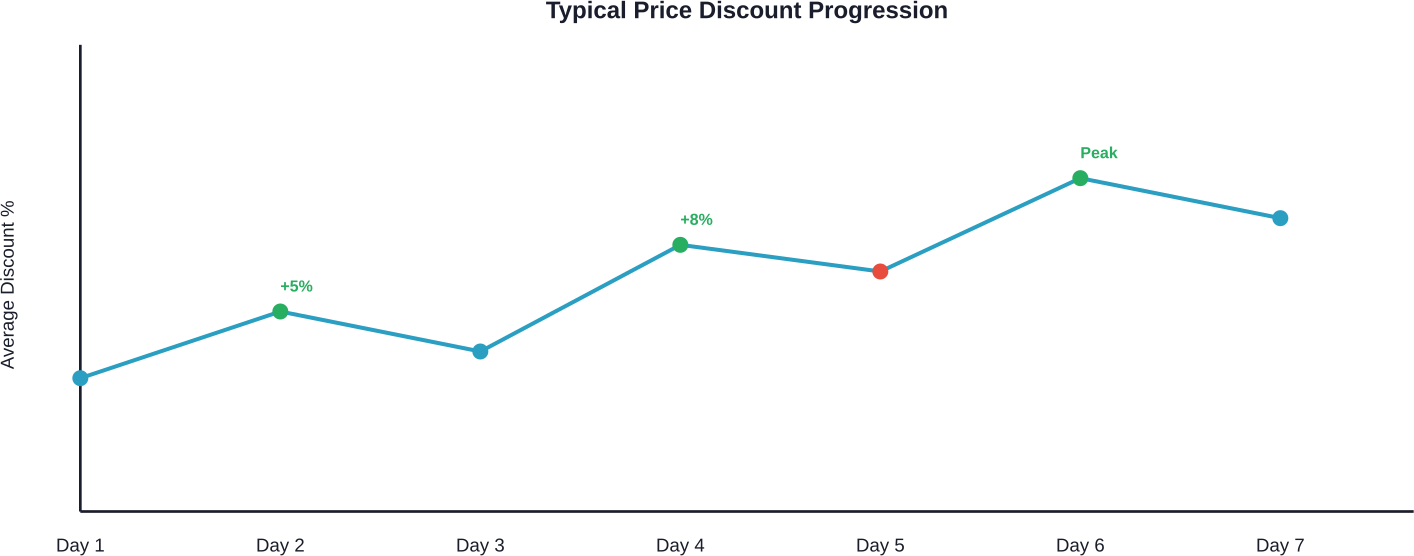
One underappreciated aspect of the seven-day format: prices on the same product can change multiple times during the sale.
A kitchen appliance might be 20% off on day one, then 30% off on day four as Amazon clears remaining inventory. Conversely, a popular item might see its discount shrink as stock depletes.
Amazon introduced price tracking features and price history tools to help shoppers navigate these fluctuations. Rufus, Amazon’s AI shopping assistant, can notify customers when items hit target prices during the sale window.
The seven-day duration makes price tracking both more valuable and more complex. There’s time for prices to shift, but also more decision points for shoppers trying to time their purchases perfectly.
Shopping Strategy: How to Maximize the Seven-Day Window
Now, here’s where the seven-day duration becomes tactically important. How should shoppers approach a week-long sale?
Real talk: browsing aimlessly for seven days straight is exhausting and inefficient. But ignoring the first six days and shopping only on the final day means missing limited-quantity lightning deals.
The optimal strategy involves selective monitoring:
Days 1-2: Browse and Wishlist
Use the early days to identify products of interest. Add them to your cart or wishlist. Check price history to see if current discounts are genuinely good.
Days 3-5: Target Specific Categories
Focus on daily themed drops that align with your needs. If you’re shopping for travel gear, wait for the travel-focused day rather than buying generic deals early.
Days 6-7: Final Inventory Sweeps
The last two days often feature deeper discounts as Amazon clears inventory. But popular items may be sold out by this point, so it’s a calculated risk.
When the Sale Actually Ends: Final Hours Explained
The official end time is 11:59 PM PST on March 31, 2026. But Amazon’s deal mechanics are more nuanced than a hard cutoff.
Lightning deals that launch on March 31 at 6 PM PST might technically run past midnight if they’re scheduled for a 6-hour duration. However, no new deals launch after 11:59 PM.
For the 2026 Big Spring Sale, Price Discounts will not receive event badging during the sale. hOWEVER, Deals that meet Amazon’s criteria will receive an event badge to increase visibility. For practical purposes, treat March 31 at 11:59 PM PST as the hard deadline. Any deals still active after that are likely errors or residual promotions that weren’t properly closed out.

Use The Short Sale Window To Learn What Actually Works
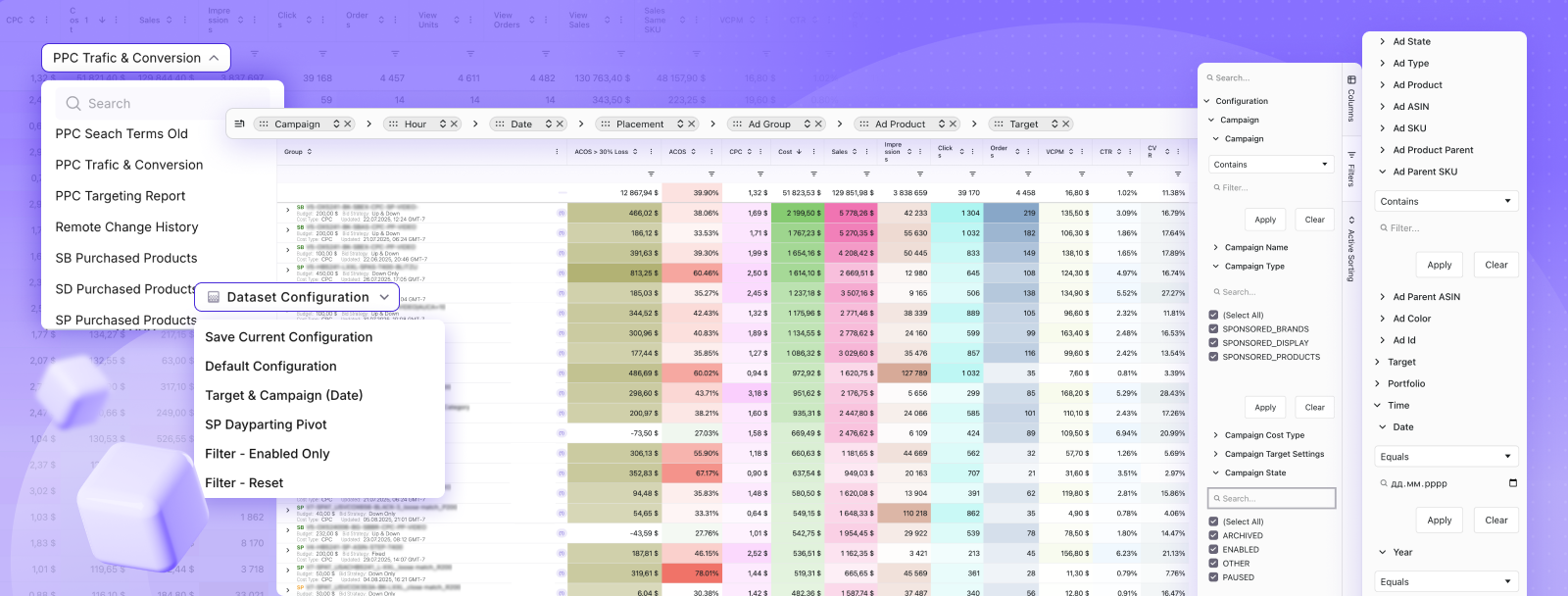
Amazon Spring Sale only runs for a limited time, so most decisions have to happen quickly and with incomplete information. WisePPC helps make sense of that period by organizing your Amazon Ads and Seller Central data into one place, so you can review what happened during the sale without relying on short-term reports.
Track Your Sale Performance Without Losing The Data
Once the sale ends, it’s harder to go back and understand what actually changed; therefore WisePPC:
- Keeps full historical data from the sale instead of losing it after a short time
- Combines ads and sales performance together, not in separate dashboards
- Compares results across specific days of the sale
- Lets you adjust bids and budgets based on actual performance patterns
Sign up for WisePPC to keep your Amazon sale data available and easy to work with.
Comparing 2026 to Previous Years
The Big Spring Sale has maintained a consistent seven-day format since its inception. The 2024 event ran March 20-25, while 2025 expanded to March 25-31 (seven days). The 2026 edition maintains the seven-day structure from March 25-31.
Amazon appears to have settled on late March as the optimal timing, positioning the sale after the spring equinox but before Easter in most years. This maximizes seasonal relevance without conflicting with major holidays.
The seven-day duration has proven effective at balancing inventory turnover, customer engagement, and promotional intensity. There’s no indication Amazon plans to shorten or extend it in future years.
Frequently Asked Questions
Does the Amazon Spring Sale last the full seven days for all products?
No, the event lasts seven days, but individual deals vary in duration. Some last hours, others days, and a few run the full week.
Can Prime members access the sale before non-Prime customers?
Prime members get early access to some Lightning Deals, but most sale items are available to all customers at the same time.
Do deals get better toward the end of the seven days?
Sometimes discounts increase toward the end, but popular items may sell out early.
What time zone determines when the sale starts and ends?
Amazon uses Pacific Time (PST) for its US sales events.
If a deal shows up on day three, will it still be available on day seven?
Not necessarily. Deals may expire quickly or sell out before the end of the event.
How many total deals appear during the seven-day Spring Sale?
The event includes hundreds of Lightning Deals and thousands of discounted items across multiple categories.
Can sellers add products to the Spring Sale after it starts?
No, product submissions close before the sale begins, though Amazon may adjust promotions during the event.
Final Thoughts on the Seven-Day Format
Amazon’s Big Spring Sale runs for exactly seven days—168 hours of seasonal deals, flash sales, and promotional pricing across virtually every product category.
The week-long format strikes a deliberate balance. It’s long enough to allow inventory rotation, daily themed promotions, and strategic price adjustments. But it’s short enough to maintain urgency and encourage decisive purchasing rather than indefinite browsing.
For shoppers, the seven-day window offers both opportunity and challenge. There’s time to research, compare prices, and wait for better deals. But there’s also the risk that specific items sell out or that lightning deals expire before you act.
The key takeaway? Don’t treat the Big Spring Sale as a single event. Think of it as seven distinct shopping days, each with its own featured categories, limited-time offers, and strategic considerations. Monitor throughout the week, prioritize high-demand items early, and save inventory-clearance categories for the final days.
Mark your calendar: March 25-31, 2026. Seven days. Hundreds of deals. And now you know exactly how to navigate the duration to your advantage.
 No credit card required