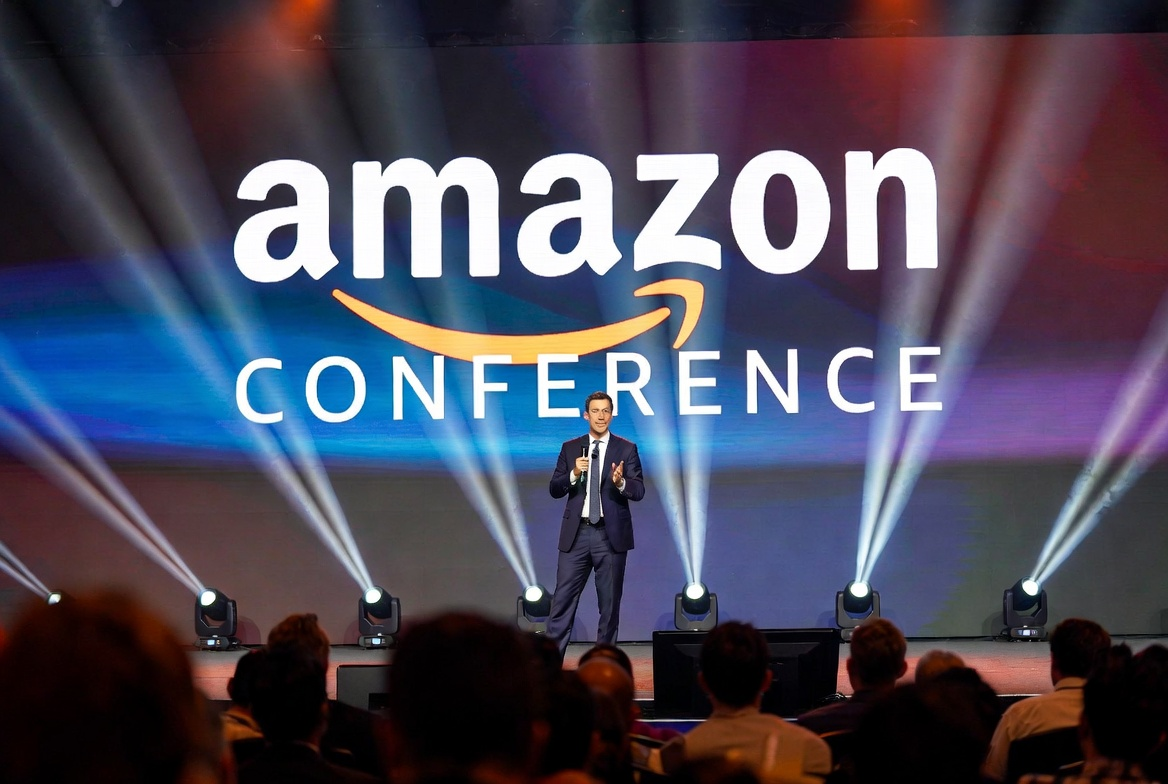
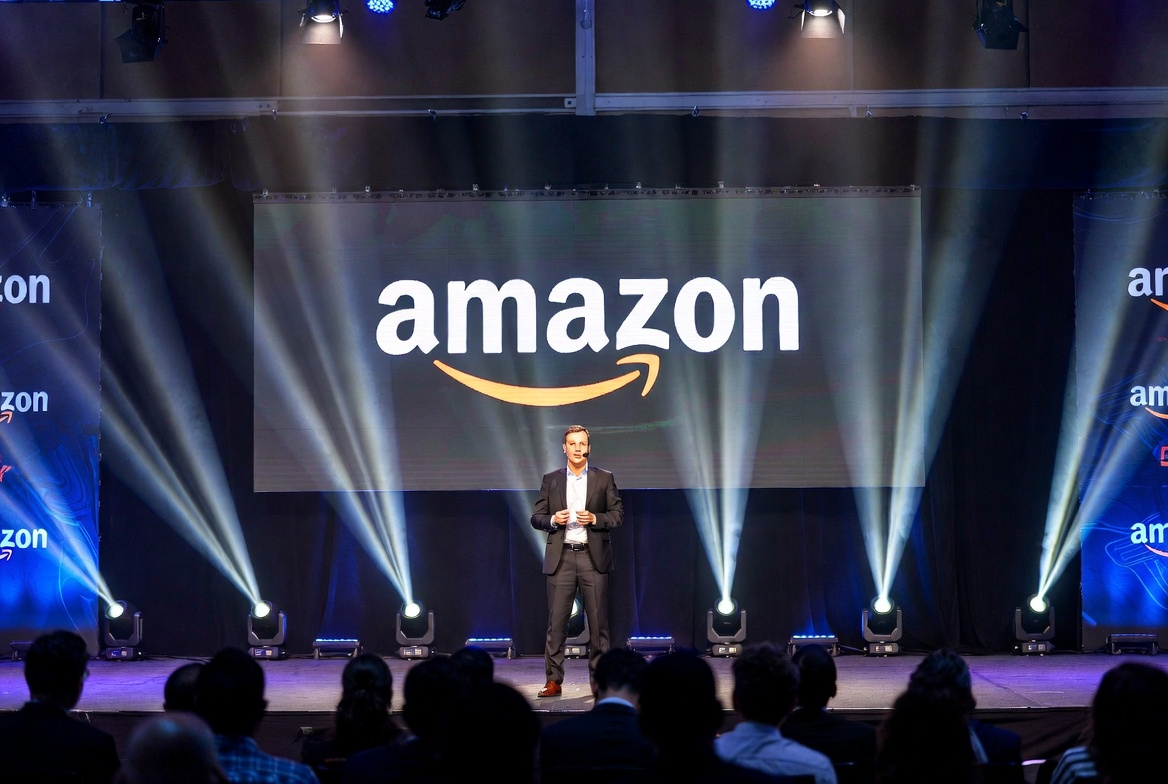
Amazon conferences in Italy are rapidly gaining recognition, attracting businesses, entrepreneurs, and tech enthusiasts from all corners of the world. These events are not only an opportunity to hear from some of the brightest minds in e-commerce, cloud computing, and digital marketing but also a chance to get a glimpse into the future of Amazon and its growing influence on global industries.
The conferences provide a dynamic platform for learning, offering in-depth discussions on innovations in Amazon’s ecosystem, cutting-edge technologies, and emerging trends. Whether you’re a seasoned professional looking to sharpen your expertise, a startup founder seeking to network with industry leaders, or simply someone eager to stay ahead of the curve, attending these conferences in Italy is an experience you won’t want to miss. From hands-on workshops to high-profile keynote speakers, let’s explore what Amazon conferences in Italy have in store for 2026.
Maximise Your Amazon Ads with WisePPC
As you prepare for Amazon conferences in Italy, one key area to focus on is optimising your Amazon advertising campaigns. WisePPC offers a comprehensive solution designed to help sellers and brands make the most of their ad budgets and drive better results. The platform provides advanced analytics that gives you a clear view of your ad performance, tracking essential metrics like sales, clicks, ACOS, and ROAS in real time. With automated optimization suggestions, WisePPC highlights inefficiencies in your campaigns, offering actionable insights to improve performance without the need for manual adjustments.
Whether you’re handling one Amazon account or multiple, WisePPC streamlines your workflow by centralising your data and making campaign management more efficient. The platform simplifies complex data, making it easier to adjust strategies and track your progress. Whether you’re a new seller looking to optimize your ad campaigns or an established business aiming to scale, WisePPC provides the tools you need to unlock your advertising potential.
Discover how WisePPC can improve your Amazon ad performance today. Explore the platform and start optimising your campaigns for better results.
Exploring Top Amazon Conferences in Italy
1. AWS Summit Milano
AWS Summit Milano offers a unique opportunity for professionals to dive deep into the world of cloud computing and discover how Amazon Web Services (AWS) can help businesses thrive in the digital age. The summit takes place at Fiera Milano Rho, gathering individuals and organizations from various sectors to explore AWS’s wide range of services. Participants can attend both technical and business sessions, allowing them to understand how cloud solutions are driving innovation, entrepreneurship, and digital transformation. Whether you’re looking to enhance your technical skills or gain insights into digital business strategies, the AWS Summit Milano offers valuable learning opportunities. The event includes workshops, expert sessions, and the chance to network with like-minded professionals in the industry.
Key Highlights:
Date: May 28, 2026
Venue: Fiera Milano Rho
In-depth technical and business sessions focused on AWS cloud services
Opportunities for networking with AWS experts, partners, and other attendees
Workshops and practical demonstrations tailored to various industries
AWS training and certification opportunities for skill development
Expo area featuring AWS partners and solutions for business growth
Services:
Cloud computing solutions for businesses of all sizes
AWS training and certification programs
Networking opportunities with AWS experts and industry leaders
Hands-on demonstrations of AWS products and services
AWS game arena for team-based learning and collaboration
Contact information:
Website: aws.amazon.com
Address: Strada Statale Sempione, 28, 20017 Rho MI, Italy
AWS Community Day Italy is a significant event for AWS enthusiasts and professionals across the country. The event focuses on fostering community engagement and learning, providing opportunities for individuals to share knowledge, discuss AWS innovations, and explore best practices. With a wide array of sessions, including talks, panels, and workshops, AWS Community Day serves as a platform for attendees to connect with experts and learn about the latest advancements in cloud computing. The event is designed for everyone from developers to enterprise professionals, and the inclusive format ensures that each participant can benefit from the collective experience and expertise present at the gathering.
Key Highlights:
A wide range of community-driven talks, workshops, and panels
Networking opportunities with AWS professionals and enthusiasts
Sessions covering AWS innovations, best practices, and real-world applications
Collaborative learning environment with a focus on community engagement
Opportunities for hands-on experience with AWS tools and technologies
Services:
Cloud solutions tailored to developers, startups, and enterprises
Community-led sessions and expert-led workshops
Networking with AWS experts, partners, and other attendees
Collaborative learning focused on AWS services and cloud innovations
Knowledge sharing and exchange among industry professionals
Contact information:
Website: www.awscommunityday.it
3. AWS User Group Bologna
The AWS User Group Bologna serves as a hub for cloud computing enthusiasts in Italy, with a particular focus on AWS technologies. The group regularly organizes meetups and events that cover various aspects of AWS, from artificial intelligence and machine learning to cloud security and big data. These gatherings allow members to stay up to date with the latest AWS features and share their experiences with the broader community. Whether you’re an AWS veteran or just starting out, the AWS User Group Bologna offers a space to deepen your understanding, learn from others, and contribute to the evolving AWS ecosystem in Italy.
Key Highlights:
Community-driven events focused on AWS cloud technologies
Topics covering AI, machine learning, big data, and cloud security
Opportunities to connect with other AWS users and experts
Meetups designed to foster collaboration and knowledge sharing
Access to practical insights on implementing AWS services in real-world scenarios
Services:
Regular meetups and events for AWS professionals
Collaborative discussions and knowledge-sharing sessions
Networking with AWS users, developers, and industry experts
Access to hands-on experiences and demonstrations of AWS tools
Continuous learning through community-led sessions and expert talks
Contact information:
Website: www.meetup.com
Facebook: www.facebook.com/meetup
Twitter: x.com/Meetup
Instagram: www.instagram.com/meetup
4. AWS User Group Napoli
The AWS User Group Napoli is a community for professionals and enthusiasts interested in AWS technologies. It serves as a platform where developers, cloud architects, system administrators, and business owners can come together to exchange knowledge, experiences, and solutions related to cloud computing, big data, and AI. The group organizes regular events, including meetups and hands-on workshops, where members can discuss technical challenges, industry trends, and best practices. By fostering an environment of collaboration, it encourages both learning and networking among its members, helping them stay up to date with the latest AWS developments.
In addition to technical sessions, the AWS User Group Napoli hosts themed events that cover a wide range of topics, such as cloud security, machine learning, and infrastructure management. These gatherings provide a space for people to work together on solving real-world challenges and gain valuable insights from AWS experts and their peers. The community-driven nature of the group ensures that everyone, regardless of experience level, can contribute and benefit from the collective knowledge shared.
Key Highlights:
Regular meetups and community-driven events focused on AWS technologies
Hands-on workshops and technical discussions on cloud, AI, and big data
A welcoming environment for professionals from various sectors, including startups and enterprises
Opportunities for networking with AWS experts, developers, and businesses
Focused on knowledge-sharing and collaboration within the AWS ecosystem
Services:
Community-led technical events and meetups
Networking opportunities with AWS professionals and other attendees
Access to discussions and workshops on AWS solutions and tools
Collaborative problem-solving and knowledge-sharing sessions
Learning opportunities for all skill levels, from beginners to experts
Contact information:
Website: www.meetup.com
Address: VMEngine, Via Antiniana 2i · Pozzuoli
Facebook: www.facebook.com/meetup
Twitter: x.com/Meetup
Instagram: www.instagram.com/meetup
5. Orange Klik Elite Mastermind
Orange Klik Elite Mastermind is an exclusive event designed for high-level Amazon sellers looking to take their business to the next level. Set in a private villa near Rome, this mastermind event offers a unique setting for 20 top European and US Amazon sellers to collaborate, exchange ideas, and focus on strategic business growth. Unlike traditional conferences, the event emphasizes real conversations and actionable insights from sellers who are already operating at the highest levels. It’s a space for sharing successes, challenges, and practical solutions to scale Amazon businesses further.
The mastermind sessions at Orange Klik Elite are tailored to address the specific challenges faced by seasoned sellers. With no sales pitches and a focus on deep, candid discussions, the event allows participants to collaborate on high-level strategies, gaining valuable feedback and fresh perspectives. Attendees also have the opportunity to engage in “Hot Seat” sessions, where they can break down their own business issues and get input from others. This intimate event is designed for serious Amazon sellers who are ready to rethink their strategies and build lasting connections.
Key Highlights:
Date: June 10-14, 2026
Exclusive mastermind event for top Amazon sellers
Focused discussions on high-level business strategies and challenges
Networking with experienced sellers and e-commerce entrepreneurs
A relaxed, private setting that encourages candid conversations and collaboration
“Hot Seat” sessions for personalized business insights and feedback
Services:
Intimate mastermind sessions focused on scaling Amazon businesses
Networking with top-tier Amazon sellers and e-commerce experts
Collaborative problem-solving and exchange of actionable strategies
Access to real-world insights and feedback from peers in the Amazon space
All-inclusive experience with accommodation, meals, and activities in a private villa
In conclusion, attending Amazon conferences in Italy is a great opportunity for anyone looking to stay ahead in the ever-evolving world of e-commerce and cloud computing. Whether you’re a developer, business owner, or just someone passionate about tech, these events offer invaluable insights, hands-on experiences, and the chance to network with industry leaders. From the AWS Summit in Milan to more intimate community-driven gatherings, there’s no shortage of ways to connect, learn, and grow.
These conferences aren’t just about sitting in on sessions — they’re about engaging with the community, diving into real-world challenges, and walking away with fresh ideas that you can apply to your own projects. So, if you find yourself in Italy during one of these events, take advantage of the opportunity to expand your knowledge, share your experiences, and maybe even make a few new friends in the process. The future of e-commerce and cloud technology is being shaped at these events, and it’s a chance you won’t want to miss.
The UAE has quietly become one of the more interesting places for Amazon sellers to meet in person. Between Dubai and Abu Dhabi, there’s a steady flow of e-commerce expos, seller meetups, and marketplace-focused summits where conversations usually revolve around growth, logistics, ads, and cross-border expansion.
Some events are broad e-commerce exhibitions with Amazon sessions built in. Others are more niche – private seller masterminds, FBA workshops, or advertising-focused gatherings. If you operate on Amazon.ae or sell internationally from the region, these conferences tend to offer a mix of strategy, networking, and practical insight rather than just stage talk.
Track and Optimize Your Amazon Ads
Attending Amazon conferences in the United Arab Emirates is useful – but growth depends on what you do afterward.
WisePPC helps Amazon sellers track ad performance and optimize PPC with clearer visibility into ad-driven sales, organic results, and keyword data – beyond Amazon’s standard reporting limits.
With WisePPC you can:
monitor campaign performance
reduce wasted ad spend
optimize bids in bulk
track long-term results
If you’re serious about growing on Amazon after industry events, start using WisePPC to gain full visibility and control over your advertising performance.
Amazon-Focused Events in the UAE
1. AWS Summit Dubai 2026
AWS Summit Dubai 2026 is scheduled for June 10, 2026 at Dubai World Trade Centre. The venue address is Sheikh Zayed Rd – Trade Centre – Trade Centre 2 – Sheikh Saeed Hall 1-2-3 – Dubai – United Arab Emirates. The summit focuses on cloud infrastructure, security, data, and modern application development within the AWS ecosystem.
Although the event is centered on Amazon Web Services rather than Amazon marketplace selling, it connects directly to the broader Amazon technology stack. Sessions typically cover cloud architecture, AI workloads, data platforms, and enterprise migration. For teams operating on Amazon platforms, the relevance often lies in infrastructure, integrations, and backend systems rather than Seller Central strategy.
Key Highlights:
June 10, 2026 – Dubai
Venue – Dubai World Trade Centre
AWS focused conference
Technical sessions and sponsor expo
In-person event format
Services:
Cloud and infrastructure sessions
Sponsor exhibition area
Technical workshops
Security and governance discussions
Onsite sponsor support desk
Contact Information:
Website: aws.amazon.com
Address: Sheikh Zayed Rd – Trade Centre – Trade Centre 2, Sheikh Saeed Hall 1-2-3, Dubai – United Arab Emirates
WORLDEF DUBAI 2027 is scheduled for January 26 – 28, 2027 at Dubai CommerCity, Dubai, United Arab Emirates. The event focuses on e-commerce, digital trade, and cross-border marketplace operations. While not limited to Amazon, it includes leadership connected to the Amazon seller ecosystem and broader marketplace strategy discussions.
The program brings together speakers, exhibitors, and commerce professionals across multiple stages and networking areas. English is the official language of the event. Topics typically revolve around international expansion, digital infrastructure, innovation in commerce, and operational scaling. For Amazon sellers working in or from the UAE, the relevance sits in cross-border trade and marketplace growth conversations rather than platform mechanics.
Seamless Digital Commerce Middle East 2026 takes place September 22 – 24 at Dubai World Trade Centre, Dubai, United Arab Emirates. The conference concentrates on digital marketing, retail technology, e-commerce, and merchant payments. It includes dedicated content themes such as Amazon Ads, marketplace strategy, cross-border commerce, and performance analytics.
Sessions are structured around interactive panels, presentations, and industry-focused tracks. The event gathers retail leaders, payment providers, and digital commerce operators under one roof. For Amazon-focused businesses, the value lies in understanding advertising channels, customer engagement models, and marketplace trends across the region.
Amazon conferences in the United Arab Emirates sit at different levels of the ecosystem. Some focus on cloud infrastructure and backend systems. Others lean into performance marketing and traffic acquisition. Not every event is built specifically for marketplace sellers, but many intersect with Amazon operations in practical ways. The key is knowing what problem needs solving before stepping into the room – ads, logistics, integrations, or overall growth strategy.
Conferences create context. Real progress usually happens after the sessions end, once insights are applied to campaigns, budgets, and long-term planning. Sellers operating on Amazon.ae or managing international accounts from the UAE benefit most when learning translates into measurable action. Strategy is useful. Execution is what changes performance.
Thailand has become a regular location on the Amazon and AWS event calendar. Bangkok in particular hosts several structured conferences that bring together cloud leaders, partners, architects, and business teams working with Amazon technologies. Some gatherings focus on regional strategy and partner alignment. Others go deeper into technical tracks, infrastructure, AI, and modernization topics.
In-person events in Thailand tend to be practical and agenda-driven. Instead of broad announcements, the emphasis is usually on roadmap clarity, specialization tracks, and direct interaction with AWS leadership and partner teams. Below are the main Amazon and AWS conferences that take place in Thailand, with details on format, timing, and focus areas.
Improve Your Amazon Ads Performance
Attending Amazon conferences in Thailand can spark new ideas – but real sales growth depends on how you act afterward.
WisePPC helps Amazon sellers see what their ad campaigns are actually doing, with deeper insight into performance than Amazon’s basic reporting provides.
With WisePPC you can:
track ad performance across campaigns
spot wasted ad spend
optimize bids and targets in bulk
measure long-term impact of your PPC
If you’re serious about driving results after Amazon events in Thailand, start using WisePPC to improve your advertising performance.
Amazon BusinessbEvents in Thailand
1. AWS Summit Bangkok 2026
AWS Summit Bangkok 2026 is scheduled for 28 May 2026 in Bangkok. It is a one-day conference designed for cloud professionals, developers, and business teams working with AWS technologies. The event is open to a wide audience and free to attend.
The agenda includes keynote presentations, breakout sessions, workshops, and customer showcases. Topics range from artificial intelligence and serverless computing to cloud infrastructure and security. Participants can choose sessions based on technical depth or business focus, depending on current projects and responsibilities.
AWS PartnerEquip: Live – Bangkok takes place from 28 – 30 April 2026 in Bangkok, with a pre-day scheduled for 27 April 2026 for eligible participants. The event is designed specifically for AWS Specialization Partners and organizations with qualifying in-progress applications.
The structure is track-based and focused on partner enablement. Sessions cover areas such as AI and Data, migrations and modernization, security, MSP operations, and sales alignment. The format includes workshops, strategic discussions, and opportunities for direct engagement with AWS leadership. Registration is complimentary but limited to qualified partners.
Amazon conferences in Thailand follow a fairly clear structure. Some events focus on executive alignment and regional strategy. Others go deeper into technical sessions, partner enablement, and cloud implementation details. The format depends on the audience – leadership teams, specialization partners, or broader cloud professionals. Each event serves a specific purpose within the AWS ecosystem.
For teams working with Amazon services, these conferences are less about announcements and more about clarity. Roadmaps get explained. Programs get unpacked. Direct conversations replace long email threads. If the goal is better visibility into strategy, partnerships, or technical direction in the region, Thailand’s AWS events offer that in a focused, structured way.
Hungary has become an increasingly popular destination for Amazon-related conferences, drawing industry leaders, entrepreneurs, and tech enthusiasts. These events serve as a great platform to connect, learn, and explore the latest trends in e-commerce, particularly for businesses looking to make their mark on Amazon’s vast marketplace. But what makes these conferences so compelling, and why are they worth attending?
As Amazon continues to dominate the global retail scene, local businesses in Hungary are tapping into the opportunity to expand their digital reach. With a mix of practical workshops, insightful panel discussions, and networking sessions, these conferences provide valuable insights that attendees can immediately implement in their own businesses. From discovering the latest tools for optimization to learning best practices from successful sellers, these events create a space where knowledge and innovation meet.
Boost Your Amazon Ads Performance with WisePPC
If you’re looking to optimize your Amazon ads and improve campaign performance, consider partnering with WisePPC. Is a powerful Amazon PPC optimization tool designed to help businesses streamline their advertising efforts and achieve better results. Whether you’re new to Amazon ads or looking to fine-tune existing campaigns, WisePPC provides valuable insights, real-time analytics, and automated solutions to boost ROI.
Ready to Improve Your Amazon Ads Strategy?
Work with WisePPC to:
Automate and optimize your PPC campaigns for maximum efficiency
Gain real-time analytics and actionable insights
Increase visibility and control over your ad performance
Contact WisePPC to take your Amazon ads to the next level.
Amazon Conferences in Hungary
1. AWS Community Day CEE
AWS Community Day CEE is a one-day event that takes place in Budapest on 17 September 2026. The event offers an exciting platform for cloud professionals to learn, connect, and grow. Attendees can enjoy inspiring keynotes, hands-on workshops, and networking opportunities, all designed to help them improve their cloud skills and stay ahead of the curve. The sessions will focus on practical, real-world challenges, providing valuable insights from AWS specialists about the latest cloud technologies. This community-driven event fosters collaboration and encourages individuals to connect with like-minded professionals from across the region.
AWS Community Day CEE is driven by regional AWS User Groups and aims to provide a collaborative environment for cloud enthusiasts. The event will focus on various cloud topics, such as cloud security, data analytics, and generative AI. Its combination of visionary speakers, workshops, and a community atmosphere makes it the perfect space for professionals looking to enhance their cloud expertise and expand their networks.
Key Highlights:
Collaborative community-driven event for AWS professionals
Visionary speakers from AWS and other industry leaders
Hands-on workshops and practical sessions
Focus on cutting-edge cloud technologies, including generative AI and serverless architectures
Networking opportunities with regional AWS experts
Services:
Cloud migration solutions
Cloud security and compliance guidance
Cost optimization strategies for AWS services
Data lakes and analytics with AWS tools
DevOps and CI/CD best practices for cloud infrastructure
2. AI-Driven Cloud Operations with AWS DevOps Agent II
AI-Driven Cloud Operations with AWS DevOps Agent II is an online conference, hosted by the Kloia User Group, will take place on Monday, 16 March 2026, from 9:00 PM to 10:00 PM. The session explores how AWS’s AI-powered DevOps Agent approach is transforming cloud operations by improving operational efficiency, speed, and reliability. Through real-world scenarios, attendees will learn how AI-driven automation supports monitoring, issue detection, root cause analysis, and operational improvements. The conference is perfect for DevOps teams looking to leverage AWS tools to become more proactive and scalable in their cloud environments.
The event can be watched online, making it easily accessible for professionals in Hungary and beyond. This session offers valuable insights that attendees can immediately apply to enhance their cloud operations and make smarter decisions in their day-to-day DevOps tasks.
Key Highlights:
Insight into AI-driven automation for cloud operations
Focus on operational efficiency, speed, and reliability in the cloud
Real-world scenarios to help understand AI’s role in DevOps
Discussions on monitoring, issue detection, and root cause analysis with AWS tools
Services:
AI-powered cloud automation for DevOps
Proactive monitoring and performance enhancement for cloud environments
Root cause analysis and issue detection using AWS tools
3. Mastering AWS Landing Zones: Build Secure, Scalable Platforms for Modern Cloud Operations
Mastering AWS Landing Zones is a hands-on workshop that will take place online on March 18, 2026, from 10 am to 12 pm. The workshop dives into designing and implementing AWS Landing Zones, focusing on building secure, scalable cloud environments. Participants will learn how to establish a well-governed AWS environment, covering topics like multi-account structures, automation, and Infrastructure-as-Code (IaC). The session will provide practical experience in using AWS-native governance services and tools like Terraform to automate processes while ensuring compliance and security.
This conference, which can also be viewed online from Hungary, is aimed at platform engineers, architects, and IT professionals managing cloud platforms. The session offers an in-depth look at creating repeatable, scalable AWS environments and provides attendees with practical skills that can be immediately applied to enhance their cloud platform strategies.
Key Highlights:
Hands-on workshop focused on AWS Landing Zones
Practical experience with Infrastructure-as-Code tools like Terraform
Deep dive into AWS governance services, such as AWS Organizations and Service Control Policies
Live technical demos of cloud platform setup and management
Services:
Guidance on building secure AWS environments using AWS Landing Zones
Training on automation and security baselines for cloud infrastructure
Best practices for multi-cloud and AWS platform management
Scalable cloud architecture strategies using AWS services and IaC tools
In conclusion, attending Amazon conferences in Hungary offers a unique opportunity to dive deep into the evolving world of cloud computing, DevOps, and e-commerce technologies. These events are more than just a chance to hear from experts – they are a space to connect with others in the industry, share experiences, and come away with practical knowledge that can be applied right away. Whether you’re a seasoned cloud professional, a developer looking to sharpen your skills, or a business eager to optimize your Amazon advertising strategies, these conferences provide valuable insights that are hard to come by in a typical office setting.
What makes these conferences particularly worthwhile is their community-driven nature. There’s a certain energy to these events that you don’t often find in more corporate-focused gatherings. They’re not just about sitting through presentations; they’re about engaging with like-minded individuals, learning from peers, and making lasting connections. If you’re in Hungary or nearby, it’s clear that these Amazon conferences are events you shouldn’t miss. They offer a chance to grow professionally, expand your network, and get a firsthand look at the future of cloud technologies and e-commerce.
Amazon conferences in Australia have become must-attend events for sellers, marketers, and tech enthusiasts eager to dive deeper into the e-commerce world. As Amazon’s presence continues to grow in the region, these events offer valuable opportunities to learn from industry experts, network with peers, and discover the latest tools and strategies for success.
The 2026 line-up promises exciting opportunities for those wanting to stay ahead in the competitive Amazon ecosystem. With a mix of virtual and in-person events, these conferences offer sessions ranging from product innovation to marketing tactics. Whether you’re a seasoned seller or just starting out, there’s always something new to take away from these events, no matter where you are in your Amazon journey. Plus, you’ll get the chance to connect with other like-minded professionals from across Australia and beyond, sharing experiences and insights.
Optimize Your Amazon Ads with WisePPC
If you’re looking to improve your Amazon advertising strategy, WisePPC can help. They specialize in data-driven Amazon advertising solutions that optimize campaigns for maximum performance. Their tools give you real-time insights, helping you make smarter decisions and drive better results across your Amazon business.
Ready to Optimize Your Amazon Ads?
Work with WisePPC to:
Monitor and analyze your ad performance in real-time
Optimize your ad spend for maximum return
Discover actionable insights to refine your campaigns
Start by exploring WisePPC’s tools and services to supercharge your Amazon advertising strategy today.
Amazon Conferences in Australia
1. AWS Community Day Australia 2026
AWS Community Day Australia is a hands-on event aimed at AWS users across the country. It will take place on October 16, 2026, at the Brisbane Convention Centre, offering attendees the opportunity to dive deep into the cloud technologies they use daily. This community-driven event, organized by AWS practitioners, allows attendees to learn directly from those with real-world experience, making it a great chance for anyone using AWS to connect and improve their skills.
Rather than focusing on vendor-led presentations, this conference brings practical advice from AWS users themselves. Whether you are in cloud infrastructure, AI/ML, or security, there will be something valuable for you to learn. It’s an ideal space for sharing ideas and learning the latest tools in the AWS ecosystem, as well as exploring challenges and solutions within the AWS community.
Key Highlights:
Community-led sessions for hands-on learning
Topics including Cloud & Infrastructure, AI/ML, and DevOps
A focus on practical experiences rather than vendor marketing
A great networking opportunity with AWS practitioners
Services:
Real-world workshops from AWS experts
Networking with cloud professionals and community groups
Insights into the latest trends in cloud technologies, AI/ML, and security
Sessions across multiple tracks including Cloud & Infrastructure, AI, ML, and Data
Vendor-neutral advice and support, ensuring unbiased learning
2. KSUG.AI SYD FlexAI: Architecting AI Platform with Kubernetes @AWS
KSUG.AI SYD FlexAI is a specialized event happening on March 18, 2026, at the AWS Sydney Office. The event is designed to help developers, engineers, and AI enthusiasts understand how to leverage Kubernetes for deploying and scaling AI applications on AWS. Participants will get hands-on experience with Amazon EKS (Elastic Kubernetes Service) to build a generative AI platform, focusing on scalability, cluster management, and observability.
The event includes expert-led workshops, where attendees can work on real-world use cases, including NVIDIA GPU workloads and monitoring AI workloads with tools like Prometheus and Grafana. If you’re looking to optimize your cloud infrastructure or scale your AI applications, this session is packed with valuable insights, making it ideal for both beginners and seasoned professionals in the field of AI and Kubernetes.
Key Highlights:
Hands-on experience with AWS’s Elastic Kubernetes Service (EKS)
Expert sessions on building scalable AI platforms using Kubernetes
In-depth workshops covering vLLM, model serving, and cluster management
Focus on performance optimization and cost efficiency in AI workloads
A practical, real-world approach to deploying AI on AWS
Services:
Workshops on deploying AI applications on Kubernetes
Practical training on monitoring and managing AI platforms using AWS
Deep dive into Kubernetes best practices for scaling AI workloads
Access to AWS experts for troubleshooting and insights
The AWS Brisbane Usergroup event is set for March 19, 2026, and offers an excellent opportunity for AWS enthusiasts in the Brisbane area to connect and learn more about AWS technologies. This user-led event will feature talks on practical AWS use cases, such as extending Amazon S3 into a full-featured file server alternative and AI-powered security automation with AWS tools like Amazon AgentCore. It’s an informal, community-focused gathering that blends learning with networking, and pizza and beer will be provided to keep the energy up.
This event is ideal for anyone looking to get hands-on experience with AWS, learn about the latest features, or simply connect with fellow AWS users in the area. Whether you’re a beginner or an expert, the AWS Brisbane Usergroup offers valuable content, actionable insights, and the chance to engage with local AWS professionals.
Key Highlights:
AI-powered security automation using AWS tools
Networking opportunities with local AWS professionals
Informal setting with food, drinks, and peer-led discussions
Focused sessions for beginners and advanced AWS users
Services:
Technical sessions covering the latest AWS trends
Real-world use cases and practical demonstrations
Networking with AWS professionals in Brisbane
A relaxed atmosphere that encourages collaboration and sharing
Access to local AWS experts for advice and mentorship
Attending Amazon conferences in Australia is a great way to stay ahead of the curve in the ever-evolving world of e-commerce and cloud technologies. Whether you’re a beginner or a seasoned professional, these events offer something for everyone. From hands-on workshops and expert-led sessions to valuable networking opportunities, there’s no shortage of ways to learn and grow. Each conference is designed to foster collaboration and real-world learning, making it easier to take your skills and knowledge to the next level.
As these events continue to grow in popularity, they are increasingly becoming a must for anyone serious about their career in tech or e-commerce. So, if you’re looking to expand your knowledge, connect with like-minded professionals, or just get a fresh perspective on the latest industry trends, Amazon conferences in Australia are definitely worth considering. Don’t miss out on the chance to be part of these dynamic gatherings and see firsthand how these technologies are shaping the future of business.
Amazon conferences in Brazil are quickly becoming key events for entrepreneurs, ecommerce professionals, and innovators across Latin America. Whether you’re looking to optimize your Amazon seller account, explore new marketing strategies, or network with industry experts, these events offer something for everyone. They provide a unique space to dive deep into the latest Amazon tools, trends, and technologies, all while connecting with like-minded individuals.
These conferences aren’t just about gaining insights – they’re about taking action. Attendees leave with practical knowledge and a better understanding of how to scale their businesses. Whether you’re a seasoned seller or just starting, Amazon’s presence in Brazil offers a chance to stay ahead of the curve. Plus, Brazil’s growing ecommerce market means more opportunities for collaboration, learning, and growth.
Optimize Your Amazon Sales with WisePPC
If you’re looking to maximize your Amazon advertising efforts, WisePPC can help you optimize and scale your campaigns. The platform offers powerful analytics and tools that provide real-time insights into your Amazon ads’ performance. With a data-driven approach, you can make informed decisions and improve your ROI with ease.
Ready to Supercharge Your Amazon Ads?
Partner with WisePPC to:
Analyze your PPC campaigns for actionable insights
Optimize your ad spend based on real-time data
Improve your conversion rates and ROI
Get started with WisePPC today and start optimizing your Amazon ads for better performance.
Amazon Conferences in Brazil 2026
1. Amazon Conecta 2026
Amazon Conecta 2026 is set to take place on May 20 at the WTC Events Center in São Paulo, Brazil. This event is a must-attend for Amazon sellers, providing an excellent opportunity for them to learn about new tools, strategies, and innovations to take their businesses further. Focused on small and medium-sized sellers, Amazon Conecta aims to provide the resources and support needed to help businesses grow and succeed on the Amazon marketplace. The conference includes keynote sessions from Amazon experts, as well as breakout sessions tailored to specific areas like logistics, visibility, and performance. It’s a place where sellers can network with like-minded entrepreneurs and gain valuable insights to boost their business.
Whether you are a seasoned seller or just starting, Amazon Conecta offers something for everyone. With dedicated spaces for personalized consultations and networking opportunities, it’s designed to provide practical, actionable advice. In addition to the presentations, attendees can explore an exhibition of Amazon services, products, and solutions that are shaping the future of e-commerce. The event promises a comprehensive approach to expanding businesses on Amazon, with hands-on experiences and direct access to Amazon professionals.
Key Highlights:
Exclusive sessions for Amazon sellers
Opportunities to connect with Amazon experts
Multiple tracks covering logistics, performance, and growth
Networking with fellow sellers and business owners
Personalized consultations with Amazon experts
Services:
Expert-led seminars and panels
Hands-on sessions and workshops
Personalized one-on-one consultations with Amazon professionals
Networking opportunities with industry peers and partners
Contact Information:
Website: www.amazonconecta.com.br
Address: Av. das Nações Unidas, 12.551 – São Paulo – SP, Brasil
2. Latin America E-commerce Summit 2026
The Latin America E-commerce Summit 2026 will take place on June 21, 2026, at the Transamerica Expo Center in São Paulo, Brazil. This summit is one of the largest gatherings of e-commerce professionals in the region, focusing on the latest trends, challenges, and opportunities in the e-commerce industry. With a strong emphasis on platforms like Amazon, Mercado Livre, and Shopee, the event provides a comprehensive view of the Latin American e-commerce landscape. Attendees will hear from top industry leaders and innovators, gaining valuable insights into how to grow their online businesses and improve customer experience. The summit also features an exhibition area where e-commerce solutions and technologies are showcased.
This event is perfect for retailers, digital marketers, and e-commerce professionals looking to understand the broader trends impacting the market. The summit also includes various networking sessions, allowing attendees to connect with potential partners, clients, and industry experts. Whether you’re new to e-commerce or a seasoned professional, the Latin America E-commerce Summit offers something for everyone to improve their skills and grow their business in a rapidly evolving marketplace.
Key Highlights:
Focus on Latin American e-commerce trends
Sessions on digital marketing, logistics, and customer experience
Case studies from leading e-commerce brands
Exhibition of the latest e-commerce solutions and technologies
Networking and roundtable discussions
Services:
In-depth presentations and case studies
Networking opportunities with industry professionals
Access to e-commerce technologies and solutions
Workshops on the latest digital marketing strategies
Insights into regional e-commerce challenges and opportunities
Contact Information:
Website: www.eventbookings.com
Facebook: www.facebook.com/eEventBookings
Twitter: x.com/eEventBookings
LinkedIn: www.linkedin.com/company/eeventbookings
Instagram: www.instagram.com/eeventbookings
Address: Transamerica Expo Center 387 Av. Dr. Mário Vilas Boas Rodrigues, 04757-020, Brazil
3. 21 Meetup – AWS User Group Triângulo Mineiro
The 21 Meetup – AWS User Group Triângulo Mineiro, happening on March 24, 2026, in Uberlândia, Brazil, offers an opportunity for those in the region to dive into AWS and cloud computing. The event features a technical session on how to start studying or working with AWS, led by Giovana De Melo, a DevOps Analyst at Clicksign. It’s aimed at anyone who wants to explore AWS and develop their skills in a practical, hands-on setting. The meetup provides valuable networking opportunities with fellow AWS enthusiasts, creating an interactive environment where attendees can learn and share experiences.
The AWS User Group Triângulo Mineiro continues to be an important part of the growing AWS community in Brazil. While the focus is on AWS, the discussions often touch on broader cloud technologies and career development, making it a valuable resource for anyone looking to advance in cloud computing.
Key Highlights:
Focus on cloud computing and AWS basics
Networking opportunities with local AWS users
Hands-on technical session with an experienced AWS professional
In-person event for more direct interaction and learning
Focus on career development and cloud technology skills
Services:
Cloud computing training and resources
Networking and community-building events
AWS-focused workshops and hands-on sessions
Support for beginners and intermediate users of AWS
The AWS Women in Tech Summit Goiânia, scheduled for March 28, 2026, offers a platform for women interested in technology, innovation, and entrepreneurship. This special event, organized by the AWS User Group Goiânia, brings together women from diverse backgrounds to explore the intersection of technology and gender. The summit features talks and panels that highlight how women are driving change in tech, offering inspiration and actionable insights for anyone looking to break into or grow within the technology sector. Held at SEBRAE Goiás, the event provides a welcoming environment for women to learn from each other and foster stronger networks.
This summit stands out as an empowering event, focused on encouraging more women to explore careers in tech. By spotlighting female leaders and offering mentoring opportunities, it provides a unique space for building confidence and finding support in the tech industry.
Key Highlights:
Focus on women in technology and entrepreneurship
Networking and mentorship opportunities
Expert speakers sharing insights on innovation and tech careers
Focus on diversity and inclusion within the tech community
In-person experience at SEBRAE Goiás for direct engagement
Services:
Mentorship programs for women in tech
Networking events and opportunities
Panels and talks on innovation and entrepreneurship
Workshops aimed at encouraging women to join and thrive in tech
Contact Information:
Website: www.meetup.com
Facebook: www.facebook.com/meetup
Twitter: x.com/Meetup
Instagram: www.instagram.com/meetup
Address: Av. T-3 N. 1000 Setor Bueno · Goiania
Conclusion
To wrap things up, Amazon conferences in Brazil offer some real value for anyone involved in the tech, ecommerce, or cloud space. Whether you’re looking to dive deeper into AWS, connect with industry professionals, or just keep up with the latest trends, these events have something to offer. From hands-on workshops to networking opportunities, there’s always something new to learn and explore.
What stands out is the variety – whether it’s a focused session on AWS or an empowering event like the AWS Women in Tech Summit, there’s room for everyone to grow. Plus, with many of these events available online, it’s easier than ever to be part of the conversation, no matter where you are in Brazil or beyond. These conferences are more than just events; they’re a chance to be part of a thriving community that’s shaping the future of technology. So, if you get the chance, don’t miss out on attending one of these events – it could be the next step in advancing your career.
Quick Summary: Amazon PPC dayparting is a strategic bidding technique that allows sellers to adjust ad bids during specific hours, days, or weeks when conversion rates are highest. Amazon officially launched schedule-based bid rules for Sponsored Products in November 2023, enabling automated bid adjustments without manual intervention. While dayparting can potentially improve ROI by concentrating budget during peak shopping times, success depends on analyzing hourly performance data and implementing gradual bid adjustments rather than pausing campaigns entirely.
Amazon sellers face mounting pressure to extract more value from every advertising dollar. With competition intensifying and ad costs climbing, running campaigns 24/7 at the same bid level feels increasingly inefficient.
That’s where dayparting enters the conversation.
The concept sounds straightforward: identify when shoppers actually convert, then concentrate advertising firepower during those windows. But does Amazon’s native implementation deliver the promised results? And what separates effective dayparting from budget-draining experimentation?
What is Amazon PPC Dayparting?
Dayparting refers to the practice of adjusting advertising bids based on time—whether that’s specific hours of the day, days of the week, or broader date ranges. The term originated in traditional media buying, where advertisers paid premium rates for prime-time television slots because viewership peaked during those hours.
On Amazon, dayparting means increasing or decreasing bids when conversion likelihood changes throughout the shopping cycle.
Amazon officially launched schedule-based bid rules for Sponsored Products on November 6, 2023. This feature allows advertisers to automate bid changes without manually adjusting campaigns multiple times daily. Before this launch, sellers relied on third-party software or manual intervention to implement time-based bidding strategies.
The platform also introduced hourly performance reporting, enabling sellers to identify exactly when their products convert most efficiently. This granular data makes it possible to spot patterns that daily or weekly reports obscure.
How Schedule-Based Bid Rules Work
Amazon’s native dayparting operates through the campaign manager interface. Sellers can set rules that automatically increase bids during specified timeframes.
Here’s the thing though—these are bid increases, not budget pauses. The system doesn’t turn ads off during low-performance windows. Instead, it amplifies bids when performance historically improves.
The setup process breaks down into three components:
Time selection: Choose hourly blocks, specific days of the week, or custom date ranges
Bid adjustment: Set percentage increases (typically 10-50% above base bids)
Campaign assignment: Apply rules to individual campaigns or campaign groups
Schedule-based bid rules were launched for Sponsored Products, while Sponsored Brands primarily use automated budget rules based on performance or events, not hourly bid schedules in the same native interface
Why Sellers Consider Dayparting
The appeal centers on efficiency. Not all hours generate equal returns, so why allocate equal budget across the entire day?
Shopping behavior follows predictable patterns. Many products see conversion spikes during lunch breaks (12-2 PM) and evening hours (7-10 PM) when people browse from home. Weekends might outperform weekdays for certain categories, while B2B products could see stronger weekday performance.
One case study from a custom Amazon Marketing Cloud analysis demonstrated ROAS improvements after implementing dayparting based on performance dips identified on specific days of the week. The analysis revealed that not all traffic hours delivered equal value, even when impression volume remained high.
Budget control represents another motivation. Sellers with limited daily budgets want those dollars working during high-conversion windows rather than depleting overnight when fewer qualified shoppers browse.
Some sellers report their campaigns exhaust budgets early in the morning, leaving no ad coverage during peak evening shopping hours. Dayparting theoretically solves this by preserving budget for when it matters most.
The Case Against Dayparting
Now, this is where it gets interesting.
Amazon’s advertising algorithm prioritizes campaign momentum. When campaigns pause or dramatically reduce spend, they lose positioning and relevance signals. The next activation period requires rebuilding that momentum, often with higher costs per click.
Community discussions frequently mention this phenomenon. Sellers who implemented complete campaign pauses during off-hours noticed the following day’s performance suffered significantly. ACOS spiked during the first few hours as the algorithm recalibrated, effectively negating the previous night’s savings.
The challenge intensifies with Amazon’s monthly budget averaging system. Even setting a daily budget to one dollar doesn’t guarantee zero spend—the platform distributes the monthly allocation across 30 days, sometimes spending more on high-opportunity days.
Third-party dayparting tools introduce another complication: server timing. When software triggers campaign pauses or activations through Amazon’s API, delays between the scheduled action and actual implementation can misalign intended coverage windows.
Real talk: Amazon provides hourly performance data through the Amazon Marketing Stream (API) with much longer retention and more granular detail than the 30-day window available in the Advertising Console GUI.
Best Practices for Implementation
Sellers who achieve positive dayparting results tend to follow specific protocols rather than implementing aggressive on/off schedules.
Start with Gradual Bid Adjustments
Instead of pausing campaigns, increase bids by 15-25% during identified peak windows. This approach maintains campaign momentum while channeling more budget toward high-performing hours.
One recommended strategy involves bidding up 25% on Sundays from 9 AM to 9 PM if weekend data shows stronger conversion rates. The base bid remains active overnight, preventing algorithm disruption.
Require Minimum Data Thresholds
Don’t make decisions based on a single week’s performance. Collect at least two weeks of hourly data, preferably four weeks, before identifying patterns. Single-day anomalies (promotions, competitor stockouts, external traffic spikes) can skew short-term results.
Test Limited Windows First
Rather than implementing complex multi-window schedules immediately, test one or two timeframes. A conservative approach might increase bids only during the single highest-converting four-hour window while leaving all other hours unchanged.
Monitor results for two weeks, then expand to additional windows if performance justifies the strategy.
Account for Product Category Differences
Shopping patterns vary dramatically by category. Kitchen products might convert strongly during weekend mornings when people plan meals. Electronics could see evening research sessions that convert days later. Impulse purchases might show less time sensitivity than considered purchases.
Analyze category-specific behavior rather than applying universal dayparting assumptions.
Consider Shopping Events Separately
Prime Day, Black Friday, and other promotional periods disrupt normal shopping patterns. Traffic concentration shifts, competition intensifies, and conversion windows compress.
During major shopping events, many sellers benefit from increasing budgets rather than restricting hours. Share of voice becomes critical when category traffic spikes 300-500% above baseline.
Strategy Element
Conservative Approach
Aggressive Approach
Recommended for New Sellers
Bid Adjustment Range
10-25% increase
40-100% increase
Conservative
Campaign Pausing
Never pause completely
Full on/off scheduling
Conservative
Data Collection Period
4+ weeks before changes
1-2 weeks
Conservative
Number of Time Windows
1-2 peak periods
4-6 different windows
Conservative
Budget Allocation Method
Bid increases only
Budget rules + bid rules
Conservative
Make Dayparting Decisions You Can Trust
Dayparting sounds simple, but in practice it breaks down fast if you’re working with incomplete data. Most Amazon sellers only see part of the picture – ad spend in one place, sales in another – which makes it hard to know when ads are truly performing, not just spending. That’s where timing decisions start to drift.
WisePPC was built around that gap. It connects Amazon Ads data with real sales performance, so you can track what’s actually happening across hours, days, and campaigns without stitching reports together yourself. Instead of guessing when to push budget or pull back, you’re working with data that reflects how ads actually drive revenue over time.
If you want your dayparting strategy to hold up beyond basic tests, you need that visibility. Start using WisePPC and base your ad schedule on real performance, not assumptions.
Accessing Hourly Performance Data
Amazon’s hourly reporting is available through the GUI. Last November Amazon added the ability to download an hourly campaign report, which can only be downloaded in 14-day chunks and only goes back 30 days.
This limited historical window creates challenges for seasonal products or accounts testing new campaigns. Without longer-term data, distinguishing genuine hourly patterns from random variation becomes difficult.
Some sellers maintain manual logs of hourly performance over multiple months to build more robust datasets. This requires downloading the maximum available data every two weeks before it ages out of the 30-day window.
Alternative Approaches to Budget Optimization
Dayparting isn’t the only method for improving campaign efficiency. Several alternatives deliver ROI improvements without the momentum risks associated with time-based bidding.
Performance-Based Budget Rules
Amazon offers performance-based budget rules that automatically increase budgets when campaigns hit specific ACOS or ROAS targets. These rules respond to actual results rather than predetermined schedules.
When a campaign achieves target performance and begins limiting due to budget constraints, the rule automatically allocates more budget. This ensures strong performers scale while weak campaigns remain contained.
Placement Bid Adjustments
Modifying bids based on placement (top of search, product pages, rest of search) often yields better results than time-based adjustments. Conversion rates vary dramatically by placement, and these patterns remain more stable than hourly fluctuations.
Keyword Segmentation by Performance
Creating separate campaigns for high-performers versus testing keywords allows different budget allocation without time restrictions. High-converting keywords receive larger budgets and more aggressive bids regardless of hour, while experimental keywords operate with controlled spend.
When Dayparting Makes Sense
Certain scenarios favor dayparting implementation more than others.
Products with extreme conversion time concentration—where 70%+ of sales occur within a six-hour window—represent the strongest candidates. The tighter the pattern, the more justified time-based bidding becomes.
Accounts with consistently exhausted budgets during peak hours benefit from shifting spend away from low-conversion periods. But this assumes the budget constraint itself isn’t the real problem—sometimes simply increasing the daily budget delivers better results than complex scheduling.
Sellers running promotions or deals during specific windows can use schedule-based budget rules to amplify visibility exactly when the offer activates. A Lightning Deal running 2-6 PM justifies increased bids during that window.
Conversely, products with relatively flat hourly performance—where no clear pattern emerges across different times—gain little from dayparting. The added complexity and momentum risks outweigh marginal efficiency gains.
Measuring Dayparting Success
Implementation without measurement produces ambiguous results. Establish clear metrics before activating schedule-based rules.
Compare ACOS across equivalent timeframes: the two weeks before dayparting versus two weeks after. Control for external variables like promotions, reviews, pricing changes, or competitor activity that might skew results.
Track total sales volume, not just advertising cost efficiency. An improved ACOS means nothing if total revenue declines because reduced overnight coverage costs ranking positions that drive organic sales.
Monitor impression share during target windows. Dayparting should increase visibility when it matters most—if impression share doesn’t rise during peak hours despite bid increases, budget constraints or competition might require different tactics.
Document campaign-level changes in detail. When managing multiple campaigns with different dayparting schedules, tracking which specific rules drove results becomes essential for scaling successful patterns.
Common Implementation Mistakes
Sellers frequently stumble on predictable issues when first testing dayparting.
Pausing campaigns completely during off-hours ranks as the most damaging mistake. The algorithm interprets pauses as performance problems, degrading campaign quality scores and increasing costs when ads resume.
Implementing too many simultaneous changes prevents isolating what actually drives results. Testing dayparting while simultaneously adjusting keywords, bids, budgets, and targeting creates analytical chaos.
Insufficient data collection leads to decisions based on noise rather than signal. One strong Saturday doesn’t establish a pattern—seasonal factors, external traffic, or random variation might explain the spike.
Ignoring product-specific factors causes generic strategies to underperform. A replenishment product with predictable reorder cycles behaves differently than an impulse purchase item. Generic dayparting rules miss these nuances.
Over-reliance on third-party software without understanding Amazon’s native capabilities creates dependency and adds cost. Many sellers pay for features that Amazon now provides free through campaign managers.
The Budget vs. Bid Distinction
Amazon offers both schedule-based budget rules and schedule-based bid rules. Understanding the difference prevents confusion.
Budget rules increase the total daily budget during specified periods. A campaign with a 50-dollar daily budget might increase to 75 dollars during weekend shopping events. This ensures strong campaigns don’t exhaust funding during high-opportunity windows.
Bid rules adjust individual keywords or targeting bids without changing the daily budget cap. A one-dollar bid might increase to 1.25 dollars during peak hours while the overall budget remains constant.
Budget rules work best for Sponsored Brands campaigns during promotional events. Bid rules suit Sponsored Products optimization based on hourly conversion data.
Some sellers combine both: increasing budgets during shopping events while using bid rules for daily optimization. This layered approach requires careful monitoring to prevent overspending.
Feature
Schedule-Based Bid Rules
Schedule-Based Budget Rules
Primary Use Case
Hourly/daily conversion optimization
Shopping events and promotional periods
Adjustment Type
Individual keyword/target bids
Total daily budget
Best Campaign Type
Sponsored Products
Sponsored Brands
Typical Increase
15-50% bid boost
25-100% budget increase
Launch Date
November 6, 2023
Varies by campaign type
Momentum Risk
Medium (if too aggressive)
Low (campaigns stay active)
External Traffic Considerations
Sellers driving external traffic from social media, email, or Google Ads face different dayparting dynamics.
When external campaigns push traffic during specific windows, Amazon PPC should amplify during those same periods. If an email blast goes out Tuesday at 10 AM, increased Amazon bids from 10 AM to 2 PM capture search volume from recipients who click through, browse, then search Amazon directly.
This coordination requires tracking external campaign schedules and building corresponding bid rules. The timing synchronization often delivers better results than dayparting based solely on organic Amazon patterns.
Looking Forward
Amazon continues developing advertising automation features. Machine learning models now handle dynamic bidding adjustments in real-time, responding to conversion probability signals invisible to manual management.
The platform’s shift toward automation suggests dayparting might become less critical as algorithms incorporate time-of-day factors into automated bidding strategies. Dynamic bidding already adjusts bids based on conversion likelihood—time represents just one variable in that calculation.
For now, schedule-based rules provide control for sellers who identify clear patterns in their data. But the future likely involves less manual time management and more focus on strategic inputs like product selection, creative quality, and landing page optimization.
Making the Decision
Dayparting represents one tactical option in a broader advertising strategy, not a universal solution.
The sellers seeing genuine improvements share common characteristics: they collect substantial data before implementing changes, make gradual adjustments rather than dramatic shifts, and maintain campaign activity across all hours even when reducing bids.
Those disappointed with dayparting results often pause campaigns completely, react to insufficient data, or fail to account for Amazon’s algorithm momentum requirements.
Before investing significant time in schedule-based optimization, assess whether simpler improvements might deliver better returns. Keyword refinement, negative targeting expansion, and placement bid adjustments often produce larger efficiency gains with less complexity.
But for accounts with clear hourly patterns, budget constraints during peak hours, or promotional schedules requiring precise timing, schedule-based bid rules provide valuable control that wasn’t available before November 2023.
Test conservatively, measure rigorously, and let data guide decisions rather than assumptions about when shoppers browse.
Frequently Asked Questions
Does Amazon automatically do dayparting?
No, Amazon doesn’t automatically implement dayparting. Sellers must manually create schedule-based bid rules through the campaign manager. Dynamic bidding adjusts for conversion likelihood in real-time but doesn’t specifically target time windows unless rules are configured.
Can I completely turn off campaigns during certain hours?
Technically possible through third-party software, but not recommended. Pausing campaigns disrupts algorithmic momentum, causing performance degradation when ads resume. Reducing bids rather than pausing entirely produces better long-term results.
How much historical data do I need before implementing dayparting?
At minimum, collect two weeks of hourly performance data, though four weeks provides more reliable patterns. Amazon provides hourly performance data through the Amazon Marketing Stream (API).
What bid increase percentage should I start with?
Conservative testing begins with 15-25% increases during identified peak windows. Monitor results for two weeks before adjusting further. Aggressive increases above 50% risk overspending without proportional return improvements.
Do all product categories benefit from dayparting?
No, effectiveness varies significantly by category and product type. Impulse purchases show less time sensitivity than considered purchases. Replenishment products follow different patterns than gift items. Analyze category-specific data rather than applying universal assumptions.
Can I use dayparting for Sponsored Brands and Sponsored Display?
Schedule-based bid rules were launched for Sponsored Products, while Sponsored Brands primarily use automated budget rules based on performance or events, not hourly bid schedules in the same native interface
Will dayparting hurt my organic ranking?
Potentially, if reduced overnight coverage significantly decreases total sales velocity. Organic ranking algorithms factor total sales volume—if dayparting cuts overall conversions despite improving advertising efficiency, ranking could suffer. Monitor total sales, not just ACOS.
Quick Summary: The Amazon Search Term Report reveals which customer search queries triggered your ads and generated clicks, sales, or wasted spend. By analyzing this data from Sponsored Products campaigns, sellers can identify high-converting keywords to add to campaigns, negative keywords to exclude, and backend search terms to optimize for organic visibility—ultimately improving both PPC efficiency and organic ranking performance.
Running Sponsored Products campaigns without checking your Search Term Report is like driving blindfolded. You’re spending money, sure. But you have no idea whether you’re heading toward profitability or straight into a wall of wasted budget.
The Amazon Search Term Report shows exactly which customer searches triggered your ads, how much you spent on each term, and whether those clicks converted into sales. This data feeds two critical optimization loops: improving your paid campaigns and strengthening your organic search visibility.
Here’s the thing though—most sellers download the report once, get overwhelmed by the spreadsheet, and never touch it again. That’s leaving money on the table.
What the Search Term Report Actually Shows (And Why It Matters for Both PPC and Organic)
The Search Term Report lives inside your Amazon Advertising console. It captures actual customer search queries that triggered your Sponsored Products ads during a specific date range.
Each row shows a search term along with performance metrics: impressions, clicks, click-through rate (CTR), cost-per-click (CPC), spend, sales, advertising cost of sales (ACoS), return on ad spend (ROAS), and conversion rate.
But wait. This isn’t just an advertising tool.
Search terms that convert well in your ads are strong signals for what belongs in your backend keyword fields and even your product title or bullet points. When customers use a specific phrase to find and buy your product through ads, that same phrase will likely drive organic sales if your listing ranks for it naturally.
According to best practices shared on Amazon Seller Central, search terms entered in the Generic Keyword field (backend keywords) help Amazon’s algorithm match your ASIN to customer queries. The Search Term Report tells you which phrases are worth adding there.
How to Access and Download Your Search Term Report
Accessing the report is straightforward. Log into your Amazon Advertising console, navigate to the campaign manager, and look for the reports section. Select “Search term report” under Sponsored Products.
Choose your date range—most sellers pull 30 or 60 days to capture meaningful patterns. Download the file as a CSV or Excel document.
Real talk: don’t just glance at it in the browser interface. Download the raw data so you can sort, filter, and run calculations. The in-console view is too limited for serious analysis.
Key Metrics You Need to Understand
Not all columns in the Search Term Report carry equal weight. Here’s what matters most:
Metric
What It Tells You
Optimization Action
ACoS
Ad spend as percentage of sales
Low ACoS = profitable terms to scale; high ACoS = reduce bids or add negatives
ROAS
Revenue per dollar spent
High ROAS terms deserve more budget
Conversion Rate
Orders divided by clicks
Low CVR with high spend = poor keyword-product match
Impressions
How often your ad showed
High impressions, low clicks = weak relevance or creative
CPC
Average cost per click
Unusually high CPC can signal fierce competition or bid mismanagement
Amazon cares about conversion signals for organic ranking. If a search term shows strong conversion in your ads, Amazon’s algorithm interprets that as relevance—which can boost your organic position for that term over time.
Analysis Strategy: Sorting Winners from Wasters
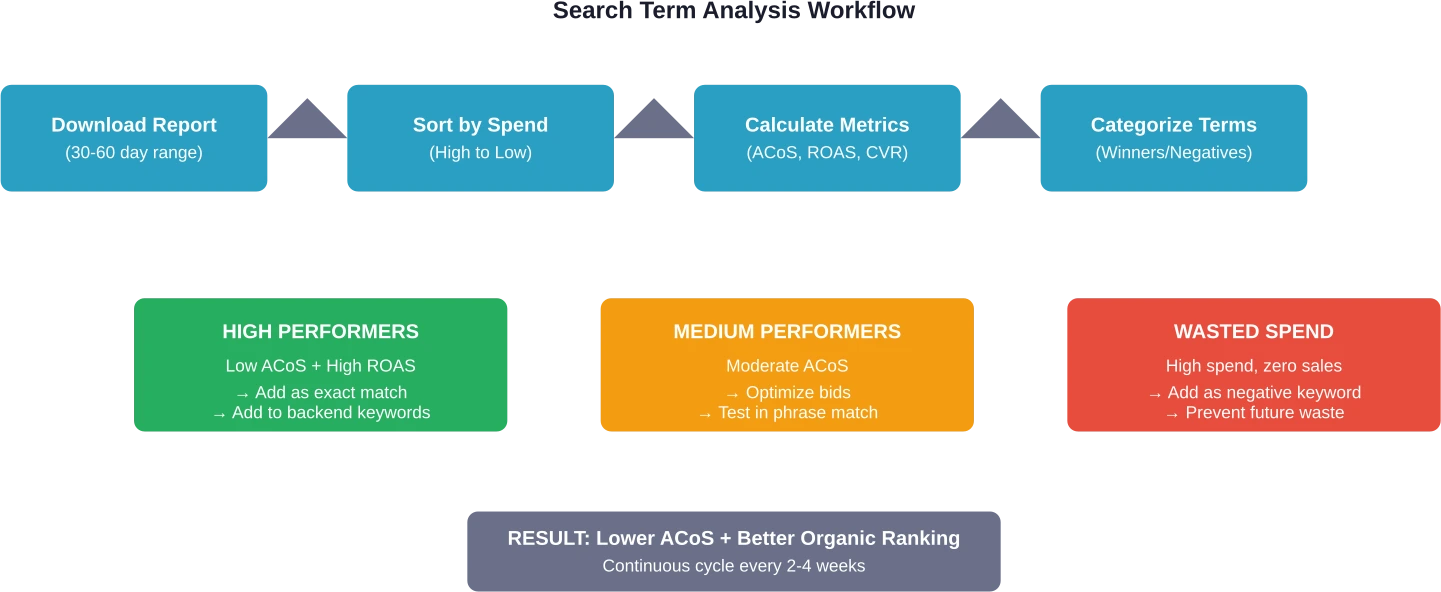
Open your downloaded report in Excel or Google Sheets. Start by creating a summary table using formulas to calculate totals: total spend, total sales, total clicks, total orders. Then compute overall ACoS, ROAS, CVR, and average CPC from those aggregated numbers.
Now sort the data by spend (highest to lowest). The top 20% of search terms by spend usually account for 80% of your budget. Focus there first.
Identifying High-Value Terms to Scale
Look for search terms with ACoS below your target threshold (typically 20-30% for most sellers) and at least 3-5 orders. These are proven converters. Add them to your campaigns as exact match keywords with competitive bids.
Don’t stop at your ad account. Copy these high-performers into your backend keyword fields. According to Amazon’s official guidance, backend search terms help the algorithm index your product for organic search—even if those terms don’t appear in your visible listing copy.
Spotting Wasteful Terms and Adding Negatives
Sort by spend again, but filter for terms with zero orders or ACoS above 100%. If you’ve spent $20+ on a term with no sales, it’s almost certainly a mismatch. Add it as a negative keyword (exact or phrase, depending on specificity).
Community discussions on Amazon seller forums highlight the value of negative keywords for reducing wasted spend. It’s low-effort, high-impact.
Optimization Actions: From Data to Results
Analysis means nothing without execution. Here’s what to do with your findings:
Create exact match campaigns for winners: High-converting terms deserve dedicated exact match keywords with higher bids. This gives you tighter control and prevents budget bleed.
Update backend keywords: Add profitable search terms to your Generic Keyword field (max 250 bytes). Use lowercase, separate with spaces, skip punctuation. Seller Central documentation emphasizes avoiding repetition and filler words like “a,” “an,” “the.”
Refine broad and phrase match campaigns: Use negatives aggressively to trim irrelevant traffic. Broad match is useful for discovery, but only if you prune bad terms weekly.
Test new product targeting: If you see ASIN codes in your Search Term Report (not words), customers clicked your ad from a competitor’s product page. High-converting ASINs are candidates for dedicated product targeting campaigns.
Backend Keyword Optimization Using Search Term Insights
Backend keywords don’t show to customers, but they tell Amazon’s algorithm what your product is. They’re especially valuable for synonyms, alternate spellings, and abbreviations that don’t fit naturally in your title or bullets.
Best practices from Amazon Seller Central include:
Keep total character count under the limit (typically 250 bytes, but check your category in Seller Central)
Use synonyms and common variations
Include abbreviations (“BPA” if you sell “BPA-free” items)
Avoid punctuation, repetition, and stop words
Use singular OR plural, not both (Amazon handles stemming automatically)
The Search Term Report shows which variations actually drive conversions. If “stainless steel water bottle” converts but “stainless bottle” doesn’t, prioritize the full phrase in your backend.
Long-Tail Terms and Emerging Trends
Sort your Search Term Report by impressions (low to high). Long-tail terms—specific, lower-volume phrases—often hide in the bottom rows. They typically have lower competition and higher intent.
A term with 15 impressions, 3 clicks, and 2 orders at $0.40 CPC might seem insignificant. But that’s a 67% conversion rate. Scale it, and you’ve found a pocket of profit.
Seasonality and trends shift fast. Running this analysis monthly helps catch emerging search behavior before competitors notice.
Common Mistakes That Kill ROI
Even experienced sellers trip over these pitfalls:
Ignoring high-spend, low-conversion terms: If a broad match keyword is bleeding $50/day with zero sales, cut it. Immediately.
Not updating backend keywords: Your Search Term Report changes monthly. Your backend keywords should too.
Treating all match types the same: Broad match for discovery, phrase for scaling, exact for profit. Each has a role. Mixing them carelessly wastes the budget.
Analyzing too infrequently: Weekly checks catch problems before they cost hundreds. Monthly is bare minimum.
Tying PPC Data Back to Organic Strategy
Here’s where it gets interesting. Amazon’s A9 algorithm uses conversion signals to determine organic ranking. When a search term consistently leads to sales (whether through ads or organic clicks), Amazon interprets that as relevance.
By adding high-converting ad terms to your backend keywords and optimizing your listing content around them, you’re teaching Amazon’s algorithm that your product is the right match for those queries. Over time, this can lift your organic rank—reducing reliance on paid ads.
It’s a flywheel: better PPC data → smarter keyword choices → stronger organic visibility → lower overall advertising cost.
Turn Search Term Data Into Decisions, Not Guesswork
Search term reports only help if you can actually connect keywords to real outcomes. Most sellers end up exporting data, filtering it manually, and still missing the bigger picture – which terms drive sales, which just burn budget, and how performance changes over time.
WisePPC solves that by pulling search term, ad, and sales data into one place. You can track keyword performance alongside actual revenue, analyze trends across longer time periods, and make changes directly without jumping between tools. Instead of working with limited Amazon data windows, you get a clearer view of what’s worth scaling and what needs to be cut.
If you want search term optimization to be more than routine cleanup, you need that level of visibility. Start using WisePPC and base your keyword decisions on real performance, not partial data.
Start Mining Your Search Term Data Today
The Amazon Search Term Report isn’t just a spreadsheet. It’s a roadmap showing exactly where your customers are, what they’re searching for, and which paths lead to profit versus waste.
Download your report right now. Sort by spend. Find one term draining budget with zero sales, and add it as a negative. Find one term with strong ROAS, and add it as an exact match keyword plus a backend term. That’s two actions, maybe 10 minutes of work, and they’ll pay dividends for months.
Optimization isn’t a one-time event. Set a weekly reminder, build a simple tracking template, and watch your ACoS drop while your organic visibility climbs. The sellers who win on Amazon aren’t the ones with the biggest budgets—they’re the ones who use data to make smarter bets every single week.
Frequently Asked Questions
How often should I download and analyze my Search Term Report?
Weekly analysis is ideal for active campaigns with significant spend. Monthly works for lower-budget accounts. The key is consistency—set a recurring calendar reminder so it becomes routine rather than something you remember only when performance tanks.
What’s the difference between the Search Term Report and the Search Query Performance report?
The Search Term Report shows terms that triggered your ads (PPC data only). The Search Query Performance report (available in Brand Analytics for brand-registered sellers) shows organic search behavior across the category, including top clicked ASINs and conversion rates—even for searches where you didn’t run ads. Both are valuable, but they serve different purposes.
Can I see search terms for Sponsored Brands or Sponsored Display campaigns?
The Search Term Report is primarily designed for Sponsored Products. Sponsored Brands and Sponsored Display both provide search term reports. Sponsored Display search term reports are available for campaigns using ‘Contextual targeting’.
Why do some search terms show as ASIN codes instead of words?
ASIN codes in your Search Term Report indicate that a customer clicked your ad from a product detail page rather than from search results. This happens with product targeting campaigns or when customers browse related items. High-converting ASINs are worth targeting directly with dedicated product targeting campaigns.
How do I add negative keywords based on the Search Term Report?
In your campaign manager, navigate to the campaign or ad group where the wasteful term appeared. Go to the Negative Keywords tab and add the term as either negative exact (blocks only that precise phrase) or negative phrase (blocks any query containing that phrase). Negative exact is safer for testing; negative phrase is more aggressive.
What ACoS should I target when analyzing search terms?
It depends on your profit margin and business goals. Generally, 20-30% ACoS is healthy for most products. Calculate your break-even ACoS based on your profit margins and use that as your ceiling. Terms below break-even are profitable; terms above it lose money unless you’re bidding for market share or launching a new product.
Should I add every high-converting search term to my backend keywords?
Not necessarily. Prioritize terms that don’t already appear in your title, bullets, or description. Backend keywords are for synonyms, abbreviations, and alternate phrasings that didn’t fit in visible content. If “wireless headphones” is already in your title, adding it to the backend is redundant—Amazon already indexes it. Use backend space for hidden gems like “cordless earbuds” or “bluetooth headset.”
Quick Summary: A good product launch combines strategic planning, cross-functional team alignment, quality management oversight, and clear quantifiable benefits that resonate with target audiences. Recent Harvard research shows high-quality managers can increase new product revenue by nearly 20% within six months, while BCG reports that three-quarters of yearly product launches fail without proper innovation cycles and consumer insight integration.
Product launches fail at alarming rates. According to BCG, three-quarters of yearly product launches fail. That’s a staggering failure rate for something companies invest millions developing.
But here’s what separates the winners from the rest: it’s not just about having a great product. Launch success depends on strategic execution, team quality, and how well the offering connects with actual market needs.
So what actually makes a product launch good? Research from Harvard Business School, MIT Sloan, and leading consulting firms reveals specific factors that drive launch success. This analysis cuts through the noise to identify what works.
The Critical Role of Management Quality
Recent research from Harvard Business School reveals something most launch frameworks ignore: the quality of managers executing the rollout matters enormously.
Professors Tomomichi Amano and Jorge Tamayo studied product launches across retail environments. Their findings? High-quality managers significantly boost new product revenue and expand market reach compared to lower-quality counterparts.
The impact is quantifiable. Within six months of a high-quality manager’s arrival, revenue per new product increased by nearly 20%. That’s substantial growth from management effectiveness alone.
This research challenges the traditional focus on the four Ps (product, price, place, promotion). While those elements remain important, the people managing the rollout can make or break execution. A mediocre product with excellent management outperforms an excellent product with poor execution.
What defines a high-quality manager in launch contexts?
The research points to several characteristics:
Strategic coordination across multiple teams
Data-driven decision making during rollout phases
Rapid problem identification and course correction
Clear communication of launch objectives to frontline teams
Organizations often overlook this human element when planning launches. They focus resources on product development and marketing campaigns but underinvest in management capability for the launch phase itself.
Cross-Functional Team Alignment
The most successful product launch strategies connect product, marketing, enablement, and revenue teams around shared timing, tools, and ownership. This isn’t just theory—it’s what separates launches that accelerate company growth from ones that fizzle.
Harvard Business Review’s 2026 research on digital product management emphasizes permanent, cross-functional teams over temporary project-based approaches. Traditional project structures have high failure rates because teams disband once the system launches, limiting opportunities for learning and improvement.
Successful launches require each go-to-market team to own their piece of the rollout process. Product teams define features and positioning. Marketing creates campaigns and messaging. Sales enablement prepares customer-facing teams. Revenue teams execute in market.
But ownership alone isn’t enough.
These teams must synchronize around critical milestones:
Unified launch timeline with dependencies mapped
Shared definitions of success metrics
Common tools for tracking launch progress
Regular rehearsal of key launch moments
By launch week, well-aligned teams are dialing in the final 10%, not scrambling at 110%. They’ve collectively rehearsed key moments and shaken loose potential challenges before they manifest in market.
Quantifiable Benefits Over Feature Lists
Here’s where most product launches go wrong: teams focus on what the product does instead of what problem it solves and how well it solves it.
Community discussions consistently highlight this gap. Launch posts often list features without explaining why they matter. After shipping something significant, tired teams write quick notes and move on. But that approach wastes the launch opportunity.
Effective launches demonstrate measurable outcomes. Instead of saying a product solves a problem, prove it with data, testimonials, and case studies. Quantifiable claims like “reduces time spent on X by 40%” or “saves users an average of Y dollars per month” resonate far more than generic benefit statements.
This principle extends beyond marketing copy.
The entire launch narrative should center on customer outcomes:
What specific pain point does this address?
How much better is the customer’s situation after adoption?
What metrics demonstrate this improvement?
Can early users validate these benefits?
Testing different messages matters too. Small ad or landing-page experiments before launch reveal which value propositions connect. Instead of “an efficient meal-planning app,” try “helps busy parents save 30 minutes every evening by turning what’s in the fridge into a ready plan.” That’s concrete, human, and instantly meaningful.
The shift from feature-centric to outcome-centric communication isn’t just about marketing effectiveness. It forces product teams to validate that their solution genuinely delivers measurable value. If quantifiable benefits are hard to articulate, that’s a red flag about product-market fit.
Strategic Foresight and Market Timing
Timing isn’t everything, but it’s close. Companies that excel at strategic foresight systematically track both predictable future events and true unknowns across short and long-term horizons.
Companies that excel at strategic foresight demonstrate performance advantages. This advantage comes from data-forward methods, continuous signal detection, and explicit focus on potential upsides to risks, not just downsides.
For product launches, foresight capability translates to:
Launching when market conditions favor adoption
Anticipating competitive responses and planning accordingly
Identifying emerging customer needs before they become obvious
Avoiding launches during market disruptions or saturation periods
The path to foresight leadership lies in building it as an organizational capability embedded in strategy, not a set of one-off exercises. That means continuous environmental scanning, not just quarterly planning sessions.
MIT Sloan research on learning from outcomes emphasizes that understanding why initiatives succeed or fail helps leaders make better decisions about future strategies. Launches should feed into this learning cycle. Post-launch retrospectives that honestly assess what worked and what didn’t create institutional knowledge that improves subsequent launches.
The Five Key Stages Framework
Despite the complexity of modern launches, the fundamental structure remains consistent. Successful launches typically follow five key stages, each with distinct objectives and success criteria.
Stage 1: Idea and Research
This foundation stage involves brainstorming, studying competitors, and understanding customer needs. The research phase shouldn’t be rushed—inadequate understanding of market dynamics causes many launch failures.
Effective research goes beyond surface-level competitor analysis.
It includes:
Deep customer interviews to uncover unmet needs
Analysis of competitor positioning and messaging
Market size and growth trajectory assessment
Regulatory or compliance considerations
Technology trends that might accelerate or hinder adoption
Stage 2: Planning and Development
With research complete, teams build roadmaps, create prototypes, and allocate resources. This stage establishes the foundation for cross-functional alignment discussed earlier.
Planning encompasses both product development and go-to-market strategy. The two must evolve in parallel, not sequentially. Waiting until development finishes to begin launch planning creates time pressure that compromises execution quality.
Stage 3: Testing and Feedback
Testing with select users, gathering insights, and refining based on feedback prevents launching with critical flaws. This stage validates assumptions from earlier phases.
The testing approach should match product type and market. B2B products might involve pilot programs with key accounts. Consumer products might use beta programs or soft launches in specific geographies.
Stage 4: Marketing and Promotion
Generating buzz through campaigns, teasers, and partnerships builds anticipation before launch day. The marketing phase shouldn’t start on launch day—it should create momentum leading into it.
Different launch strategies fit different contexts. Influencer-led launches work for consumer products with visual appeal. Partnership launches leverage complementary brands or platforms. Content marketing launches educate audiences about new problem-solution paradigms.
Stage 5: Launch Day and Beyond
Going live, promoting strategically, and tracking performance marks the transition from preparation to execution. But launch day isn’t the finish line—it’s the starting line for ongoing optimization.
Digital product management principles emphasize permanent teams that continue improving products post-launch. Success is judged by adoption, user retention, and revenue over time, not just initial launch metrics.
Measuring Launch Success with Modern Metrics
Traditional operational KPIs like utilization, throughput, and quarterly margins served organizations well in stable environments. But in the transformation age, these legacy metrics often derail product launches by focusing attention on the wrong outcomes.
Harvard Business Review’s research on transformation metrics reveals that organizations should measure what will make them successful in the future, not what worked in the past. For product launches, this means shifting from output metrics to value-creation metrics.
Modern launch measurement focuses on:
Value: Revenue impact, customer lifetime value increases, or cost savings generated
Alignment: How well the launch advances strategic objectives versus tactical wins
Velocity: Speed of adoption, time to revenue, or market penetration rate
Team Health: Cross-functional collaboration quality and sustainable execution pace
These metrics can be tracked in a live operating system that monitors real-time health, velocity, and strategic alignment of the launch. When performance is measured through these project-driven KPIs, leaders gain confidence, trust in the launch grows, and results follow.
BCG research emphasizes that top-line growth is the most important driver of value creation. Over the longer term, it accounts for about half of ten-year total shareholder return. Margins, free cash flow, and multiples remain important, but they take a back seat to top-line improvement.
This has direct implications for launch measurement. Early fixation on profitability or efficiency might optimize the wrong things. The primary question should be: Is this launch driving growth? Secondary questions about margin and efficiency come later.
Metric Category
Traditional Approach
Modern Approach
Why It Matters
Success Definition
Launch completed on time
Customer adoption and value creation
Launches are starting points, not endpoints
Timeline Focus
Pre-launch execution
Post-launch performance trajectory
Long-term outcomes matter more than launch day
Team Measurement
Individual function performance
Cross-functional collaboration quality
Alignment drives better outcomes than siloed excellence
Financial Metrics
Cost management and margins
Top-line growth and market expansion
Growth drives long-term value creation
Customer Metrics
Initial sales or signups
Retention, engagement, and satisfaction
Sustainable adoption matters more than launch spike
Track Ad Performance With WisePPC
Launching a new product on Amazon involves more than listing optimization. Advertising performance, keyword visibility, and early sales signals all influence how a product gains traction. WisePPC helps sellers analyze campaign data, keyword performance, and product metrics in one dashboard. This makes it easier to understand which campaigns support a launch and which ones need adjustment.
Running Amazon Ads for a Product Launch?
Use WisePPC to:
analyze keyword and campaign performance
track early product sales signals
adjust PPC campaigns during launch
👉 Explore WisePPC to better understand your Amazon advertising data.
The Role of AI in Modern Product Launches
Artificial intelligence and generative AI are reshaping how organizations approach product innovation and launches. Right now, many consumer packaged goods firms struggle with innovation, and three-quarters of yearly product launches fail.
AI provides a path forward by accelerating the innovation cycle, expanding the range of ideas explored, and surfacing concepts that resonate with customers. These capabilities apply across multiple launch stages.
During the research phase, AI tools analyze market trends, competitor positioning, and customer sentiment at scale. Pattern recognition capabilities identify opportunities human analysts might miss.
In planning and development, AI accelerates prototyping and testing cycles. Generative AI can produce multiple positioning variations, messaging frameworks, or campaign concepts rapidly, enabling broader exploration of strategic options.
For testing and feedback, AI analyzes user responses and behavioral data to identify what’s working and what isn’t. Sentiment analysis across customer conversations reveals issues early, when they’re still easy to fix.
The marketing phase benefits from AI’s ability to optimize messaging for different audience segments and channels. Personalization at scale becomes feasible, improving campaign effectiveness.
Post-launch, AI continuously monitors performance metrics and flags anomalies or opportunities. Predictive analytics help anticipate when momentum might stall, enabling proactive intervention.
That said, AI tools are enablers, not replacements for strategic thinking. The research emphasizes that high-quality management still matters enormously. AI amplifies management capability but doesn’t substitute for it.
Common Launch Strategy Approaches
Different product types and market contexts call for different launch strategies. No single approach works universally, but several proven patterns emerge across successful launches.
Teaser Campaign Strategy
Building anticipation before revealing the full product creates buzz and primes the market. This approach works well for consumer products with visual appeal or innovative features that generate excitement.
Teaser campaigns release information gradually, often through social media, email sequences, or strategic media placements. The key is maintaining interest without frustrating potential customers through excessive secrecy.
Soft Launch Strategy
Releasing to a limited audience or geography before full rollout reduces risk and enables learning. Soft launches identify issues in controlled environments where damage is contained.
This approach suits complex products where unexpected interactions might occur, or markets where local customization might be needed. Geographic soft launches are common for global products.
Partnership Launch Strategy
Leveraging complementary brands or platforms accelerates market access and credibility. Partnership launches work when the partner’s audience aligns with target customers.
Successful partnerships require clear value exchange. Both parties should gain something meaningful—market access, revenue share, or strategic positioning benefits.
Influencer-Led Launch Strategy
Engaging influencers to introduce and validate the product to their audiences provides social proof and reach. This strategy is particularly effective for consumer products targeting demographics that trust influencer recommendations.
The challenge lies in authenticity. Audiences detect inauthentic endorsements quickly, which can backfire. Influencers should genuinely believe in the product, not just accept payment for promotion.
Content Marketing Launch Strategy
Creating valuable content that educates audiences about the problem space positions the product as a solution within a broader context. This approach works well for products that address problems audiences don’t fully understand yet.
Content marketing launches take longer to generate results but often create more sustainable adoption. Educated customers who understand why they need a solution become stronger advocates than those responding to promotional campaigns.
Launch Strategy
Best For
Timeline
Key Success Factor
Teaser Campaign
Consumer products with visual appeal
4-8 weeks pre-launch
Maintaining excitement without frustration
Soft Launch
Complex products or new markets
2-6 months before full launch
Learning quickly and adapting
Partnership Launch
Products with clear complementary fit
3-6 months for partnership development
Mutual value creation
Influencer-Led
Consumer products for specific demographics
6-12 weeks including relationship building
Authentic influencer belief in product
Content Marketing
Products addressing poorly understood problems
3-6 months of content before launch
Educational value beyond product promotion
Learning From Launch Outcomes
Post-launch retrospectives separate organizations that improve over time from those that repeat mistakes. MIT Sloan research emphasizes that understanding why initiatives succeed or fail helps leaders make better decisions about future strategies.
Market response: Did target customers adopt as expected? If not, why?
Execution quality: Did teams execute the plan effectively? Where did breakdowns occur?
Assumption validation: Which assumptions about customers, competition, or market conditions proved correct or incorrect?
Metric performance: How did actual performance compare to projections across different metrics?
The key is honest assessment. Organizations that only celebrate successes without examining failures miss valuable learning opportunities. Conversely, those that conduct witch hunts after disappointing launches create cultures where teams hide problems rather than surfacing them.
Structured learning processes capture insights systematically. Launch playbooks that document what worked and what didn’t become institutional knowledge that improves subsequent launches.
This learning orientation connects to the digital product management principle of permanent teams. When teams stay together across multiple product cycles, they compound learning. Each launch informs the next, creating continuous improvement.
Avoiding Common Launch Pitfalls
Even well-planned launches encounter predictable problems. Awareness of common pitfalls enables proactive mitigation.
Insufficient Product-Market Fit Validation
The hidden reason behind many launch failures is inadequate consumer insight integration. Organizations assume they understand customer needs without rigorous validation. Despite bigger R&D budgets and better data, many launches still fall short. PDMA’s global study found that just 61% of new products meet their business goals, and that, on average, it takes nearly nine ideas to produce one success.
Inside many organizations, product teams work in isolation from real customer input until late in development. By then, course correction becomes expensive or impossible.
Feature-Centric Communication
As discussed earlier, focusing on what the product does rather than what problems it solves disconnects launches from customer motivations. This mistake appears in launch materials, sales enablement, and customer-facing messaging.
The fix requires discipline. Every feature description should connect to a specific customer outcome. If that connection isn’t clear, either the feature isn’t important enough to highlight, or the team doesn’t understand its value.
Inadequate Cross-Functional Coordination
Siloed execution creates gaps where critical tasks fall through or conflicting messages confuse customers. Marketing launches a campaign while sales remains untrained. Product releases features that support teams don’t understand. Enablement creates materials that don’t align with actual positioning.
The solution is the cross-functional alignment framework described earlier. But alignment requires deliberate effort—it doesn’t happen automatically just because teams report to the same executive.
Poor Timing Decisions
Launching during market disruptions, immediately before major industry events, or when internal capabilities are stretched creates unnecessary headwinds. Some timing factors are controllable, others aren’t, but strategic foresight capability helps navigate both.
Neglecting Post-Launch Optimization
Treating launch day as the finish line abandons momentum when it matters most. The weeks immediately following launch represent the highest-leverage period for optimization. Customer feedback is fresh, team attention is focused, and course correction is easiest.
Organizations that transition immediately to the next project waste this opportunity. Building post-launch optimization into plans ensures teams capture early learnings while they’re most actionable.
Conclusion
Good product launches don’t happen by accident. They result from strategic planning, cross-functional coordination, quantifiable value demonstration, and continuous learning.
The research is clear: management quality matters enormously, alignment across teams separates success from failure, and outcome-focused communication resonates better than feature lists. Modern metrics that emphasize growth and value creation guide better decisions than traditional operational KPIs.
But perhaps most important is this: launches aren’t endpoints. They’re starting points for ongoing optimization and value creation. Teams that treat them as such, maintaining focus through the critical post-launch period, see substantially better results.
The framework exists. The research validates it. What separates organizations that consistently launch successfully from those that struggle is disciplined execution of these principles, adapted to specific product and market contexts.
For teams planning launches now, the path forward is clear: align teams early, validate customer outcomes rigorously, communicate benefits quantitatively, measure what actually drives value, and learn systematically from each launch to improve the next.
Frequently Asked Questions
What is the most important factor in a successful product launch?
Cross-functional team alignment around shared objectives, timing, and success metrics is the most critical factor. Harvard research shows that high-quality management executing coordinated launches can increase new product revenue by nearly 20% within six months. No single element—product quality, marketing budget, or timing—matters as much as how well teams synchronize execution.
How long should product launch planning take?
Planning timelines vary by product complexity and market, but generally range from three to six months for B2B products and two to four months for consumer products. The key is starting go-to-market planning in parallel with product development, not sequentially after it. Teams that wait until development finishes to begin launch planning face time pressure that compromises execution quality.
Should launches focus on features or benefits?
Launches should focus on quantifiable customer outcomes rather than features. Effective messaging demonstrates measurable results like “reduces time spent on X by 40%” rather than listing capabilities. Features only matter when connected to specific problems they solve. Testing different message frames before launch reveals which value propositions resonate most strongly with target audiences.
What metrics best measure launch success?
Modern launch measurement emphasizes value creation metrics over traditional operational KPIs. The most important metrics are revenue impact or customer value generated, speed of adoption, strategic alignment with business objectives, and cross-functional team health. Focusing on completion milestones or launch-day metrics misses the point—launches are starting points for ongoing value creation, not endpoints.
How do soft launches differ from full launches?
Soft launches release products to limited audiences or geographies before full rollout, enabling controlled learning and risk reduction. They work well for complex products where unexpected issues might arise, or markets requiring local customization. Full launches skip this phase and go directly to broad market availability. The choice depends on product complexity, market uncertainty, and organizational risk tolerance.
What role does AI play in modern product launches?
AI accelerates multiple launch phases by analyzing market trends and customer sentiment at scale during research, generating positioning and messaging variations during planning, analyzing user responses during testing, optimizing campaigns during marketing, and monitoring performance post-launch. BCG research indicates AI helps address the problem that three-quarters of yearly product launches fail by expanding ideation, accelerating cycles, and surfacing concepts that resonate with customers.
How can teams learn from previous launches?
Structured post-launch retrospectives that honestly examine market response, execution quality, assumption validation, and metric performance create institutional knowledge. Organizations should document what worked and what didn’t in accessible launch playbooks. MIT Sloan research shows that understanding why initiatives succeed or fail helps leaders make better decisions about future strategies. Permanent product teams compound this learning across multiple cycles better than temporary project teams.
Quick Summary: The FBA Dashboard provides powerful analytics tools including Product Performance Spotlight, Returns & Recovery Insights, and Voice of the Customer metrics that directly impact sales. By leveraging proactive alerts, monitoring 30+ ASIN-level metrics, and acting on performance trends, sellers can identify issues faster, optimize listings, and recover sales opportunities before they’re lost.
Amazon’s FBA Dashboard has evolved into something sellers can’t afford to ignore. But here’s the thing—most sellers barely scratch the surface of what these analytics tools can actually do for sales performance.
The difference between struggling and thriving often comes down to how sellers use the data sitting right in front of them. Amazon provides multiple dashboard tools specifically designed to help FBA sellers identify problems, spot opportunities, and act before competitors do.
This guide breaks down the specific dashboard features that directly impact sales and shows exactly how to use them for measurable results.
Understanding the FBA Dashboard Ecosystem
Amazon doesn’t have just one “FBA Dashboard.” The platform offers several interconnected analytics tools that serve different purposes. Understanding which dashboard does what is the first step toward driving sales effectively.
The primary dashboards FBA sellers should monitor include Product Performance Spotlight (PPS), the Returns and Recovery dashboard, Voice of the Customer (VOC), FBA Inventory pages, and Business Reports. Each provides distinct metrics that influence sales from different angles.
Product Performance Spotlight stands out as the central hub for ASIN-level performance. According to the official Amazon Seller Central announcement, PPS consolidates more than 30 metrics into one interface, eliminating the need to jump between separate reports. This centralization saves time and makes pattern recognition significantly easier.
Why Dashboard Analytics Matter for Sales
Data without action means nothing. But the right data interpreted correctly can prevent sales losses before they happen.
According to Amazon Seller Central data, sellers using PPS performance alerts experienced metric recoveries in half the time—just 3 days compared to nearly 6 days for sellers without alerts. Faster problem detection means less revenue loss during the recovery period.
Think about what a three-day difference means when a listing experiences a sudden drop in conversion rate or visibility. Three days of depressed sales on a product moving 50 units daily at $30 profit per unit equals $4,500 in lost profit. Multiply that across multiple ASINs and the impact becomes substantial.
Product Performance Spotlight: The Central Analytics Hub
Product Performance Spotlight serves as the command center for ASIN monitoring. This tool brings together sales data, traffic metrics, inventory status, pricing information, costs, and promotional performance into one consolidated view.
Accessing PPS is straightforward. Navigate to Seller Central, select Reports, then Business Reports, then the By Child ASIN Report. Click into any child ASIN to open the Product Performance Spotlight interface.
Setting Up Proactive Alerts
The alert system represents PPS’s most valuable sales-protection feature. These notifications flag significant performance changes automatically, allowing sellers to respond immediately rather than discovering problems during routine checks days later.
Custom alerts can be configured based on specific needs. Sellers can set thresholds for metrics like conversion rate drops, inventory level changes, pricing fluctuations, or traffic decreases. When a metric crosses the defined threshold, an alert triggers.
Real talk: alerts only help if someone acts on them. Build a process for reviewing and responding to alerts within 24 hours. Assign responsibility if multiple people manage the account.
Monitoring the 30+ ASIN-Level Metrics
PPS tracks dozens of metrics, but not all carry equal weight for driving sales.
Focus on these high-impact indicators:
Unit Session Percentage: This conversion rate metric shows how many sessions result in purchases. According to authoritative sources, the average Unit Session Percentage for Amazon is between 10-15%. Numbers below this range typically indicate listing optimization needs.
Sessions: Total product page views indicate traffic levels. Sudden drops suggest search ranking issues, suppressed Buy Box, or seasonal shifts.
Buy Box Percentage: Time spent owning the Buy Box directly correlates with sales. Lost Buy Box means lost revenue.
Return Rate: High return rates trigger performance flags and reduce profitability. The metric also appears in the Voice of the Customer dashboard.
Tracking trends matters more than single data points. A 20% week-over-week conversion drop deserves immediate investigation. A 2% fluctuation might be normal variance.
Comparing Against Competition
PPS includes competitive benchmarking that shows how ASINs perform versus similar products. This context reveals whether performance issues stem from internal problems or market-wide trends.
If conversion rates drop but competitors show similar declines, the issue might be seasonal demand shifts or category-wide price compression. If only one ASIN underperforms while competitors maintain steady metrics, the problem is specific to that listing.
Use competitive insights to identify improvement opportunities. Products outperforming the category average represent strengths to double down on. Underperformers need immediate optimization attention.
Leveraging Returns and Recovery Dashboard
Amazon introduced the Returns and Recovery: Insights and Opportunities dashboard for all sellers to provide centralized visibility into return patterns and inventory recovery options.
Returns directly impact profitability and sales velocity. High return rates trigger account health concerns and reduce net profit per unit. More importantly, return patterns often signal fixable product or listing issues.
ASIN-Level Return Insights
The dashboard provides detailed return metrics including return rate by ASIN, top return reasons, and trending patterns over time. This granular data helps pinpoint exactly why customers send products back.
Common return reasons include:
Item not as described (often a listing accuracy problem)
Defective or doesn’t work properly (quality control issue)
Bought by mistake (impulse purchase with weak product-market fit)
Better price available (pricing strategy problem)
No longer needed (slow shipping or wrong product expectations)
Each return reason suggests a different solution. “Item not as described” returns require listing updates with more accurate images, dimensions, or feature descriptions. “Defective” returns demand supplier conversations or quality checks. “Better price available” returns might indicate pricing is too high relative to perceived value.
Reducing Return Rates to Boost Net Sales
Lower return rates mean more revenue retained. A product with $100,000 in gross sales and a 15% return rate nets $85,000 in retained revenue. Reducing returns to 8% improves retained revenue to $92,000.
Actionable steps to reduce returns:
Update product images to show accurate colors, sizes, and details
Enhance product descriptions with precise specifications
Add comparison charts in A+ Content to set proper expectations
Include dimensional diagrams or scale references
Address common questions proactively in bullet points
Improve packaging to prevent shipping damage
Conduct quality control audits with suppliers
Monitor return rate changes after implementing corrections. The dashboard’s trend tracking shows whether interventions work.
Recovery Metrics for Grade and Resell
For sellers enrolled in Amazon’s Grade and Resell program, the Returns and Recovery dashboard displays recovery metrics including net recovery value, units sold as graded items, and total sales from recovered inventory.
This feature turns a cost center (returns) into a revenue stream. Products returned in resalable condition get graded and relisted, recovering value that would otherwise be lost.
Voice of the Customer Dashboard for Sales Protection
The Voice of the Customer (VOC) dashboard consolidates customer feedback signals including product reviews, customer questions, return rates, and star ratings.
As announced in 2024, Amazon enhanced VOC with integrated Return Rate and Star Rating features, creating a single location to monitor customer experience indicators that directly impact search ranking and conversion.
Understanding Star Rating Impact
Star ratings appear prominently in search results and on product detail pages. They influence click-through rates from search and conversion rates on the listing itself.
Products with 4.5+ star ratings typically see higher click-through and conversion compared to products below 4 stars. The difference compounds—better ratings lead to more sales, more sales generate more reviews, more reviews strengthen rating stability.
The VOC dashboard displays star ratings as they appear to customers, making it easy to spot ASINs with rating problems. Products below 4 stars need immediate attention through listing improvements, product quality fixes, or proactive customer support.
Acting on Customer Feedback
Customer questions and negative reviews reveal specific concerns preventing purchases or causing dissatisfaction. The VOC dashboard aggregates this feedback for systematic analysis.
Look for patterns in questions. If multiple customers ask about dimensions, the listing doesn’t communicate size clearly. If questions focus on compatibility, add a compatibility chart. Answer questions thoroughly—responses appear publicly and help future customers.
Negative reviews deserve equally careful analysis. Sort by rating to read 1-star and 2-star reviews first. Categorize complaints by theme (quality issues, shipping problems, inaccurate descriptions, missing features). Themes with multiple mentions require corrective action.
Optimizing FBA Inventory Management
Inventory levels directly affect sales potential. Stockouts kill momentum and ranking. Excess inventory ties up capital and incurs storage fees. The FBA Inventory page helps balance these competing concerns.
Monitoring Inventory Performance Index
The Inventory Performance Index (IPI) score reflects overall inventory health. Scores above 450 unlock benefits including unlimited storage and better placement options. Scores below 450 trigger storage limits that constrain growth.
IPI factors include:
Excess inventory percentage
FBA sell-through rate
Stranded inventory percentage
In-stock inventory rate
Improving IPI requires addressing each component. Reduce excess inventory by running promotions on slow movers. Improve sell-through by optimizing listings and adjusting prices. Fix stranded inventory by resolving listing errors. Maintain in-stock rates through better forecasting.
Using Restock Recommendations
The FBA Inventory page provides restock recommendations based on sales velocity and lead time. These suggestions help prevent stockouts on high-performing ASINs.
But wait. Restock recommendations aren’t perfect. They assume consistent demand and don’t account for seasonality, promotional plans, or market changes. Use recommendations as a starting point, then adjust based on business knowledge.
Track historical days of supply to understand seasonal patterns. Products that sell 10 units daily in December might sell 3 daily in February. Restock quantities should reflect these variations.
Monitor Ad Performance With WisePPC
FBA logistics handle fulfillment, but advertising and product visibility still drive sales. WisePPC helps sellers analyze campaign data and product performance through detailed dashboards. By reviewing keyword results, campaign metrics, and product trends, sellers can see how advertising supports their FBA listings.
Managing FBA Sales and Amazon Ads?
Use WisePPC to:
track campaign and keyword performance
review product-level sales metrics
manage and adjust Amazon PPC campaigns
👉 Explore WisePPC to get clearer visibility into your Amazon advertising data.
Actionable Strategies to Drive Sales
Dashboard data becomes valuable only when translated into action. Here’s how to turn metrics into sales improvements.
Strategy 1: Create a Weekly Dashboard Review Routine
Set a recurring calendar block for dashboard analysis. Consistency matters more than duration—30 minutes weekly beats an occasional 3-hour deep dive.
During each review:
Check PPS alerts and investigate any flagged ASINs
Review top 10 products for metric changes (conversion, sessions, Buy Box %)
Examine VOC dashboard for new negative reviews or rating drops
Scan Returns dashboard for return rate increases
Verify inventory levels on best sellers
Document findings and actions in a simple spreadsheet. This creates a performance history that reveals long-term trends.
Strategy 2: Prioritize High-Impact Problems
Not every metric deserves equal attention. Focus on issues with the biggest revenue impact first.
A 5% conversion drop on a product generating $10,000 monthly in sales costs $500 per month. A 10% conversion drop on a $1,000 monthly product costs $100. Fix the $10,000 product first.
Calculate potential revenue impact using this formula: Current Monthly Revenue × Metric Change % = Monthly Impact. Rank problems by monthly impact and work down the list.
Issue Type
Revenue Impact
Fix Difficulty
Priority Level
Lost Buy Box
High
Medium
Urgent
Conversion Rate Drop
High
Medium
High
Increased Return Rate
Medium
Medium
High
Stock Out Risk
High
Low
High
Rating Below 4.0
High
High
Medium
Excess Inventory
Low
Medium
Medium
Traffic Decline
Medium
High
Medium
Strategy 3: Test and Measure Listing Optimizations
Dashboard metrics provide the feedback loop for optimization experiments. Make one change at a time and monitor metrics for 7-14 days to assess impact.
Testing workflow:
Identify underperforming metric (low conversion, high returns, etc.)
Hypothesize cause (unclear images, inaccurate description, weak bullet points)
Make single targeted change (add dimension photo, rewrite bullets, etc.)
Monitor metric in PPS for 7-14 days
Evaluate results and iterate
This systematic approach builds knowledge about what actually moves metrics for specific products. Over time, it becomes easier to diagnose and fix problems quickly.
Strategy 4: Leverage Seasonal Insights
Historical data in dashboards reveals seasonal patterns that inform inventory planning and promotional timing.
Compare current year metrics to the same period in previous years. Products showing consistent November-December spikes need inventory buildup by October. Products with summer peaks require different planning.
Seasonal insights also guide when to refresh listings. According to Amazon’s Spring Listing Refresh guidance (published February 2026), optimizing listings before traffic peaks captures more demand during high-volume periods.
Strategy 5: Address Buy Box Loss Immediately
Lost Buy Box typically stems from pricing, inventory, or account health issues. The impact is severe—most customers purchase from whoever holds the Buy Box.
When Buy Box percentage drops in PPS:
Check pricing against featured offer
Verify sufficient inventory levels
Review account health metrics
Ensure fulfillment speed remains competitive
Pricing adjustments often restore Buy Box within hours. Inventory shipments take longer but remain critical for sustained Buy Box ownership.
Strategy 6: Use Returns Data to Improve Product Quality
Returns dashboard insights extend beyond listings into product development and supplier management. High return rates for specific defects indicate quality control problems worth addressing at the source.
Share return data with suppliers. Products with “defective” returns above 5% need supplier investigation. This collaborative approach improves product quality, reduces future returns, and protects margins.
Some suppliers respond well to data. Others don’t. Persistent quality issues might require finding alternative suppliers.
Advanced Dashboard Tactics
Once basic dashboard monitoring becomes routine, more sophisticated approaches can extract additional value.
Cross-Reference Multiple Dashboards
Insights deepen when connecting data across dashboards. A conversion rate drop in PPS combined with increased negative reviews in VOC suggests a recent product quality change. Traffic decline in PPS alongside lost Buy Box percentage points to pricing or inventory issues.
Look for correlations between seemingly unrelated metrics. Return rate increases that coincide with star rating drops indicate customer dissatisfaction that requires urgent attention. Inventory Performance Index declines alongside slow sell-through rates signal excess inventory problems.
Build Custom Reports for Trend Analysis
Amazon allows exporting data from various dashboard views. Download weekly snapshots of key metrics and compile them in spreadsheets for longer-term trend analysis than dashboards provide by default.
Track metrics like:
Weekly conversion rates by top ASINs
Monthly return rates by product category
Quarterly inventory turnover ratios
Year-over-year seasonal pattern comparisons
Historical data reveals patterns that inform strategic decisions about product line expansion, seasonal inventory planning, and pricing strategy adjustments.
Set Competitive Benchmarks
Use PPS competitive comparison data to establish internal benchmarks. If top competitors maintain 14% conversion rates while yours sits at 11%, that 3-point gap represents improvement opportunity.
Calculate what closing that gap means financially. A product with 10,000 monthly sessions at 11% conversion makes 1,100 sales. At 14% conversion, the same traffic generates 1,400 sales—a 27% increase in units sold from improved conversion alone.
Common Dashboard Mistakes to Avoid
Even with access to comprehensive analytics, sellers make predictable mistakes that limit results.
Mistake 1: Alert Fatigue
Setting too many alerts creates noise that drowns out meaningful signals. Configure alerts only for metrics that actually warrant immediate action.
Low-priority alerts: Minor traffic fluctuations, small session changes, normal seasonal variations.
Mistake 2: Reacting to Short-Term Variance
Metrics fluctuate daily due to random variation. A single day’s conversion rate drop doesn’t necessarily indicate a real problem. Wait for 3-5 days of consistent decline before diagnosing issues and implementing fixes.
Exception: Buy Box loss warrants immediate investigation regardless of duration since it stops sales completely.
Mistake 3: Ignoring Smaller ASINs
It’s natural to focus dashboard monitoring on top sellers. But emerging products and mid-tier ASINs deserve attention too. Small problems caught early prevent them from becoming big problems.
Dedicate at least 20% of dashboard review time to non-top-10 products. Scan for significant metric changes even on lower-volume SKUs.
Mistake 4: Analysis Without Action
Looking at dashboards accomplishes nothing without follow-through. Every review session should end with a prioritized action list and assigned responsibilities.
Document three things after each dashboard review: what changed, why it likely changed, and what action will be taken. Without this discipline, dashboard monitoring becomes busywork.
Integrating Dashboard Insights with Broader Strategy
FBA dashboards shouldn’t exist in isolation. The metrics and insights should inform decisions across all aspects of the business.
Inventory Planning and Forecasting
Historical sales velocity data from dashboards improves inventory forecasting accuracy. Rather than guessing reorder quantities, base decisions on actual sell-through rates adjusted for seasonal patterns.
Use the FBA Inventory page’s historical days of supply metric to calculate appropriate reorder points. Products selling 20 units daily with 30-day lead times need reordering when inventory drops to 600 units (20 × 30 days), plus safety stock.
Product Development Decisions
Return reasons and customer feedback from dashboards reveal product improvement opportunities and new product ideas.
Frequent “too small” return reasons suggest adding a larger size. Common questions about missing features indicate demand for those features. Low star ratings with specific complaint patterns guide product redesign efforts.
Marketing and Advertising Optimization
Dashboard metrics inform advertising strategy. Products with strong organic conversion rates but low traffic are ideal candidates for increased ad spend. Products with high traffic but weak conversion need listing optimization before justifying more advertising investment.
Use conversion rate data to set appropriate Advertising Cost of Sales (ACoS) targets. Products converting at 15% can support higher ad costs than products converting at 8%.
Staying Current with Dashboard Updates
Amazon continuously evolves its seller tools. New dashboard features appear regularly, existing ones get enhanced, and metrics sometimes change.
Product Performance Spotlight launched officially in October 2025. The Returns and Recovery dashboard arrived in November 2025. Voice of the Customer gained Return Rate and Star Rating integration in December 2024. These are recent additions—more changes will come.
Monitor Amazon Seller Central announcements and the “News” section for updates about dashboard enhancements. When new features launch, invest time learning them. Early adopters of new analytics tools gain competitive advantages while others lag behind.
Real-World Application: A Dashboard-Driven Sales Recovery
Theory matters, but practical application demonstrates real value. Consider a seller monitoring a product that suddenly showed declining performance in PPS.
The alert flagged a 20% conversion rate drop over five days. Investigation revealed the cause: a competitor launched with aggressive pricing that captured the Buy Box. The seller’s Buy Box percentage fell from 95% to 30%.
Cross-referencing with the VOC dashboard showed no review or rating changes, confirming the issue wasn’t product quality. The Returns dashboard showed stable return rates, further evidence of pricing rather than product problems.
Action taken: adjusted pricing to regain Buy Box competitiveness while analyzing whether the new price point remained profitable. Buy Box percentage recovered to 85% within 48 hours. Conversion rates normalized within a week.
Total time from alert to resolution: 3 days. Without proactive monitoring, the issue might have persisted for weeks, causing significantly more revenue loss.
Taking Dashboard Insights to the Next Level
Mastering FBA dashboards represents just one component of successful selling. The data provides visibility, but sustained growth requires combining dashboard insights with strong fundamentals across product selection, listing optimization, inventory management, and customer service.
The sellers seeing the best results don’t just check dashboards—they build systematic processes around the data. They create standard operating procedures for responding to specific alert types. They maintain documentation of what optimizations worked. They train team members on dashboard interpretation.
This systematic approach transforms dashboard data from interesting information into competitive advantage. Problems get solved faster. Opportunities get identified earlier. Decisions get made with confidence backed by data rather than guesswork.
Conclusion: Data-Driven Sales Growth
Amazon’s FBA Dashboard ecosystem offers powerful tools that most sellers underutilize. Product Performance Spotlight, Returns and Recovery, Voice of the Customer, and FBA Inventory dashboards provide the visibility needed to drive sales systematically.
The difference between average and exceptional performance often comes down to how quickly problems get identified and resolved. Sellers using proactive alerts and regular dashboard monitoring recover from issues in half the time—3 days versus 6 days according to Amazon’s data. That speed advantage compounds across dozens of ASINs and hundreds of potential issues annually.
Start with the fundamentals: set up Product Performance Spotlight alerts, schedule weekly dashboard reviews, and create a simple process for acting on insights. As comfort with the tools grows, layer in more sophisticated analysis like cross-dashboard correlation and competitive benchmarking.
The dashboards are ready. The data is available. The question is whether sellers will use these tools to their full potential or let valuable insights sit unexamined while competitors pull ahead.
Ready to transform dashboard data into sales results? Start by accessing Product Performance Spotlight in Seller Central today and configuring alerts for the top 10 ASINs. That single action will begin building the data-driven approach that separates growing businesses from stagnant ones.
Frequently Asked Questions
How often should FBA sellers check dashboard metrics?
Top-performing sellers typically check critical metrics daily and conduct comprehensive dashboard reviews weekly. Daily checks focus on alerts and key indicators like Buy Box percentage and inventory levels. Weekly reviews involve deeper analysis of trends, return patterns, and customer feedback. Monthly reviews should include competitive benchmarking and strategic assessment of overall account performance.
Which dashboard metric has the biggest impact on sales?
Conversion rate (Unit Session Percentage) typically impacts sales most directly since it determines how efficiently traffic converts to revenue. Buy Box percentage runs a close second—losing the Buy Box can reduce sales by 70-90% overnight. Both metrics deserve primary focus during dashboard monitoring since improvements yield immediate results.
Can dashboard data help prevent account suspensions?
Absolutely. The Voice of the Customer dashboard and Account Health metrics provide early warning signs of performance problems that could lead to suspension. Monitoring return rates, negative feedback, and order defect rates allows sellers to address issues proactively before they reach suspension thresholds. Quick response to dashboard alerts helps maintain account health.
What’s the difference between Product Performance Spotlight and Business Reports?
Product Performance Spotlight consolidates ASIN-level data from multiple sources into a single interface with proactive alerts and competitive benchmarking. Business Reports provide broader historical data across the entire catalog. PPS focuses on real-time monitoring and problem detection for individual ASINs, while Business Reports serve historical analysis and trend identification across products.
How do returns shown in the Returns dashboard affect sales?
High return rates impact sales through multiple mechanisms. They reduce net revenue directly, trigger potential account health issues, signal quality problems that may lead to negative reviews, and increase operational costs. More importantly, products with consistently high return rates may receive reduced search visibility as Amazon protects customer experience. Monitoring and reducing return rates protects both current and future sales.
Should sellers using FBA also monitor Multi-Channel Fulfillment analytics?
Sellers using Amazon’s fulfillment network for non-Amazon orders should definitely monitor the Multi-Channel Fulfillment Analytics dashboard. It provides insights into fulfillment costs, delivery performance, and order volumes from other channels. This data helps optimize multi-channel strategy and ensures FBA remains cost-effective for off-Amazon sales.
What actions have the fastest impact on sales after dashboard analysis?
Regaining lost Buy Box, restocking products approaching stockout, and fixing stranded inventory typically produce the fastest sales impact—often within hours or days. Pricing adjustments and resolving inventory issues take immediate effect. Listing optimizations based on return data or customer feedback require longer (7-14 days) to show measurable improvement as the changes accumulate traffic and conversion data.
We care about your privacy
To provide the best experiences, we use technologies like cookies to store and/or access device information. Consenting to these technologies will allow us to process data such as browsing behavior or unique IDs on this site. Not consenting or withdrawing consent, may adversely affect certain features and functions.
Functional
Always active
The technical storage or access is strictly necessary for the legitimate purpose of enabling the use of a specific service explicitly requested by the subscriber or user, or for the sole purpose of carrying out the transmission of a communication over an electronic communications network.
Preferences
The technical storage or access is necessary for the legitimate purpose of storing preferences that are not requested by the subscriber or user.
Statistics
The technical storage or access that is used exclusively for statistical purposes.The technical storage or access that is used exclusively for anonymous statistical purposes. Without a subpoena, voluntary compliance on the part of your Internet Service Provider, or additional records from a third party, information stored or retrieved for this purpose alone cannot usually be used to identify you.
Marketing
The technical storage or access is required to create user profiles to send advertising, or to track the user on a website or across several websites for similar marketing purposes.

 EN
EN  ES
ES  FR
FR  DE
DE  IT
IT  KO
KO  JA
JA  ZH
ZH  AR
AR  PT
PT  TR
TR