EN
EN  ES
ES  FR
FR  DE
DE  IT
IT  KO
KO  JA
JA  ZH
ZH  AR
AR  PT
PT  TR
TR  PL
PL  ID
ID  VI
VI 
Protecting your intellectual property is not something most sellers think about on day one. It usually becomes important when something goes wrong. A copied image. A suspicious seller. A product that looks a little too familiar.
On Amazon, those problems can escalate quickly. Counterfeit listings and unauthorized content don’t just hurt your brand. They confuse customers, damage trust, and can lead to account-level issues if left unchecked.
The good news is that Amazon has clear processes for reporting intellectual property violations. Once you understand how they work, taking action is usually straightforward.
This guide explains what counts as IP, what qualifies as a violation, and how to report problems the right way so Amazon can act on them.

What Counts as Intellectual Property?
Intellectual property, often shortened to IP, refers to things you create that have business value even though they aren’t physical objects.
For ecommerce sellers, this usually includes:
- Product names and brand names
- Logos and packaging designs
- Product images and written descriptions
- Original designs, inventions, or functional features
Think of IP the same way you think about owning a physical asset. You may not be able to touch it, but it still belongs to you, and you control how it’s used. That ownership is what allows you to protect your work and prevent others from profiting from it without permission.
IP is typically protected through trademarks, copyrights, or patents, depending on what you’re protecting.
What Does IP Infringement Look Like on Amazon?
IP infringement happens when someone uses your protected material without your approval. On Amazon, this can show up in several common ways.
Some typical examples include:
- A seller using your product photos or copy on their own listing
- A listing that uses branding or packaging designed to look like yours
- A product that copies a patented design or feature
- Counterfeit items sold under your brand name
In most cases, the intent doesn’t matter. If your protected IP is being used without authorization, it may still qualify as infringement.

The Three Types of IP Amazon Enforces
Amazon’s enforcement system is built around three main categories. Understanding which one applies to your situation makes reporting much easier.
Copyright
Copyright protects original creative work. This includes photos, written content, graphics, and designs. If someone copies your images or text and uses them to sell a product, that is usually a copyright issue.
Trademark
Trademarks protect brand identifiers such as names, logos, and slogans. If another seller uses branding that could confuse customers or make them think their product is yours, that may be a trademark violation. Counterfeiting also falls under this category.
Patent
Patents protect inventions and functional designs. If someone manufactures or sells a product that uses your patented invention without permission, that may be a patent infringement.
Amazon focuses on these three areas when reviewing IP complaints.
Who Can Report an IP Violation?
Amazon allows IP rights owners and authorized agents to submit infringement reports.
There are two main ways to do this:
- Public Notice Form. Available to any rights owner or agent. This option is open even if you’re not enrolled in Brand Registry.
- Report a Violation tool. Available only to brands enrolled in Amazon Brand Registry. To use it, your account must be assigned the Rights Owner or Registered Agent role.
If your trademark is still pending, you won’t be able to use the Report a Violation tool yet. However, you can still access other Brand Registry benefits and use the Public Notice Form in the meantime.
How Brand Registry Changes the Process
Amazon Brand Registry gives registered brands more control over how their intellectual property is protected across the marketplace. Instead of reacting to problems after they appear, Brand Registry shifts part of the work to prevention.
Once a brand is enrolled, Amazon applies automated protections that use data patterns and machine learning to identify and block many suspected violations before they ever reach customers. This includes stopping inaccurate product information, counterfeit listings, and other common forms of abuse early in the process.
Brand Registry also gives brands stronger tools for enforcement. Sellers can search Amazon’s catalog more effectively, identify potential infringements faster, and submit reports through a dedicated system designed specifically for IP issues. Compared to public reporting, the process is more direct and typically moves faster.
In day-to-day use, this means fewer surprises and less manual cleanup. Many problems are resolved before a brand even becomes aware of them, and when something does slip through, Brand Registry makes it easier to take action quickly and keep listings under control.

How to Report an IP Violation Using Report a Violation
If your brand is enrolled in Brand Registry, reporting a violation is fairly direct.
After logging in:
- Open Brand Registry and select Report a Violation
- Search using ASINs, product URLs, keywords, images, or order numbers
- Identify the listing and select the type of violation
- Provide clear details explaining why it infringes your IP
- Submit the report for review
You can report individual listings or upload up to 50 ASINs at once if the issue affects multiple products.
Accuracy matters here. Be specific about what’s being violated and which IP right applies. Clear reports are reviewed faster and are more likely to lead to action.
Reporting Patent Issues the Faster Way
Patent disputes can be slow and expensive when handled through traditional legal channels. To address this, Amazon offers a program called Patent Evaluation Express for certain utility patent claims.
Instead of sending sellers straight into court, the program relies on a neutral third-party evaluator with experience in patent analysis. The evaluator reviews the patent and the accused listing to determine whether infringement is likely. This creates a clearer, faster path to resolution without requiring a full legal proceeding.
Patent Evaluation Express is designed to move quickly compared to standard litigation, which can drag on for months or years. It also keeps costs under control. The program is free for the party the evaluator determines is correct, making it a practical option for rights owners who want to enforce their patents without committing to a lengthy and expensive legal fight.
For sellers dealing with patent-related issues on Amazon, this approach often provides a more efficient way to protect their rights and resolve disputes with less disruption to their business.

Tracking and Managing Your Reports
After submitting a report, you’re not left in the dark. Amazon provides visibility into what’s happening so you can follow each case without constant back-and-forth.
Inside Brand Registry, you can:
- View all submitted complaints in one place
- Check the current status of each case as it’s reviewed
- Open detailed reports to see what information was submitted
- Retract a complaint if it was filed in error or the issue has been resolved
Having access to this history is especially helpful if you manage more than one brand or deal with repeat infringement issues. It also gives you clear documentation over time, which can be useful when tracking patterns, responding to disputes, or working with advisors on ongoing brand protection.
Why Acting Early Matters
IP violations rarely resolve on their own. In most cases, ignoring them only gives bad actors more time to copy, list, and sell without consequences. What starts as a single issue can quickly turn into multiple listings, confused customers, and ongoing damage to your brand.
Reporting problems early helps protect customers from misleading information and counterfeit products. It also preserves your brand’s credibility by showing consistent ownership and control over how your products appear in the marketplace. Left unaddressed, small issues can grow into larger listing conflicts or even account-level complications.
The sooner Amazon receives clear and accurate information, the sooner they can review the issue and take action. Early reporting keeps problems contained and allows you to stay focused on growing your business instead of constantly putting out fires.

How We Help Sellers Stay in Control With WisePPC
At WisePPC, we work with Amazon sellers who want clarity, not guesswork. Protecting a brand on Amazon goes beyond reporting violations. It also means understanding what’s happening across your listings, ads, and sales data before small issues turn into bigger problems. That’s exactly where our platform fits in.
We built WisePPC to give sellers full visibility into their marketplace performance. With advanced analytics, long-term historical data, and real-time insights, we help teams spot unusual activity, performance drops, or changes in sales behavior that may signal deeper issues. When you can see trends clearly, it’s easier to react quickly and make informed decisions, whether that’s adjusting campaigns, reviewing listings, or addressing potential abuse.
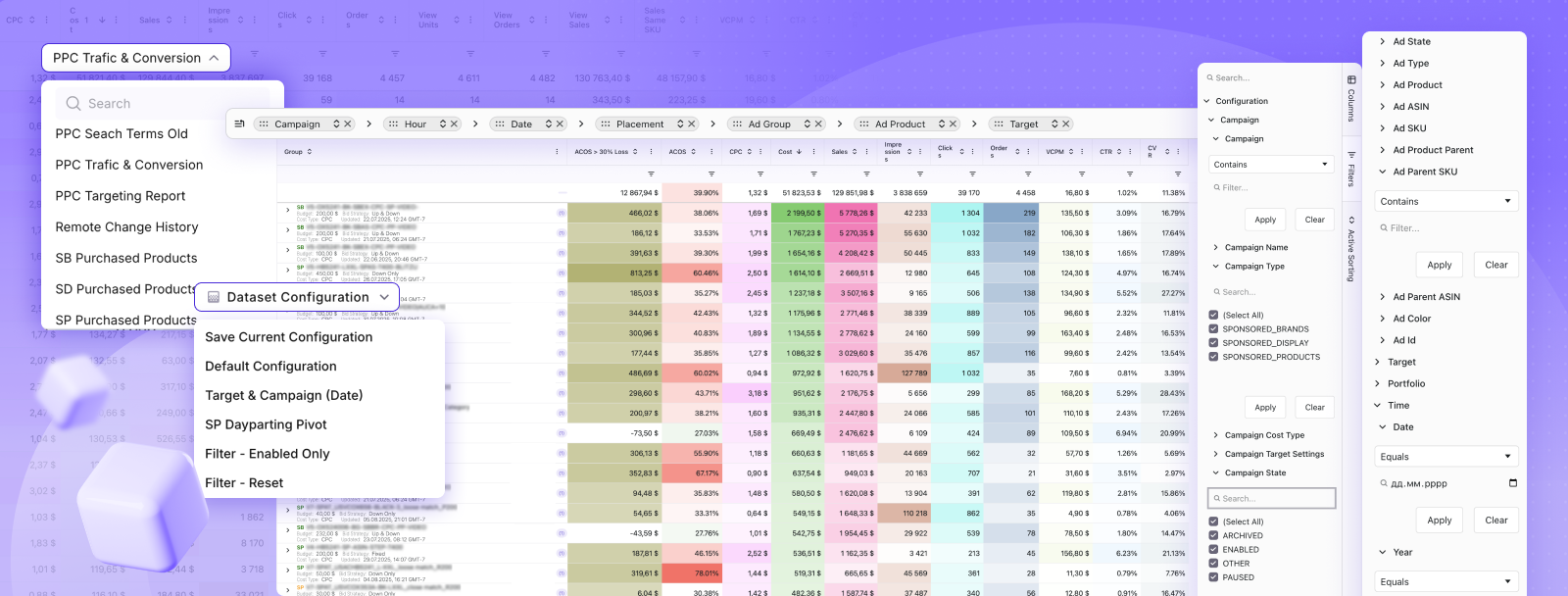
As an Amazon Ads Verified Partner, we use official integrations and follow Amazon’s best practices. Our tools are designed to simplify complex workflows, from bulk campaign updates and granular performance tracking to advanced filtering and segmentation across campaigns, keywords, and placements. Instead of juggling spreadsheets or short-term reports, sellers get a centralized system built for scale and long-term growth.
By combining clear analytics, automated insights, and flexible reporting, we help sellers focus on what matters most: improving efficiency, and growing with confidence in a competitive marketplace.
Final Thoughts
Protecting your intellectual property on Amazon doesn’t have to be complicated. Once you understand what qualifies as a violation and which tools to use, the process becomes manageable.
Whether you’re handling it yourself or working with professionals who understand ecommerce compliance, the key is staying proactive. Your brand is one of your most valuable assets. Treat it that way.
If you need guidance with IP issues, brand protection, or the financial side of running an ecommerce business, working with specialists who understand marketplace rules can save time and prevent costly mistakes.
Frequently Asked Questions
What counts as an IP violation on Amazon?
An IP violation usually involves someone using your protected work without permission. This can include copied product images or descriptions, branding that looks confusingly similar to yours, counterfeit products, or the unauthorized use of a patented invention. Amazon focuses on copyright, trademark, and patent violations when reviewing reports.
Do I need to be enrolled in Brand Registry to report an IP violation?
No. Any IP rights owner or authorized agent can report suspected violations using Amazon’s Public Notice Form. However, brands enrolled in Amazon Brand Registry get access to stronger tools, including faster reporting through Report a Violation and additional proactive protections.
Can I report an IP violation if my trademark is still pending?
If your trademark is pending, you won’t be able to use the Report a Violation tool yet. That tool becomes available once the trademark is fully registered. While you’re waiting, you can still use the Public Notice Form and take advantage of other Brand Registry benefits.
How long does Amazon take to review an IP complaint?
There’s no fixed timeline. Some cases are reviewed quickly, while others take longer depending on the type of violation and the details provided. Clear, accurate reports with supporting information usually move faster than vague or incomplete submissions.
Can I report more than one listing at a time?
Yes. If you’re using Report a Violation through Brand Registry, you can submit multiple ASINs in a single search. This is helpful when the same issue affects several listings or sellers.