
 EN
EN  ES
ES  FR
FR  DE
DE  IT
IT  KO
KO  JA
JA  ZH
ZH  AR
AR  PT
PT  TR
TR PL
PL
If you’ve ever looked for Amazon training on Udemy, you know how quickly the options pile up. Some promise overnight success, others are so basic they barely scratch the surface. The truth is, not every course is worth your time, but a few stand out for being clear, practical, and actually useful. In this guide, we’ll sort through the noise and highlight Udemy Amazon courses that can genuinely help you learn the ropes, whether you’re tackling product research, ads, or scaling an existing store.

Integrating Wise PPC Strategies into Your Amazon Journey
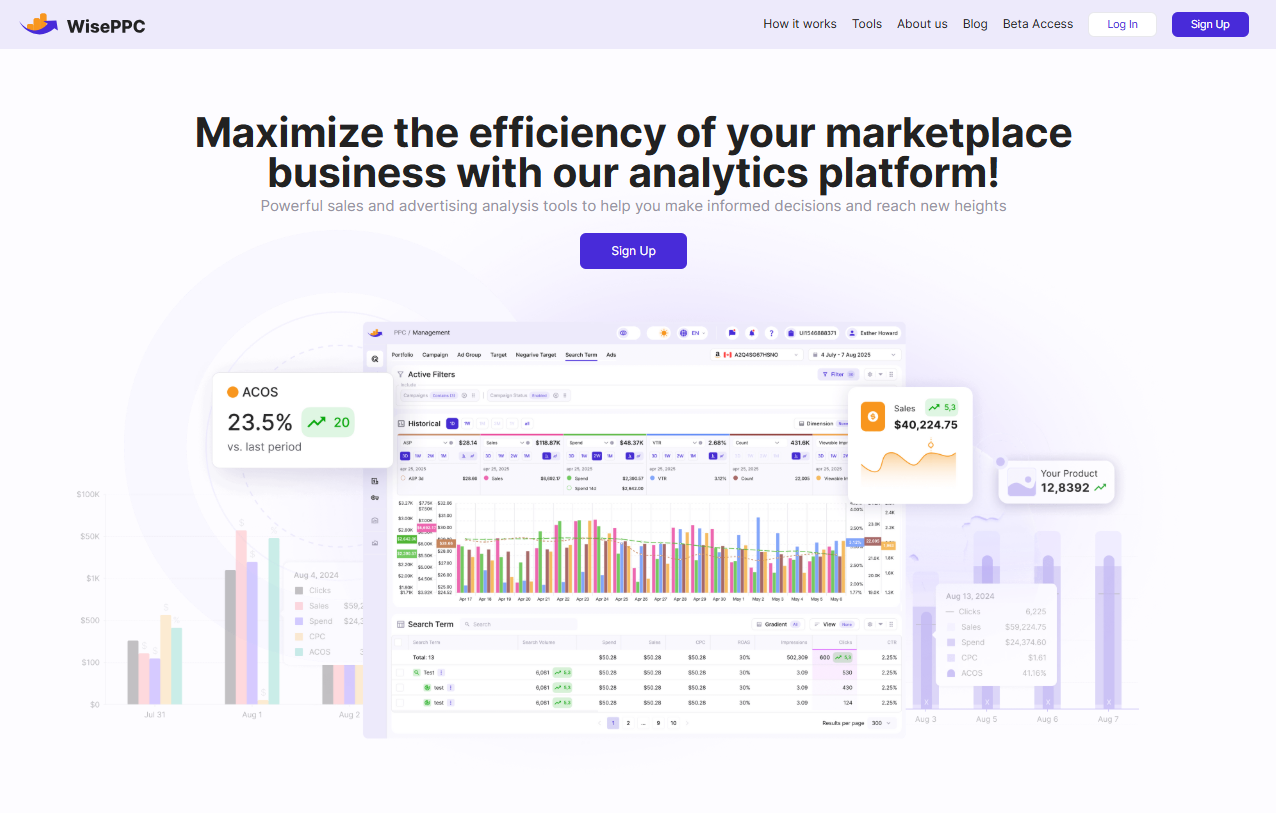
We built WisePPC to make learning Amazon advertising and marketplace analytics feel practical, not theoretical. As you work inside the platform, you can see how TACOS, ACOS, bids, keywords, and placements move in real time, then connect those changes to sales outcomes. We keep long-term history so you can study seasonality, test ideas, and review what actually worked months later. Instead of guessing, you learn by doing and get immediate feedback from the data.
We also design our tools to teach good habits. Bulk edits, on-spot campaign changes, and advanced filters encourage a simple workflow: investigate, adjust, measure, repeat. You can compare organic vs ad-driven sales to understand where growth comes from, and use multi-metric charts to learn how KPIs relate. Over time, teams pick up a repeatable process for analysis and optimization, which is the real goal of learning here.

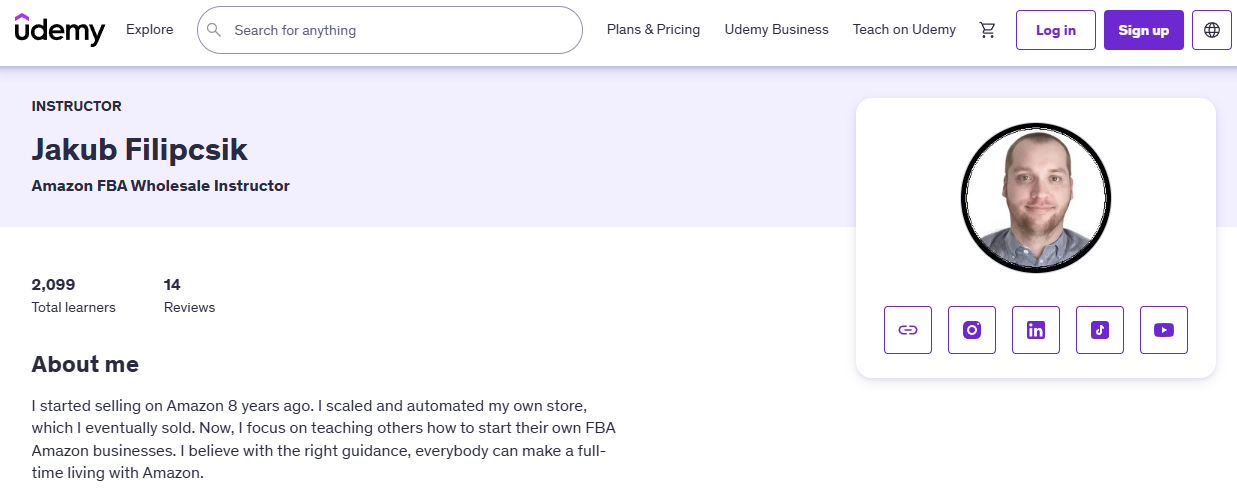
1. Amazon FBA Wholesale USA – Zero to Full-Time Income (Jakub Filipcsik)
This course focuses on the wholesale model for the U.S. marketplace. They explain how buying from brands and distributors differs from private label or dropshipping, and they keep the steps practical. The lessons walk through sourcing, basic profitability checks, and how to approach suppliers in a way that leads to account approval. They also show simple workflows for getting from first contact to first order without overcomplicating the process.
They cover day to day management too. Students see how to filter products, check demand, and avoid common beginner mistakes. The material includes the basics of setting up systems, tracking what works, and making small, steady improvements. The goal is a repeatable process that does not depend on guesswork.
Key Highlights:
- Clear overview of the Amazon wholesale model and how it works in practice
- How to find and contact real suppliers and request approvals
- Simple product analysis to check margins, demand, and risk
- Practical steps from first quote to first order and beyond
- Common pitfalls to avoid when starting wholesale
- Basic tool use to speed up research and monitoring
Best Fit For:
- New sellers who want a lower product risk path than private label
- Sellers shifting from retail or online arbitrage to wholesale
- Freelancers or small teams offering wholesale support services
- Anyone who wants a straightforward, step by step wholesale workflow
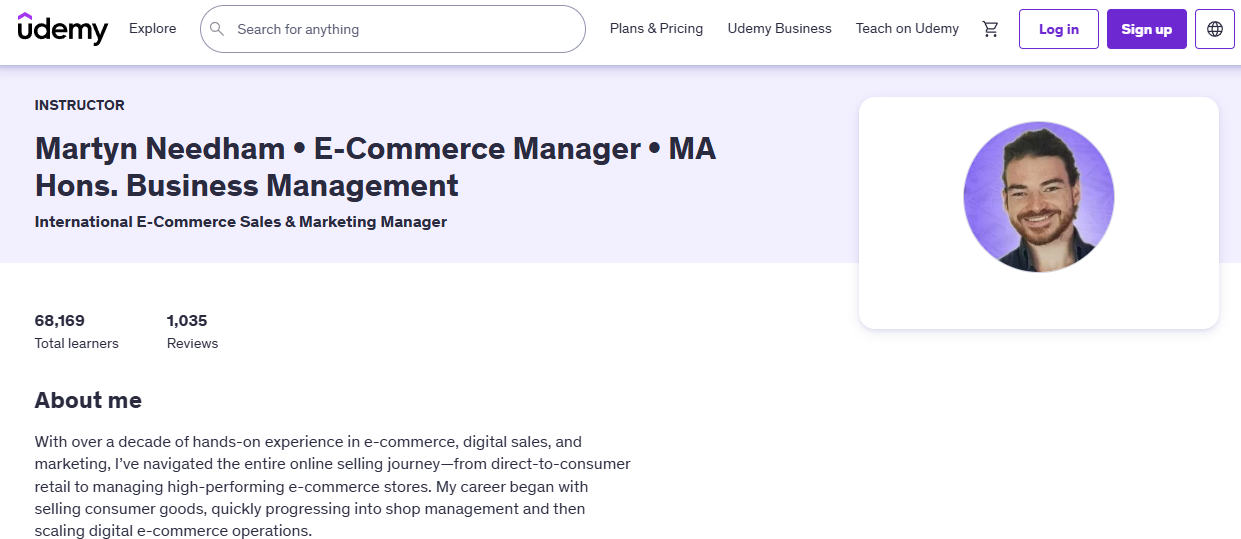
2. Amazon Virtual Assistant for Sellers – Full Course (Martyn Needham)
This course trains students to support Amazon sellers as virtual assistants. They focus on practical tasks a VA handles every week, like navigating Seller Central, managing simple shipments, answering customer messages, and keeping basic ad tasks organized. The lessons aim to build structure first, so students can track work, communicate clearly, and understand seller priorities.
They also include the building blocks for getting hired. Students learn how to present skills, reach out to sellers, and set up profiles on freelance platforms. There is guidance on keyword research, listing basics, and light data handling, so a VA can contribute to real tasks without needing to be an ads or SEO specialist from day one.
Key Highlights:
- Day to day Seller Central navigation and core VA workflows
- Customer service templates and tone guidelines
- Simple shipment setup and status tracking
- Basic ad console tasks and reporting support
- Keyword research and listing touch ups a VA can own
- Practical job search, portfolio, and outreach tips
Best Fit For:
- New VAs who want a clear task list they can execute
- Generalist assistants adding Amazon skills to their toolkit
- Career switchers who prefer hands on work over theory
- Freelancers who need a structured way to pitch and deliver
3. 2025 Amazon Ecommerce Marketing and Sales – Amazon SEO, Ads (Alex Genadinik)
This course brings the main growth levers into one place. They cover how Amazon search works, how the recommendation system can boost visibility, and how ads interact with both. The content sticks to the basics of keyword research, listing improvements that help conversion, and simple ad structures that support ranking and sales without heavy maintenance.
They also touch on choosing products, simple traffic plays like influencers or social posts, and a light intro to arbitrage. The focus stays on using a few methods well, then linking them together so search, recommendations, and ads reinforce each other. It is more about a workable system than a single tactic.

Key Highlights:
- Core Amazon SEO steps from keyword research to on page updates
- How recommendations work and what signals help visibility
- Simple ad setups that support ranking and sales
- Practical listing improvements to raise conversion
- Basic product selection filters to avoid poor picks
- Light coverage of external traffic and influencer outreach
Best Fit For:
- Sellers who want a connected plan across SEO, ads, and listings
- Newer brands that need a clear foundation before scaling spend
- Solo operators who prefer simple, repeatable workflows
- Teams who want a shared playbook instead of scattered tactics
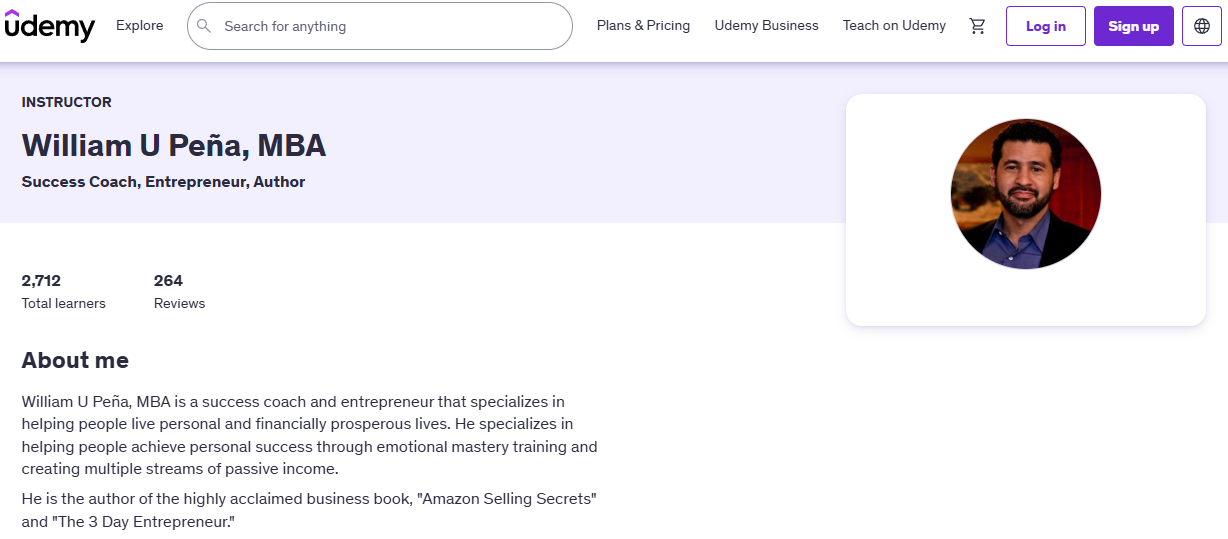
4. Amazon FBA Beginners Course – Start Earning Income Now! (William U. Peña, MBA)
They introduce a simple private label path for new sellers. The material focuses on picking a product, shaping a basic brand, and building a listing that covers the essentials. They keep the process step by step, from a quick product check to basic sourcing and first orders, without getting lost in theory.
They also cover the routine work that keeps a listing moving. Students see how to handle simple inventory tasks, respond to buyers, and make small listing updates to improve clarity. The aim is a workable starter setup that someone can manage on their own.
Key Highlights:
- Product picking basics and quick validation
- Simple brand and listing fundamentals
- Intro to sourcing with practical next steps
- Basic fulfillment and inventory routines
- Light customer service workflows
- Clear actions for a first launch
Best Fit For:
- First time sellers who want a clear starting path
- Solo operators who prefer simple steps over complex tactics
- People testing private label without a big setup
- Anyone who needs a plain language walkthrough
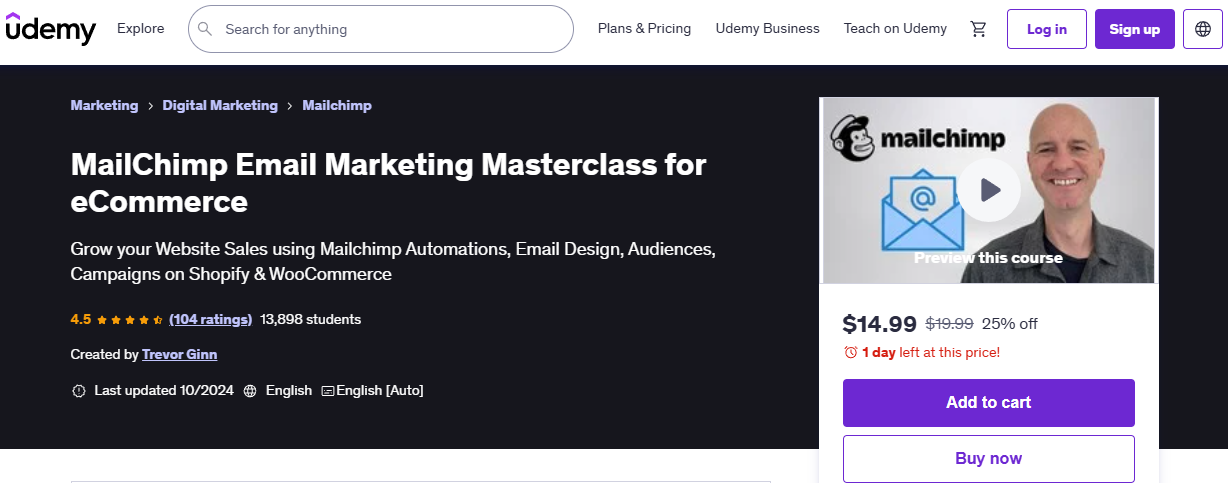
5. Selling on Amazon Complete Course: FBA, FBM, Sponsored Ads (Trevor Ginn)
They present a full tour of Seller Central from setup to daily operations. The content explains FBA and FBM in plain terms, then walks through listing creation, keyword choices, and basic pricing moves. It is practical and aims to get a product live without extra noise.
They also show how to manage orders, watch core performance metrics, and set up simple sponsored ads. The approach treats ads as part of the listing workflow rather than a separate topic. By the end, students have a map for handling the main tasks sellers face week to week.
Key Highlights:
- Account setup and marketplace basics
- FBA vs FBM explained with clear trade offs
- Listing creation and keyword groundwork
- Pricing, Buy Box factors, and simple checks
- Order management and core performance tracking
- Intro to sponsored products and upkeep
Best Fit For:
- New sellers who want a structured overview
- Small teams standardizing how they work in Seller Central
- Operators who need a single place to learn the basics
- Sellers who prefer a checklist style process
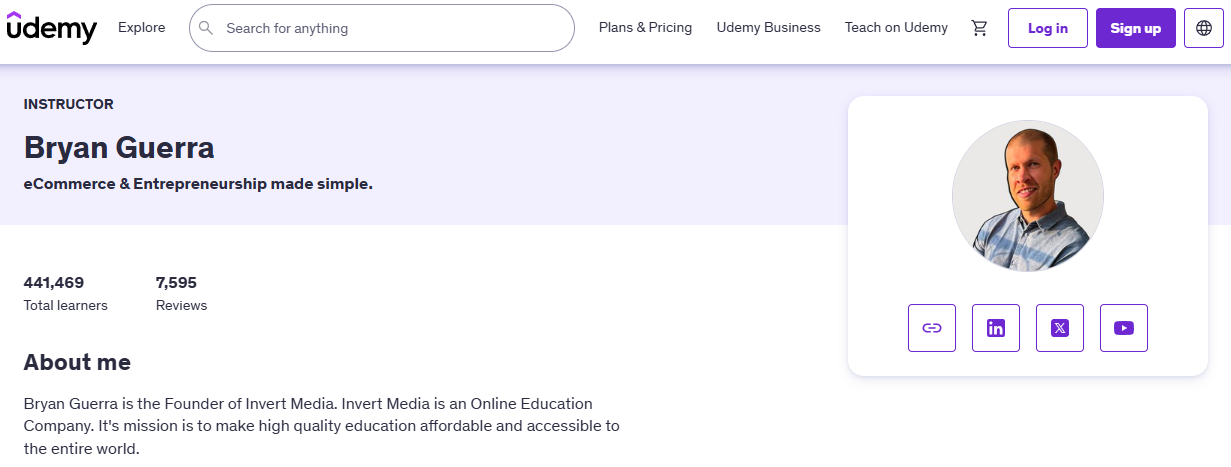
6. How to Start a Wholesale Amazon FBA Business with Software (Bryan Guerra)
They focus on wholesale from the tools side. The training shows how to source from supplier catalogs, apply filters, and flag items worth a closer look. Students see how software speeds the search, then learn the basics of reaching out to suppliers and getting set up for orders.
They also cover routine wholesale tasks like preparing shipments, using simple repricing rules, and keeping product data tidy. The course leans on repeatable steps so someone can process larger lists without manual guesswork.
Key Highlights:
- Wholesale model explained with practical sourcing steps
- Using software to scan catalogs and filter opportunities
- Supplier outreach basics and account approvals
- Preparing shipments and simple repricing workflows
- Inventory organization and data hygiene tips
- Repeatable routines to scale daily work
Best Fit For:
- Sellers moving from arbitrage to wholesale
- Operators who want a tool driven sourcing workflow
- People who prefer established brands over creating new ones
- Teams building a repeatable process for catalog based sourcing
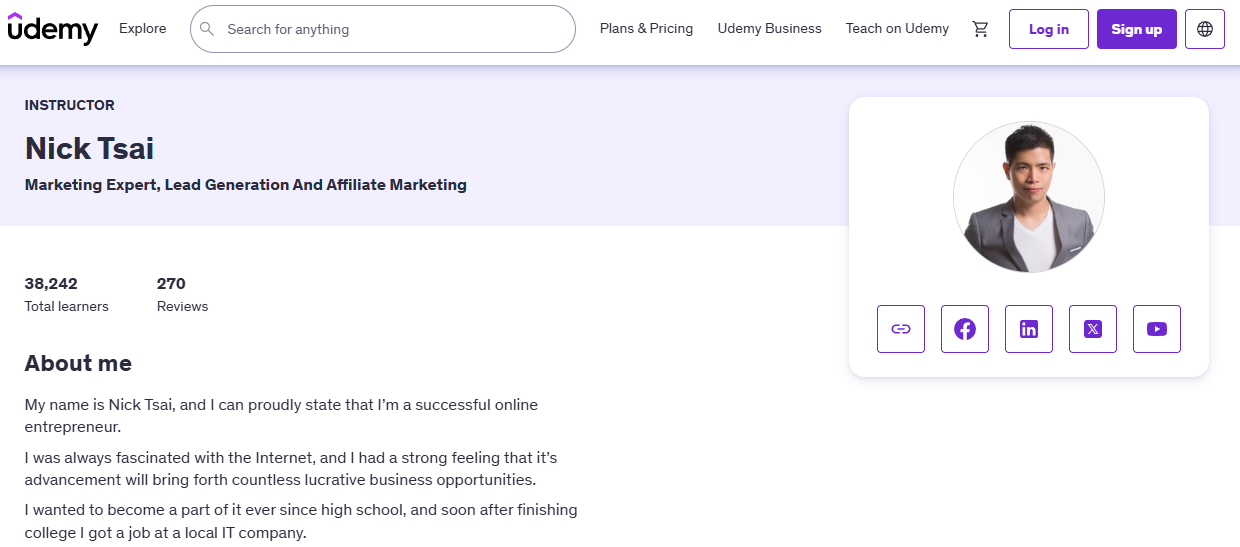
7. Amazon FBA: How To Sell On Amazon Using FBA Complete Guide (Nick Tsai)
This course is aimed at beginners who want to understand the basics of selling physical products on Amazon through FBA. The material goes through setting up an account, identifying products that may work well, and the basics of building listings. It also touches on how ads and social platforms can be used to draw more attention to a product, making the process less abstract for newcomers.
The structure is short and straightforward, with content that combines practical steps with general advice. Students get exposure to topics like finding suppliers, negotiating basic deals, and writing simple product pages. It does not go too deep into complex tools, keeping the focus on what someone starting out would need to know first.
Key Highlights:
- Account setup and product selection basics
- Listing creation with simple keyword and content guidance
- Intro to Amazon PPC and use of Facebook ads
- Supplier communication and negotiation tips
- SEO and traffic-building fundamentals for beginners
Best Fit For:
- People with no background in e-commerce
- Beginners who want a short guide to start selling on Amazon
- Sellers interested in private label basics
- Anyone looking for an easy introduction without technical detail
8. E-commerce and Amazon Crash Course (Hammad Saeed, PMP)
This course provides an overview of how e-commerce works and how Amazon fits into the wider picture. It introduces students to different selling models such as dropshipping and FBA, while keeping the explanations simple and clear. Rather than focusing only on Amazon, it outlines multiple online platforms and how sellers can approach them.
The Amazon portion explains how sellers can get started, what fulfillment methods exist, and the common cost elements involved. It is more of a broad roadmap than a detailed technical training, making it useful as a first step for those who want to see what options exist before committing.

Key Highlights:
- General overview of e-commerce and selling models
- Introduction to dropshipping and its mechanics
- Explanation of Amazon FBA and FBM fulfillment types
- Step-by-step outline of account setup and order flow
- Cost considerations when planning an Amazon business
Best Fit For:
- Beginners exploring different e-commerce models
- People who want a big-picture view before specializing
- Freelancers considering offering Amazon-related services
- Learners who prefer a short, conceptual introduction
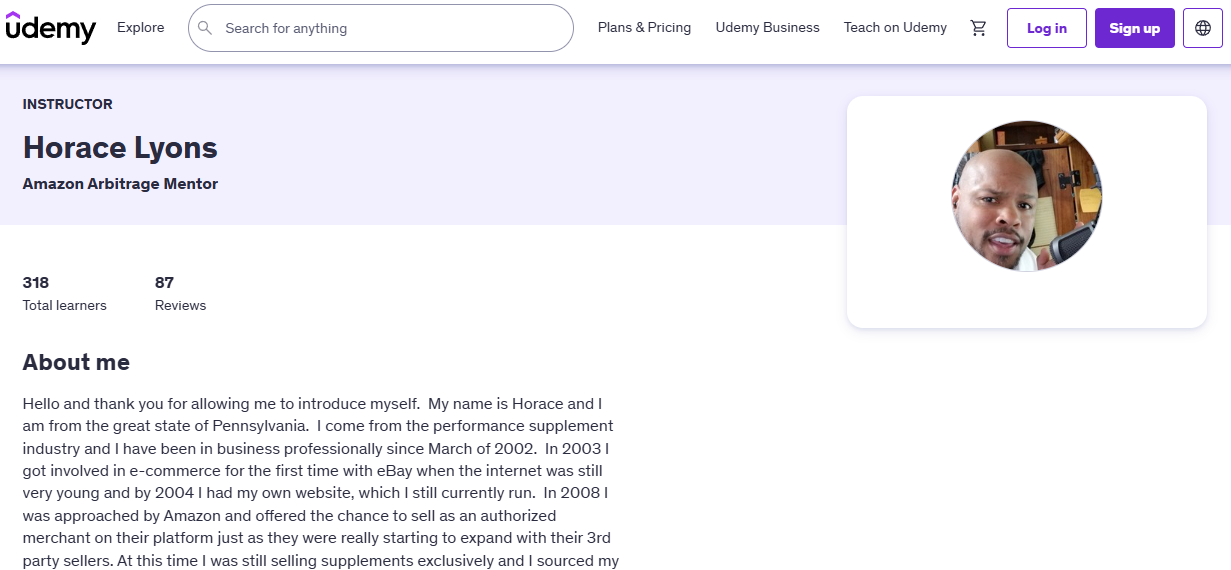
9. What To Sell On Amazon – 12 Module Arbitrage FBA Course (Horace Lyons)
This course centers on the arbitrage model, showing how to source existing products and resell them on Amazon. It breaks the process into small modules, from spotting deals and running basic profitability checks to listing products and sending them into FBA. The goal is to give learners a repeatable process they can follow without needing to create their own brand.
The teaching style uses practical demonstrations of finding products, packaging shipments, and handling costs. While short, it covers enough ground for someone to understand how arbitrage works and how to test it on a small scale before committing more time or money.
Key Highlights:
- Clear explanation of the arbitrage model on Amazon
- Methods for finding products and assessing profitability
- Step-by-step process for listing and creating shipments
- Cost and margin considerations when reselling products
- Basic strategy for running arbitrage as a side or full-time activity
Best Fit For:
- People interested in trying Amazon arbitrage
- Sellers who prefer low upfront investment compared to private label
- Beginners wanting a guided, modular approach
- Individuals looking for a practical system to test with minimal risk
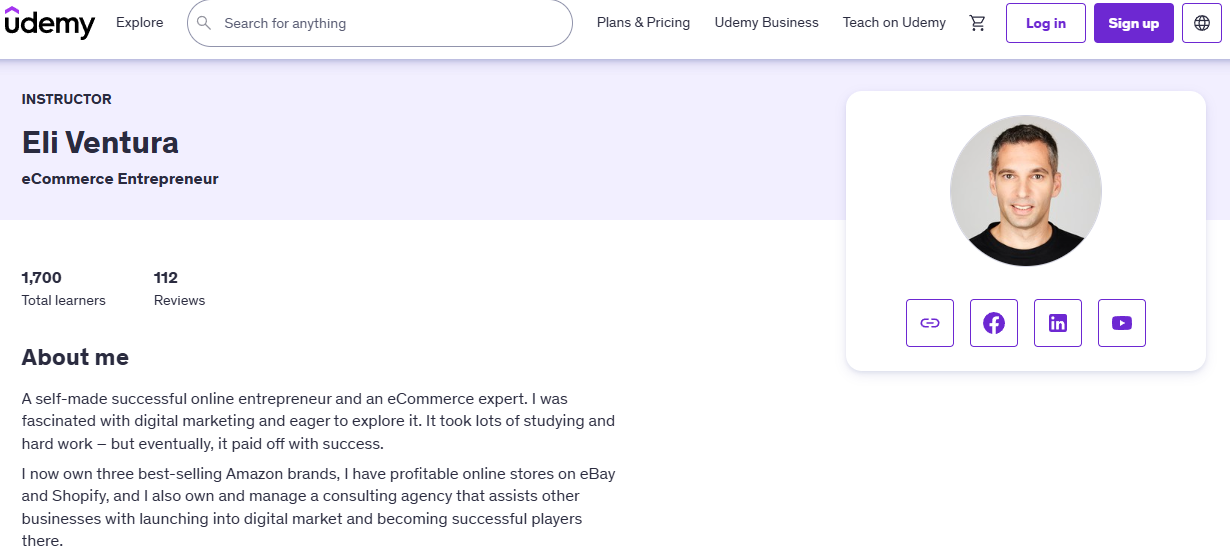
10. Sales Pro Forecast: How to Plan Your Amazon Growth Success (Eli Ventura)
This course focuses on planning and managing growth for Amazon private label sellers. It goes beyond basic selling tasks by showing how to calculate profit properly, account for expenses, and use forecasting to prepare for the year ahead. Learners are introduced to practical tools such as profit calculators and templates that help organize sales, costs, and inventory planning. The structure is built around making sense of numbers so that sellers can align decisions with actual performance.
In addition to finance and forecasting, the course touches on areas like pricing strategy, identifying seasonal trends, and daily business control. It also covers funding options, giving context on how sellers can use capital to support inventory growth. The content is aimed at sellers who already have some experience and are ready to manage their business with more structure and foresight.
Key Highlights:
- Profit calculation and expense tracking
- Forecasting sales with 12-month planning templates
- Using FBA calculators and Sellerboard for analysis
- Pricing strategies based on costs and competition
- Recognizing trends and adjusting inventory plans
- Funding approaches for scaling
Best Fit For:
- Private label sellers with at least some experience
- Entrepreneurs looking to plan inventory and cash flow
- Sellers who want to improve profitability tracking
- Those preparing to expand their Amazon business
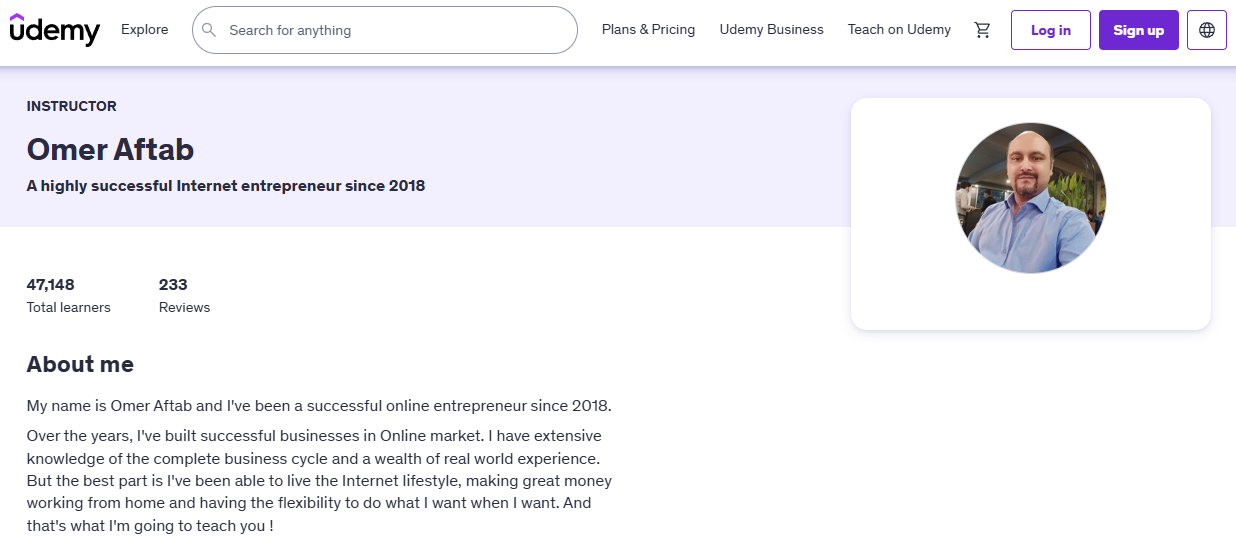
11. Sell on Amazon: FBA Product Research to Launching on Amazon (Omer Aftab)
This course walks through the process of starting an Amazon private label business, beginning with product research and ending with product launch. It explains how to evaluate demand and competition, source from suppliers, and handle the details of packaging and branding. Tools like Jungle Scout are used throughout the process to check profitability, track products, and compare options. The idea is to give students a full picture of what it takes to move from idea to live product.
The content also looks at practical steps such as setting up a Seller Central account, shipping goods to FBA, and creating optimized listings. Launch strategies are covered in detail, including how to get reviews, use promotions, and set up ad campaigns. The course does not assume prior experience, but it moves quickly through the full chain of tasks needed to run a private label operation.
Key Highlights:
- Product research methods using tools like Jungle Scout
- Supplier sourcing, negotiation, and inspections
- Packaging, branding, and brand registry basics
- Setting up business accounts and FBA shipments
- Listing creation with keyword research and images
- Launching products with reviews, deals, and ads
Best Fit For:
- Beginners looking for a full private label roadmap
- Sellers who want to understand sourcing and branding
- Entrepreneurs interested in a structured, step-by-step guide
- Learners who prefer tool-based demonstrations
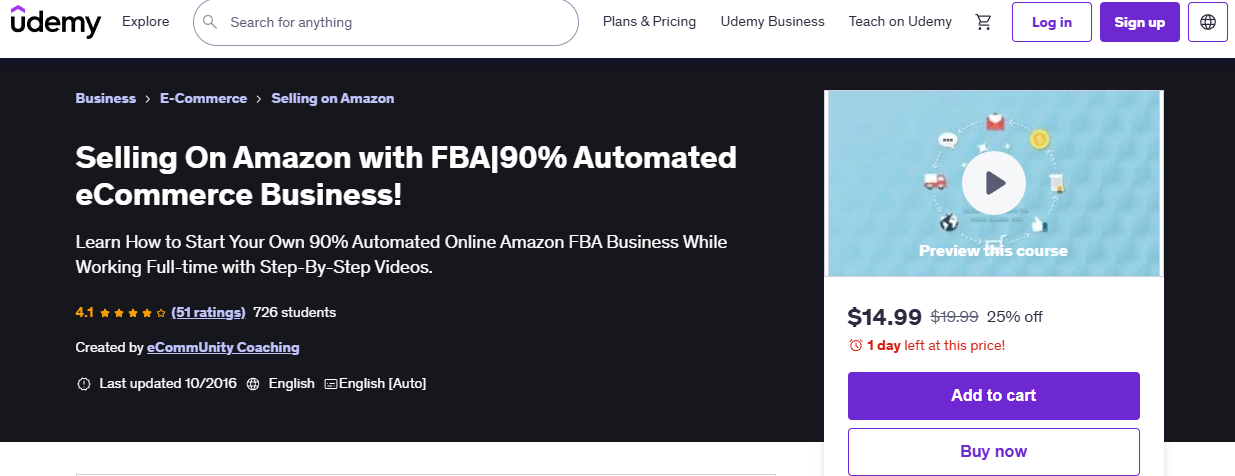
12. Selling on Amazon with FBA: 90% Automated eCommerce Business (eCommUnity Coaching)
This course introduces the concept of building an Amazon FBA business with a high level of automation. It emphasizes private labeling, showing how to choose products, find suppliers, and set up the business so that most logistics are handled by Amazon. The content is structured around making the process less time-intensive by outsourcing storage, delivery, and customer service. Students also get guidance on setting up listings and using keywords to improve visibility.
Alongside setup and optimization, the course talks about shipment organization, product advertising, and maintaining the business with minimal hands-on work. While the automation angle is highlighted, it still requires learners to manage product choice, supplier relationships, and ongoing decisions. The material is suitable for people who want a simpler entry into e-commerce while still controlling key aspects of the business.
Key Highlights:
- Private label product selection and supplier sourcing
- Shipment setup and FBA logistics
- Business and account configuration basics
- Listing optimization with keywords and descriptions
- Advertising strategies for visibility
- Guidance on running the business with reduced daily effort
Best Fit For:
- Beginners wanting an overview of the Amazon FBA model
- Sellers interested in automating logistics and operations
- People looking for a simplified approach to private label
- Learners who want a step-by-step introduction without heavy technical detail
Final Word
It’s clear that Udemy has no shortage of Amazon courses, but only a handful really deliver practical value. The ones we’ve looked at focus less on hype and more on the nuts and bolts of running a business: forecasting profits, sourcing products, managing listings, and keeping campaigns under control. They’re not magic shortcuts, but structured ways to build skills you can actually use.
If you’re serious about selling, the best approach is to treat these courses as starting points rather than final answers. Take the frameworks, test them with your own products, and keep adjusting as you go. Amazon changes quickly, and so does what works. The real learning happens when you apply the material, see where it holds up, and adapt it to your own strategy.
 No credit card required