
 EN
EN  ES
ES  FR
FR  DE
DE  IT
IT  KO
KO  JA
JA  ZH
ZH  AR
AR  PT
PT  TR
TR PL
PL
Selling on Amazon looks simple at first glance: pick a product, list it, and wait for sales. The catch is that not everything can be sold right away. Amazon places certain categories behind approval walls to protect buyers from counterfeits and unsafe goods. But here’s the good news, plenty of categories are still open, especially if you’re just getting started. In this guide, we’ll cut through the noise and show you exactly which products you can sell without going through the approval process, why some items are gated, and what that means for your business.
Understanding Gated vs. Ungated on Amazon
Gated categories are product areas where Amazon requires sellers to prove eligibility before they can list items. This often means submitting invoices, brand authorizations, or certifications. Gated categories include things like jewelry, collectible coins, fine art, and luxury watches.
Ungated categories, on the other hand, are wide open. Anyone with a professional seller account can list products in these categories as long as they follow Amazon’s general policies. They’re designed to be lower risk, easier to monitor, and safer for both buyers and sellers.
It’s also important to note that even within ungated categories, some subcategories or specific brands may still be restricted. For example, the Toys & Games category is usually open, but during the holiday season Amazon applies extra requirements.
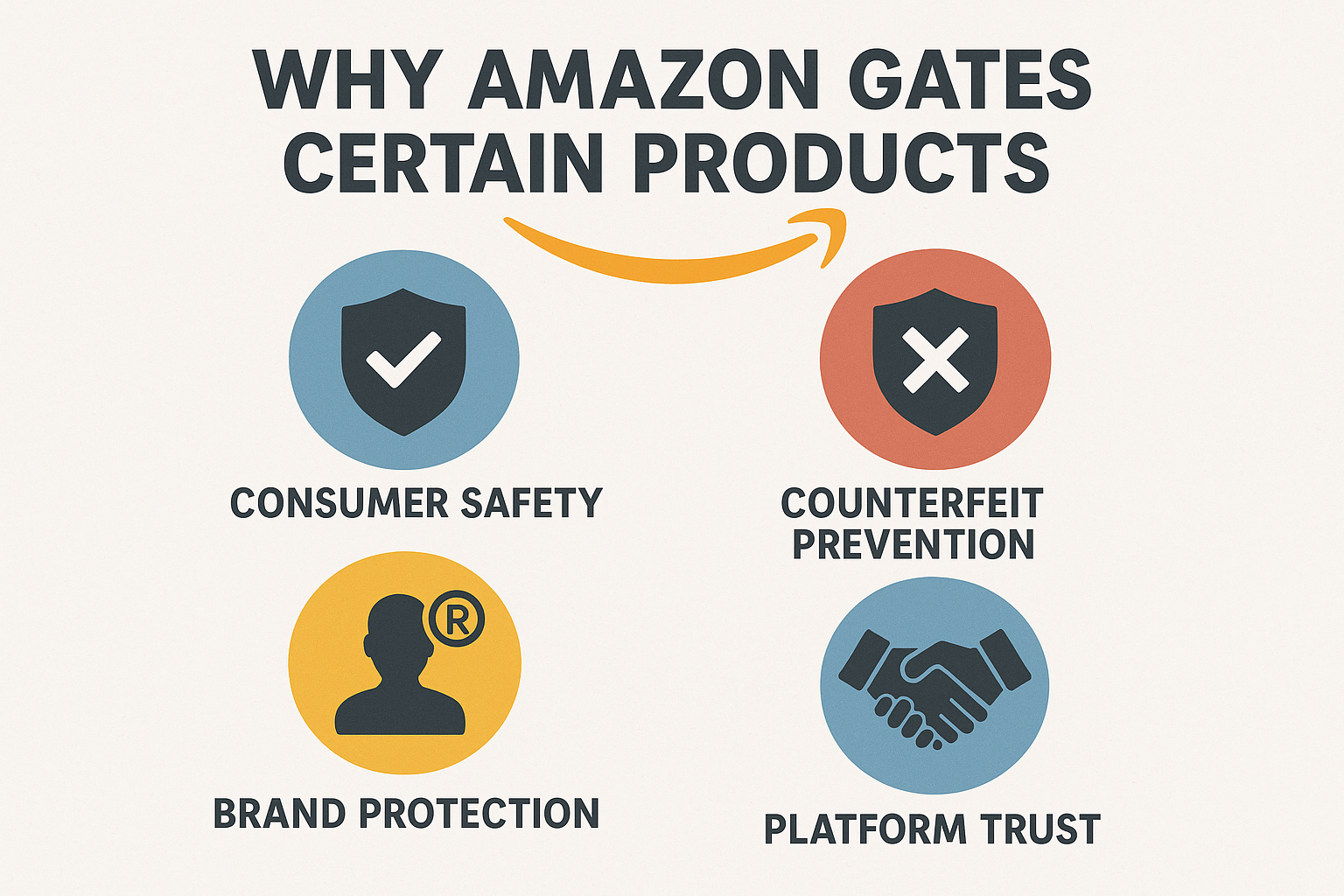
Why Amazon Gates Certain Products
It might seem like Amazon is putting up roadblocks, but restrictions are really about protecting the ecosystem.
- Consumer safety: Items like cosmetics, supplements, and electronics need to meet safety standards. Gating helps make sure only compliant products reach customers.
- Counterfeit prevention: High-value goods such as watches, collectibles, and DVDs are easy targets for fakes, so Amazon keeps a close eye on them.
- Brand protection: Many brands want control over who sells their products. By asking for proof of authorization, Amazon respects those agreements.
- Platform trust: Ultimately, Amazon’s reputation depends on buyers feeling confident. Restrictions reduce risk and keep the marketplace reliable.
For new sellers, this explains why ungated categories exist in the first place and why they’re often the simplest way to begin.
Examples of Ungated Categories
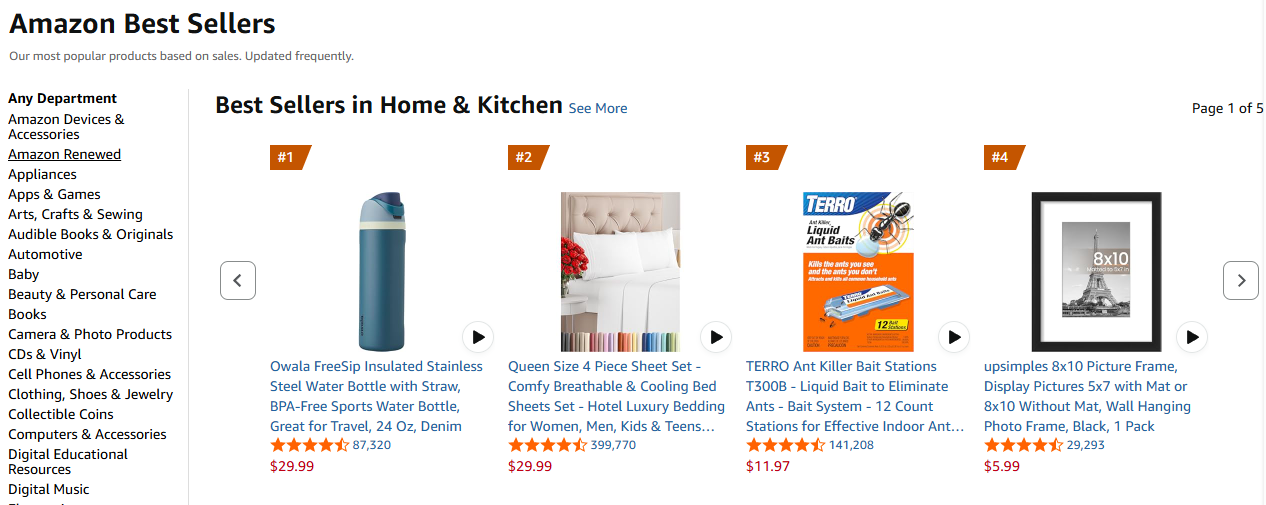
So, what can you sell without approval? While Amazon has plenty of gated areas, there are still many open categories that let you list products right away. These are some of the most accessible:
- Books (non-collectibles): Selling new or used books is one of the easiest ways to get started. It’s how Amazon began as a company, and the category is still ungated. Collectible or rare editions require approval, but everyday titles are wide open.
- Home & Garden: This category covers a huge range of items, from kitchen tools and bedding to planters and outdoor lighting. It’s popular year-round and has endless opportunities for finding simple, practical products.
- Cell Phones & Accessories: Generic accessories like phone cases, chargers, and screen protectors are typically unrestricted. Just keep in mind that branded items (Apple, Samsung, etc.) may still require approval.
- Sports & Outdoors: Think yoga mats, resistance bands, water bottles, or camping gear. These are usually ungated and appeal to a wide customer base, making them great entry points.
- Musical Instruments: Beginner-level instruments and accessories such as guitar strings, drumsticks, or keyboards are generally open. Professional equipment may have more restrictions, but the basics are available to new sellers.
- Tools & Home Improvement: Everyday tools, hardware, and small DIY products are usually ungated. There’s steady demand here as people are always working on projects around the house.
- Office Products: From stationery and organizers to filing cabinets and desk supplies, this category is broad and often ungated. Some subcategories involving electronics may still have restrictions, but the basics are easy to sell.
Together, these categories give new sellers plenty of room to test ideas, list products quickly, and start learning how Amazon works without running into frustrating approval barriers.
Full List of Gated Categories on Amazon
While ungated products give you an easy entry point, plenty of categories remain gated. These require Amazon’s approval before you can list items in them. Approval often means providing invoices, brand authorization letters, or proof of compliance with regulations.
Here’s the current list of gated categories most sellers will come across:
- Alcohol
- Animals & animal-related products
- Collectible coins
- Cosmetics and skin/hair care
- Personal safety and household products
- Fine art
- Holiday selling in Toys & Games (Q4 restrictions)
- Jewelry
- Amazon Subscription Boxes
- Made in Italy products
- Music & DVD
- Automotive & Powersports (some categories)
- Services (home services, installation, etc.)
- Sports collectibles
- Streaming media players
- Video, DVD & Blu-ray
- Watches
It’s also worth noting that brand gating applies across multiple categories. Even if the category itself is open, certain brands (especially luxury, designer, or high-profile ones) are restricted. Without brand authorization, you can’t list them.
For new sellers, this list is a reminder: if you stick to ungated categories in the beginning, you can save yourself the hassle of applying for approval and focus on building your account’s performance first.

How WisePPC Helps Sellers Navigate Gated and Ungated Categories
Knowing which products are gated is just the first step. The real challenge for sellers is figuring out how to spend their time and budget wisely once they start listing products. That’s where we come in at WisePPC.
We’re an Amazon Ads Verified Partner, which means our platform meets Amazon’s standards for expertise, data accuracy, and compliance. More importantly, it means you can trust that the insights we provide are directly aligned with Amazon’s own systems.
Our toolkit was built to take the guesswork out of selling. With more than 30 metrics tracked in real time, you can quickly see how your ads are performing, which products are driving sales, and where your money might be going to waste. Instead of juggling spreadsheets or waiting for outdated reports, you get a live view of your campaigns and sales across Amazon and other marketplaces.
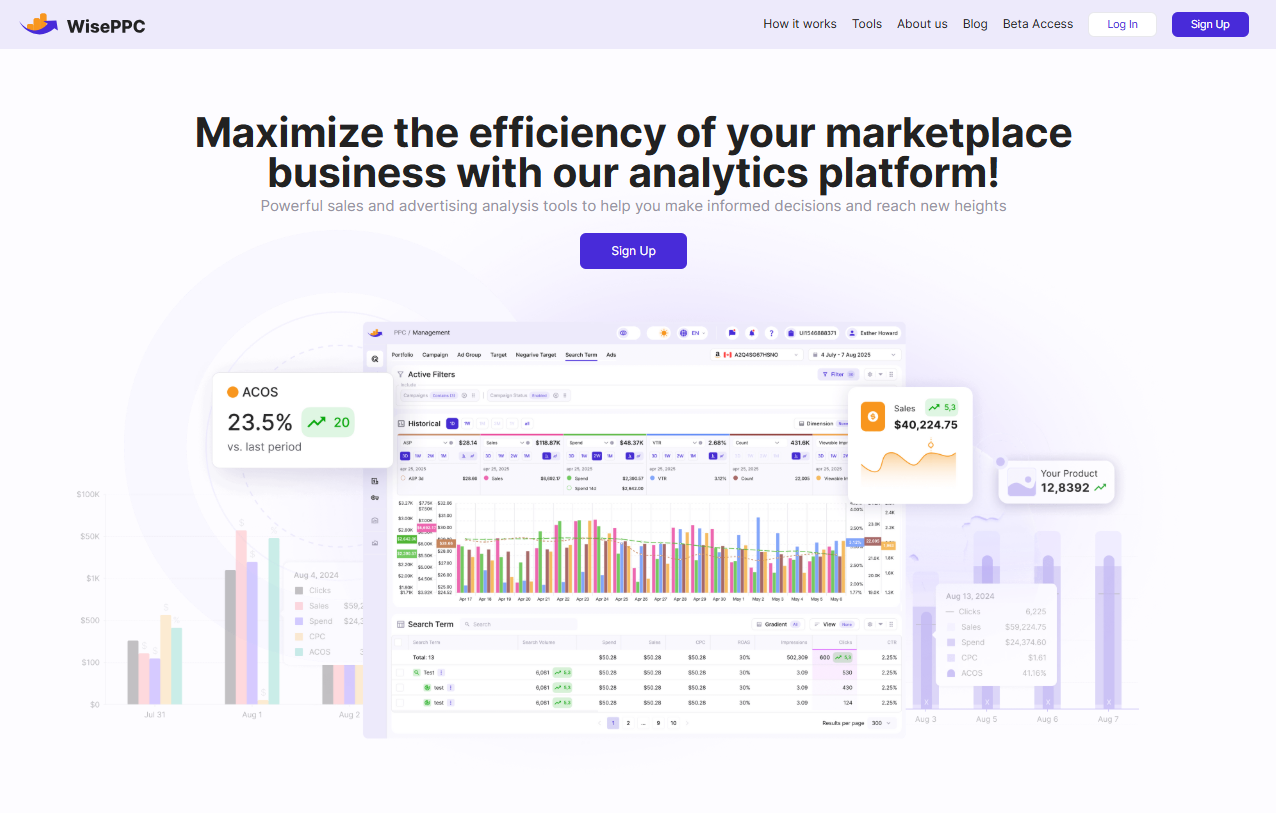
Some of the advantages sellers gain with WisePPC:
- Centralized analytics: View ad performance, organic sales, and conversions in one place without relying on multiple third-party tools.
- Automated optimization: Get clear signals on which campaigns need attention, from wasted ad spend to underperforming keywords.
- Scalability: Whether you’re testing a handful of products in ungated categories or managing thousands across different accounts, our platform grows with you.
- Historical data access: Unlike Amazon’s 60–90 day limit, we store your data for years, giving you long-term insights into trends and seasonality.
- Real-time decision making: Metrics like TACoS, ACOS, CTR, and profit are updated live so you can adjust before small problems become costly.
We know that selling on Amazon can be overwhelming, especially when you’re still figuring out the difference between gated and ungated categories. Our goal at WisePPC is to simplify that process. By combining powerful analytics with intuitive tools like bulk updates, advanced filters, and placement performance analysis, we give you the clarity to focus on what matters most: growing your business.
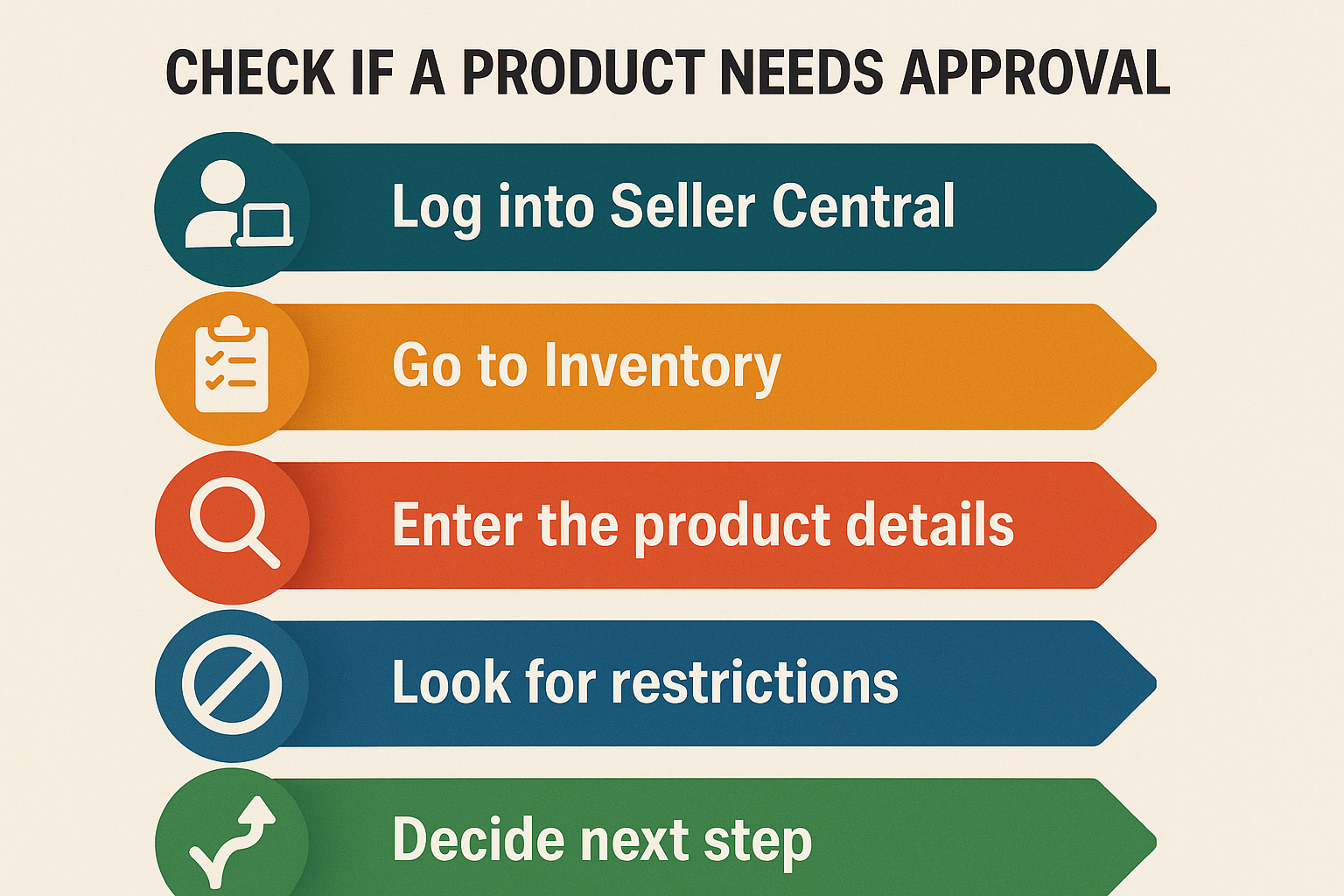
How to Check If a Product Needs Approval
Amazon makes it relatively straightforward to see whether a product requires approval, but it’s worth getting comfortable with the process before you start sourcing inventory. Here’s how it works:
- Log into Seller Central. Head to your Amazon Seller Central account, where all product listings are managed.
- Go to Inventory. From the main menu, select Inventory and then choose Add a Product.
- Enter the product details. You can search using a product identifier like a UPC, ASIN, ISBN, or EAN. This step lets Amazon pull up the exact item.
- Look for restrictions. If the product falls into a gated category, you’ll see a message such as “Show Limitations” or “Listing Limitations Apply.” Clicking this will reveal what kind of approval you need.
- Decide your next step. You can either apply for approval right away or choose to move on and focus on products that are ungated.
While this manual method works, it can get repetitive if you’re researching dozens of products. That’s where third-party tools save time. These platforms scan listings for you and highlight restrictions in advance, so you don’t waste money on inventory you can’t sell. Some even offer bulk restriction checkers, letting you analyze thousands of ASINs at once.
For new sellers, combining Seller Central’s built-in checks with one of these tools is usually the most efficient way to avoid surprises.
Why Some Sellers Still Go After Gated Categories
Ungated products are the obvious entry point, but as sellers gain more experience, many look toward gated categories. The appeal is clear. These areas often have less competition, since not everyone can get approved to sell in them. With fewer sellers fighting for the same buyers, profit margins can be higher and the market a little less crowded.
Gated categories also tend to attract more specialized niches. Luxury watches, fine art, and high-end collectibles are examples where customers are willing to pay more and expect a higher level of trust. Being able to operate in these spaces not only opens doors to premium markets but also signals credibility. When customers see that you’re approved to sell in restricted areas, it adds weight to your reputation as a professional seller.
That said, jumping straight into gated categories isn’t always the smartest move. The approval process can be demanding, and the risks are higher if you don’t yet know how to navigate Amazon’s systems. For most new sellers, the smarter strategy is to first build a solid track record in ungated categories, then use that experience to move into restricted markets later on.
Benefits of Selling Ungated Products
Starting with ungated categories gives you a smoother, less stressful path into Amazon selling. Instead of wrestling with paperwork or waiting weeks for a response, you can focus on actually learning the ropes. Some of the biggest advantages include:
- Faster start: With ungated products, you don’t have to sit around waiting for Amazon’s approval process. You can list items right away and start seeing how the system works from day one.
- Lower barriers: There’s no need to submit invoices, letters of authorization, or compliance documents. That means less upfront hassle and lower startup costs.
- Practice ground: Open categories give you space to experiment. You can learn how to create listings, manage stock levels, test advertising campaigns, and figure out how to respond to customer feedback without the added stress of strict restrictions.
- Reduced risk: Since the compliance requirements are lighter, there’s less chance of accidentally breaking rules that could suspend your listings. This makes ungated categories especially appealing for new sellers still building confidence.
The real value goes beyond convenience. By starting in ungated categories and proving you can sell successfully, you build account history and credibility. Over time, that positive track record can make it much easier to get approved for gated categories if you decide to branch out later.
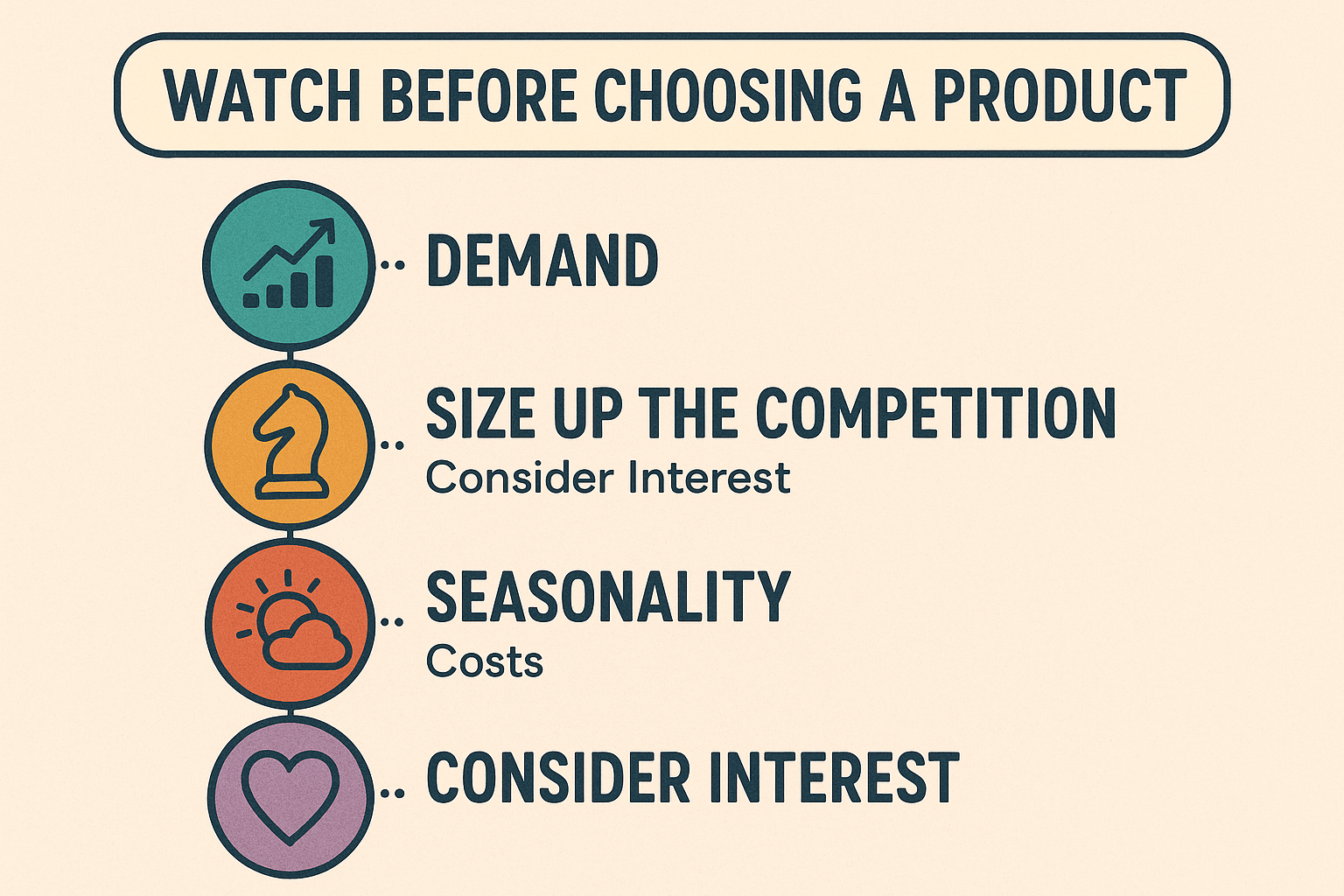
Things to Watch Before Choosing a Product
Even if a product falls into an ungated category, that doesn’t automatically make it a smart choice. Success on Amazon depends on more than just eligibility. Here are a few factors every seller should weigh before committing to a product.
1. Check the Demand
Start with the basics: are people actually buying this item? Tools that show keyword search volume or sales estimates can help you measure demand. If a product has little to no activity, it may not be worth the effort, no matter how easy it is to list.
2. Size Up the Competition
High demand usually attracts lots of sellers. Before you dive in, look at how many competitors are already offering the same product. If the top listings are crowded with established sellers with thousands of reviews, it can be tough to break in. On the flip side, products with steady demand but only a handful of sellers can present great opportunities.
3. Think About Seasonality
Some items sell all year, while others spike only during certain months or holidays. Seasonal products can be profitable, but they also tie up capital and storage space until the right time of year. If you’re just starting out, steady year-round products often provide a smoother learning curve.
4. Understand the Costs
It’s not just about the purchase price. Factor in shipping fees, Amazon storage costs, fulfillment charges, and returns. A product that looks profitable on paper can quickly shrink to razor-thin margins once all expenses are accounted for.
5. Consider Your Interest and Knowledge
Selling something you understand or care about can make the process easier and more sustainable. When you’re familiar with the product, you’re better equipped to write strong listings, answer customer questions, and spot quality issues before they become problems.
Final Thoughts
Selling on Amazon without approval is not only possible, it’s often the best way to start. By focusing on ungated categories like books, home goods, or sports equipment, you can list products quickly, avoid compliance headaches, and start generating revenue right away.
As you gain experience, you’ll learn the ins and outs of product research, inventory management, and Amazon’s policies. That foundation makes it much easier to eventually branch into gated categories if you choose.
The key takeaway is simple: don’t overcomplicate things at the beginning. Start where the barriers are lowest, focus on products you can sell today, and build momentum from there.
Frequently Asked Questions
What does “ungated” mean on Amazon?
Ungated simply means you don’t need special approval from Amazon to sell in that category. You can list products right away without submitting invoices or authorization letters.
Can I sell branded products in ungated categories?
Sometimes, yes. While the category may be ungated, certain brands within it are still restricted. For example, phone cases are generally open, but cases from Apple or Samsung may require brand approval. Always check the specific ASIN before sourcing.
Which categories are ungated for new sellers?
Common ungated categories include Books (non-collectibles), Home & Garden, Office Products, Tools & Home Improvement, Sports & Outdoors, and Musical Instruments. These are usually the easiest places to start.
Are ungated categories less profitable than gated ones?
Not necessarily. Ungated categories often have higher competition, but they also cover huge markets like home goods and office supplies. With the right product research, sellers can still find profitable niches.
Can I get auto-approved for gated categories later?
Yes. Once you’ve built up a solid selling history with good account health, Amazon sometimes grants automatic approval for certain categories. This makes starting with ungated products a smart long-term strategy.
How do I check if a product is gated?
You can log into Seller Central, go to “Add a Product,” and enter the ASIN or UPC. If it’s gated, you’ll see a “Listing Limitations Apply” notice. Third-party tools like Helium 10, AMZScout, or Seller Assistant can also flag restrictions instantly.
 No credit card required