
 EN
EN  ES
ES  FR
FR  DE
DE  IT
IT  KO
KO  JA
JA  ZH
ZH  AR
AR  PT
PT  TR
TR PL
PL
Every day, thousands of products make their way back to Amazon warehouses. Some are unopened and perfectly fine, others are scratched, missing parts, or just unwanted. Instead of sending all that stock to the trash, Amazon groups these returns into large pallets and sells them off in bulk. For resellers, that’s both a challenge and an opportunity. Buying return pallets can feel like a gamble, but it’s also a proven way to source low-cost inventory. The trick is knowing where to find them, what’s usually inside, and how to spot the difference between a bargain and a headache. In this guide, we’ll walk through the essentials so you can decide if diving into the world of Amazon return pallets makes sense for your business.
What Return Pallets Are and How the Supply Chain Works
A return pallet is a bulk lot of customer returns, shelf pulls, or overstock. The mix depends on where the load came from and how it was sorted. Items are graded by condition and grouped into pallets or truckloads. Those lots are then sold through liquidation platforms, auction sites, or regional warehouses. Some pallets are manifested with detailed line items. Some are mystery lots with only a category label and a weight.
The model exists because processing single returns is expensive. Liquidation moves inventory fast, recovers a slice of value, and clears space. That is why you see everything from phone accessories and coffee makers to patio furniture and apparel in these lots. Variety is the norm.
Who This Model Fits and Who Should Skip It
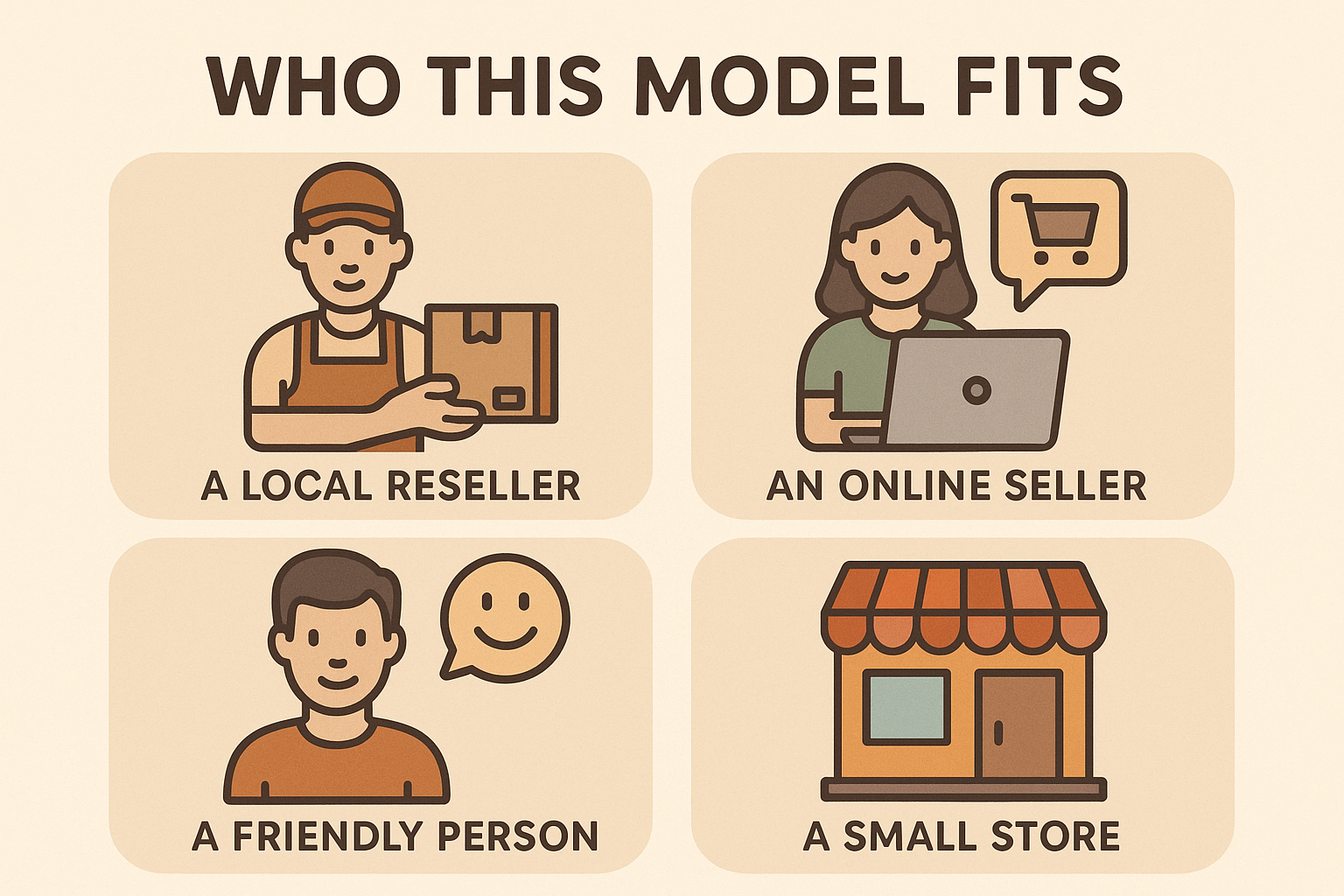
Return pallets reward the seller who can sort, test, and move product quickly. You do not need a massive operation to start, but you do need time, some space, and a plan for different outcomes. This path can make sense if you are one of these:
- A local reseller who already sells on Facebook Marketplace, eBay, or at flea markets
- An online seller with experience listing, shipping, and handling returns
- A repair friendly person who can test electronics and replace missing parts
- A small store or bin shop that thrives on constant new stock and fast turnover
If you have no storage, no time for sorting, or zero tolerance for uncertainty, this is a poor fit. The fastest way to lose money is to bid emotionally, stash the pallet in a corner, and hope it sells itself.
Where to Buy Without Gambling Your Budget
You have three broad sourcing routes. All can work. The right choice depends on your budget, location, and risk tolerance.
1. Official or Partner Liquidation Exchanges
These are business friendly marketplaces that handle returns and overstock for major retailers. You will see auctions and fixed price options, with shipping quotes and manifests on many lots. Registration is usually required, and some exchanges ask for a resale certificate.
Pros
- Better documentation and chain of custody
- Frequent access to manifested pallets
- Clearer shipping options and terms
Cons
- Competition in auctions can push prices up
- Some accounts require business documentation
2. Multi Retailer Platforms and Auctions
These sites mix pallets from Amazon and other big box chains. Selection is broad. Some lots are manifested, some are not. Expect to see both fixed price and auctions.
Pros
- Wide variety of categories and conditions
- Frequent inventory turnover
Cons
- Quality varies by seller and location
- Shipping can erase margins if you do not plan it
3. Local Warehouses, Bin Stores, and Private Sellers
If you live near a liquidation warehouse or bin store, you can hand pick a pallet or buy smaller carts. Facebook Marketplace and regional dealers sometimes list single pallets for pickup.
Pros
- No freight costs and faster access
- You can often inspect in person
Cons
- Inventory is hit or miss
- Private sellers sometimes cherry pick the best items
Tip for Every Channel
- Ask for real photos of the actual pallet, not stock images
- If there is a manifest, request the file. If there is no manifest, price in the risk
- Verify who owns the inventory and how returns are handled. Sales are usually final

How WisePPC Helps You Maximize Pallet Reselling
Finding and buying return pallets is only step one. Once you’ve got the inventory, the real challenge is figuring out pricing, deciding where to list items, and making sure ad spend doesn’t drain your margins. That’s where we come in. At WisePPC, we built a toolkit designed to simplify marketplace selling so you can focus on moving products, not wrestling with ads.
Because we are an Amazon Ads Verified Partner, WisePPC connects directly to your seller account with official integrations. Your data stays accurate, refreshed in real time, and aligned with Amazon’s standards. No exports, no manual spreadsheets, just a single dashboard where you can monitor more than 30 key performance metrics across ads and sales.
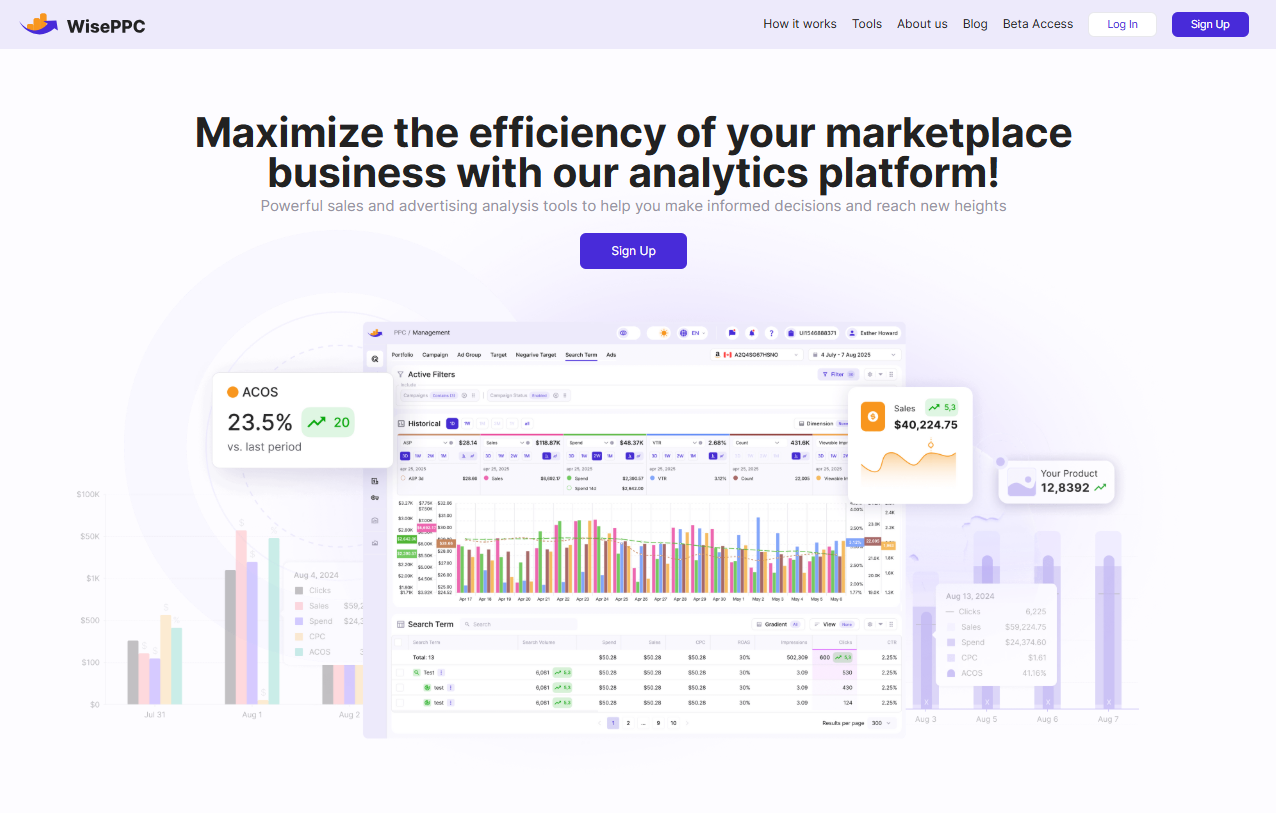
Here’s why that matters if you’re reselling return pallets:
- Stay Focused on Returns, Not Ads: The product mix from pallets is unpredictable. Some items move quickly, others need a push. With WisePPC, you immediately see which listings are performing and which ones need attention, so you don’t burn hours in guesswork.
- Smarter Campaign Management: Use bulk actions to pause weak ads, raise bids, or edit thousands of targets at once. Instead of clicking through endless campaign screens, you make changes in seconds and move on.
- Long-Term Data Access: Amazon only keeps 60–90 days of history. WisePPC stores years of performance data, letting you spot seasonal patterns, compare categories, and make informed decisions about what types of pallets pay off long term.
- Deeper Insights at Scale: Advanced filtering, placement analysis, and gradient-based highlighting make it easy to see what’s working, down to keywords, ad groups, or even specific placements. You can test strategies without losing the bigger picture.
- Real-Time Profit Tracking: Track TACOS, ACOS, CTR, and average selling price (ASP) as it happens. That means faster adjustments and less wasted spend, even if you’re juggling hundreds of SKUs from different pallets.
We designed WisePPC as a convenient instrument for sellers who want clarity. For pallet resellers, that often means turning what looks like a chaotic mix of products into a repeatable system: clear winners identified, ad spend under control, and margins protected. Instead of being distracted by campaigns, you can focus on processing, repackaging, and actually selling your returns.
Manifested vs Unmanifested Pallets
A manifest is the cheat sheet that lists items, quantities, and sometimes condition codes and estimated retail price. Not all manifests are perfect, but a decent one reduces surprises.
- Manifested pallets cost more upfront, but they come with the kind of visibility that makes it easier to run numbers and plan your resale strategy. You can see exactly what categories are inside, check resale prices in advance, and spot any items that might be missing accessories. For new buyers or anyone selling online, manifested pallets are the safer bet. They allow you to test your system without gambling on what’s under the shrink wrap.
- Unmanifested pallets, on the other hand, are cheaper but come with a lot more risk. You might score big with high value items, or you might end up with boxes of phone cases and broken gadgets. Experienced buyers who sell locally often take these on because they can spot value quickly, process items fast, and accept the gamble that comes with mystery lots.
If you are new, start with manifested. Learn how your numbers translate to real outcomes. When you have a proven system, you can add a mystery lot now and then.
How to Read a Manifest and Forecast Profit
The trick with manifested pallets is not just looking at the retail value but translating it into what you can realistically sell items for. Here’s a simple process that keeps you grounded:
- Sample the list: Pick items across categories and price points instead of focusing only on the most expensive pieces.
- Check real resale values: Use eBay sold listings, current Amazon offers, and even local platforms like Facebook Marketplace. Ignore MSRP and focus on what buyers are actually paying.
- Create a worksheet with columns for:
- Item and quantity
- Expected resale price per unit
- Recovery rate by condition (new, like new, used, salvage)
- Notes on missing parts or defects
- Estimated fees, shipping, and supplies
- Calculate totals: Add up your expected resale value. Then subtract pallet cost, freight, platform fees, packing materials, and a rough value for your time.
What you’re left with is your profit band, a realistic window of what that pallet can deliver. As a rule of thumb, many buyers aim for a total landed cost that’s no more than 20 to 30 percent of the manifest’s MSRP. That buffer leaves room for items that don’t sell, unexpected repairs, or price drops.
This isn’t a perfect science, but it beats guessing. Over time, you’ll get faster at reading manifests, spotting which categories are worth bidding on, and knowing when to walk away.
Shipping and Logistics Without Headaches
Freight is where many first timers lose money, so it pays to do your homework before placing a bid. Always check the shipping estimate and make sure you understand the delivery type. If the pallet is going to a residential address, you’ll probably need a liftgate service to get it off the truck, and that usually comes with an extra charge. If you ask for inside delivery, that’s another add on. The cheapest option is delivery to a dock or warehouse, so if you have access to one, or a friend with a forklift, you’ll save yourself both money and stress.
Space is another factor new buyers often underestimate. A single pallet footprint is roughly 4 by 4 by 6 feet and can weigh anywhere from 500 to 800 pounds. Multiply that by two or three pallets and suddenly your garage feels like a warehouse. Beyond raw space, you’ll need a staging area where you can unpack, test, clean, and repackage items.
It’s worth investing in some basic storage infrastructure early. Shelving units, stackable bins, and a labeling system will pay for themselves in sanity alone. Without a setup, you’ll end up stepping over cords, mixing parts between products, and wasting time trying to figure out what’s sellable and what still needs attention. Think of logistics not just as getting the pallet to your door but also managing the flow of inventory once it’s inside. A little preparation here makes the entire process smoother and protects your margins.
Condition Grades and What They Mean in Practice
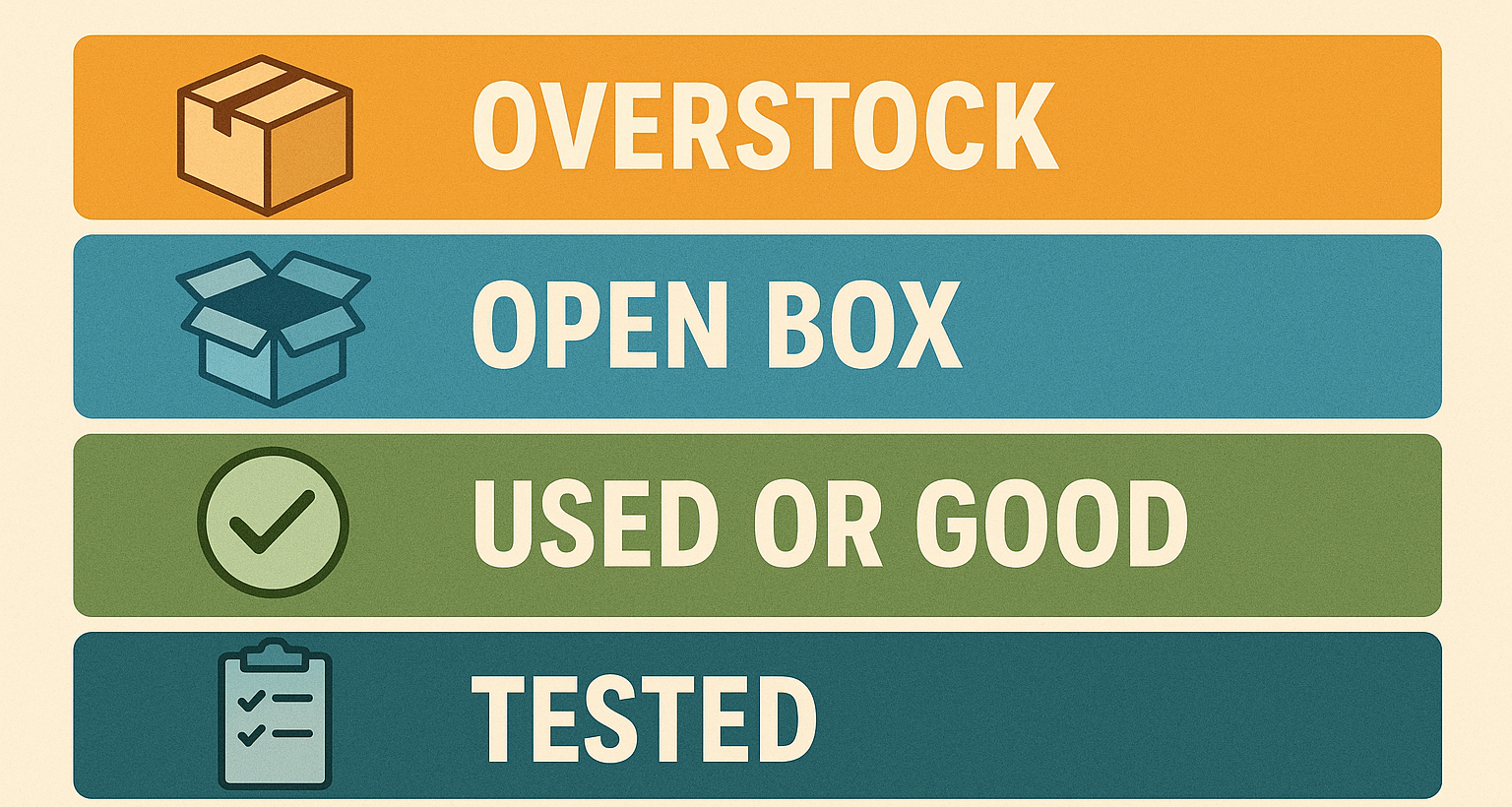
Different liquidation platforms use slightly different terms, but most return pallets fall into a few common categories. Understanding these codes is essential because they directly affect how much work you’ll need to do and what kind of margins you can expect.
- New or overstock: These items have never been opened and often come from shelf pulls or discontinued lines. They’re the easiest to resell and usually bring in the highest prices because you can list them as brand new.
- Like new or open box: The packaging has been opened, but the item looks unused and is often in perfect working order. Always double check for accessories, instructions, or missing parts. A quick rebox or a replacement charger can make these ready for resale.
- Used or good: These products show signs of use but still function. A light cleaning, fresh packaging, and honest descriptions will help you sell them without negative feedback.
- Tested working: The item has been powered on and passes basic function tests. Don’t take the label at face value though, verify it yourself before listing. Buyers expect reliability, and even small defects can lead to returns.
- Uninspected returns: These are the mystery boxes within the pallet. The condition is unknown, and the defect rate is higher. Some will be fine, others may need repair or end up unsellable. Bid cautiously if a lot contains a high share of uninspected items.
- Salvage or parts: These items are broken, incomplete, or missing critical components. You won’t resell them as-is, but they can still bring value if you harvest parts or bundle them with other items.
The balance of these categories in a pallet should guide your bidding strategy. A pallet heavy on salvage and uninspected returns may look cheap at first glance, but the hidden cost is your time. Sorting, repairing, and parting out products can eat into your profits quickly. On the flip side, a pallet with a higher percentage of new, like new, or tested working items gives you a smoother path to resale with less effort.
A Simple Processing System That Scales
When the pallet arrives, the clock starts ticking. Every box sitting in your garage is money tied up, so the faster you sort and process, the sooner you can turn inventory into cash. A simple system helps you stay organized and keeps the chaos under control. Here’s a four-tier workflow that works for most resellers.
1. Retail Ready
These are the easy wins. Items that are clean, complete, and power on without issues should be photographed and listed right away. Don’t overthink pricing, set them at a clear discount to retail so they move quickly. The goal is speed, not squeezing out every last dollar. Fresh inventory pays off only when it’s sold.
2. Minor Fix or Missing Piece
A surprising number of returns are fine but missing something small, like a cable, charger, remote, or user manual. Keep a stock of common accessories on hand because a five dollar replacement can unlock a forty dollar resale value. Simple fixes and quick part swaps can turn what looks like a dud into a solid sale.
3. Parts Harvest
Not everything can be saved, but broken items can still earn their keep. Harvest components like power supplies, remote controls, trays, panels, or even packaging inserts. Create a dedicated parts bin and sell these in lots. Many repair shops and hobbyists search for parts-only listings, and it’s a good way to recover value from items that would otherwise be a loss.
4. Bulk or Bundle
Some items aren’t worth selling individually, but together they make sense. Think three-pack phone cases, assorted kitchen tools, or a mystery box for local buyers. Bundling clears out odds and ends quickly while still generating revenue. It also saves storage space, which is valuable once pallets start stacking up.
5. Keep It Organized
Label every bin, track items in a simple spreadsheet, and keep your workflow moving. Perfection isn’t the goal, flow is. The longer inventory sits unsorted, the less it’s worth. A clean system ensures you know what you have, what’s listed, and what still needs attention. That’s the difference between drowning in boxes and running a business that actually scales.
Conclusion
Buying Amazon return pallets isn’t a magic shortcut, but it can be a smart way to build inventory and grow a resale business if you approach it with the right mindset. The key is preparation. Know the difference between manifested and unmanifested lots, understand condition grades, and always factor in shipping and logistics before you place a bid. Once a pallet arrives, move fast, sort, repair, bundle, and list. Every extra day inventory sits unsold is money locked up.
The resellers who succeed aren’t necessarily the ones who take the biggest risks. They’re the ones who build systems, stay disciplined with their bids, and keep margins realistic. If you treat pallets like a business instead of a gamble, they can be a reliable source of inventory and profit over time.
Frequently Asked Questions
Are Amazon return pallets worth it?
Yes, but only if you understand the risks. They offer steep discounts on inventory, but you’ll also deal with defects, missing parts, and unsellable items. Profit comes from smart sourcing, not luck.
How much do Amazon return pallets cost?
Pallets can range from as little as $85 for small local lots to several thousand dollars for electronics or premium categories. Most general merchandise pallets fall in the $300 to $600 range, plus shipping.
Do I need a business license to buy them?
Some platforms, like B-Stock or Direct Liquidation, require a resale certificate or business account. Others, especially local sellers or smaller marketplaces, may sell to individuals without documentation.
Where is the best place to buy Amazon return pallets?
Trusted sources include Amazon Liquidation Auctions (via B-Stock), Direct Liquidation, Liquidation.com, BULQ, and reputable local warehouses. Avoid unverified social media sellers unless you can inspect pallets in person.
What kind of items can I expect inside?
Pallets can include just about anything Amazon sells: electronics, home goods, clothing, tools, toys, or a mix of categories. The exact contents depend on the manifest (if provided) or the luck of the draw with unmanifested pallets.
How do I maximize profit from a pallet?
Move quickly, stay organized, and don’t overlook small wins. Replace missing accessories, bundle low-value items, and sell parts separately when needed. Choose the right marketplace for each product, Amazon for higher-end items, eBay for open-box electronics, Facebook for bulky goods, and Poshmark for apparel.
 No credit card required