
 EN
EN  ES
ES  FR
FR  DE
DE  IT
IT  KO
KO  JA
JA  ZH
ZH  AR
AR  PT
PT  TR
TR PL
PL
Growing on Amazon takes more than strong listings and solid reviews. At some point, most sellers run into the same wall. Demand is there. Ads are working. Customers are buying. But cash flow is tight.
Maybe you need inventory ahead of Prime Day. Maybe you want to launch a new product. Maybe your ads are profitable, but scaling them requires upfront capital.
If you sell in the US store, you may have access to funding through the Amazon Lending program. While Amazon no longer issues loans directly, it connects eligible sellers with third-party financing providers offering term loans, merchant cash advances, and revolving credit lines.
Here’s how it works in 2026 and what you should know before accepting any offer.
What Is Amazon Lending?
Amazon Lending is an invitation-based program inside Seller Central. If your account qualifies, you may receive financing offers from third-party providers.
Instead of going through a traditional bank process, eligible sellers can review prequalified offers directly in Seller Central. In many cases, decisions are quick. Some sellers receive approvals within hours.
Important Details
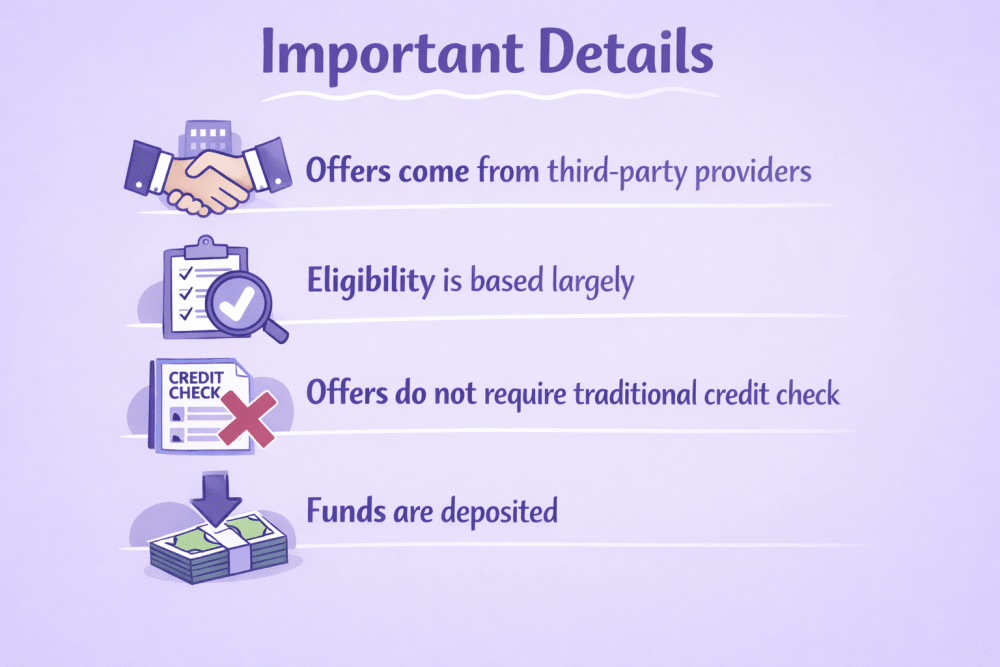
- Offers come from third-party providers, not Amazon directly
- Eligibility is based largely on sales performance
- Some offers may not require a traditional credit check
- Funds are deposited into your business bank account
The program is designed to use real marketplace performance data rather than relying only on traditional lending metrics.
How Eligibility Works
There is no open application page. If you’re eligible, you’ll see an invitation under Growth → Lending inside Seller Central.
Eligibility can vary by provider and offer, but typically includes:
- Sales history and revenue stability
- Account health
- Customer feedback
- Business performance trends
- In some cases, credit profile
If you don’t see an offer today, that doesn’t mean you never will. Seller accounts are reviewed regularly, and invitations can appear as your business grows.
If you want to improve your chances, focus on keeping your account metrics clean and avoiding policy violations. Steady, predictable sales tend to carry more weight than sudden spikes, and consistent customer satisfaction plays a big role as well. Over time, that kind of stability makes your business more attractive from a lending perspective.
How to Apply
If you receive an invitation, the process is fairly simple. Everything starts inside Seller Central, and you can move forward only if you decide the offer makes sense for your business.
Here’s what typically happens:
- Open the Lending Section in Seller Central. Go to Growth → Lending to view any active invitations. If you have an offer, you’ll see the amount, estimated cost, and repayment structure clearly outlined.
- Review Offer Details Carefully. Take your time here. Look at the total repayment amount, not just the funding size. Pay attention to APR or fixed cost, repayment frequency, and how payments are collected.
- Start the Application With the Third-Party Provider. When you’re ready, click to begin the application. You’ll be redirected to the financing partner’s platform to continue the process.
- Provide Any Additional Requested Information. Depending on the provider, you may need to confirm business details, banking information, or ownership data before final approval.
In many cases, you’ll also be asked to consent to sharing your Amazon sales data with the financing partner. This step allows them to evaluate your revenue history and structure the offer appropriately. Data is only shared with your explicit approval.
Types of Financing Available
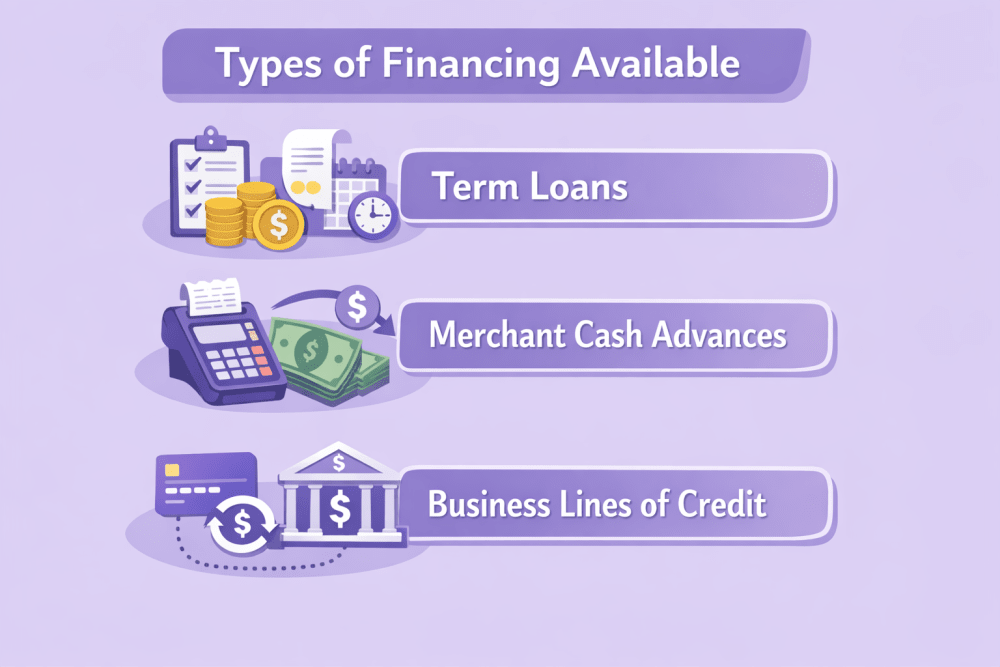
As of 2026, Amazon Lending connects eligible sellers with three primary types of funding. Each option is structured differently, and the right choice usually depends on how stable your revenue is and what you actually need the money for.
Term Loans
A lump sum paid upfront with fixed repayment terms. Best suited for planned investments like large inventory orders, equipment purchases, or expansion projects where you know the budget and timeline.
Merchant Cash Advances
Funding repaid as a percentage of future sales. Payments rise and fall with your revenue, which can feel more flexible during slower periods. Often used for inventory restocks, advertising pushes, or short-term growth opportunities.
Business Lines of Credit
A revolving credit limit you can draw from as needed. You only pay interest on what you use. This option works well for ongoing operational needs or covering temporary cash flow gaps.
The key difference comes down to structure and flexibility. If your revenue is consistent and predictable, a term loan might offer clarity and stability. If sales fluctuate seasonally, a merchant cash advance can adjust with your volume. If you want access to capital without committing to a full loan, a line of credit may offer the most control.
Term Loans: Structured and Predictable
A term loan provides a lump sum upfront. You repay it over a fixed period with interest or a fixed cost.
Monthly payments are usually consistent, which makes budgeting easier.
Lendistry Term Loan
- Loan amounts: $25,000 to $5,000,000 (with $10,000 to $250,000 specifically for the Amazon Community Lending program).
- Terms: up to 3 years
- Fixed interest structure
- Equal monthly payments
- APR depends on business performance
Uncapped Term Loan
- Loan amounts: up to $10 million
- Terms: up to 18 months
- Fixed cost model
- No early repayment penalty
- Early payoff may reduce total cost
QuickBooks Capital Term Loan
Available to eligible QuickBooks Online users.
- Loan amounts: $1,500 to $200,000
- Terms: 6 months, 1 year, or 2 years
- APR typically ranges from 9.99% to 36%
Term loans work well if you need a large inventory order, equipment purchase, or long-term expansion investment.
Merchant Cash Advances: Payments That Move With Sales
A merchant cash advance, or MCA, works differently from a traditional loan.
You receive a lump sum and agree to repay a fixed total amount. Instead of fixed monthly payments, repayment is tied to a percentage of your sales.
For example, if you receive $10,000 with a factor rate of 1.5, you repay $15,000 total. If your payment rate is 9% of sales, you pay more when sales are strong and less when they slow down.
Parafin Merchant Cash Advance
- Funding amounts up to $2 million
- Repayment tied to a percentage of gross sales
- No personal collateral required
- Eligibility based largely on sales performance
- Possible partial rebate for early repayment
This option can make sense for sellers with seasonal revenue patterns or fluctuating cash flow.
However, always calculate the total cost carefully before accepting.
Business Lines of Credit: Flexible Access to Capital
A business line of credit works much like a credit card. You’re approved for a limit, draw funds when needed, and pay interest only on what you use. As you repay, the credit becomes available again.
As of early 2026, Amazon’s primary partner for revolving credit lines in the US is Slope, a fintech company backed by JPMorgan Chase. Slope focuses on AI-driven credit lines with fast approvals and dynamic limits based on business performance. Uncapped continues to concentrate mainly on term loans and working capital products.
A line of credit can make sense if inventory, advertising spend, or supplier payments fluctuate throughout the year. It offers flexibility without committing to a full lump-sum loan. As always, review rates and repayment terms carefully to make sure it supports steady, profitable growth.
Uncapped Business Line of Credit
- Pre-approved revolving credit line
- Typically structured as a one-year term
- Fixed rate on drawn balance
- Renewable in many cases
- Credit limit may increase with revenue growth
This option is often useful for short-term inventory gaps, advertising pushes, or unexpected expenses.

Make Every Ad Dollar Work Harder With WisePPC
If you’re scaling ads, increasing inventory, or considering financing, decisions can’t be based on gut feeling. You need clean data and full visibility. That’s why we built WisePPC.
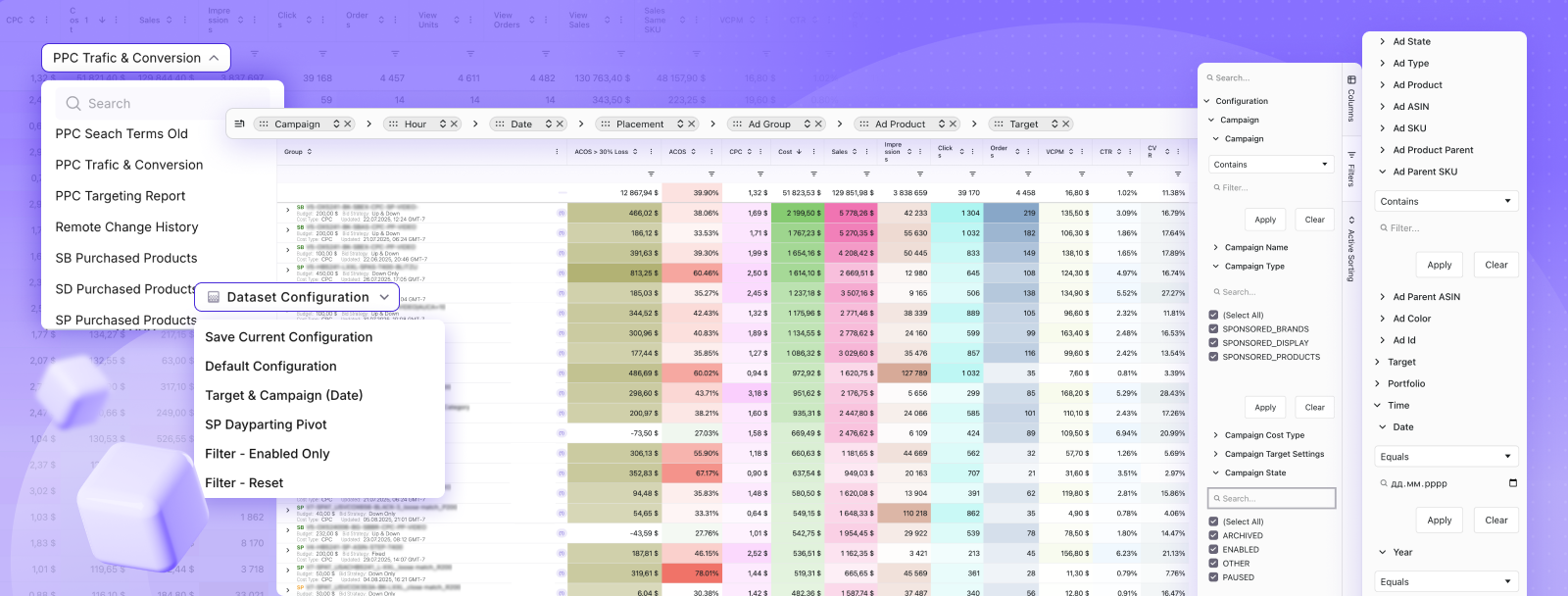
As an Amazon Ads Verified Partner, WisePPC connects through official integrations and delivers deeper insight than Seller Central alone. The platform stores long-term historical data, tracks 30+ key metrics, and provides granular performance visibility down to placements and keywords.
Sellers can analyze up to six KPIs on a single chart, apply bulk changes in minutes, and quickly identify wasted ad spend using advanced filtering and visual performance highlights. No spreadsheets. No manual exports. Just structured data ready to act on.
WisePPC also separates ad-driven revenue from organic sales, giving a clear view of what’s actually driving growth. When making budget or capital decisions, that level of clarity makes a real difference.
When Financing Makes Strategic Sense
Funding can be a smart tool if it supports a clear goal. It works best when it’s tied to something measurable, not just a general feeling that you need more cash in the account.
Common use cases include:
- Increasing Inventory Ahead of Peak Season. Stocking up before Prime Day or Q4 can prevent missed sales and lost ranking. Running out of inventory at the wrong time can cost more than the financing itself.
- Launching New Products. Product development, initial manufacturing runs, and early advertising all require upfront investment. Financing can help you test new SKUs without draining working capital.
- Expanding Into New Marketplaces. Entering additional Amazon regions or launching on other channels often requires inventory, localization, and marketing spend before revenue catches up.
- Scaling Advertising. If your campaigns are already profitable, increasing budget can drive faster growth. Funding can give you room to scale without interrupting cash flow.
- Hiring Staff. Bringing on operations support, marketing help, or a warehouse team member can improve efficiency, but payroll needs to be covered consistently.
- Managing Supply Chain Upgrades. Investing in better logistics, packaging, or storage solutions can improve margins long term, even if the upfront cost feels heavy.
Many sellers use financing ahead of major sales events to avoid stockouts and lost momentum. Others rely on it to smooth out slower months when inventory payments and ad spend still need to be covered.
The difference between smart leverage and unnecessary risk usually comes down to planning. Before borrowing, it helps to know exactly where the money is going and how it will generate return.
Additional Considerations Before Accepting an Offer
Before moving forward with any financing option, slow down and look at the full picture. Start with the total repayment amount, not just the funding size. The real cost matters more than the headline number.
Understand whether the offer uses an APR or a fixed cost structure, and how that affects what you’ll actually pay over time. Pay close attention to repayment frequency as well. Weekly or bi-weekly debits can feel very different from monthly payments, especially if your sales fluctuate.
It’s also worth checking the early repayment terms. Some providers allow you to save on cost if you pay early, while others collect the full amount regardless of timing. Finally, run conservative projections. Ask yourself how repayment would feel during a slower month, not your best one.
If your margins are already tight, borrowing can create pressure instead of progress. Financing should strengthen profitable growth, not patch over weak fundamentals.
How to Increase Your Chances of Receiving an Offer
If you haven’t received an invitation yet, the best move isn’t chasing lenders. It’s strengthening the fundamentals of your business. Amazon Lending is performance-driven, so the cleaner and more consistent your metrics are, the more attractive you become to financing partners.
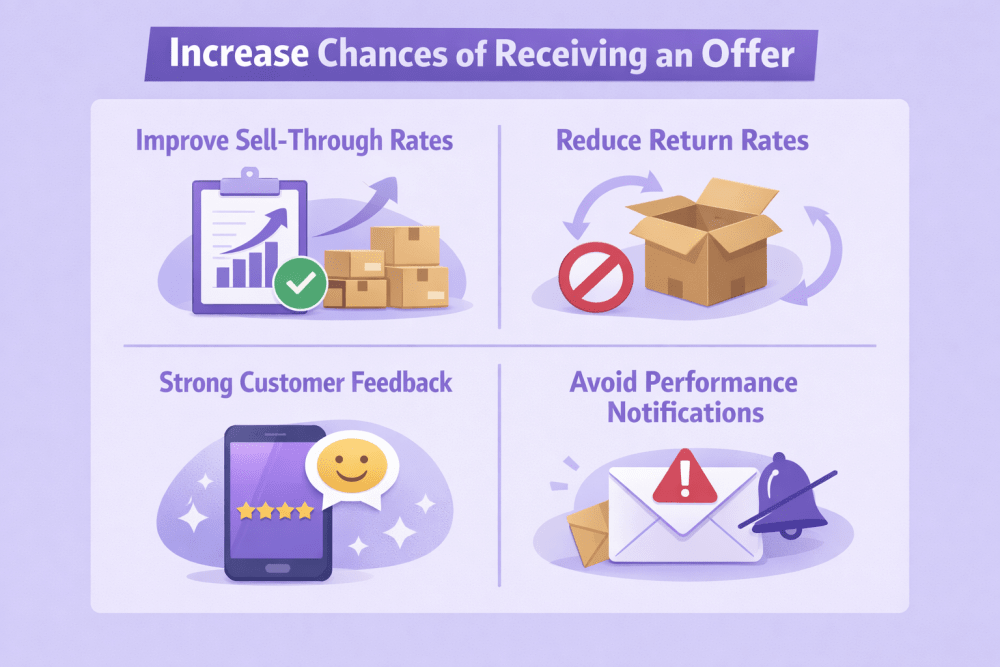
Improve Sell-Through Rates
Inventory that moves efficiently signals healthy demand and solid forecasting. Strong sell-through shows that your capital isn’t sitting idle on warehouse shelves.
Reduce Return Rates
High return rates can raise concerns about product quality or listing accuracy. Keeping returns under control improves overall account performance and builds trust in your brand.
Maintain Strong Customer Feedback
Consistent positive reviews and ratings reflect reliability. Lenders look at stability, and satisfied customers are part of that picture.
Avoid Performance Notifications
Policy violations, late shipments, and account health warnings can limit eligibility. Keeping your account in good standing matters more than short-term sales spikes.
Keep Inventory Levels Stable
Frequent stockouts or overstock issues create volatility. Balanced inventory management demonstrates operational control, which supports lending confidence.
In short, predictable performance beats sudden growth bursts. The more stable your business looks over time, the more likely you are to see an offer appear in Seller Central.
Final Thoughts
Access to funding can change the trajectory of an Amazon business. But it is leverage, not a shortcut.
If your products sell consistently and your margins are healthy, capital can help you scale faster. If your fundamentals are unstable, borrowing can create stress.
Check Seller Central under Growth → Lending to see if you have an invitation. If you don’t, focus on strengthening performance metrics and building predictable revenue.
Growth on Amazon rarely happens overnight. Sometimes the right funding at the right time helps you move to the next stage. Just make sure the decision is strategic, not reactive.
Frequently Asked Questions
Is Amazon Lending still available in 2026?
Yes. Amazon Lending is active, but Amazon no longer issues loans directly. Instead, eligible sellers receive invitations to apply for financing from third-party providers inside Seller Central.
How do I know if I’m eligible?
If you qualify, you’ll see an invitation under Growth → Lending in Seller Central. There is no public application form. Eligibility is reviewed regularly and based largely on your sales performance and account health.
Do I need a credit check?
It depends on the provider and the type of financing. Some offers rely more heavily on your Amazon sales data rather than traditional credit scores. Others may still consider your credit profile as part of the approval process.
How fast can I receive funds?
Timelines vary by provider, but many sellers receive decisions within hours or a few days. Once approved, funds are typically deposited directly into your business bank account.
What’s the difference between a term loan and a merchant cash advance?
A term loan provides a lump sum with fixed repayment terms. A merchant cash advance is repaid as a percentage of future sales, so payments fluctuate based on revenue. The right option depends on how predictable your cash flow is.
 No credit card required