
 EN
EN  ES
ES  FR
FR  DE
DE  IT
IT  KO
KO  JA
JA  ZH
ZH  AR
AR  PT
PT  TR
TR PL
PL
Selling on Amazon sounds like a solid idea, until you hit your first logistics roadblock. Do you store the products yourself? Ship every order? Handle returns? That’s where FBA steps in. Fulfillment by Amazon is a service that takes care of storage, shipping, and customer service for you, but it’s not exactly plug-and-play.
If you’re just getting started, this guide breaks down how FBA actually works, what it costs, and where beginners usually trip up. No fluff, no recycled advice – just a clear, realistic look at whether FBA fits your goals, and what you’ll need to make it work.
What Is Amazon FBA?
Amazon FBA is a service that lets you store your products in Amazon’s fulfillment centers. When someone places an order, Amazon handles the packing, shipping, customer service, and even returns. In other words, they do the logistics while you focus on sourcing products, creating listings, and running the business.
You ship your inventory to Amazon. They take it from there.
For beginners, this can remove a huge chunk of the operational burden, but it’s not “passive income” and it’s definitely not risk-free. You’ll still need to manage your business like a real operation.
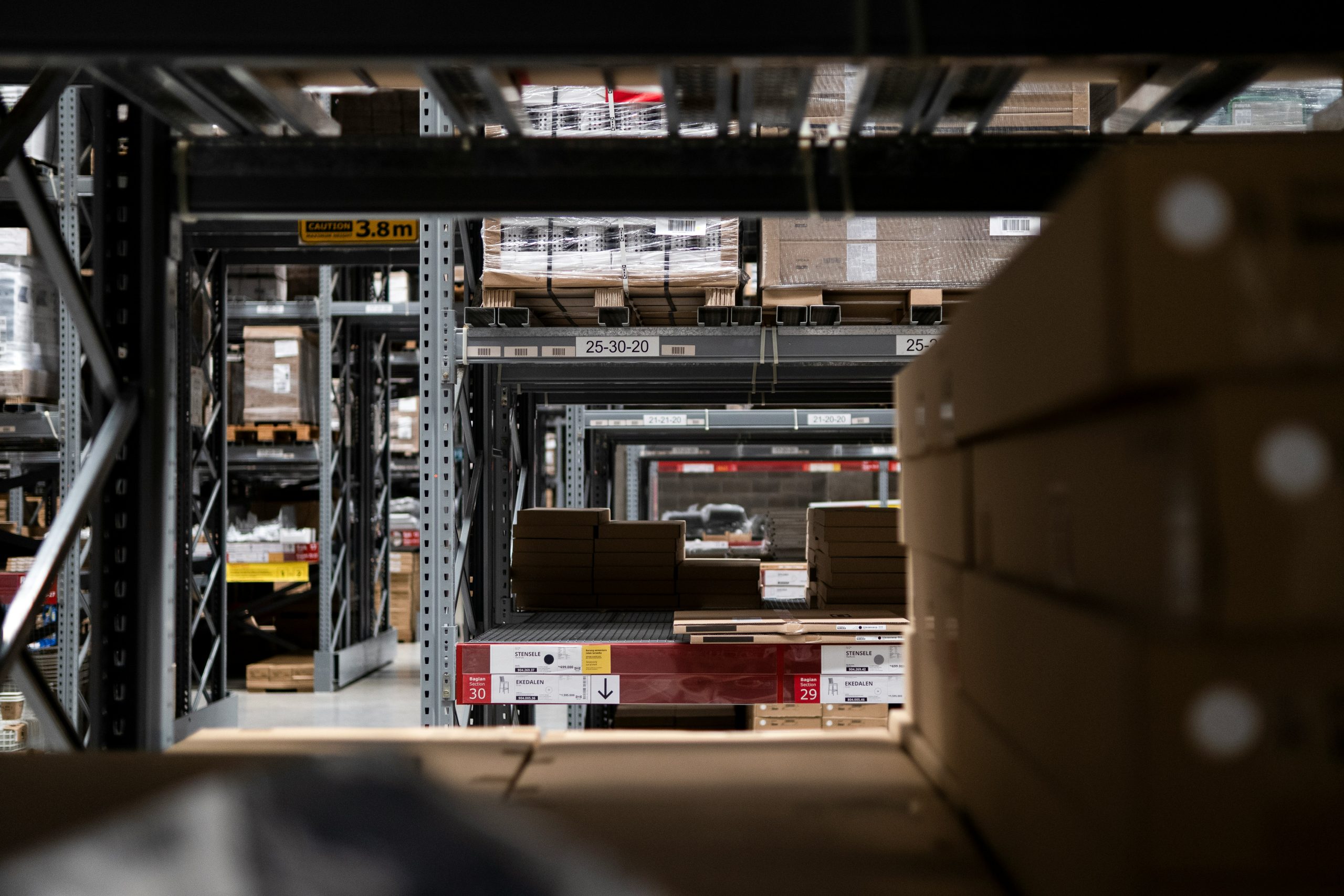
What FBA Actually Handles (and What It Doesn’t)
Amazon FBA takes a lot off your plate, but not everything. One of the biggest beginner mistakes is assuming FBA is a “set it and forget it” system. It’s not. It’s a tool, and like any tool, it works best when you know what it’s designed to do, and what it isn’t.
What Amazon Takes Care of
Warehousing Your Inventory
Once your shipment lands at an Amazon fulfillment center, they’ll store it for you until it sells. You don’t need to rent a storage unit or turn your garage into a mini-warehouse. Just make sure your inventory gets there properly prepped and labeled – they won’t fix sloppy packaging.
Picking, Packing, and Shipping
When someone places an order, Amazon grabs your product off the shelf, packages it, and ships it directly to the customer. You don’t have to touch a box or run to the post office, and the shipping speed is fast thanks to Amazon’s huge delivery network.
Customer Service and Returns
Any order fulfilled through FBA comes with Amazon’s customer support. That means if a buyer has questions or wants to return something, Amazon steps in. You won’t be fielding late-night “Where’s my order?” emails, but you are still financially responsible for returns and damage in many cases.
Prime Eligibility (Your Products Can Get that Prime Badge)
This matters. That little Prime logo gives you a leg up in search rankings and buyer trust. Many customers filter by Prime automatically – FBA is your ticket to being included in that crowd.
Basic Reporting inside Seller Central
You’ll get access to dashboards that track sales, inventory, fees, and returns. It’s not the most intuitive system, but it’s functional and essential for keeping your numbers straight.
What You’re Still Responsible for
Finding Profitable Products
Amazon doesn’t help you choose what to sell. If you pick a product with low demand or impossible margins, FBA won’t save you. This part requires market research, keyword digging, and a lot of math.
Managing Stock Levels and Restocking on Time
Amazon won’t send you a reminder when you’re about to run out. If you stock out, you lose momentum and your ranking. You need to keep a close eye on inventory and reorder before it becomes a problem.
Optimizing Listings for Conversions
High-quality photos, compelling bullet points, keyword-driven titles – that’s on you. FBA can get your product delivered fast, but if your listing doesn’t convince anyone to click “Buy,” none of it matters.
Handling PPC Campaigns and Budgeting
Advertising is practically required on Amazon. You’ll need to run and manage sponsored product ads if you want visibility. FBA doesn’t touch this, and poor ad strategy can eat your margins alive.
Analyzing Sales Data and Adjusting Strategy
You’ll need to watch your numbers. Are your products converting? Are you spending too much on ads? Are you pricing yourself out of profitability? FBA doesn’t make these decisions for you, it just delivers the goods once the order’s placed.
FBA is a powerful logistics engine, but it won’t build the business for you. Think of it like a team of really good warehouse workers – they’ll take care of the heavy lifting, but you’re still the one driving the business. If you go in thinking it’s autopilot, you’ll probably end up burning cash instead of building a brand.
How the FBA Process Works (Step by Step)
Here’s a stripped-down version of how FBA works from start to sale:
- Create an Amazon Seller Account. You’ll choose between Individual (pay per sale) or Professional (monthly fee, needed for serious sellers).
- Find a Product to Sell. This is the core of your business. You can go private label, wholesale, arbitrage, or even handmade.
- Source and Ship to Amazon. Once you’ve picked your product, you send it to Amazon’s warehouse using their shipment creation workflow.
- Amazon Stores It. Your inventory lives in their fulfillment centers until someone places an order.
- A Customer Buys. The order is processed automatically. You don’t do anything at this point.
- Amazon Ships the Order. They handle packaging, shipping, and tracking updates.
- Amazon Handles Returns (Good and Bad). If the customer returns the item, Amazon processes it and either returns it to your inventory or marks it as unsellable.
What Makes FBA Worth It for Beginners?
For most new sellers, FBA offers a way to scale faster without building your own warehouse or support team. It’s especially useful if:
- You don’t want to ship every order yourself.
- You want to qualify for Prime.
- You need to focus on marketing instead of logistics.
- You’re selling a product with consistent demand.
If your margins are tight, your inventory is fragile or bulky, or you’re just testing the waters – FBA might not be ideal out of the gate.

Common Beginner Mistakes (and How to Avoid Them)
Nobody starts selling on Amazon hoping to mess it up, but that doesn’t stop people from stumbling right out of the gate. And to be fair, it’s not always obvious what to watch for when you’re new. The platform is big, the learning curve is real, and the advice online ranges from helpful to downright confusing.
Here’s a look at where new FBA sellers often go wrong, based on what actually happens once you start moving real inventory.
Overlooking the True Costs
It’s easy to get caught up in the excitement of a product idea without digging into what it’ll really cost you. A lot of beginners only consider the item’s price and Amazon’s referral fee, but that’s just the surface. FBA comes with extra charges for storage (especially if your stuff sits too long), not to mention returns and customer service fees. Then there’s advertising. If you’re planning to run PPC, and you probably should be, that spend can pile up fast. Before you go all in, plug your numbers into Amazon’s FBA calculator. It’s not perfect, but it gives you a much better sense of whether your margins are realistic or wishful thinking.
Chasing Trends Without Backing It Up
A trending product on TikTok isn’t a solid business plan. It might be tempting to hop on whatever seems hot, but if the numbers don’t back it up, it won’t last. One of the fastest ways to lose money is by picking products based on gut feeling or hype instead of actual data. Look for items with stable demand over time, low to moderate competition, and enough margin to survive fees and ad spend. Use keyword tools, check sales volume, review trends and don’t skip this step. What seems like a “sure thing” often isn’t.
Poor Inventory Planning
FBA is great at shipping products, but it won’t warn you when you’re about to run out. Many new sellers get caught off guard by faster-than-expected sales, or delays in reordering from suppliers. When you stock out, Amazon’s algorithm doesn’t cut you slack. Your product ranking drops, and when you’re finally back in stock, it can take time and money to recover your previous position. A little planning goes a long way here – keep track of sales velocity, reorder well in advance, and don’t wait until your numbers hit zero.
Weak Listings That Don’t Convert
A good product can still flop if the listing doesn’t do its job. Titles, images, bullet points, backend keywords – they all matter more than people think. Amazon’s algorithm prioritizes listings that convert. That means clear, benefit-focused content that matches what shoppers are searching for. If your listing looks rushed, unprofessional, or full of fluff, it’ll get buried. Take the time to optimize it properly. Professional photos, well-written copy, and good keyword research aren’t nice-to-haves – they’re essential if you want to stay visible.
Avoiding Advertising Altogether
Some new sellers avoid PPC altogether, thinking they can just rely on organic traffic. That’s rarely how it plays out, especially in competitive niches. At the same time, diving in blindly with a big ad budget is a fast way to burn through cash. The key is to start small and treat PPC like a learning process. Track what’s working, pause what’s not, and slowly ramp up your spend once you see some traction. Ignoring ads completely means missing out on visibility, and without visibility, sales are going to be an uphill battle.
Picking the Right Business Model Under FBA
FBA is just the fulfillment method. You still have to choose how you’ll get your products.
Popular models:
- Private Label: You manufacture a product under your own brand. Best for building long-term value.
- Wholesale: You buy branded products in bulk and resell them. Less creative, but lower risk.
- Retail/Online Arbitrage: Buy low, sell high from other retailers. Good for learning the ropes but hard to scale.
- Dropshipping (Not Recommended with FBA): Not compatible. Amazon expects stock to be in their warehouse.
Private label is the most scalable, but also the most complex and capital-heavy. Arbitrage and wholesale are easier to test.
How to Tell If You’re Ready for FBA
Ask yourself:
- Do I have a product with a clear, research-backed demand?
- Can I afford the upfront inventory, shipping, and Amazon fees?
- Do I understand how to read my numbers – margins, conversion rate, ad spend?
- Am I willing to adjust quickly if something doesn’t work?
If the answer to most of those is “yes,” FBA is probably a good fit. If not, you might want to test with FBM (Fulfilled by Merchant) first, where you ship orders yourself, before handing the reins to Amazon.
Tips for Success in Your First 90 Days
Getting through the setup phase is just the start. Here’s how to get early traction:
- Start with a small order to test demand and avoid overcommitting.
- Use high-quality images and keyword-rich listings from day one.
- Monitor your ad spend daily until you know your numbers.
- Track performance weekly and adjust pricing or campaigns as needed.
- Ask for reviews (ethically) to build social proof.
It’s tempting to launch and forget, but the first 90 days are when you set your foundation.

How WisePPC Helps Sellers Grow Smarter, Not Just Bigger
At WisePPC, we’ve built our platform around one clear idea: sellers don’t need more noise – they need sharper visibility. Amazon FBA might handle your logistics, but making real profit still comes down to smart decisions on the ad and product side. That’s where we come in. Our analytics platform gives sellers the full picture, from what’s driving conversions to where ad spend is quietly bleeding money. You can dig into historical data, spot real-time trends, and apply bulk updates or on-the-spot campaign edits without flipping between tools or tabs. If it’s slowing you down or keeping you guessing, we probably automated it.
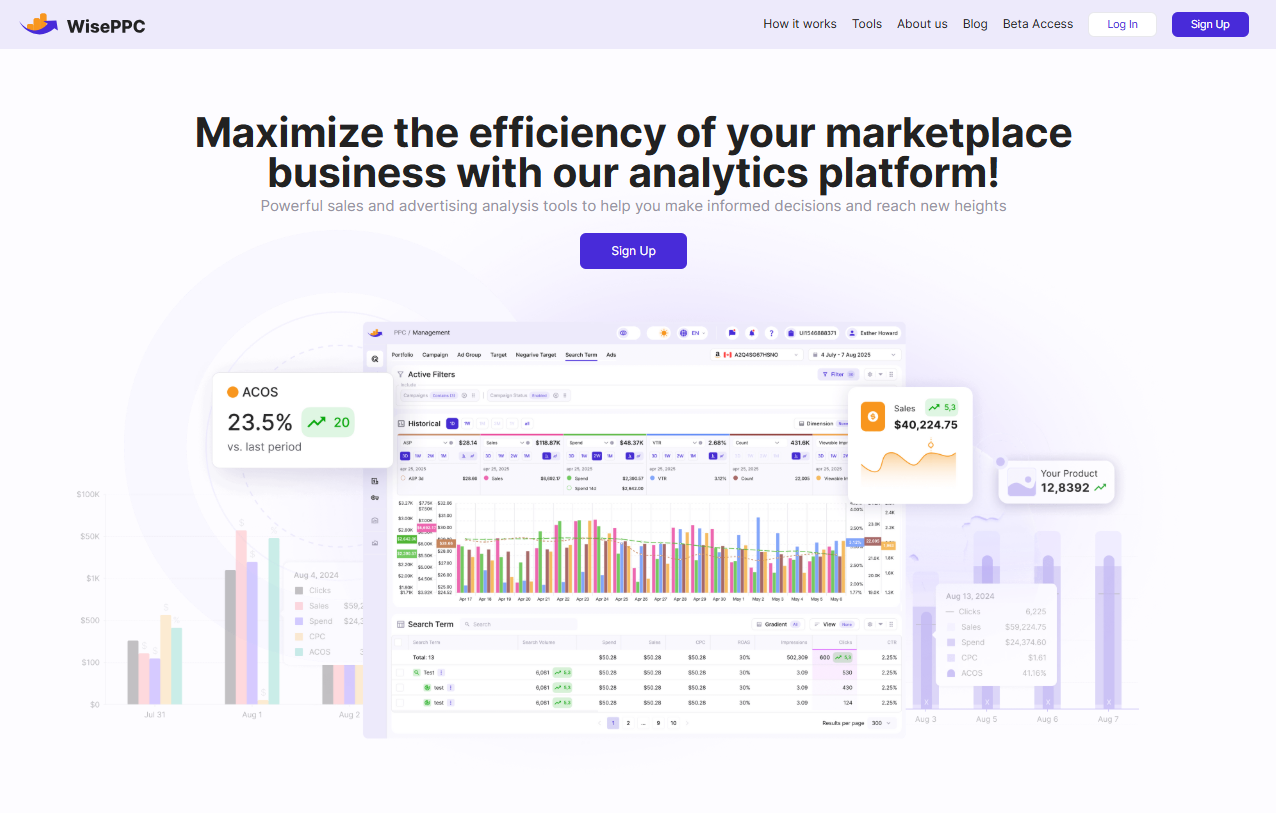
Because we’re officially recognized as an Amazon Ads Verified Partner, we’re not just working around the system – we’re working with it. Our users track critical metrics, compare ad vs. organic revenue, and make confident moves backed by clean, granular data. Whether you’re managing ten SKUs or scaling across accounts, we’ve designed WisePPC to grow with you. And as the landscape keeps shifting, we’re already ahead – with AI-based campaign tweaks, smart bidding enhancements, and inventory forecasting all in the pipeline. If you’re serious about building an efficient, data-backed Amazon business, you don’t have to fly blind. We’ve got the tools to make it make sense.
Final Thoughts: FBA Isn’t Easy, But It Can Work
Amazon FBA is not a shortcut to easy money, but it is a powerful infrastructure if you learn how to use it well. It can help you reach customers faster, scale without a warehouse, and focus on the bigger picture of your business.
But like any business model, it only works if you treat it like a business. That means testing your assumptions, knowing your numbers, and staying flexible when things don’t go as planned.
If you’re ready to dive in, start small, track everything, and use the right tools to help you make smarter calls, not just faster ones.
FAQ
1. Do I need a company to start selling with Amazon FBA?
No, you don’t need to form a company right away. You can start as an individual seller, especially if you’re just testing the waters. That said, once you scale up or want access to features like brand registry, setting up an LLC or similar structure is a smart move for legal and tax reasons.
2. How much money do I really need to start?
It depends on your business model, but realistically, most beginners need at least $1,500 to $3,000 to get going with a private label product. That covers inventory, shipping, Amazon fees, packaging, and some initial advertising. Can you do it for less? Sure. But less capital usually means more compromises and slower progress.
3. Is Amazon FBA still worth it in 2025?
Yes, but it’s not “easy money” anymore. The days of tossing a random product on Amazon and watching it fly off the shelves are long gone. If you treat it like a real business, do your research, and keep learning, there’s still plenty of opportunity. But it takes work and patience.
4. How long does it take to see your first sale?
It varies. Some sellers make their first sale within a week of launching, especially if they’ve done the research and run ads. Others take longer if their niche is crowded or they skip advertising altogether. Good photos, a strong title, and a few starter reviews go a long way toward speeding things up.
5. What if I choose the wrong product?
It happens. The key is to learn from it and pivot fast. You can try lowering the price, improving your listing, or bundling it with something else. But if it’s a total dud, don’t throw more money at it. Cut your losses, look at the data, and start fresh with a better product idea next time.
 No credit card required