When Is the Next Amazon Prime Day and What Should You Expect?
Amazon Prime Day has come a long way from its humble one-day sale roots. What started as a birthday celebration has evolved into a major retail event – one that many shoppers now plan their year around. If you’re already wondering when the next Prime Day is happening, you’re not alone. Whether you missed the 2025 sale or you’re just gearing up early, here’s what we know (and what we can confidently guess) about Amazon Prime Day 2026.
What We Know About Amazon Prime Day 2026
While Amazon hasn’t officially announced the dates for Prime Day 2026 yet, patterns from past years give us a pretty solid idea.
Based on recent history, Amazon Prime Day is likely to take place in mid-July 2026, most probably between July 7 and July 10. In 2025, the sale ran from July 8 to July 11, marking the first time Amazon extended the event to a full four days. There’s a good chance they’ll repeat that format next year.
So if you’re the type who likes to plan ahead, go ahead and pencil in the second week of July. Just keep in mind that Amazon usually announces the official dates about a month in advance, so it’s worth setting a reminder to check in mid-June.
What Is Amazon Prime Day, Really?
At its core, Prime Day is an exclusive sales event for Amazon Prime members. It’s packed with discounts across almost every category you can imagine: electronics, fashion, beauty, home goods, groceries, travel packages – you name it.
But here’s the catch: if you’re not a Prime member, you won’t see the best deals. That includes lightning deals, early access promotions, and all the juicy one-day-only offers. If you’re not already a member, Amazon typically offers a free 30-day trial, which you can activate shortly before Prime Day to take full advantage without committing long-term.
Don’t Confuse It With Prime Big Deal Days
You might’ve heard people talk about Prime Big Deal Days too, which is Amazon’s newer fall event usually held in October. It’s similar to Prime Day but focused more on early holiday shopping. In 2025, Amazon has not yet officially announced the dates of the event, but based on previous experience, it could take place between October 7 and 15.
So yes, Amazon now has two Prime-themed mega sales a year. The July event remains the bigger of the two, but the fall one is quickly catching up – especially when it comes to gifts, toys, and seasonal items.
How Prime Day Has Changed Over the Years
If you’ve been following Prime Day since the early days, you’ve probably noticed how much it’s evolved. Here’s a quick timeline:
- 2015: The first Prime Day was a 24-hour event.
- 2018: Expanded to 36 hours.
- 2019: Went up to 48 hours.
- 2025: A full four-day sale from July 8 to 11.
What started as a deal dump on Amazon-branded devices has turned into a retail phenomenon. Not just Amazon, but rival stores like Walmart, Target, and Best Buy often run their own parallel sales around the same time.
So while Amazon Prime Day is technically a single-retailer event, the shopping ecosystem around it has expanded massively.
What Kinds of Deals Can You Expect?
If you’re wondering whether Prime Day is actually worth the hype, the short answer is: yes – if you know what you’re looking for.
Here are the categories that tend to offer the biggest discounts:
- Amazon Devices: Echo speakers, Fire TVs, Kindles, Ring doorbells often see discounts up to 50%.
- Tech & Electronics: Laptops, smartwatches, earbuds, tablets.
- Home & Kitchen: Vacuum cleaners, air fryers, espresso machines, robot mops.
- Beauty & Grooming: Electric toothbrushes, shavers, skincare sets.
- Toys & Games: Especially brands like LEGO, Playmobil, and Ravensburger.
- Digital Services: Kindle Unlimited, Audible, Prime Video Channels.
In 2025, some of the standout deals included:
- AirPods for $89 (down from $129).
- Kindle Paperwhite 16GB for $124.99 (normally $159.99).
- Samsung Galaxy Buds at 34% off.
- Shark FlexStyle hair tools at nearly $100 off.

Tips to Make the Most of Amazon Prime Day
This isn’t just about grabbing a cheap Echo Dot and calling it a day. Prime Day can actually save you a lot of money – if you’re thoughtful about how you shop. Whether you’re planning a big haul or just hoping to snag a couple of deals, here’s how to stay ahead of the chaos.
1. Set Up Your Amazon Account Ahead of Time
Sounds basic, but you’d be surprised how many people try to check out during a Lightning Deal only to realize their payment info is out of date. A few minutes of prep can save you from missing a great offer because you were fumbling with login credentials.
Here’s your quick setup checklist:
- Sign up for Amazon Prime (or start the 30-day free trial if you’re new).
- Double-check your default shipping address and payment method.
- Download the Amazon app to get push notifications and manage deals on the go.
You don’t want to be updating your billing info while everyone else is checking out.
2. Build a Wishlist Early
If there’s something specific you’re eyeing – whether it’s a 4K TV or a new set of headphones – add it to your wishlist ahead of time. This keeps everything in one place and gives you an easy way to spot discounts the moment the sale goes live.
Even better, Amazon sometimes includes wishlisted items in personalized notifications and early access deals. It’s like nudging the algorithm to work in your favor.
3. Turn On Deal Alerts
The Amazon app lets you set up alerts for items on your wishlist or in your cart. When something goes on sale, you’ll get a ping right away. That’s especially useful for Lightning Deals and short-term promos.You’ll shop smarter and avoid getting fooled by inflated “original” prices.
4. Watch Out for Lightning Deals
Lightning Deals are Amazon’s version of a flash sale. They’re fast, limited in quantity, and often gone before you can finish your coffee. Some are amazing. Some… not so much.
The key is to:
- Keep an eye on the “Upcoming” tab in the deals section.
- Set reminders for items you’re interested in.
- Be ready to click quickly if something you want pops up.
If an item sells out, you can usually join a waitlist. If someone else backs out, you might still get a shot – but no guarantees.
5. Compare Prices Outside of Amazon
Just because something is marked 40% off doesn’t mean it’s the lowest price on the internet. Retailers know Prime Day gets attention, so many of them quietly drop prices on the same items to stay competitive.
Before you buy, it’s worth taking a minute to check places like:
- Walmart
- Target
- Best Buy
- MediaMarkt or Otto (for shoppers in Europe)
Sometimes you’ll find the same product for less – or maybe with a bonus like free pickup or bundled extras.
And if you’re someone who shops at retailers with loyalty programs or coupons, you might even come out ahead by skipping Amazon altogether for certain items.
What About Third-Party Sellers?
Here’s something not everyone realizes: not all Prime Day deals come from Amazon directly. Many third-party sellers also drop their prices, especially if they want to compete with Amazon’s own offerings.
In some cases, you might find better prices from a third-party listing – just make sure the seller is reputable. Check reviews and shipping policies before hitting “Buy Now.”

Prime Day Isn’t Just for Physical Products
It’s also a great time to grab:
- Discounted subscriptions (Audible, Music Unlimited).
- Amazon gift cards (often sold at less than face value).
- Food delivery deals (e.g. 50% off Grubhub orders for Prime members).
- Travel discounts (past years included cruise and rental car promos).
In 2025, Amazon even partnered with Carnival Cruises and Avis Car Rental, offering exclusive deals for Prime members.
What If You Miss Prime Day?
Don’t worry – Amazon almost always has follow-up offers in the form of:
- End-of-Prime-Day deals.
- Warehouse or renewed product discounts.
- Surprise restocks a few days later.
Also, there’s Prime Big Deal Days in October and of course, Black Friday and Cyber Monday in November.
What to Avoid
It’s not all sunshine and discounts. Some “deals” aren’t actually worth it. Here’s what to keep in mind:
- Avoid impulse buys. Just because it’s on sale doesn’t mean you need it.
- Check price history. Retailers sometimes inflate original prices to make discounts look bigger.
- Watch return policies. Most Prime Day items are returnable, but always double-check if it’s a third-party seller.
- Skip outdated tech. Some discounts are just clearance for last-gen products.

WisePPC: A Smarter Way to Prep for Prime Day as a Seller
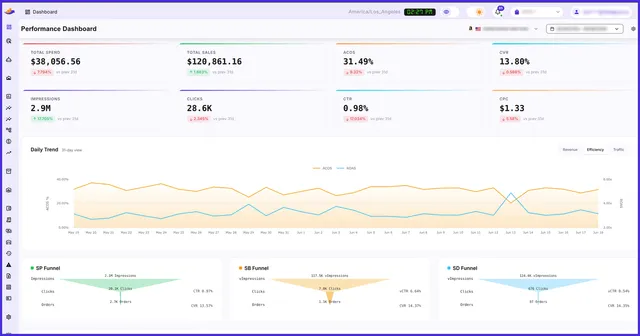
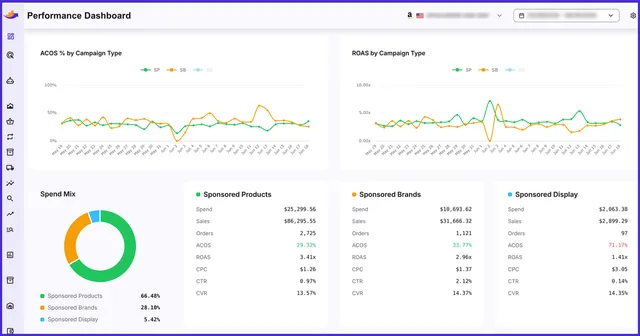
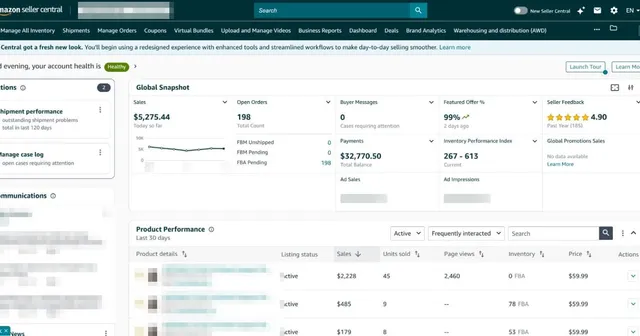
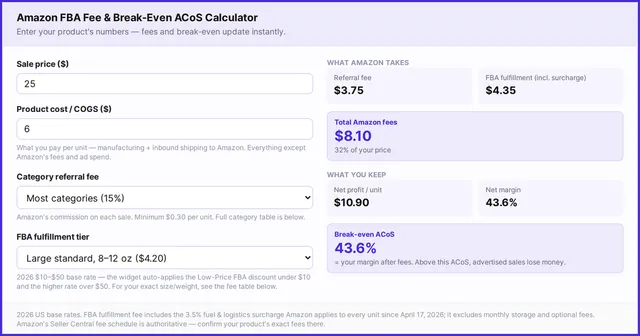
While most people see Prime Day as a chance to score deals, for sellers, it’s a critical sales window that can shape your entire quarter. We know this firsthand. That’s why at WisePPC, we focus on giving marketplace sellers the tools they need to make data-backed decisions fast.

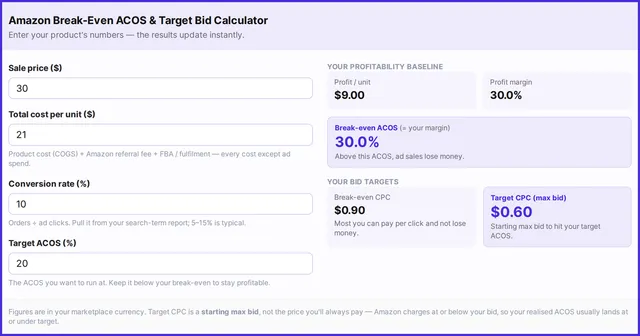
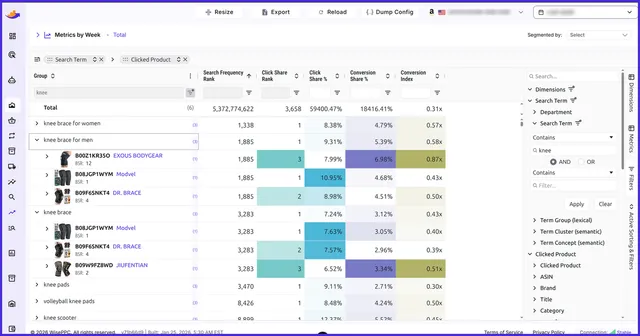
If you’re planning to run promotions or ramp up advertising around Prime Day, it’s not enough to just throw money at ads and hope for the best. With our WisePPC, you can actually see what’s driving your performance – whether it’s your ad spend, organic reach, or a mix of both. We help sellers cut waste, sharpen campaigns, and track what’s working in real time. That’s the kind of clarity you want heading into one of the busiest sales events of the year.
Final Thoughts
If you shop online regularly, then yes, Prime Day is absolutely worth circling on your calendar. Whether you’re hunting for gadgets, grabbing gifts early, or finally upgrading that old blender, the discounts are real – as long as you’re smart about it.
The key is preparation. Know what you want. Watch prices. And act fast when the deals drop.
At the end of the day, Prime Day isn’t just about the discounts. It’s about timing your purchases better, spending more wisely, and feeling like you actually got ahead of the game.
FAQ
1. When will Amazon officially announce the next Prime Day?
Amazon tends to keep things under wraps until about three to four weeks before the event. That means we probably won’t get a confirmed date for Prime Day 2026 until mid-to-late June. If history repeats itself, it’ll likely fall in the second week of July – but nothing’s guaranteed until Amazon makes it official.
2. Can I still shop Prime Day deals without a Prime membership?
Technically, no. Most of the good stuff is locked behind Prime access. But there’s a workaround: sign up for Amazon’s 30-day free trial right before the sale. You’ll get the same access as any paid member, and if you’re not interested in sticking around after the deals, you can cancel without paying a cent.
3. Is Prime Day better than Black Friday?
It depends on what you’re shopping for. Prime Day tends to have deeper discounts on Amazon-owned products and a wider range of tech and household items. Black Friday, on the other hand, brings more store-wide deals across multiple retailers. If you’re after an Echo speaker or a Kindle, Prime Day wins. But for big-ticket electronics or general holiday gifts, Black Friday might edge it out.
4. Do the deals change throughout the event?
Yes, and it can get a little chaotic. Some discounts stay live for the full sale, but a lot of deals are time-sensitive. Lightning Deals, in particular, only last a few hours or until stock runs out. If you see something you want, don’t overthink it. It might not be there an hour later.
5. What’s the best way to know if a Prime Day deal is actually good?
Look at price history. Amazon likes to display savings based on the list price, which isn’t always the same as the average selling price. A little digging can help you avoid falling for fake markdowns.
6. Is it worth shopping Prime Day if I’m not buying anything big?
Totally. Even if you’re not after a TV or laptop, there are usually solid deals on everyday items – think electric toothbrushes, charging cables, kitchen gear, and even groceries. You might not leave with a flashy new gadget, but you’ll probably still save some money.
Start Your Free 30-Day Trial Today
Start your 30-day free trial today. No credit card required. From an Amazon Ads Verified Partner you can trust.