
 EN
EN  ES
ES  FR
FR  DE
DE  IT
IT  KO
KO  JA
JA  ZH
ZH  AR
AR  PT
PT  TR
TR PL
PL
We’ve all been there – you buy something on Amazon, plan to send it back, and somehow that 30-day return window slips by. Maybe you got busy, or maybe the package just sat unopened in the corner for too long. When you finally realize it’s past the deadline, that little wave of panic hits.
The good news? It’s not always game over. While Amazon has clear rules about return timelines, there are still a few ways to handle a late return, and in many cases, you can end up with a surprisingly reasonable outcome. Let’s break down what happens next, what your options are, and how to keep it from happening again.

Understanding Amazon’s Return Window
Amazon’s return policy looks simple on the surface: most items can be sent back within 30 days of delivery. But that 30-day rule comes with a few details that can catch people off guard.
For example, not every product has the same return period. Certain items, such as baby registry gifts, Amazon Warehouse refurbished products, or select categories like electronics, may come with longer windows of up to 90 days or even a year.
Still, the general rule remains: after 30 days, the return button on your order page usually disappears. At that point, the system automatically marks the product as ineligible for a standard return. That’s when most people realize they’re officially late.
What Happens When You Miss the Deadline
If you send an Amazon return after the official window closes, things don’t always go as planned. Most of the time, Amazon’s system automatically rejects the package and ships it back to you without issuing a refund. When that happens, you’ll usually get a notification in your account explaining that the return was outside the allowed period. It’s not ideal, but it’s part of how Amazon keeps its logistics tight.
That said, not every late return ends badly. There’s still a bit of gray area, and sometimes you might get lucky. Amazon’s system occasionally flags borderline cases for review, or a customer service representative might step in and make an exception, especially if the delay is small or the reason is understandable. For example, if your package shows that it was shipped before the cutoff date but arrived a day or two late, support might still honor it.
When deciding whether to approve a late return, Amazon usually looks at a few key things:
- Item condition: Products that are unopened, unused, and in their original packaging are more likely to be accepted.
- Reason for delay: Circumstances like hospital stays, family emergencies, or delayed deliveries can work in your favor.
- Customer history: Loyal, long-time buyers and Prime members tend to get a bit more flexibility.
- Item category: Some product types, like electronics or baby items, have built-in leniency or extended policies.
If your case checks a few of these boxes, there’s a decent chance Amazon might still process your refund. It’s not guaranteed, but being polite, honest, and quick to reach out gives you a real shot at turning things around.
Can You Still Get a Refund After 30 Days?
Once you’re past the 30-day mark, the system won’t let you process a return directly from your account. That’s when contacting customer support becomes your best move.
You can reach them via live chat or phone and explain your situation politely. They might grant an exception, especially if it’s your first time missing a return or if the reason is genuine. Examples include family emergencies, hospitalization, or delayed shipments.
If support approves your late return, they’ll usually provide a return label or let you drop the item at a designated location. Refunds typically arrive within 3 to 5 business days after Amazon receives and checks the package.
In some rare cases, customer service may even issue a refund without requiring you to send the product back. That often happens when the item’s cost is low or the return process isn’t worth the logistics.

How We Help Sellers Stay Ahead at WisePPC
At WisePPC, we work with sellers who understand how small timing issues can turn into big operational challenges. If you’ve ever missed a return window as a buyer, you know how easy it is for delays to happen. On the seller’s side, that same delay could mean stock shortages, ad overspending, or slow responses to customer returns – all of which hurt performance.
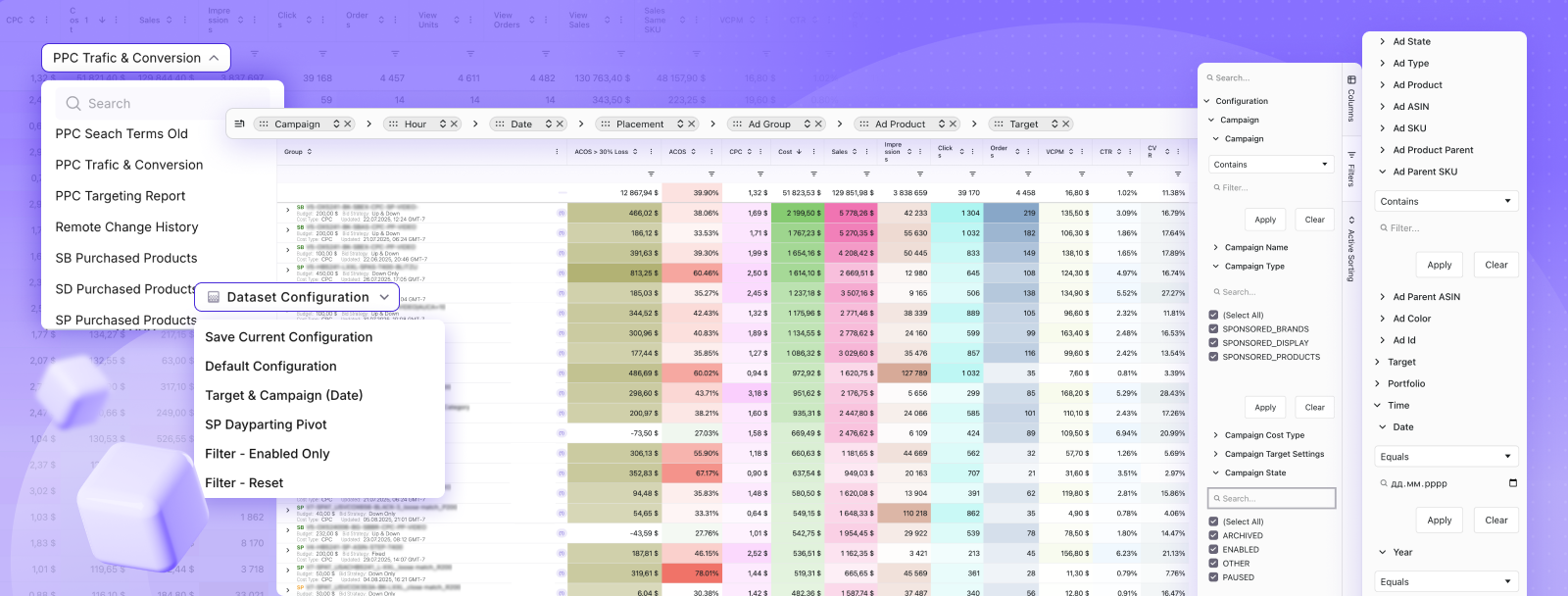
That’s where we come in. WisePPC is an all-in-one platform designed to make managing your ads, analytics, and inventory simple and reliable. You can track everything that matters: from daily sales trends to inventory levels, in one place, without switching between tools or spreadsheets.
Key Advantages of WisePPC:
- Automated ad campaigns: Save time by letting our system adjust bids and budgets based on real data.
- Inventory tracking in real time: Know what’s selling fast and what’s about to run out before it affects your listings.
- Sales forecasting tools: Plan restocks confidently with accurate demand predictions.
- Multi-channel support: Manage Amazon, Shopify, and other marketplaces from a single dashboard.
- Data-driven decisions: Turn insights into actions that reduce wasted ad spend and improve margins.
- Amazon Ads Verified Partner: We’re officially recognized by Amazon for using trusted integrations and best practices.
Whether you’re a solo seller or managing a large brand, we help you stay organized, automate the routine work, and keep your operations running smoothly, so you never have to worry about timing issues getting in the way of growth.
When Amazon Makes Exceptions
Amazon’s policies might look strict on paper, but the company actually makes exceptions more often than most people realize. While the automated system enforces deadlines, there’s still a human side behind it. Customer service representatives have the discretion to override those system limits when there’s a valid reason, especially if the situation clearly wasn’t your fault.
These exceptions don’t happen automatically, though. They usually depend on timing, your account history, and how you communicate the issue. Amazon’s goal isn’t to punish customers for honest mistakes; it’s to prevent abuse of the system while keeping things fair. If your record shows you’re a genuine customer and your reason makes sense, they’ll often try to help.
Here are a few examples of situations where exceptions are more likely:
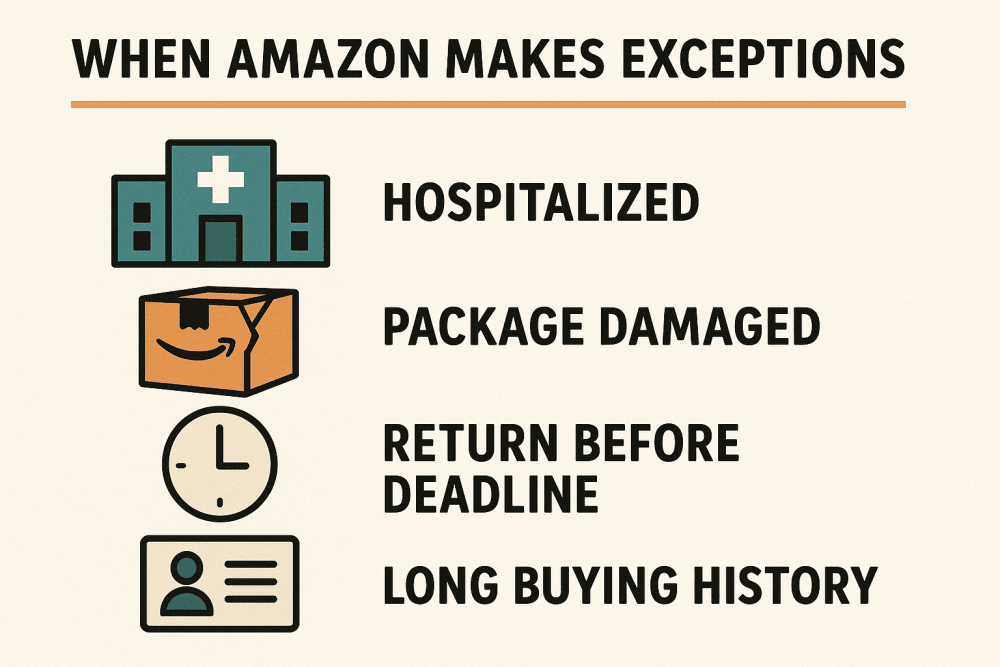
- You were hospitalized or had a family emergency. Amazon often understands when personal circumstances get in the way.
- Your package arrived damaged or late, cutting into the return window. Delays caused by shipping partners are usually taken into account.
- You started a return before the deadline but couldn’t ship it in time. If there’s a record of you initiating the process, it strengthens your case.
- You have a long, consistent buying history on Amazon. Loyal customers tend to receive more flexibility and faster resolution.
When contacting support, how you approach the conversation matters. Be polite, clear, and specific about what happened. You’re essentially asking for a courtesy, not demanding one. If you have any proof — like hospital discharge paperwork, shipment tracking, or chat logs showing earlier attempts — include it. These small details can help the representative escalate your case and get you a positive outcome faster.
In short, Amazon isn’t heartless about deadlines. They just need enough information to justify bending the rule, and when you handle it calmly and honestly, your chances of success go way up.
Returns After 60 Days: Is There Any Chance?
Once your order passes the 30-day mark, getting a return approved becomes more difficult, though customer service representatives may still consider exceptions in certain cases, such as defects or valid reasons.
That said, all hope isn’t lost. Even if you can’t return the item through Amazon directly, there are still a few alternatives worth considering.
Try the Gift or Resale Option
If you no longer need the item, consider selling it on platforms like eBay, Facebook Marketplace, or local community groups. As long as the product is new or unused, you can usually recover a good portion of the cost. Alternatively, gifting it to someone who could use it is a simple way to make the best of the situation.
Check for Warranty Coverage
If the reason for your return is a defect or performance issue, check whether the item is covered under the manufacturer’s warranty. Many electronics, appliances, and branded products come with warranties ranging from six months to several years. You can usually find warranty information on the product page or inside the original packaging.
Look Into Amazon’s Trade-In Programs
For Amazon-branded devices like Echo speakers, Kindles, or Fire tablets, the company offers trade-in programs that give you credit toward future purchases. It’s not the same as a refund, but it helps you recover some value and put it toward something new.
Don’t Wait Too Long
If you think a return might be necessary, it’s always better to contact Amazon support early – ideally before the 30-day window closes.
What To Do Right Now If Your Return Is Late
If you’re staring at a package you meant to send back weeks ago, don’t ignore it and hope it sorts itself out. The first thing to do is check your Amazon order page. Look for the “Return or Replace Items” button next to the order. Sometimes the system allows a little extra time, especially if your return was started before the deadline or if the item qualifies for a longer window. If the option is still active, start the process immediately and follow the on-screen steps.
If the return button is gone, your next move is to contact Amazon’s customer support through chat or phone. Be direct about your situation and explain what happened – whether it was a delay, personal issue, or something you simply forgot. Honesty goes a long way here. Agents are used to dealing with these situations, and if you’re polite and straightforward, they’re more likely to make an exception.
Once support responds, follow their instructions carefully. If your request is approved, Amazon will send you a prepaid return label or the address where you can ship the product. After your package arrives at the warehouse, it usually takes about three to five business days for the refund to show up. If your return is denied, you still have options: you can resell the item, gift it to someone, or keep it for later use. The key is to act quickly once you realize you’re late – waiting longer only limits your chances of a positive outcome.
How To Avoid Late Returns in the Future
Most missed returns happen for a simple reason: people forget. Once a package arrives, it’s easy to leave it unopened or delay checking whether it’s the right fit. The good news is that a few small habits can help you stay ahead of the deadlines and avoid unnecessary stress.
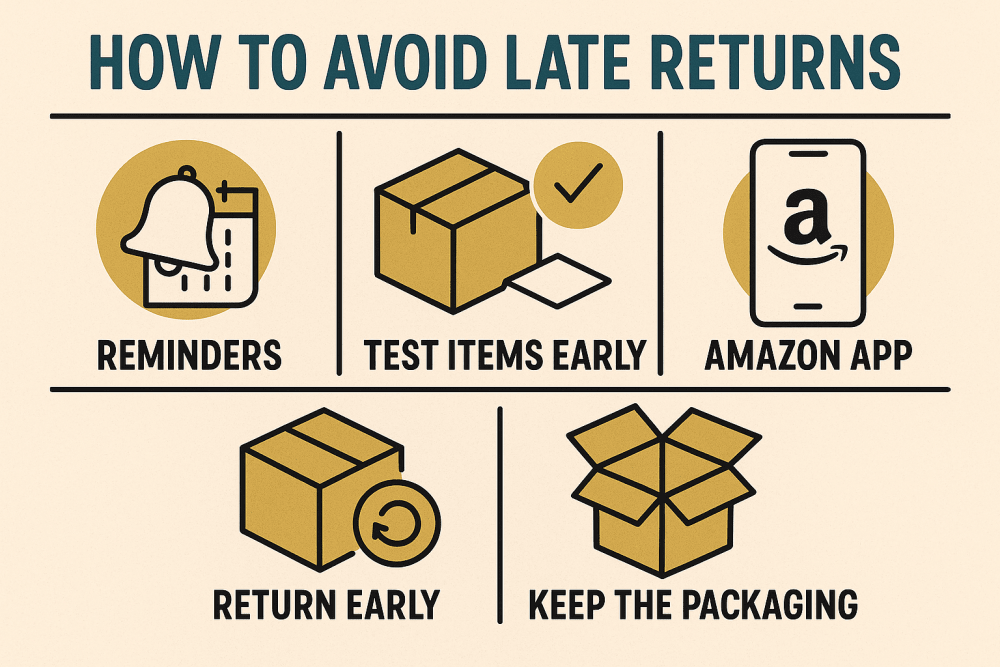
1. Set Simple Reminders
As soon as your order is delivered, take a moment to check the return deadline and add it to your phone or calendar. Setting a quick alert a few days before the cutoff helps you stay aware without having to constantly check your account. It’s a small step that makes a big difference.
2. Open and Test Items Early
Don’t wait until the last minute to open your package. Inspect and test your items right away so you have enough time to request a return if something isn’t right. This is especially important for electronics, clothes, or home appliances where minor defects can go unnoticed at first.
3. Use the Amazon App
The Amazon app is surprisingly useful for keeping track of your orders. It not only lists upcoming deadlines but can also send push notifications when your return window is about to close. Having that little reminder pop up on your screen can save you from missing the date entirely.
4. Start the Return Early
If you think you might return an item, start the process early. You can always cancel it later if you decide to keep the product. Starting early keeps you within the official timeframe and avoids problems with delayed shipping or busy schedules.
5. Keep the Packaging Handy
Holding onto the original box and packaging materials makes returns much faster and easier. You won’t have to scramble to find a replacement box or worry about missing barcodes. It also ensures your item reaches Amazon safely and gets processed without delays.
Staying organized and proactive turns the return process from a hassle into a quick routine. With just a few small changes, you can protect your refund and avoid the frustration of missing another return window.
Final Thoughts: Communication Is Key
Missing an Amazon return window can feel frustrating, but it’s not the end of the story. Amazon’s process is built around consistency, but it still leaves room for human understanding.
If you’re late by a few days, reach out to support. Be calm, clear, and respectful. Many people are surprised to find Amazon willing to make exceptions when the situation is reasonable.
The main thing to remember is that timing matters. Once the standard return window closes, there’s less flexibility, but exceptions may still be possible.
With a bit of awareness and better tracking habits, you’ll never have to stress about missing an Amazon return again.
Frequently Asked Questions
Can I still return something to Amazon after 30 days?
In most cases, Amazon’s standard return window is 30 days from the delivery date. Once that time passes, you can’t start a return through your account. However, you can still contact Amazon’s customer service to explain your situation. They sometimes approve late returns as a courtesy, especially if it’s your first time or you have a valid reason like illness or shipping delays.
What happens if I mail the item a few days late?
If your return is only a few days late, Amazon might still accept it, particularly if it was shipped before the cutoff or delayed in transit. In other cases, the package could be rejected and sent back to you without a refund. The best thing to do is contact customer service right away and ask them to note your case.
Does Amazon make exceptions for emergencies?
Yes. Amazon’s support team can override system limits in certain situations. Emergencies like hospitalization, family issues, or unexpected delays are usually taken into account. Be honest, explain your reason clearly, and include any documentation that supports your request.
Can I get a refund after 60 days?
After the standard return window, refunds become more difficult to obtain. At that point, Amazon’s systems may limit options, but exceptions can still occur in certain situations.
Will Amazon ban my account for sending a late return?
No, sending a late return won’t get your account banned. The worst outcome is that Amazon refuses the refund and sends the item back to you. However, repeatedly missing return windows or abusing the policy could raise red flags, so it’s best to stay within the official guidelines.
What if the item was sold by a Marketplace seller, not Amazon?
Third-party sellers on Amazon have their own return policies. Some allow returns beyond 30 days, while others are stricter. Check the seller’s profile page for their policy and contact them directly. If they don’t respond or act unfairly, you can file an A-to-Z Guarantee claim with Amazon for assistance.
 No credit card required