
 EN
EN  ES
ES  FR
FR  DE
DE  IT
IT  KO
KO  JA
JA  ZH
ZH  AR
AR  PT
PT  TR
TR PL
PL
When it comes to eCommerce, packing and shipping are more than just necessary steps – they’re crucial to ensuring your products arrive safely and your customers are satisfied. A well-packed order not only keeps your products in good shape but also strengthens your brand by showing you care about every detail. Whether you’re just starting or looking to improve your fulfillment process, this guide will walk you through the essentials of packing and shipping eCommerce orders like a pro. Let’s dive into the process that helps you deliver great service and keep your customers coming back.
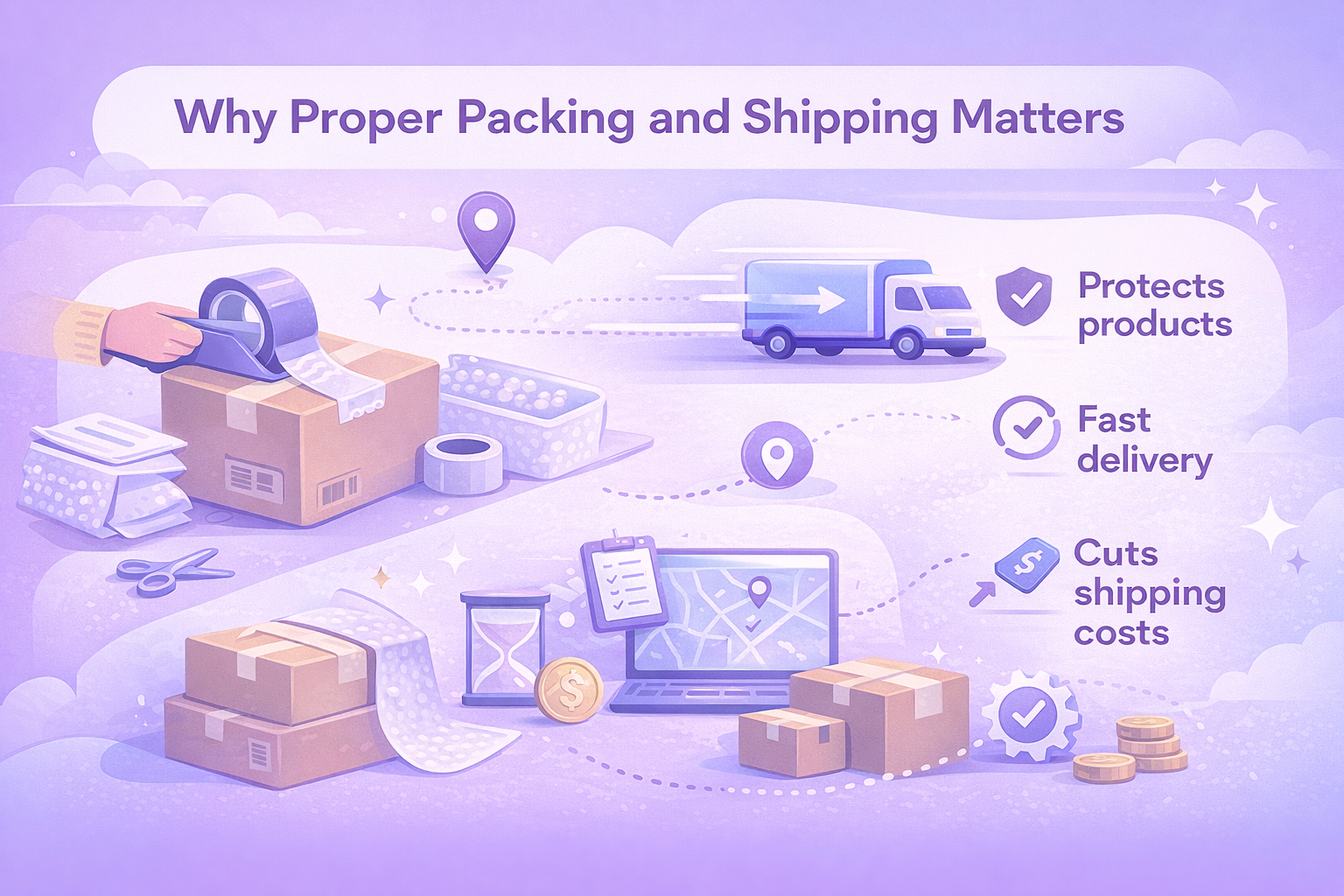
Why Proper Packing and Shipping Matters
At first glance, packing and shipping might seem like simple tasks. However, they can have a significant impact on the customer experience. Think about it: your product is probably traveling hundreds (or even thousands) of miles before it reaches its final destination. If it’s not packed securely or shipped in the right way, it can arrive damaged, delayed, or simply not meet the customer’s expectations.
Effective shipping can also help you save money. By understanding packaging materials, shipping methods, and fulfillment strategies, you can reduce shipping costs without sacrificing quality. When your packing and shipping process is smooth, customers get their products in perfect condition, on time, and with minimal hassle.
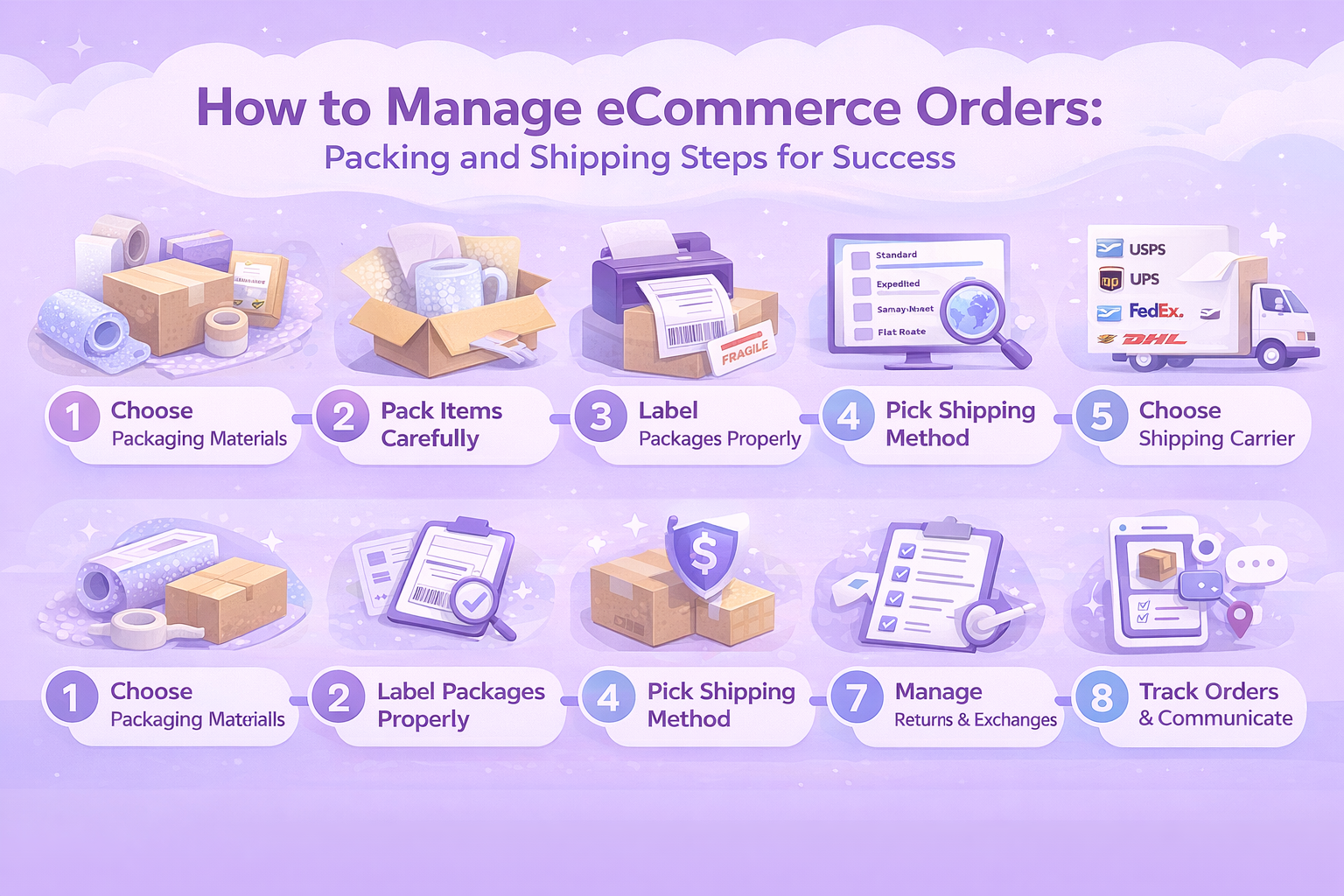
How to Manage eCommerce Orders: Packing and Shipping Steps for Success
Packing and shipping are key steps in delivering great customer experiences, but doing them the right way can be a challenge. Here are the essential stages to follow.
Step 1: Choose the Right Packaging Materials
Choosing the right packaging is more than just about aesthetics – it’s about ensuring your products arrive safely. Below are the key packaging materials you’ll need for various items:
Boxes
Sturdy cardboard boxes are ideal for most products, especially fragile items. They protect the contents from impact during transport. Make sure the box is appropriately sized – too big, and your items may shift around, too small, and they could get damaged.
Padded Envelopes or Poly Mailers
For flat, non-breakable items like clothing, books, or small accessories, padded envelopes or poly mailers are often sufficient. They’re lightweight and cost-effective.
Bubble Wrap and Packing Peanuts
These fillers provide an extra layer of protection, especially for fragile items like electronics or glassware. Use bubble wrap to wrap your product securely, and fill any empty spaces in the box with packing peanuts, air pillows, or crumpled paper to prevent movement during transit.
Foam Sheets or Air Pillows
For items with delicate surfaces or electronics, foam sheets or inflatable air pillows offer great cushioning. These materials protect against scratches, dents, and other damage during transport.
Stretch Wrap or Packing Tape
To keep everything securely fastened, make sure to use high-quality stretch wrap or packing tape to seal your boxes. Ensure that all seams and flaps are properly taped to avoid accidental openings.
Step 2: Pack Your Items Carefully
Once you have your packaging materials ready, it’s time to pack your items. Proper packing ensures your products are well-protected and safe from damage. Here’s how to do it:
- Wrap fragile items first: If your product is fragile (like glass or electronics), wrap it tightly in bubble wrap or foam sheets.
- Secure small items: Place smaller items like accessories or books inside padded envelopes or poly mailers.
- Avoid overpacking: While it’s important to use protective fillers, overpacking can cause stress on the box, which could lead to tearing or breakage.
- Use custom inserts (optional): If you’re looking to add a personal touch or brand your packaging, consider using custom inserts with your logo, instructions, or care information.
- Test the packing: Before sealing the box, gently shake it to check if anything moves around inside.
Step 3: Label Your Packages Properly
Proper labeling is crucial for a smooth shipping process. Clear, accurate labels ensure that your packages reach the right destination without unnecessary delays. Here’s what you need to do:
- Write the recipient’s address clearly and include the full name, street address, city, state or province, zip code, and country.
- Include your return address in the upper left corner or on the back of the package.
- Provide your customers with tracking information to add a layer of transparency and help avoid customer frustration.
- Mark the fragile items with a “Fragile” or “Handle with Care” sticker.
- Fill out a customs form detailing the contents and value of the package for international orders.
Step 4: Select the Right Shipping Method
Choosing the right shipping method depends on a variety of factors, including your budget, customer expectations, and the size and weight of the package. Here are some common options:
Standard Shipping
This is the most cost-effective option, typically taking 5-7 business days for delivery. It’s a good choice for non-urgent items or customers who don’t mind waiting a bit longer for their product.
Expedited Shipping
Faster than standard shipping, this method guarantees delivery within 2-3 business days. It’s ideal for customers who need their order quickly, but it comes at a higher cost.
Same-Day or Next-Day Shipping
Some businesses,especially those in high-demand sectors like groceries or electronics, offer same-day or next-day delivery. This requires efficient inventory management and a reliable delivery network.
Flat Rate Shipping
For predictable shipping costs, flat-rate shipping charges a set amount regardless of the weight or destination of the package. This method works well if you sell items that are fairly consistent in size and weight.
International Shipping
When shipping internationally, make sure to choose a carrier that offers reliable tracking and delivery times. International shipments can be more expensive, and customs fees may apply, so be transparent with customers about the cost.
Step 5: Choose a Reliable Shipping Carrier
The carrier you choose can impact both the delivery time and the cost. Here are a few popular options:
- United States Postal Service (USPS): Ideal for small, lightweight items, USPS offers affordable shipping options like First-Class and Priority Mail.
- FedEx: Known for fast, reliable service, FedEx is a great option for both domestic and international shipping, offering various delivery speeds.
- United Parcel Service (UPS): UPS is known for its reliability, especially for ground shipping and international deliveries.
- DHL: If you’re shipping internationally, DHL is a solid option for global coverage.
- Local Couriers: For local deliveries, consider using a regional courier that can offer same-day or next-day delivery for local customers.
Step 6: Consider Shipping Insurance
For high-value items, shipping insurance can protect both you and your customers. In case of damage, loss, or theft, the insurance will cover the cost of the product, allowing you to replace it quickly without taking a financial hit. While not all shipments require insurance, it’s a good idea for expensive electronics, jewelry, or fragile goods.
Step 7: Managing Returns and Exchanges
Returns are an inevitable part of eCommerce, but a clear and efficient return process can help you manage them with ease. Here are some tips for handling returns:
- Create a clear return policy: Be upfront with customers about how and when they can return items.
- Provide return labels: Consider including a pre-paid return label inside the package or allowing customers to print one easily from your website.
- Inspect returned products promptly: When a return is received, inspect the item for damage or signs of use.
- Restock or dispose of returned items: If a returned item is in good condition, restock it. If it’s damaged or unsellable, consider disposing of it or offering it at a discount.
Step 8: Track Your Orders and Communicate with Customers
Keeping customers informed about the status of their orders is essential for maintaining trust. Provide tracking numbers as soon as the order ships and send email updates when there are any delays or issues with the shipment. If the product is delayed or damaged, communicating openly with the customer will help maintain a positive relationship.
Selling, Shipping, and Packaging on Amazon: A Quick Guide
When selling on Amazon, packing and shipping your products properly is essential for both customer satisfaction and meeting Amazon’s specific requirements.
Selling on Amazon: Key Considerations
Before you even start packing and shipping, it’s important to optimize your product listings on Amazon. Here’s how you can set yourself up:
- Product listings: Ensure your product titles, descriptions, and images are clear, accurate, and follow Amazon’s guidelines.
- Seller account: Choose between an Individual account (no monthly fee but higher per-item fees) or a Professional account (monthly fee with additional features and lower per-item fees).
- Competitive pricing: Research the prices of similar products on Amazon to set competitive prices.
- Branding: Even though you don’t have full control over the presentation of your products on Amazon, ensure your brand name, logo, and packaging are included to maintain consistency and visibility.
Amazon Packaging Requirements
When it comes to packaging, Amazon has specific requirements to ensure safe delivery and product integrity. Here’s what you need to keep in mind:
- Box size and dimensions
- Product condition
- Barcoding requirements
- Packaging materials
- Sealing
FBA vs. FBM: Which Fulfillment Method Is Right for You?
Amazon offers two methods for fulfilling orders – Fulfillment by Amazon (FBA) and Fulfillment by Merchant (FBM). Here’s a breakdown of both:
Fulfillment by Amazon (FBA): You send inventory to Amazon’s fulfillment centers. Amazon takes care of packing, shipping, customer service, and returns. Your products become eligible for Amazon Prime, and customers benefit from fast, reliable shipping. FBA does have fees for storage and fulfillment, so managing inventory properly is key.
Fulfillment by Merchant (FBM): You handle everything – packing, shipping, and customer service. You have more control over the process but need to manage all aspects of shipping and returns. FBM is often preferred by sellers who have specialized products or want more control over the fulfillment process.
Shipping Methods for Amazon
Choosing the right shipping method depends on how you’re fulfilling orders – whether through FBA or FBM:
Shipping via FBA:
- Amazon ships the product directly to customers, offering fast delivery and Prime eligibility.
- With FBA, customers enjoy quick delivery through Amazon’s trusted logistics network.
Shipping via FBM:
- Standard shipping: Affordable but slower, ideal for non-urgent items.
- Expedited shipping: Faster delivery (typically 2-3 business days), suitable for customers willing to pay more for speed.
- Same-day/next-day shipping: Great for urgent orders but comes with higher costs.
Whether using FBA or FBM, ensure your shipping rates are competitive. You can offer free shipping or charge based on the item’s weight, size, or destination.
Managing Returns and Exchanges on Amazon
Returns are an inevitable part of the eCommerce experience, and Amazon handles returns differently for FBA and FBM sellers:
- FBA: Amazon handles returns for you. The customer sends the product back to Amazon’s fulfillment center, and Amazon processes the return according to your policy.
- FBM: You’re responsible for processing returns. Make sure to have a clear, easy-to-understand return policy and inspect the returned items carefully.
Best Practices for Packaging and Shipping on Amazon
To ensure you’re meeting Amazon’s standards for shipping and packaging, follow these best practices:
- Use proper packaging: Ensure that your products are packed securely. Avoid oversized boxes, and ensure that fragile items are well-protected with bubble wrap or foam.
- Follow Amazon’s labeling guidelines: Each product should be properly labeled with the correct barcode. This is especially important for FBA shipments, as they require specific FBA barcodes.
- Monitor inventory: Whether you use FBA or FBM, keep track of your inventory levels. Running out of stock can lead to missed sales and decreased visibility on Amazon.
Whether using FBA or FBM, make sure your products are shipped on time. Delays can lead to negative feedback and hurt your seller rating.

How WisePPC Can Help Improve Your Shipping and Packaging Efficiency
At WisePPC, we provide an advanced analytics toolkit specifically for marketplace businesses, including Amazon sellers. With our platform, you gain real-time insights into your ad campaigns, sales performance, and inventory management, allowing you to make smarter decisions that ultimately impact shipping and packaging.
For example, our bulk actions feature enables you to adjust multiple campaigns in just a few clicks, saving you time and reducing errors in ad management. This efficiency helps streamline overall operations, allowing you to focus more on timely order fulfillment.
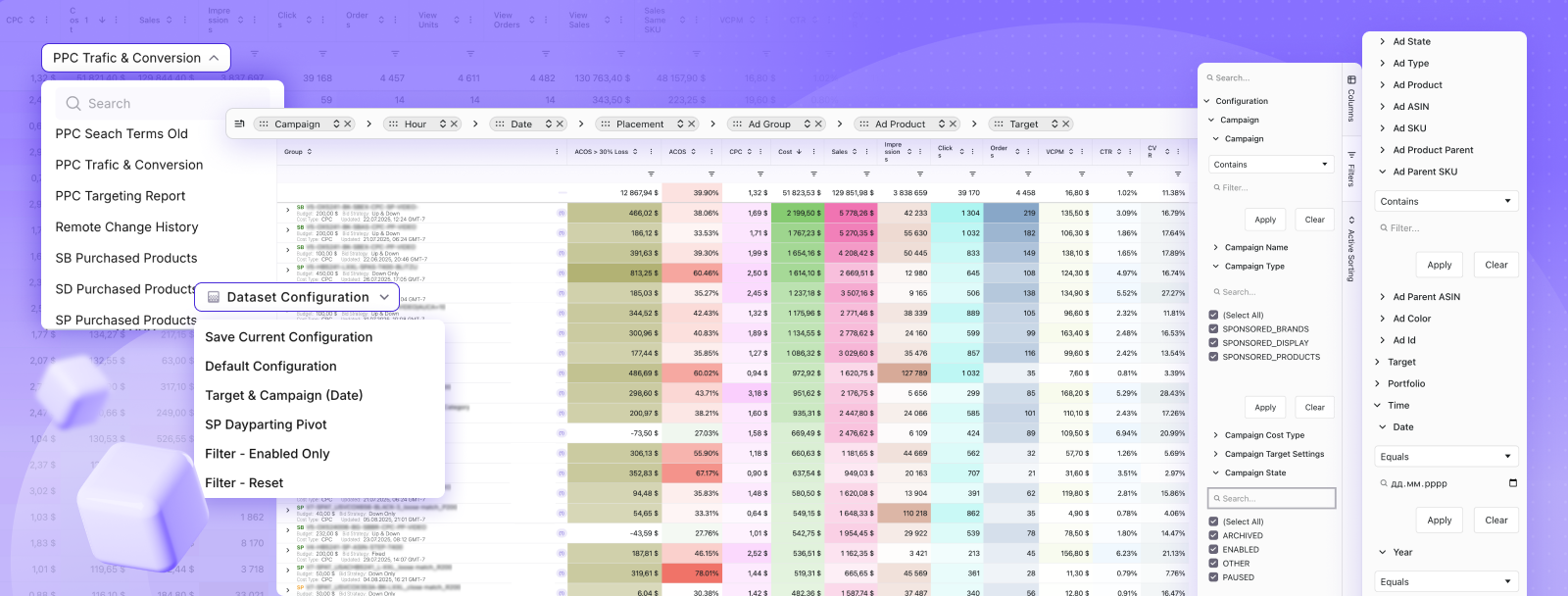
Moreover, WisePPC helps track historical data, providing insights into how your products perform during different seasons and in various regions. This allows you to forecast demand accurately, ensuring that your packaging is always prepared for your inventory levels. Whether you’re fulfilling orders through FBA or FBM, our multi-account reporting and granular analytics tools ensure you can optimize inventory decisions based on real-time sales and ad trends.
Final Thoughts
Packing and shipping may not always be the most glamorous aspects of running an eCommerce business, but they’re critical for ensuring customer satisfaction and retention. By choosing the right packaging, shipping method, and carrier, you can improve your efficiency, save money, and deliver a better experience to your customers.
As your business grows, consider automating parts of the fulfillment process and using tools like inventory tracking or multi-channel fulfillment to scale effectively. When you get packing and shipping right, your customers will get their products quickly and safely, and your business will be one step closer to success.
FAQ
1. What’s the best way to pack fragile items for shipping?
Packing fragile items requires a bit more care and attention to detail. You’ll want to use bubble wrap or foam sheets to cushion the item and then place it in a sturdy box. For extra protection, consider double-boxing – place the item in one box and then in another with more padding in between.
2. Should I offer free shipping on my eCommerce store?
Free shipping can definitely attract more customers, but it’s important to calculate how it fits into your pricing strategy. While it can be a great selling point, you’ll want to ensure you’re not losing money. Some sellers build shipping costs into their product price, or you can offer free shipping for orders over a certain amount. Consider your profit margins, and always be transparent with customers about delivery timelines.
3. How do I choose the right shipping carrier for my business?
Choosing the right shipping carrier depends on several factors like cost, delivery time, and your customers’ location. USPS is great for smaller, lighter items, especially if you’re shipping domestically. For larger packages, UPS or FedEx might be a better fit, as they offer more reliable tracking and faster services. DHL is an excellent option for international shipments.
 No credit card required