
 EN
EN  ES
ES  FR
FR  DE
DE  IT
IT  KO
KO  JA
JA  ZH
ZH  AR
AR  PT
PT  TR
TR PL
PL
Quick Summary: Amazon Black Friday 2026 is expected to run for around 10–14 days, following the same structure used in recent years. The event typically starts in the week leading up to Black Friday and continues through Cyber Monday, forming one extended shopping period.
While exact dates have not been officially announced, Amazon has consistently followed this format, making it a reliable baseline for planning.
Black Friday 2026 is shaping up to be Amazon’s biggest shopping event yet. But here’s the thing—it’s not just one day anymore.
Amazon has transformed Black Friday from a single-day shopping frenzy into an extended event spanning approximately two weeks. For 2026, understanding the exact timeline is crucial for snagging the best deals before they vanish.
Let’s break down exactly how long this shopping marathon lasts and when to mark your calendar.
Amazon Black Friday 2026: Expected Timeline
Amazon has not confirmed the exact schedule for 2026. However, based on previous years, the event typically follows a predictable pattern tied to the U.S. Thanksgiving calendar.
| Event Phase | Expected Timing | Duration |
| Early Deals | Days leading up to Black Friday | Several days |
| Black Friday Week | Week before Black Friday | ~7–10 days |
| Black Friday (peak day) | Late November (Friday) | 24 hours |
| Cyber Monday period | Immediately after Black Friday weekend | 2–3 days |
| Total Deal Period | Late November into early December | ~10–14 days |
Instead of a single-day sale, Amazon now runs a continuous event where deals appear in waves across different categories.
Why the Extended Timeline?
Amazon gradually moved away from the traditional one-day model. The extended format solves several operational and commercial challenges:
- reduces pressure on logistics and fulfillment
- spreads traffic across multiple days
- allows more products to be promoted
- gives shoppers more flexibility
At this point, the multi-day format is standard, not experimental.

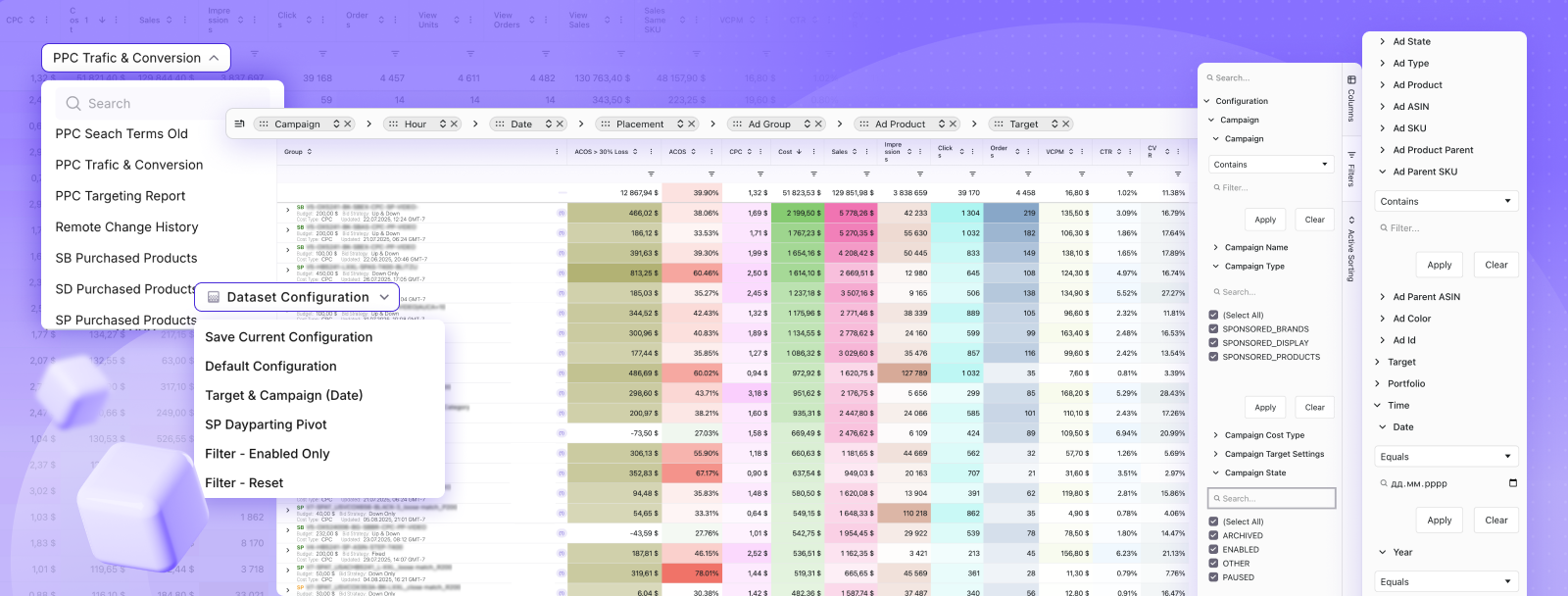
Get the Truth Behind Your Ad Performance With WisePPC
WisePPC helps break down what each campaign and keyword is actually doing. Instead of looking at separate reports, it connects advertising and sales data so it is easier to see which ads contribute to growth. This makes it easier to find underperforming campaigns and adjust them quickly.
Trying to Understand Ad Results?
Use WisePPC to:
- analyze campaign and keyword performance
- connect ads with product sales
- identify what is driving results
👉 Explore WisePPC to understand your Amazon advertising data.
Key Events Within the Black Friday
Not all days are created equal during Amazon’s Black Friday period. Some dates carry more weight for specific types of deals and shopping strategies.
Opening Bell
The event launches at 12:01 AM Pacific Time. Early deals focus on Amazon devices (Echo, Fire tablets, Kindle), smart home products, and holiday gift categories.
Prime members get 30-minute early access to Lightning Deals starting from this date—a significant advantage when popular items sell out in minutes.
Traditional Black Friday
This remains the single biggest shopping day. Retailers release their deepest discounts, and traffic peaks across all categories.
According to NRF data, Black Friday 2025 attracted 80.3 million in-store shoppers and 85.7 million online shoppers.
Small Business Saturday and Post-Black Friday
Amazon highlights small business sellers during this window. Many Prime-exclusive deals continue, and inventory restocks on popular items that sold out Friday.
Cyber Monday Window
Tech deals dominate this period. Electronics, computers, gaming consoles, and software see their steepest discounts. Amazon typically saves some exclusive deals for this final push.
According to NRF data, 134.9 million online shoppers participated in the 2025 holiday period, representing a 9% increase in online shopping compared to 2024.
Deal Types and When They Appear
Amazon deploys multiple deal formats throughout Black Friday. Knowing which type appears when helps optimize shopping strategy.
Lightning Deals
These fast-moving promotions last just a few hours and feature limited quantities. Once inventory depletes or time expires, the deal ends.
Lightning Deals appear throughout the day but concentrate in morning hours (3 AM – 12 PM PT). Prime members access them 30 minutes early—often the difference between securing an item and missing out.
Limited Time Deals
These run for days or weeks with larger inventory allocations. The discount remains consistent throughout the period unless stock runs out.
Limited Time Deals provide the safest approach for non-urgent purchases since they don’t create artificial scarcity pressure.
Prime Exclusive Discounts
Only Prime members see these deals. They often represent the deepest discounts Amazon offers, particularly on Amazon devices, Whole Foods products, and select partner brands.
What to Expect in Popular Categories
Deal quality varies significantly by product category. Some categories consistently see better Black Friday discounts than others.
Electronics and Tech
Expect 30-50% off TVs, headphones, smart speakers, and tablets. Cyber Monday traditionally brings the deepest tech discounts.
Amazon devices like Echo Dot, Fire TV Stick, and Kindle typically hit their lowest prices of the year—often 50% or more off regular pricing.
Home and Kitchen
Appliances from brands like Ninja, Instant Pot, and Shark see discounts of 40-55%. Decorative items and holiday-specific products often drop to clearance levels as the event progresses.
Fashion and Apparel
Clothing deals appear inconsistent. Designer brands occasionally offer 30-40% discounts through limited-time promotions, while everyday apparel sees smaller 15-25% reductions.
Toys and Games
Major toy brands participate heavily. Discounts range from 20-40% on popular items. Inventory moves quickly on trending toys, making early shopping critical.
Shopping Strategy: Maximizing the Extended Timeline
Two weeks of deals requires a different approach than traditional one-day Black Friday shopping.
Week One Strategy
Focus on research and watchlist building. Add desired items to cart or wishlists. Track price history using tools like CamelCamelCamel to identify genuine deals versus artificial markups.
Purchase Amazon device deals early—these rarely improve after initial discounts and often sell out by week two.
Peak Shopping Days
Execute on high-priority purchases. Monitor Lightning Deals closely. Set alerts for specific items using Amazon’s built-in notification system.
Traffic peaks during these days, potentially causing checkout delays. Having payment and shipping information pre-saved eliminates friction when deals go live.
Final Days Strategy
Look for clearance pricing on remaining inventory. Some sellers drop prices further to move stock before the event ends.
Tech deals peak during this window. Hold off on electronics purchases until Cyber Monday unless specific items show limited stock.
Common Mistakes to Avoid
Extended sales create unique pitfalls that don’t exist in one-day events.
- Waiting too long: Popular items sell out early despite the two-week window. Don’t assume inventory will last.
- Ignoring price tracking: Not all “deals” represent actual savings. Some items get marked up before the event to make discounts appear larger.
- Skipping price comparisons: Amazon doesn’t always offer the lowest price. Check competitor sites, especially for electronics and appliances.
- Cart abandonment: Adding items to cart doesn’t reserve them. Complete checkout to secure Lightning Deal pricing before inventory depletes.
Frequently Asked Questions
Do I need Prime membership for Black Friday deals?
No, but Prime members get advantages like early access to Lightning Deals, exclusive discounts, and free fast shipping.
When do the best deals drop during Black Friday 2026?
Top deals usually appear on Black Friday and Cyber Monday. Electronics peak on Cyber Monday, while home goods and fashion often peak on Black Friday.
Will deals sell out before the event ends?
Yes, popular items can sell out quickly—sometimes within hours. Shopping early is the safest strategy for high-demand products.
How does Amazon Black Friday compare to other retailers?
Amazon often matches or beats prices, especially for electronics, but other retailers may offer better deals in specific categories.
Can I return Black Friday purchases?
Yes, standard return policies apply. Many holiday purchases have extended return windows through January 31.
Do prices drop further as Black Friday progresses?
Sometimes, but not always. Waiting can lead to better deals or sold-out items—tracking specific products is more reliable.
The Bottom Line
Amazon Black Friday 2026 is expected to run for roughly two weeks, covering the period around Black Friday and extending through Cyber Monday, with deals rolling out continuously across that window.
The extended timeline provides unprecedented flexibility but demands strategic shopping. Early deals on Amazon devices warrant immediate action. Electronics benefit from waiting until Cyber Monday. Everything else requires case-by-case judgment based on inventory levels and price tracking.
Prime membership delivers tangible value during this event through early Lightning Deal access and exclusive discounts. The 30-day free trial makes testing membership risk-free for new customers.
 No credit card required