
 EN
EN  ES
ES  FR
FR  DE
DE  IT
IT  KO
KO  JA
JA  ZH
ZH  AR
AR  PT
PT  TR
TR PL
PL
Quick Summary: Amazon does not accept Afterpay directly at checkout, but shoppers can use two proven workarounds: purchasing Amazon gift cards through the Afterpay app or using Afterpay’s single-use payment card feature for eligible purchases. Both methods allow customers to split payments over time while shopping on Amazon.
The question “does Amazon take Afterpay” frustrates shoppers who want flexible payment options. Amazon’s checkout doesn’t support Afterpay natively, which means you won’t find it listed alongside credit cards and debit cards during purchase.
But here’s the thing—you’re not completely out of luck.
Afterpay has built workarounds that let customers access Amazon’s massive product catalog while spreading payments over time. These methods require a few extra steps compared to direct integration, but they deliver the same buy now, pay later experience that makes Afterpay popular.
Why Amazon Doesn’t Accept Afterpay Directly
Amazon operates its own payment ecosystem with strict control over checkout options. The platform focuses on Amazon Pay, credit cards, debit cards, and its own financing programs rather than third-party buy now pay later services.
This approach gives Amazon complete data ownership and transaction control. While competitors like Target and Walmart have embraced Afterpay and similar services, Amazon has maintained its closed payment environment.
The retail giant’s strategy prioritizes its own financial products and partnerships. Amazon offers store cards, payment installment plans through third-party lenders, and promotional financing on specific purchases—all systems that keep customer relationships within Amazon’s infrastructure.
What Is Afterpay and How Does It Work
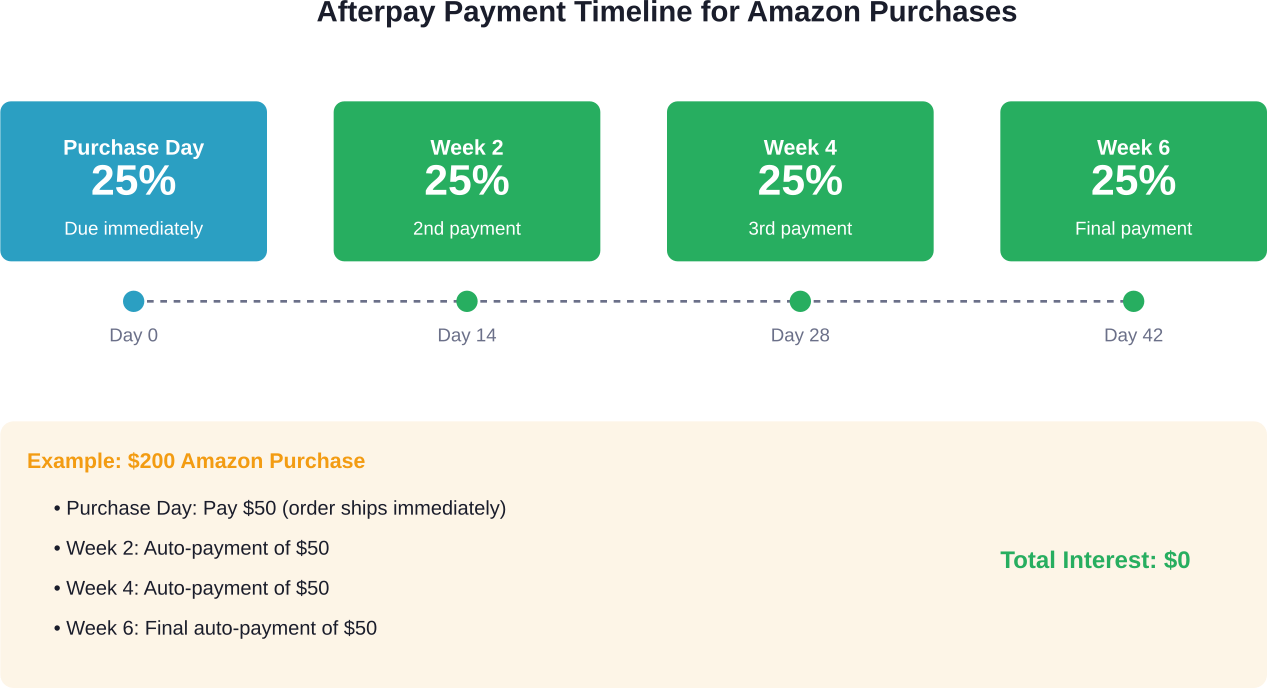
Afterpay is a buy now, pay later service that splits purchases into four interest-free installments. Customers pay 25% at purchase, then three additional payments every two weeks, with the full amount due generally over 6 weeks.
The service performs a soft credit check that doesn’t impact credit scores. Approval happens instantly for most customers, with spending limits that increase as users build payment history.
According to the official Afterpay website, the platform offers multiple payment structures beyond the standard Pay in 4 option. Monthly plans spread payments over 3, 6, 12, or 24 months for larger purchases, though interest may apply to these extended plans.
Afterpay sends reminders before each payment and caps late fees to help users stay on track. The Pay in 4 option charges no late fees when customers pay on time, making it a straightforward budgeting tool.

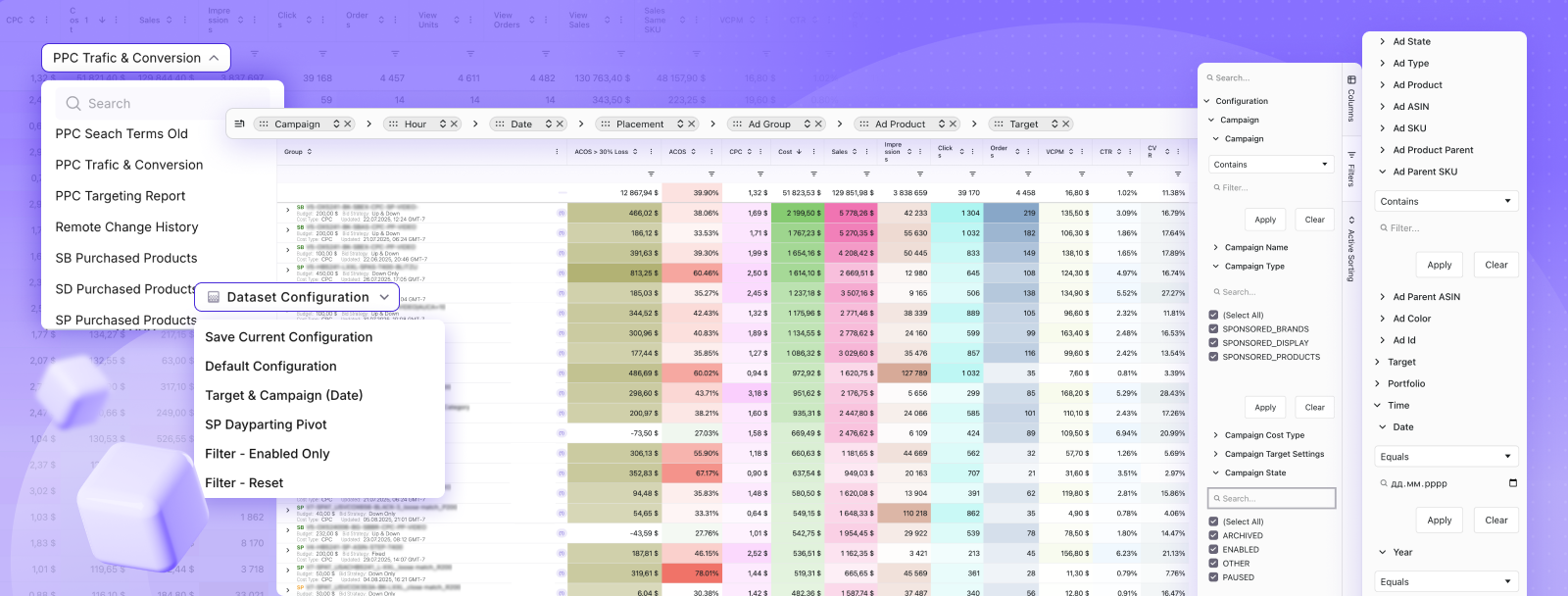
Track What’s Working in Your Ads With WisePPC
WisePPC helps sellers on Amazon see how advertising performs and how it connects to product sales. It brings campaign data, keyword results, and product metrics into one place, so performance is easier to read. It also shows trends over time, helping you react faster when results change.
Need a Clearer View of Your Ads?
Use WisePPC to:
- track campaign and keyword performance
- see how ads impact product sales
- spot trends and performance changes
👉 Explore WisePPC to understand your Amazon advertising data.
The Two Proven Methods to Use Afterpay for Amazon Purchases
Afterpay has created two official pathways for Amazon shopping. Both work reliably, though each has specific requirements and limitations.
Method 1: Amazon Gift Cards Through Afterpay
The Afterpay app sells Amazon gift cards in denominations from $5 to $500. This method converts your Afterpay purchasing power into Amazon credit that works like cash on the platform.
Here’s how the process works:
- Download the Afterpay mobile app and create an account or log in to your existing profile.
- Navigate to the gift card section within the app and search for Amazon.
- Select your desired gift card amount between $5 and $500.
- Complete the purchase using Afterpay’s payment structure.
- Receive the digital gift card code via email, typically within minutes.
- Apply the gift card to your Amazon account through the gift card balance section.
- Shop on Amazon and use your gift card balance at checkout.
This method has one significant limitation: Amazon gift cards may not be available to brand new Afterpay customers or users who haven’t established consistent repayment history. Afterpay restricts gift card access as a risk management measure.
The gift card approach works best for customers who know approximately how much they want to spend on Amazon. Once applied to your account, Amazon gift cards never expire and cover any product category.
Method 2: Afterpay Single-Use Payment Card
Afterpay’s single-use card feature generates virtual payment cards that function like debit cards at checkout. This method offers more flexibility than gift cards for specific purchases.
The single-use card process follows these steps:
- Open the Afterpay app and browse available retailers, including Amazon.
- Select Amazon from the store directory within Afterpay.
- Choose your intended purchase amount to generate a single-use card.
- Afterpay creates a virtual card number with expiration date and CVV.
- Navigate to Amazon and add items to your cart matching your approved amount.
- At checkout, enter the virtual card details as you would a regular debit card.
- Complete the purchase, and Afterpay splits the payment into installments.
This method requires precise amount matching. The virtual card authorizes for a specific dollar amount, so your Amazon cart total must align closely with the approved purchase value.
Single-use cards expire quickly—typically within 24 hours—so customers need to complete their Amazon purchase promptly after card generation.
Comparing the Two Afterpay Methods for Amazon
Each method suits different shopping patterns and customer needs. Understanding the strengths and limitations helps determine which approach fits specific situations.
| Feature | Gift Card Method | Single-Use Card Method |
|---|---|---|
| Availability | Requires established Afterpay history | Available to most approved users |
| Amount Flexibility | $5 to $500 per card | Matches specific purchase amount |
| Expiration | Never expires once applied to Amazon | 24 hours to complete purchase |
| Best Use Case | General shopping, building account balance | Specific items with known prices |
| Cart Matching | No exact matching required | Must match approved amount closely |
| Multiple Purchases | Yes, until balance depleted | One purchase per virtual card |
The gift card method offers more flexibility for browsing and multiple purchases. Customers can load their Amazon account with credit and spend it gradually across different orders.
Single-use cards work better for targeted purchases when shoppers know exactly what they want and the total cost. This method requires more precision but doesn’t depend on gift card availability.
Limitations and Restrictions to Know
Both Afterpay methods for Amazon come with constraints that affect usability. Understanding these limitations prevents frustration during checkout.
New Customer Restrictions
Afterpay limits gift card purchases for new users and those without consistent payment history. This restriction exists across all gift card retailers, not just Amazon.
New customers typically need to complete several purchases and payments successfully before gaining gift card access. The exact threshold isn’t publicly disclosed, though established Afterpay history is required before gift card access becomes available.
Amount Matching Requirements
Single-use virtual cards authorize for specific dollar amounts. Amazon’s cart total must align with the approved card value, which becomes tricky when:
- Taxes vary by shipping destination
- Shipping costs change based on delivery speed
- Prime membership affects shipping fees
- Promotional discounts apply at checkout
Small discrepancies can cause transaction declines. Some users add filler items to reach the exact approved amount, though this defeats the purpose of targeted shopping.
Card Expiration Windows
Afterpay single-use virtual cards remain valid for 48 hours after generation. This tight window requires customers to complete their Amazon purchase quickly after card creation.
Cart abandonment becomes problematic—if plans change or items go out of stock, the virtual card expires and customers must generate a new one for a different amount.
Purchase Category Exclusions
Afterpay restricts certain purchase categories regardless of method. These typically include:
- Alcohol and tobacco products
- Gift cards for other retailers (when using Amazon gift card balance)
- Some digital products and subscriptions
- Specific high-risk categories determined by Afterpay
Amazon’s own restrictions layer on top of these. Gift card balances can’t purchase other gift cards, and some digital content has payment method limitations.
Benefits of Using Afterpay for Amazon Purchases
Despite the workarounds required, Afterpay delivers genuine value for Amazon shoppers who want payment flexibility.
Budget Management Without Interest
The Pay in 4 structure spreads costs over six weeks with no interest charges. This helps customers manage large purchases without credit card interest accumulation.
Automatic payment reminders reduce the mental overhead of tracking due dates. Afterpay caps late fees and sends notifications before charging penalties, creating a more forgiving system than traditional credit.
No Credit Score Impact
Afterpay performs soft credit checks that don’t affect credit scores. Approval happens instantly without the hard inquiry that credit cards and loans require.
This makes Afterpay accessible to customers building credit or those who prefer not to use traditional credit products for everyday purchases.
Spending Limits That Grow
Afterpay assigns initial spending limits based on multiple factors, then increases limits as customers demonstrate consistent repayment. This gradual expansion encourages responsible usage while providing access to larger purchases over time.
Higher limits unlock through successful payment history rather than credit score improvements, creating an alternative path to increased purchasing power.
Tips for Successfully Using Afterpay on Amazon
These strategies maximize success rates and minimize complications when combining Afterpay with Amazon shopping.
Build Afterpay History First
New users should make several smaller purchases at other Afterpay retailers before attempting Amazon gift card purchases. This establishes the payment history needed for gift card access.
Starting with direct Afterpay retailers—stores where Afterpay appears at checkout—builds trust in the system while learning how payments work.
Calculate Total Costs Accurately
For single-use cards, add items to the Amazon cart first and proceed to the final checkout screen to see the exact total including taxes and shipping. Use this precise amount when generating the virtual card.
Amazon Prime members should verify whether Prime shipping applies to all cart items, as mixed shipping speeds can alter final costs.
Use Gift Cards for Flexibility
When eligible for gift card purchases, this method provides the most forgiving experience. Loading Amazon account balance removes time pressure and amount-matching requirements.
Customers can purchase multiple gift cards in smaller denominations if needed, though each requires separate Afterpay approval and creates separate payment schedules.
Check Available Balance Before Shopping
Afterpay displays available spending limits within the app. Verify current limits before browsing Amazon to avoid finding desired items that exceed available credit.
Limits refresh as scheduled payments complete, so timing large purchases after payment due dates can provide access to higher amounts.
Keep Payment Methods Updated
Afterpay processes automatic payments from linked bank accounts or cards. Ensuring payment methods have sufficient funds prevents missed payments and associated fees.
The app sends reminders before each payment, but proactive balance checking eliminates surprises.
Alternatives to Afterpay for Amazon Purchases
Amazon offers its own payment flexibility options, and other buy now pay later services provide different approaches.
Amazon’s Built-In Payment Plans
Amazon partners with Affirm to offer installment plans on qualifying purchases, typically those over $50. These plans appear during checkout on eligible items and provide monthly payment options.
The Amazon Store Card and Amazon Prime Store Card offer special financing promotions on larger purchases, though these require credit approval and function as traditional credit products.
Other Buy Now Pay Later Services
Services like Klarna and PayPal Pay in 4 face the same integration limitations as Afterpay—Amazon doesn’t accept them directly at checkout. Some offer similar workaround methods through virtual cards or gift card purchases.
Each service has different approval criteria, payment structures, and fee models. Comparing options based on individual financial situations yields the best fit.
Common Issues and Troubleshooting
Problems occasionally arise when using Afterpay workarounds for Amazon. These solutions address the most frequent complications.
Gift Card Code Not Working
Digital gift card codes should arrive via email within minutes of purchase. Check spam folders if codes don’t appear quickly. Afterpay customer support can resend codes or resolve delivery issues.
When applying codes to Amazon accounts, ensure accurate entry without extra spaces. Amazon’s gift card balance page shows successful redemptions immediately.
Virtual Card Declined at Checkout
Declined virtual cards typically result from amount mismatches. The cart total must fall within a few cents of the approved card value. Adding or removing small items to match exactly often resolves the issue.
Card expiration also causes declines. Generate a new virtual card if more than 24 hours have passed since the original creation.
Payment Method Not Accepted
Some Amazon products restrict payment methods. Digital subscriptions, certain electronics, and pre-order items may not accept gift card balance or particular card types.
Attempting the purchase with a different payment method or choosing an alternative product usually resolves these category-specific restrictions.
Afterpay Account Spending Limit Reached
Spending limits include all pending Afterpay purchases across retailers, not just Amazon. Outstanding balances count against available credit until payments complete.
Waiting for scheduled payments to process increases available spending limits. The app displays when the next payment will clear and how much credit will become available.
Is Using Afterpay on Amazon Worth the Extra Steps
The value proposition depends on individual circumstances and shopping habits. Afterpay’s workarounds add complexity compared to direct payment integration at other retailers.
For customers who need payment flexibility and already use Afterpay regularly, the gift card method integrates smoothly into existing habits. Established users with gift card access can load Amazon balances during high-limit periods and shop gradually.
New Afterpay users or those making infrequent Amazon purchases may find the single-use card method frustrating. Amount matching and expiration windows create friction that diminishes the convenience factor.
The interest-free payment structure remains valuable regardless of method. Customers who would otherwise put Amazon purchases on credit cards save on interest charges, making the extra steps worthwhile for budget-conscious shoppers.
Real talk: if Amazon offered direct Afterpay integration, usage would skyrocket. But until that happens, these workarounds provide legitimate access to split payment functionality.
Frequently Asked Questions
Does Amazon officially accept Afterpay at checkout?
No, Amazon does not support Afterpay directly. However, you can use workarounds like buying Amazon gift cards through Afterpay or using Afterpay’s virtual cards.
Can I buy Amazon gift cards with Afterpay?
Yes, eligible Afterpay users can purchase Amazon gift cards through the Afterpay app once they have sufficient account history.
How does the Afterpay single-use card work for Amazon?
The Afterpay app generates a virtual card that works like a debit card. You enter it at checkout, and the total is split into installments.
What are the limitations of using Afterpay on Amazon?
Limitations include restricted access for new users, virtual card expiration, exact payment matching, and restrictions on some products.
Does using Afterpay for Amazon purchases affect my credit score?
No, Afterpay uses soft checks that don’t impact your credit score.
Are there fees for using Afterpay on Amazon purchases?
There’s no interest if payments are made on time. Late fees may apply if payments are missed.
Can I return items bought on Amazon using Afterpay?
Yes, returns follow standard Amazon policies. Refunds go to your Amazon balance or adjust your Afterpay payment plan.
Conclusion
Amazon doesn’t take Afterpay through standard checkout integration, but the workarounds provided by Afterpay deliver functional alternatives for shoppers who want payment flexibility.
The gift card method suits customers with established Afterpay history who want general shopping freedom. Single-use virtual cards work for targeted purchases when shoppers know exact amounts and can complete transactions within 24 hours.
Both approaches require extra steps compared to retailers with direct Afterpay integration. But for budget-conscious customers who value interest-free payment splitting, these methods unlock Amazon’s vast product selection while maintaining financial flexibility.
Download the Afterpay app to explore both methods and see which fits shopping patterns. Check available spending limit and gift card access, then start with smaller purchases to understand the process before tackling larger Amazon orders.
 No credit card required