
 EN
EN  ES
ES  FR
FR  DE
DE  IT
IT  KO
KO  JA
JA  ZH
ZH  AR
AR  PT
PT  TR
TR PL
PL
Quick Summary: Yes, Amazon delivers on Labor Day. While it’s a federal holiday and many services shut down, Amazon operates 7 days a week including Labor Day. Delivery times may vary, and some shipments might experience slight delays, but Prime and standard deliveries generally continue as scheduled throughout the holiday weekend.
Labor Day marks the unofficial end of summer and honors American workers’ contributions to the country’s prosperity. But here’s the thing—while most people enjoy a three-day weekend, many wonder whether their online orders will arrive on schedule.
According to the U.S. Department of Labor, Labor Day is observed on the first Monday in September each year. In 2026, that falls on September 7. It’s a federal holiday, which means government offices close and many businesses give employees the day off.
But does Amazon follow that same schedule? The short answer: no.
Amazon’s Labor Day Delivery Policy
Amazon operates on a continuous delivery schedule that doesn’t stop for most holidays. Unlike traditional retail stores or government services, Amazon’s logistics network runs seven days a week, including Labor Day.
According to Amazon Seller Central documentation, Labor Day appears on the company’s official shipping holiday list, but with an important distinction. For Fulfillment by Amazon (FBA) sellers, Labor Day is noted as a day when ship dates aren’t assigned, but deliveries still occur. For third-party FBM (Fulfilled by Merchant) sellers, Labor Day is recognized as a shipping holiday, meaning sellers aren’t penalized for not processing shipments that day.
Here’s what that means for customers: Amazon’s delivery network continues operating on Labor Day. Packages already in transit will be delivered. Fresh orders placed on Labor Day weekend may ship, though processing times might extend due to reduced staffing.
What About Amazon Prime Deliveries?
Prime members typically enjoy one-day or two-day delivery on eligible items. On Labor Day, these services generally continue, though Amazon doesn’t guarantee the same speed as regular business days.
In March 2026, Amazon introduced express delivery options that include 1-hour and 3-hour delivery windows for selected products. Prime members pay $9.99 for 1-hour delivery ($4.99 for 3-hour), while non-members pay $19.99 for 1-hour delivery ($14.99 for 3-hour). These express services operate in more than 2,000 cities across the United States, and they typically continue on Labor Day in participating areas, though availability may be reduced.
How Amazon Compares to Other Carriers on Labor Day
The shipping landscape looks very different across carriers during Labor Day. Understanding these differences helps set realistic expectations for your deliveries.
| Carrier | Labor Day Operations | Delivery Status |
|---|---|---|
| Amazon | Operating | Deliveries continue with possible delays |
| USPS | Closed | No mail delivery, post offices closed |
| FedEx | Limited operations | Some services available, varies by location |
| UPS | Limited operations | Express services only in some areas |
The United States Postal Service completely shuts down on Labor Day. That means no mail delivery, and post offices remain closed. If Amazon relies on USPS for the final delivery leg of your package—which happens frequently in rural areas—your delivery will experience delays.
FedEx and UPS maintain limited operations. Express and priority services might be available, but standard ground shipping typically pauses. These carriers charge premium rates for holiday delivery when available.
Amazon’s Logistics Advantage
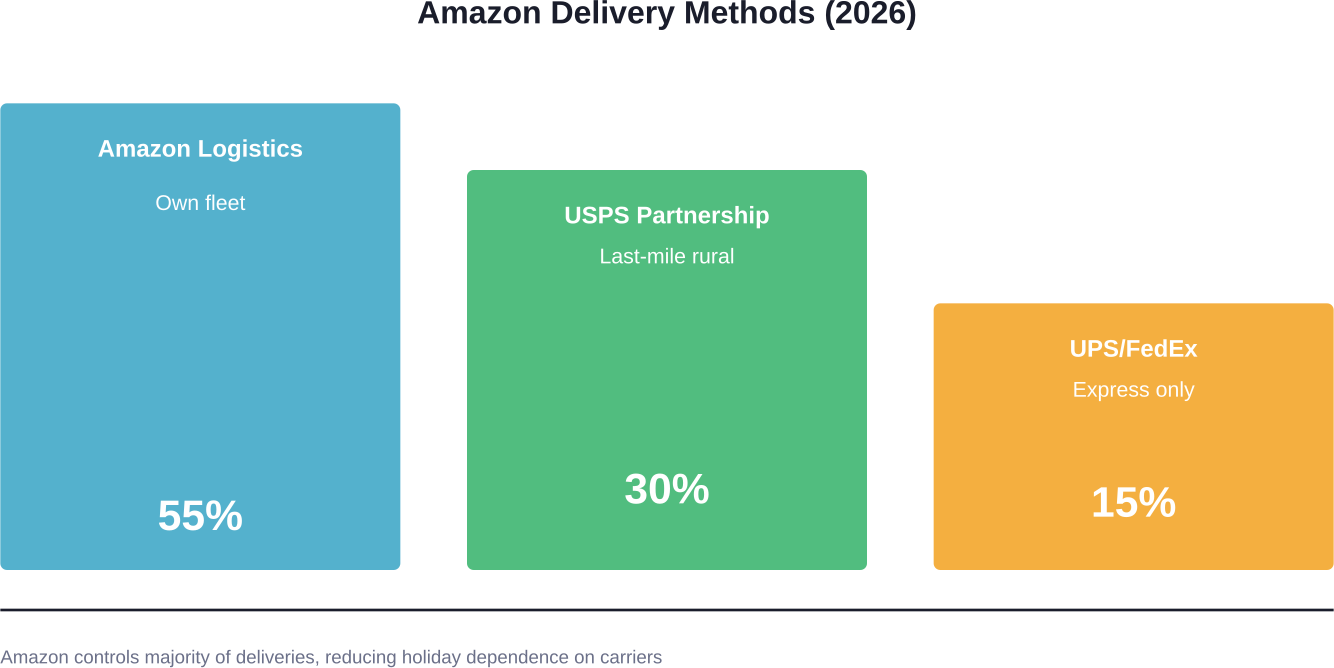
Amazon built its own delivery infrastructure specifically to avoid dependence on traditional carriers. The company operates its own fleet of delivery vans, contracts with independent delivery service providers, and utilizes Amazon Flex drivers who use their personal vehicles.
This proprietary network gives Amazon control over holiday scheduling. While UPS drivers and postal workers enjoy Labor Day off, Amazon delivery partners often work through the holiday to maintain service levels.
When Labor Day Might Delay Your Amazon Order
While Amazon delivers on Labor Day, several scenarios can cause delays during the holiday weekend.
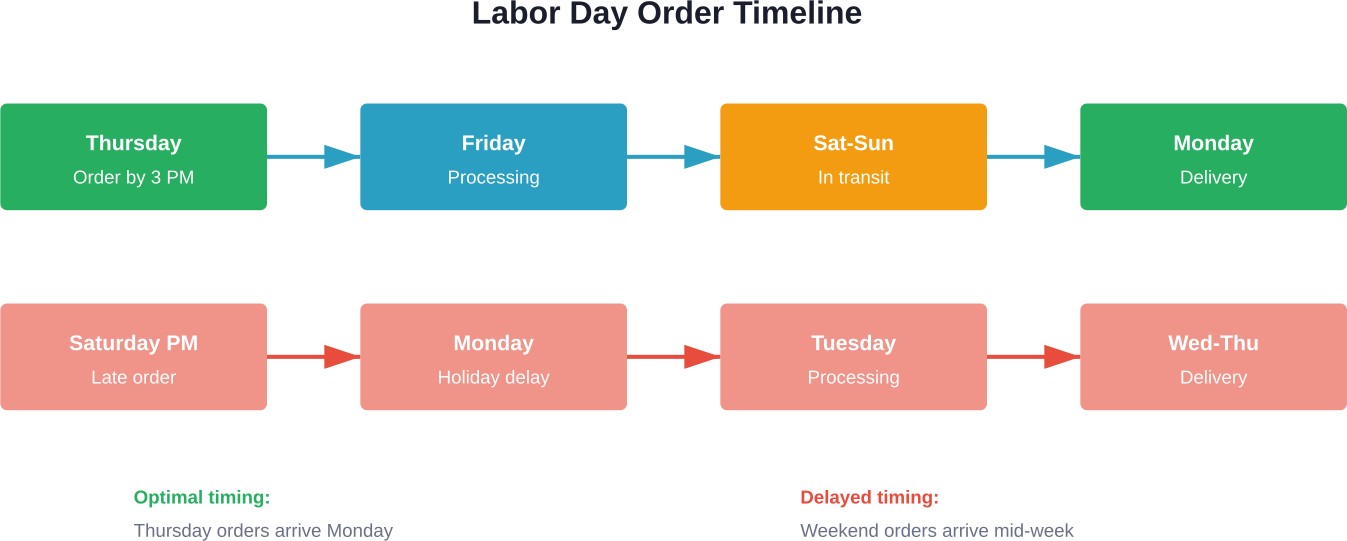
Orders placed late Friday or Saturday might not process until after the holiday. Amazon warehouses operate with reduced staff on holidays, which can slow fulfillment times. What normally ships within hours might take 12-24 hours longer.
Third-party sellers who fulfill their own orders often take Labor Day off entirely. If the product listing shows “Ships from and sold by” anyone other than Amazon.com, expect potential delays. According to Amazon Seller Central guidelines, FBM sellers aren’t required to ship on recognized holidays, and Labor Day makes that list.
Rural deliveries face the biggest impact. Amazon frequently partners with USPS for final-mile delivery in areas where maintaining their own delivery infrastructure isn’t cost-effective. Since USPS doesn’t operate on Labor Day, these packages wait until Tuesday for delivery.
Weather and Volume Factors
Labor Day weekend traditionally sees increased shipping volume as shoppers take advantage of end-of-summer sales. Higher order volumes strain logistics networks even under normal circumstances. Add a holiday into the mix, and processing times extend.
Late summer weather patterns, particularly in coastal and southern regions, can disrupt transportation networks. Hurricane season peaks in September, and even tropical storms hundreds of miles away can reroute air cargo and delay ground shipments.
Planning Your Labor Day Amazon Orders
Smart timing makes all the difference when ordering around holidays. Here’s how to maximize the chances of on-time delivery.
Order by Thursday afternoon for weekend delivery. Amazon’s algorithms calculate delivery dates based on when orders are placed. Thursday orders have the best chance of processing and shipping before holiday staffing reductions kick in.
Check the seller information carefully. Products fulfilled by Amazon (marked “Fulfilled by Amazon” or showing Prime eligibility) have much better odds of Labor Day delivery than third-party fulfilled items.
Look at the estimated delivery date, not just the shipping speed. Amazon’s checkout page shows an estimated delivery date range. During holiday weekends, this date accounts for potential delays. A Prime item that normally arrives in two days might show a three or four-day estimate during Labor Day weekend.
What Amazon Sellers Need to Know
For merchants selling on Amazon, Labor Day creates specific challenges and considerations that differ from customer-facing delivery questions.
Amazon Seller Central documentation indicates that FBM sellers are not assigned ship dates on Labor Day, which protects them from late shipment penalties when orders don’t process on the holiday.
FBA sellers face different circumstances. Amazon’s fulfillment centers operate on Labor Day, though at reduced capacity. Inventory sent to Amazon warehouses during holiday weekends might take longer to receive and become available for sale.
According to Amazon Seller Central documentation from 2025, ship dates aren’t assigned on Memorial Day, Independence Day, Labor Day, Thanksgiving Day, Christmas Day, and New Year’s Day for FBM sellers. Historical records show this pattern has remained consistent across years.
Managing Customer Expectations
Third-party sellers should update their handling times in Seller Central settings before holiday weekends. Adding one or two business days to handling time during Labor Day weekend helps prevent customer complaints about delayed shipments.
Automated vacation settings allow sellers to temporarily pause orders or extend handling times without manually updating each listing. Many successful sellers activate these settings from Friday evening through Tuesday morning during Labor Day weekend.

Don’t Miss What Happens To Your Sales During Holiday Traffic
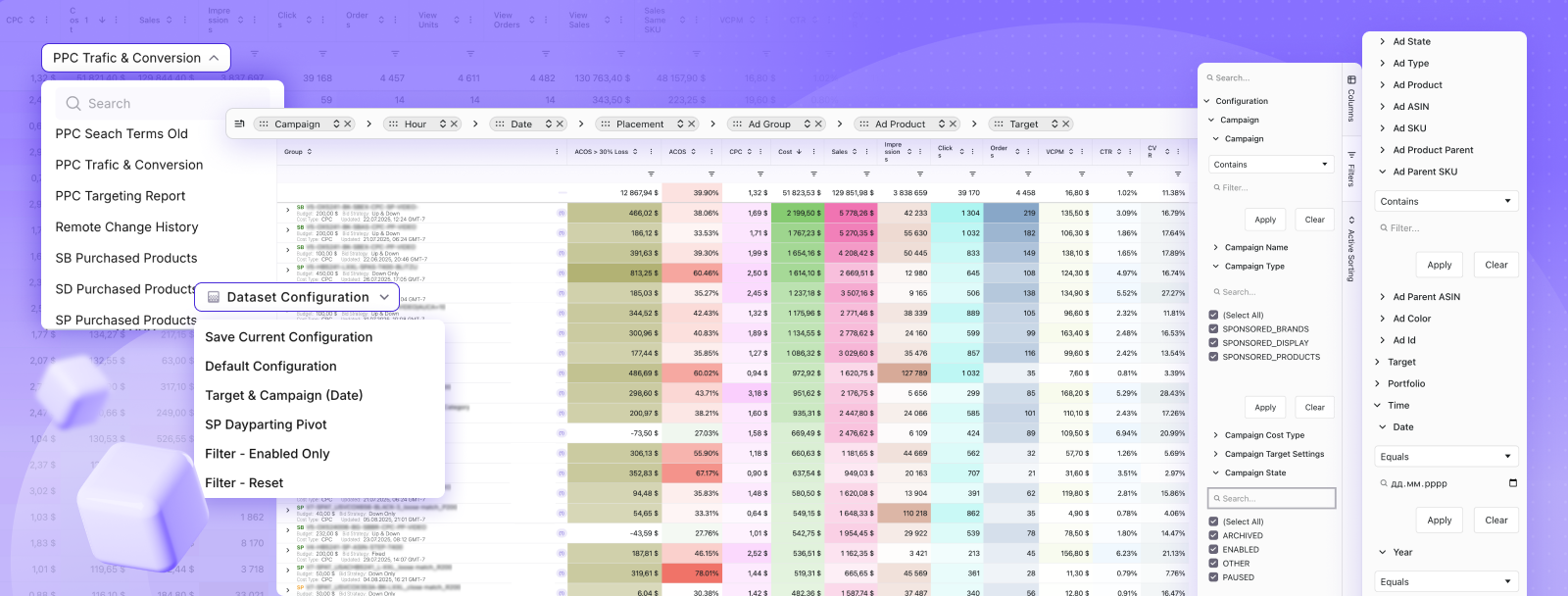
Labor Day shifts how people shop. Traffic patterns change, ad performance moves, and it’s easy to miss what actually caused the difference once the day passes.
WisePPC keeps those changes visible. It pulls ads, sales, listings, and inventory into one view, so you can see how performance moved during short events like holidays, not just in separate reports. You can track results in near real time and review longer-term trends instead of losing that data after a short window.
If you want to understand what really happened during spikes like Labor Day, don’t rely only on default reports. Explore WisePPC and go through your data in one place while it still matters.
The History Behind Labor Day Operations
Understanding why Labor Day matters to delivery services requires looking at the holiday’s origins. The U.S. Department of Labor notes that Labor Day became a federal holiday in 1894, rooted in late nineteenth-century labor activism.
The holiday celebrates workers’ contributions to American prosperity and well-being. Traditionally, most businesses closed to honor this purpose, giving employees a deserved day of rest.
Modern e-commerce has complicated that tradition. Amazon and similar platforms operate on consumer demand patterns that don’t pause for federal observances. The company employs hundreds of thousands of workers specifically to meet delivery expectations, and many of those workers find themselves working the very holiday meant to honor their contributions.
This creates an ongoing tension in the logistics industry. While Amazon technically operates on Labor Day, it does so by scheduling workers who might prefer the day off, often at premium pay rates that incentivize holiday work.
Frequently Asked Questions
Does Amazon Prime guarantee Labor Day delivery?
No, Prime delivery estimates may be extended during Labor Day weekend due to holiday-related delays.
Will my package arrive Monday if I order Sunday before Labor Day?
Probably not. Many orders placed Sunday won’t fully process until after the holiday.
Are Amazon warehouses open on Labor Day?
Yes, fulfillment centers usually operate with reduced staffing on Labor Day.
Why did my tracking show no movement on Labor Day?
Major carriers like USPS, UPS, and FedEx often reduce or pause operations during the holiday.
Do Amazon Flex drivers work on Labor Day?
Yes, Amazon Flex deliveries continue in many areas, though driver availability may vary.
Can I return Amazon orders to UPS or Kohls on Labor Day?
Some return locations may be closed or operate with reduced hours, so check locally before visiting.
What happens if Amazon misses the delivery date during Labor Day weekend?
You can contact customer service to discuss possible credits or refund eligibility for missed delivery promises.
Final Thoughts on Labor Day Deliveries
Amazon delivers on Labor Day, setting itself apart from traditional shipping carriers and postal services. The company’s investment in proprietary logistics infrastructure allows continuous operations through federal holidays.
That doesn’t mean Labor Day orders arrive with the same speed and reliability as regular business days. Reduced staffing, carrier dependencies, and increased order volumes all contribute to potential delays. Smart shoppers order early in the week before Labor Day to ensure weekend or Monday delivery.
For those wondering whether that last-minute order will arrive in time for Monday cookouts, the answer depends on multiple factors: fulfillment method, delivery location, and order timing all play crucial roles.
When planning purchases around Labor Day 2026, check estimated delivery dates at checkout rather than assuming standard Prime speeds. Those dates factor in holiday considerations and provide the most accurate delivery expectations.
 No credit card required