
 EN
EN  ES
ES  FR
FR  DE
DE  IT
IT  KO
KO  JA
JA  ZH
ZH  AR
AR  PT
PT  TR
TR PL
PL
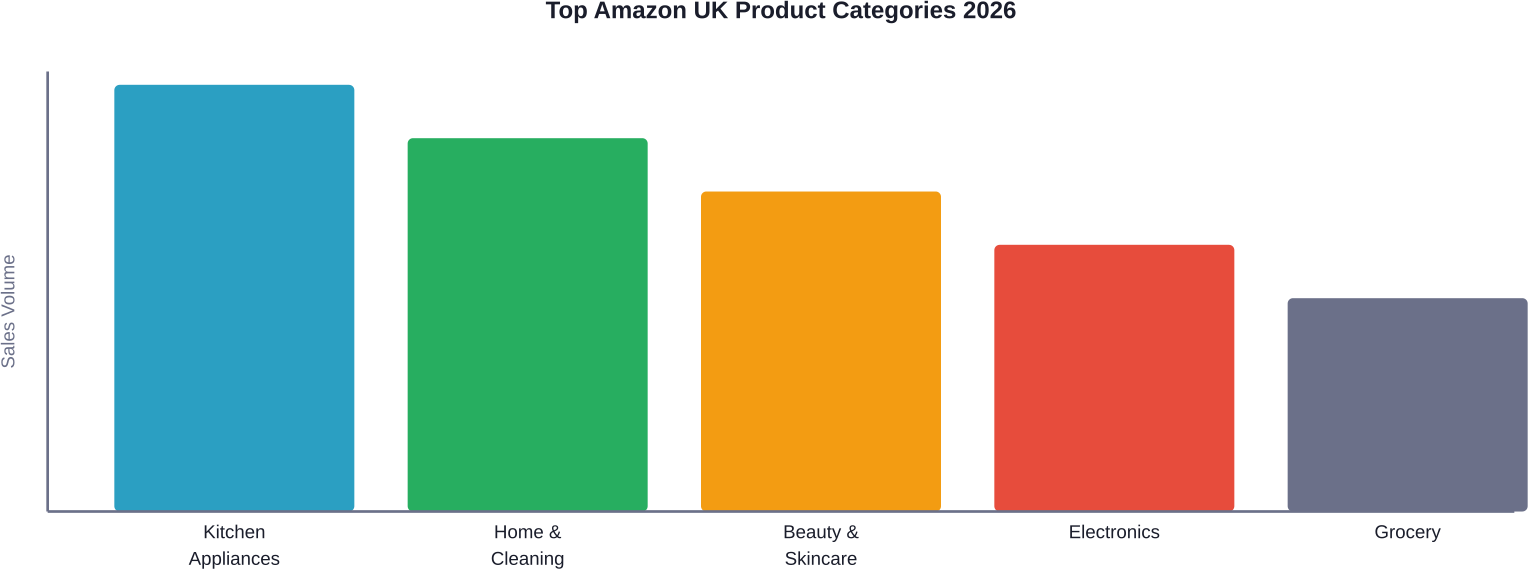
Quick Summary: Amazon UK’s best-selling products in 2026 span categories from kitchen gadgets and beauty items to home cleaning tools and electronics. Current top performers include Ninja air fryers, steam cleaners, skincare products, and grocery staples like Pepsi Max and Amazon-brand bottled water. Understanding these trends helps sellers identify profitable niches and capitalise on proven demand.
Amazon UK continues to dominate the e-commerce landscape. According to Statista, Amazon.co.uk generated 78,673.8 million U.S. dollars (approximately 78.7 billion U.S. dollars) in e-commerce net sales in 2025, maintaining its position as the UK’s leading online marketplace.
But what exactly are people buying?
The answer reveals patterns that savvy sellers can exploit. Some categories remain perennial favourites, whilst others surge based on seasonal trends, viral social media moments, or shifting consumer priorities. Let’s break down what’s actually moving off virtual shelves in 2026.

Make Decisions Based on Real Performance
Campaign data alone doesn’t explain outcomes. WisePPC connects performance across ads, products, and sales so decisions are based on actual results rather than assumptions.
Trying to Make Better Decisions With Data?
- track ad spend alongside actual sales
- analyze campaign and keyword performance
- identify what drives revenue
👉 Explore WisePPC to understand your Amazon advertising data.
Grocery Items Dominating the Charts
Grocery remains one of Amazon UK’s strongest categories. The platform’s Best Sellers in Grocery reveal some fascinating patterns about British shopping habits.
Pepsi Max No Sugar Cola holds the number one spot, with cans sold in 24-packs of 330ml. Over 16,000 customer ratings suggest this isn’t a flash-in-the-pan product. The convenience of doorstep delivery for heavy beverage cases clearly resonates with consumers.
Amazon’s own-brand products perform exceptionally well here too. The by Amazon Still Spring Water ranks second, available in 500ml bottles with 12-packs delivering 6,000ml total. This demonstrates how Amazon’s private label strategy captures market share by offering competitive pricing on everyday essentials.
The grocery category benefits from repeat purchasing behaviour. Once customers find a product they like, they’ll often set up Subscribe & Save orders, creating predictable revenue streams for sellers.
Kitchen Gadgets and Appliances Leading the Pack
Kitchen products consistently rank among Amazon UK’s top sellers, with air fryers dominating the conversation in 2026.
The Ninja Foodi Dual Zone Air Fryer MAX appears repeatedly in bestseller lists. Its dual-zone technology allows cooking two different foods at different temperatures simultaneously, addressing a genuine pain point for home cooks. The Ninja Double Stack XL Air Fryer offers similar functionality with a space-saving vertical design.
These aren’t cheap impulse purchases either. Kitchen appliances in the £100-300 range still sell strongly when they offer clear value propositions.
What makes these products winners? Functionality matters, but so does brand recognition. Ninja has built substantial trust through consistent quality and clever marketing. Third-party sellers often struggle to compete in this space without comparable brand equity.
Home Cleaning Products Maintaining Strong Sales
Cleaning tools represent another robust category. According to Good Housekeeping’s testing of Amazon bestsellers in 2026, several steam cleaners and vacuums stand out.
The Polti Vaporetto Steam Mop earned a 96/100 score in independent testing. Real talk: consumers trust products that perform well in third-party evaluations. The Vileda Steam Mop Plus offers a more budget-friendly alternative whilst still delivering solid results.
Shark’s PowerDetect Robot Vacuum and Mop combines automation with cleaning, tapping into the smart home trend. The premium price point doesn’t deter buyers who value convenience and time savings.
The Vax SpotWash Duo Spot Cleaner addresses a specific need – tackling stains on carpets and upholstery. Specialised products often outperform generic ones when they solve clear problems.
Here’s the thing though – cleaning products benefit from consistent demand. Unlike seasonal items, people need cleaning tools year-round, creating stable sales opportunities.
Beauty and Skincare Products Thriving
Beauty remains a powerhouse category. The sector benefits from consumable products that require regular replenishment, plus the influence of social media driving discovery.
Which? reported in March 2026 that Amazon’s own-brand beauty products have performed well in their testing, though consumers should verify ingredient safety. The organisation warned about supplements sold in risky doses across online marketplaces, including Amazon.
This raises an important point about product safety. Which? found melatonin being illegally marketed on popular online marketplaces including Amazon between October 2025 and January 2026, some at excessively high doses. The consumer champion called for stronger government regulation of the supplements industry.
Sellers need to ensure compliance with UK regulations. The Product Safety and Metrology regulations apply to all items sold, and violations can result in serious consequences.
Legitimate beauty products – skincare serums, moisturisers, cosmetics – continue performing well when they offer quality formulations at competitive prices.
Books and Media Still Going Strong
Despite the digital age, physical books maintain popularity on Amazon UK. Crime thrillers and mystery novels particularly dominate bestseller lists.
Titles like “A Woman of Intrigue” by Sarah Ferguson achieved Sunday Times bestseller status, available on Amazon in multiple formats – Kindle, audiobook, hardcover, and paperback. This multi-format strategy maximises reach across different consumer preferences.
“We Are All Guilty Here” by Karin Slaughter hit the number one Sunday Times bestseller spot. Pricing shows interesting patterns: the Kindle edition sold for £6.87, whilst the hardcover reached £16.06.
Psychological pricing still matters. Notice how products list at £19.99 rather than £20.00. The perception of value influences purchasing decisions, even when the difference is minimal.
Baby and Childcare Products Showing Consistent Demand
The baby category offers opportunities for sellers, though it demands particular attention to safety standards.
Which? highlighted in November 2025 how dangerous products appear on online marketplaces, including baby sleeping bags posing suffocation risks. Consumers and sellers both need heightened awareness about product safety in this category.
Legitimate baby products – nappies, wipes, feeding accessories, clothing – remain steady sellers. Parents prioritise quality and safety, often willing to pay premium prices for trusted brands.
Consumable baby items work particularly well for Subscribe & Save programmes, creating recurring revenue.
Electronics and Accessories Remain Popular
Electronics continue as a major category on Amazon UK. The platform’s Best Sellers in Electronics & Photo reveal consumer preferences.
Which? named the Samsung Galaxy S25+ one of their top 50 products of 2025. Its searingly bright screen and processing power that rivals some laptops justified the premium price.
Amazon’s Echo devices consistently appear in bestseller lists. Which? testing in March 2026 confirmed that certain Echo models deliver genuine value. Echo devices with screens enable video calls, streaming shows, and following on-screen cooking instructions.
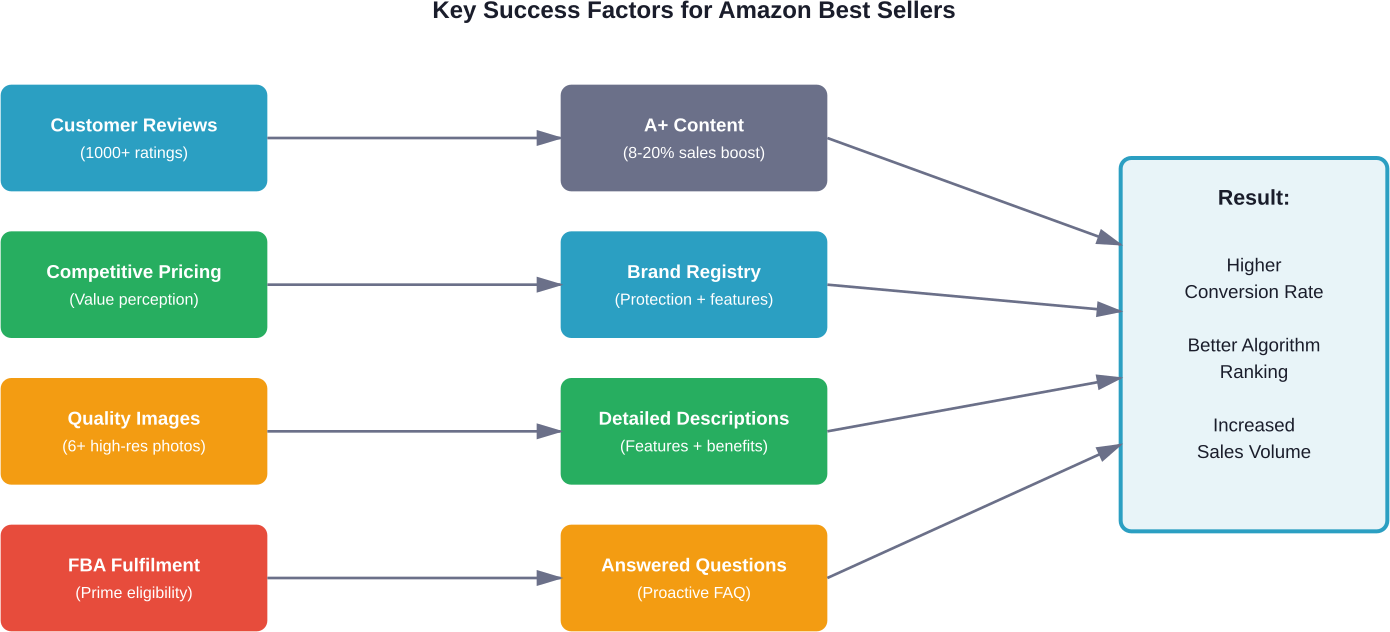
Amazon Seller Central noted that A+ Content can potentially increase sales by as much as 8 percent for Basic A+ Content, and 20 percent for Premium A+ Content. For electronics where explaining features matters, this enhanced content makes a tangible difference.
| Product Category | Key Characteristics | Competitive Intensity |
|---|---|---|
| Kitchen Appliances | High price point, brand-driven, feature-focused | High |
| Home Cleaning | Year-round demand, testing scores matter | Medium-High |
| Beauty & Skincare | Consumable, social media influenced, compliance critical | High |
| Grocery Items | Repeat purchases, Subscribe & Save friendly | Very High |
| Baby Products | Safety paramount, premium pricing accepted | Medium |
| Electronics | Tech specs important, A+ Content valuable | Very High |
Fashion and Apparel Trends
According to Statista data on UK online shopping preferences, clothing ranks among the most popular categories. Office for National Statistics research from 2020 found that clothes and sports goods were British consumers’ favourite items to buy online.
Fashion on Amazon UK faces fierce competition from specialised retailers. The platform works better for certain apparel niches – basics, accessories, athletic wear – than high-end fashion.
Private label clothing brands have carved out space by offering acceptable quality at aggressive price points. The key lies in clear sizing information, accurate product images, and transparent return policies.
Sports and Outdoors Equipment
Sports equipment benefits from both seasonal peaks and year-round enthusiasts. Fitness gear surged during lockdowns and maintained elevated demand as habits stuck.
Resistance bands, yoga mats, dumbbells, and similar home fitness equipment continue selling steadily. The barrier to entry remains relatively low for sellers, though competition is correspondingly intense.
Outdoor equipment – camping gear, hiking accessories, cycling products – shows seasonal patterns worth understanding for inventory planning.
What Drives Amazon Product Success?
Several factors separate bestsellers from also-rans.
Customer reviews matter enormously. Products with thousands of positive reviews build trust that no amount of marketing can replicate quickly. Encouraging genuine reviews from satisfied customers becomes essential.
Pricing strategy requires nuance. Competing solely on price often leads to a race to the bottom. Value perception – quality relative to price – matters more than absolute lowest cost.
Amazon’s algorithm rewards products that convert browsers into buyers. High-quality images, detailed descriptions, answered questions, and A+ Content all boost conversion rates.
Fulfilment method influences success too. Fulfilment by Amazon (FBA) provides Prime eligibility, faster delivery, and better search placement. The investment in FBA often pays dividends through increased visibility.
Prime Day and Seasonal Trends
According to Statista, in 2023, toys and games dominated Prime Day sales on amazon.co.uk, with six out of ten products with highest sale growth belonging to this category, with toy brand Clementoni proving particularly popular.
Prime Day creates concentrated sales opportunities, but also intense competition. Preparing inventory, optimising listings, and planning promotional pricing weeks in advance becomes critical.
Seasonal patterns extend beyond Prime Day. Office for National Statistics data shows retail sales patterns vary by quarter and sector; December 2025 sales fell by 0.3% in the three months to December compared with the previous quarter.
Understanding these cycles helps with inventory management and cash flow planning.
How Sellers Can Capitalise on Trends
Identifying trending products represents only the first step. Execution determines success.
Product research tools help validate demand before committing capital. Discussions on platforms like Reddit discuss approaches to finding best-selling products, though their effectiveness varies widely.
Starting with lower-risk categories makes sense for new sellers. Grocery and household consumables offer entry points, though margins can be tight. Niche products with less competition but steady demand often prove more sustainable.
Brand registry provides access to enhanced content features and protection against counterfeiters. For sellers building long-term businesses rather than chasing quick wins, investing in brand development pays off.
Testing remains essential. Launching with modest inventory, gathering customer feedback, and iterating based on real-world response beats making large bets on untested products.
Frequently Asked Questions
What are the most profitable products to sell on Amazon UK?
Profitability depends on margins, not just sales volume. Kitchen appliances and electronics generate high absolute revenue but face intense competition. Niche products in categories like home organisation, pet supplies, or specialised hobby equipment often deliver better profit margins despite lower overall sales. Products eligible for Subscribe & Save create recurring revenue streams that boost lifetime customer value.
How do I find trending products on Amazon UK?
Check Amazon’s Best Sellers page across different categories regularly. Use product research tools that track sales estimates and ranking changes. Monitor social media platforms where products go viral. Watch for seasonal patterns – fitness equipment in January, garden supplies in spring, Christmas items starting in autumn. The movers and shakers list shows products rapidly climbing in rankings.
Do I need to use FBA to succeed on Amazon UK?
FBA significantly improves chances of success through Prime eligibility and better algorithm treatment, but isn’t absolutely mandatory. Sellers using Fulfilled by Merchant (FBM) can succeed with unique products, larger items where FBA fees become prohibitive, or when maintaining direct inventory control matters. However, FBA generally outperforms FBM for most standard products.
How important are customer reviews for sales?
Reviews critically influence purchasing decisions and algorithm ranking. Products with hundreds or thousands of reviews significantly outperform similar items with few reviews. Focus on delivering quality products and excellent service to earn genuine reviews. Never buy fake reviews – Amazon’s detection systems have improved dramatically and violations result in account suspension.
What safety regulations must I follow for Amazon UK?
All products must comply with UK Product Safety regulations. Specific categories have additional requirements – toys need CE marking, electronics require proper certifications, supplements must follow food safety standards, and baby products face stringent safety testing. Which? regularly highlights dangerous products slipping through, so due diligence on supplier compliance protects both consumers and the seller’s business.
Can private label products compete with established brands?
Private label products succeed when they offer comparable quality at better prices or address unmet needs that major brands overlook. Amazon’s own-brand products demonstrate this strategy’s viability. Success requires genuine product development, not just slapping a logo on generic items. Focus on categories where brand loyalty is lower and functional benefits matter more than prestige.
How much capital do I need to start selling on Amazon UK?
Starting capital varies enormously based on product choice and strategy. Some sellers begin with £1,000-2,000 for initial inventory of lower-cost items. More substantial product categories might require £5,000-10,000 or more for viable starting inventory. Budget for inventory, Amazon fees, shipping to FBA warehouses, professional product photography, and several months of operating expenses before expecting profits.
Moving Forward with Amazon UK Sales
The landscape of best-selling products on Amazon UK continues evolving. What succeeds today might saturate tomorrow, whilst new opportunities constantly emerge.
Office for National Statistics data from February 2026 showed retail sales rising by 0.7 percent in the three months to February, indicating ongoing consumer spending despite economic headwinds.
For sellers, this means opportunities exist but require strategic thinking rather than simply copying what’s currently popular. By the time a product appears on best-seller lists, competition has often intensified significantly.
Look for adjacent opportunities. If Ninja air fryers dominate, consider complementary products – air fryer accessories, recipe books, cleaning tools designed for air fryers. Find underserved niches within popular categories.
Quality and compliance cannot be compromised. Which? continues highlighting dangerous products appearing on marketplaces, and regulatory scrutiny will only increase. Building a sustainable business means prioritising customer safety and satisfaction over short-term gains.
The sellers who thrive on Amazon UK combine product research with operational excellence, brand building with responsive customer service, and data analysis with creative problem-solving. Start with the categories and products outlined here, but adapt based on what the market tells you through sales data and customer feedback.
 No credit card required