
 EN
EN  ES
ES  FR
FR  DE
DE  IT
IT  KO
KO  JA
JA  ZH
ZH  AR
AR  PT
PT  TR
TR PL
PL
Quick Summary: The best-selling niches on Amazon in 2026 span electronics, health & wellness, home & kitchen, beauty & personal care, and pet supplies. Independent sellers averaged over $290,000 in annual sales in 2024, with more than 55,000 sellers surpassing $1 million. Success depends on identifying high-demand, low-competition products using data-driven research tools and understanding emerging consumer trends like health-conscious purchasing and sustainability.
Amazon’s marketplace continues its explosive growth trajectory. According to the U.S. Census Bureau, e-commerce sales reached $316.1 billion, growing 1.7% over Q3 2025 (seasonally adjusted), while total retail sales rose 0.4%. Non-adjusted, Q4 2025 e-commerce sales rose 5.6% compared to Q4 2024, continuing to outpace overall retail growth.
But here’s the thing: not all niches are created equal.
Some categories generate millions in revenue while others barely move the needle. The difference? Understanding what products customers actually want right now, not what worked last year.
Amazon reports that independent sellers in the US averaged more than $290,000 in annual sales in 2024. More than 55,000 independent sellers generated over $1 million in sales during the same period. Those numbers tell a story: the opportunity is massive, but strategic niche selection matters more than ever.
Understanding Amazon’s Current Marketplace Landscape
The retail environment has shifted dramatically. Total retail sales for the fourth quarter of 2025 were estimated at $1,900.5 billion according to Census Bureau data, with e-commerce claiming an increasingly larger share.
Amazon now accounts for nearly 38% of U.S. online sales. That dominance creates both opportunity and competition.
Sales data from December 2025 through February 2026 showed a 3.1 percent (±0.4 percent) increase compared to the same period a year earlier. The growth is there—sellers just need to position themselves in the right categories.
What Makes a Niche Profitable in 2026
Real talk: profit margins matter more than gross revenue. Successful Amazon sellers typically aim for profit margins between 25% and 40% to ensure sustainable business operations.
Several cost factors impact profitability:
- Product manufacturing expenses
- International shipping costs
- Amazon FBA fees (fulfillment, storage, referral)
- Storage fees for inventory management
- Advertising costs for PPC campaigns
A profit margin calculator helps estimate expected profit per unit before committing to inventory. Smart sellers run these numbers before placing their first order.
And conversion rates? They tell the whole story. One seller discussion from February 2026 mentioned conversion rates hovering around 7% for each variation with spikes to 8-12% on strong days. Those percentages indicate healthy listing optimization.

See What Your Ads Are Actually Doing
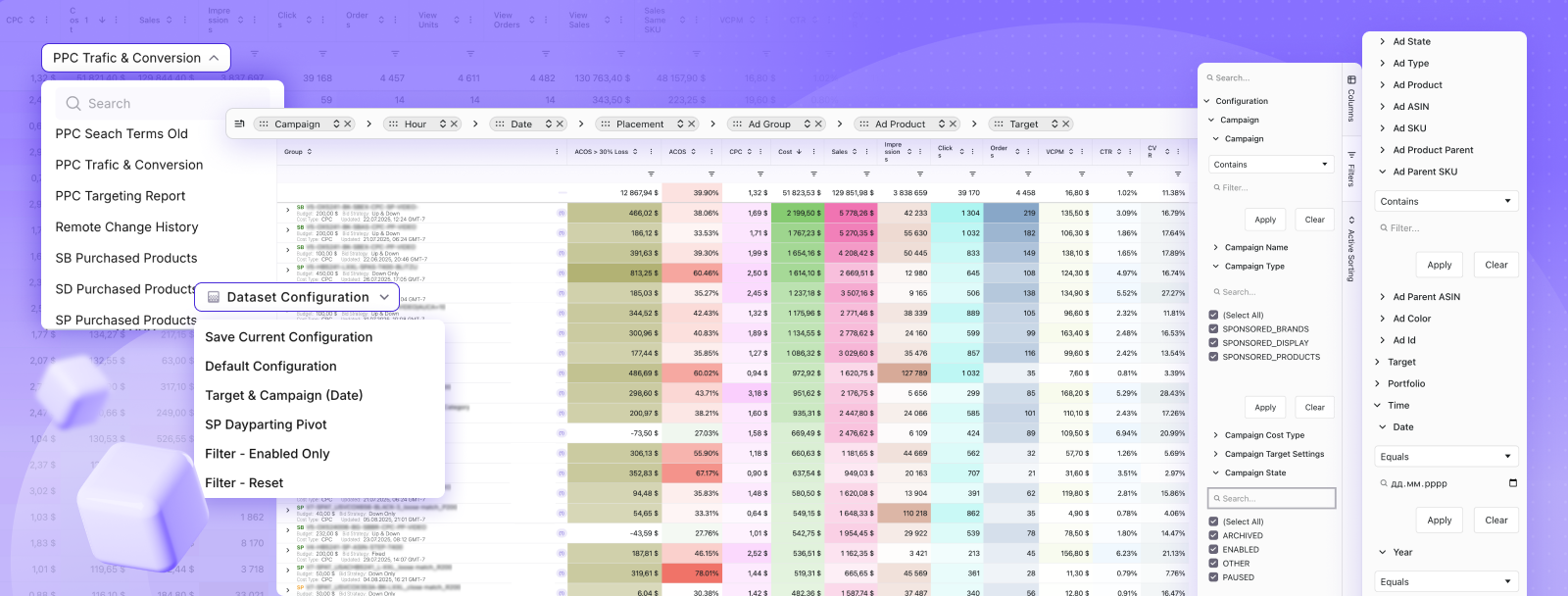
WisePPC connects advertising data with real sales results. Instead of checking separate reports, it shows how campaigns, keywords, and products perform together. This makes it easier to understand what is working and where money is being wasted.
Need a Clearer View of Your Data?
- track ad spend alongside actual sales
- analyze campaign and keyword performance
- identify what drives revenue
👉 Explore WisePPC to understand your Amazon advertising data.
The Top 18 High-Demand Product Categories
Amazon’s Best Sellers lists reveal which categories consistently generate sales. These aren’t speculative trends—they’re backed by actual purchasing data.
Electronics and Tech Accessories
Electronics consistently dominate best seller rankings. The category includes everything from wireless earbuds to smart home devices.
Cell phone accessories alone represent a massive subcategory. Phone cases, screen protectors, charging cables, and wireless chargers all see sustained demand.
Computer accessories follow similar patterns—laptop stands, keyboards, mice, and webcams maintain steady sales throughout the year.
Beauty and Personal Care Products
Beauty products show remarkable consistency. Skincare, haircare, and cosmetics generate billions in annual revenue.
Trending items within this niche include:
- Milky toners (experiencing 58.9% forecasted growth)
- Natural and organic skincare formulations
- Multi-functional beauty tools
- Clean beauty products with transparent ingredient lists
Consumers increasingly check ingredient lists before purchasing. Products labeled as “natural” see 41% higher consideration rates.
Home and Kitchen Essentials
Home and kitchen items split into two massive categories on Amazon’s Best Sellers lists. Both rank among the top five revenue generators.
Kitchen gadgets, organizers, storage solutions, and cooking tools all perform exceptionally well. The pandemic permanently shifted consumer behavior toward home improvement and cooking.
Seasonal variations exist, but baseline demand remains high year-round.
Health and Wellness Products
Health-conscious purchasing now drives 58% of American food and beverage decisions. That mindset extends to supplements, fitness equipment, and wellness accessories.
80% of consumers actively check whether products are processed before buying. Labels matter more than ever.
Popular subcategories include vitamins, protein supplements, yoga mats, resistance bands, and air purifiers.
Pet Supplies: The Recession-Proof Niche
Pet owners consistently prioritize their animals’ needs regardless of economic conditions. Pet supplies rank among the most stable Amazon categories.
High-performing products include premium pet food, interactive toys, grooming tools, and health supplements for animals.
The emotional attachment factor creates customer loyalty and repeat purchases—exactly what sellers need for sustainable revenue.
Emerging Trends Shaping 2026 Sales
Consumer preferences evolve constantly. Staying ahead of trends separates successful sellers from those chasing yesterday’s opportunities.
Health-Conscious and Clean Label Products
Shoppers scan for specific claims: “natural” (41%), “no hormones or steroids” (38%), and organic certifications. These aren’t just marketing buzzwords—they’re decision-making criteria.
Products that clearly communicate health benefits and ingredient transparency outperform generic alternatives.
Sustainability and Eco-Friendly Options
Environmental concerns influence purchasing decisions across all age groups. Reusable products, biodegradable packaging, and sustainable materials all resonate with buyers.
The key? Authenticity. Greenwashing gets called out quickly in reviews and social media.
Smart Home and IoT Integration
Connected devices continue gaining traction. Smart plugs, security cameras, voice-controlled assistants, and automated lighting systems all see sustained growth.
The integration barrier has lowered significantly—most consumers now understand how to set up and use smart home technology.
Amazon Product Research Strategies That Work
Guesswork doesn’t cut it anymore. Data-driven research separates profitable products from inventory nightmares.
Using Amazon’s Best Sellers Lists
The Best Sellers lists update hourly. They provide real-time insight into what’s moving right now.
Drilling down into subcategories reveals specific opportunities. Electronics might be too broad, but “laptop cooling pads” or “USB-C hubs” offer actionable targets.
Look for products with:
- Fewer than 100 reviews (indicates newer market entry opportunities)
- Average ratings below 4.5 stars (suggests room for improvement)
- Weak product images or descriptions (easy to outperform)
- Price points between $15-$50 (sweet spot for impulse purchases)
Keyword Research and Search Volume Analysis
Search volume indicates demand. Products with high search volume but limited quality options represent goldmine opportunities.
Analyzing keyword search volume helps forecast potential sales. Tools track monthly searches, seasonal patterns, and related keywords customers actually use.
The goal? Find keywords with substantial volume (1000+ monthly searches) but manageable competition.
Competition Assessment
Market saturation kills margins. Too many sellers competing for the same keywords drives up advertising costs and pushes down prices.
Evaluate competition by examining:
- Number of sponsored product ads (more ads = harder competition)
- Review counts on top listings (500+ reviews = established competitors)
- Price ranges (tight clustering = commodity market)
- Brand presence (dominant brands = difficult entry)
Community discussions highlight ongoing challenges. Sellers report that miscategorized products gaining #1 best seller badges create unfair competitive advantages. The badge itself dramatically improves click-through rates and conversions.
Tools for Finding Profitable Products
Manual research takes forever. The right tools accelerate product discovery while providing accurate data.
| Tool Type | Key Features | Best For |
|---|---|---|
| Amazon Product Opportunity Explorer | Search volume, click share, conversion data | Identifying demand gaps |
| Third-Party Analytics Platforms | Sales estimates, revenue tracking, trend forecasting | Competitive analysis |
| Keyword Research Tools | Search volume, PPC costs, related terms | SEO and advertising strategy |
| Profit Calculators | FBA fee estimation, margin calculation | Financial viability assessment |
Amazon’s Native Tools
Amazon provides sellers with built-in research capabilities. The Product Opportunity Explorer shows search volume data, customer search terms, and conversion rates.
These tools reveal what customers search for versus what they actually buy—a critical distinction many sellers miss.
Third-Party Research Platforms
External tools offer deeper analysis. They track competitor sales estimates, historical pricing data, and inventory levels.
One seller mentioned tracking top category competitors’ sales numbers since 2022 using an Amazon-approved outside tool. According to the seller, main brands in the top 10 made over $1.1 million 30 day total sales as of the discussion date, where this number was $4.4 million previously, indicating significant market volatility.
Dropshipping and Print-on-Demand Niches
Not every seller wants to manage inventory. Dropshipping and print-on-demand models offer lower-risk entry points.
Top Dropshipping Categories for 2026
Dropshipping works best with products that have:
- Reliable supplier networks
- Reasonable shipping times (under 10 days ideally)
- Lower return rates
- Consistent quality standards
Popular dropshipping niches include phone accessories, fitness gear, home organization products, and hobby-related items.
Print-on-Demand Opportunities
Custom products let sellers avoid inventory risk entirely. Print-on-demand platforms handle production and fulfillment.
Trending print-on-demand niches include:
- Niche hobby apparel (specific sports, activities, professions)
- Pet-themed clothing and accessories
- Motivational and inspirational home decor
- Personalized gifts and seasonal items
The challenge? Standing out requires strong designs and targeted marketing. Generic products get lost in the noise.
Amazon KDP: Low-Content and No-Content Books
Kindle Direct Publishing extends beyond traditional books. Low-content and no-content books represent a distinct Amazon niche.
Profitable KDP Sub-Niches
Themed word search books, activity books, journals, planners, and log books all generate passive income once published.
The appeal? No inventory, no shipping, no customer service for physical products. Amazon handles everything after upload.
Successful KDP sellers focus on specific themes rather than generic titles. “Dog Lover’s Daily Journal” outperforms “Daily Journal” because it targets a defined audience.
Finding Low-Competition Keywords
KDP success depends on discoverable keywords. Books need to appear in search results when potential buyers look for specific types of content.
Research involves identifying search terms with adequate volume but limited competition. Tools help, but manual searching through Amazon’s book categories reveals gaps competitors haven’t filled.
Scaling Your Amazon Business
Early success creates new challenges. Scaling from 15-20 sales per day to 50+ requires strategic adjustments.
A seller discussion from February 2026 described hitting a plateau around 15-20 daily sales after strong initial growth. The progression from 1-2 sales per day to 15-20 happened gradually over two months, but then stalled.
Breaking through plateaus requires:
Optimizing Conversion Rates
A 7% conversion rate isn’t bad for newer products, but there’s room for improvement. Testing different product images, rewriting bullet points, and refining titles all impact conversion.
Small changes compound. A 1% conversion rate improvement at current traffic levels can mean several additional sales daily.
Expanding PPC Campaigns
Advertising drives visibility. But inefficient campaigns drain profits faster than they generate sales.
Successful PPC strategies involve:
- Targeting long-tail keywords with lower competition
- Adjusting bids based on conversion data
- Testing different ad types (Sponsored Products, Sponsored Brands)
- Implementing negative keywords to eliminate wasted spend
Adding Product Variations
Variations increase the chances customers find exactly what they want. Color options, size variations, and bundle packages all boost sales potential.
Each variation appears in additional search results, multiplying visibility without requiring entirely new listings.
Common Pitfalls to Avoid
Success leaves clues. So do failures.
Choosing Oversaturated Markets
Jumping into categories with established dominant brands rarely works for new sellers. The advertising costs alone make profitability nearly impossible.
Better approach? Find subcategories where quality products don’t yet exist or where customer needs aren’t fully met.
Ignoring Profit Margins
Revenue vanity metrics don’t pay bills. A product generating $10,000 monthly revenue but only $500 profit isn’t a business—it’s a hobby.
Calculate all costs before committing to inventory. FBA fees, storage costs, advertising spend, and returns all eat into margins.
Neglecting Listing Optimization
Poor product listings kill sales potential. Blurry images, keyword-stuffed titles, and vague bullet points all reduce conversions.
Optimization isn’t optional—it’s the foundation of sustainable sales.
Underestimating Seasonality
Some products only sell during specific months. Launching a Christmas decoration line in January guarantees months of storage fees before sales materialize.
Understanding seasonal patterns prevents cash flow disasters.
Marketing Strategies That Drive Sales
Great products need visibility. Multiple marketing channels compound results.
Amazon PPC Advertising
Pay-per-click advertising directly drives sales. Sponsored Products appear in search results and on product pages.
Effective campaigns require constant monitoring. Keyword performance changes weekly based on competition and seasonality.
Social Media Traffic
External traffic can boost Amazon rankings. But there’s a catch—one seller reported running Facebook ads with clicks but seeing zero views registered in Amazon’s product performance metrics over a 30-day period.
The disconnect between external traffic sources and Amazon’s attribution system frustrates sellers trying to diversify marketing channels.
Email Marketing and Customer Retention
Repeat customers cost less to acquire than new ones. Building an email list (within Amazon’s terms of service) enables remarketing.
Product inserts directing customers to register for warranties or access bonus content provide opportunities to capture contact information legally.
Influencer Partnerships
Micro-influencers often deliver better ROI than celebrity partnerships. Niche audiences trust recommendations from influencers they follow regularly.
The key? Finding influencers whose audiences align perfectly with the target customer profile.
Future Outlook: What’s Next for Amazon Sellers
The marketplace continues evolving. Staying profitable requires anticipating shifts before they become obvious.
AI and Automation Tools
Artificial intelligence tools now help with product research, content creation, and advertising optimization. Sellers using AI-powered platforms gain efficiency advantages.
But automation doesn’t replace strategic thinking. Tools execute tactics; humans still need to define strategy.
Increased Competition and Consolidation
More sellers enter Amazon daily. The barrier to entry remains low, creating constant competitive pressure.
Simultaneously, successful brands consolidate market share. The middle ground—mediocre products with weak marketing—becomes increasingly difficult to sustain.
Regulatory Changes and Compliance
Some categories require approval before selling. Amazon continuously updates its policies regarding product safety, certifications, and restricted items.
Staying compliant prevents account suspensions. Regular policy reviews aren’t optional—they’re mandatory for long-term survival.
Frequently Asked Questions
What is the most profitable niche on Amazon in 2026?
Popular profitable niches include electronics, beauty, wellness, and pet products, but success depends more on strategy and execution than category alone.
How much money do I need to start selling on Amazon?
Startup costs vary by model. Some sellers begin with a few hundred dollars, while private label businesses often require several thousand.
What is the best product research tool for Amazon sellers?
Amazon’s own tools provide useful free insights, while third-party platforms offer more advanced analytics and tracking features.
How do I find low-competition products on Amazon?
Look for products with weak listings, low review counts, limited advertising competition, and underserved keywords.
Can you still make money on Amazon in 2026?
Yes, many sellers continue building profitable businesses, though competition is stronger and strategy matters more than ever.
What are the best dropshipping niches for Amazon?
Popular dropshipping categories include phone accessories, fitness items, home organization products, and hobby supplies.
How important is Amazon PPC for new sellers?
Amazon PPC is extremely important for gaining visibility and generating initial sales for new products.
Conclusion
The best selling niches on Amazon in 2026 span diverse categories—electronics, beauty, home & kitchen, health & wellness, and pet supplies all generate substantial seller revenue. But category selection alone doesn’t guarantee success.
Winners focus on specific subcategories where they can compete effectively. They use data-driven research tools to identify demand gaps. They calculate profit margins before ordering inventory. And they continuously optimize listings and advertising campaigns based on performance data.
The opportunity is real—independent sellers averaged more than $290,000 in annual sales in 2024. Over 55,000 sellers surpassed $1 million. E-commerce growth continues outpacing traditional retail.
Start with thorough research. Validate demand before committing capital. Focus on margins over revenue. Test small, then scale what works.
The sellers who succeed in 2026 won’t be those who chase trends. They’ll be the ones who find underserved customer needs and execute better than existing competitors.
 No credit card required