
 EN
EN  ES
ES  FR
FR  DE
DE  IT
IT  KO
KO  JA
JA  ZH
ZH  AR
AR  PT
PT  TR
TR PL
PL
Quick Summary: The best Amazon FBA niches for 2026 include pet supplies, beauty and personal care, home and kitchen products, baby items, and health and household goods. According to Amazon Best Sellers lists and current market data, independent sellers averaged over $290,000 in annual sales in 2024, with global B2B ecommerce projected to grow at 14.5% through 2026. Success depends on low competition, high demand, manageable logistics, and thorough product research using Amazon’s native tools.
The Amazon FBA landscape continues to evolve rapidly. With revenue in the eCommerce Market projected to reach US$3.88tn in 2026 and smartphones accounting for nearly 80 percent of retail website visits worldwide, finding the right niche has never been more critical.
But here’s the thing—not all niches are created equal.
According to the International Trade Administration, the global B2B ecommerce market will grow at a 14.5% compound annual growth rate through 2026. That’s substantial growth, and sellers who position themselves in the right categories stand to benefit significantly.
What Makes a Profitable Amazon FBA Niche in 2026?
Before diving into specific categories, understanding what defines a profitable niche matters. According to Amazon Seller Central, a niche is a collection of customer search terms and products that represent a specific customer need.
The criteria haven’t changed drastically, but their importance has shifted.
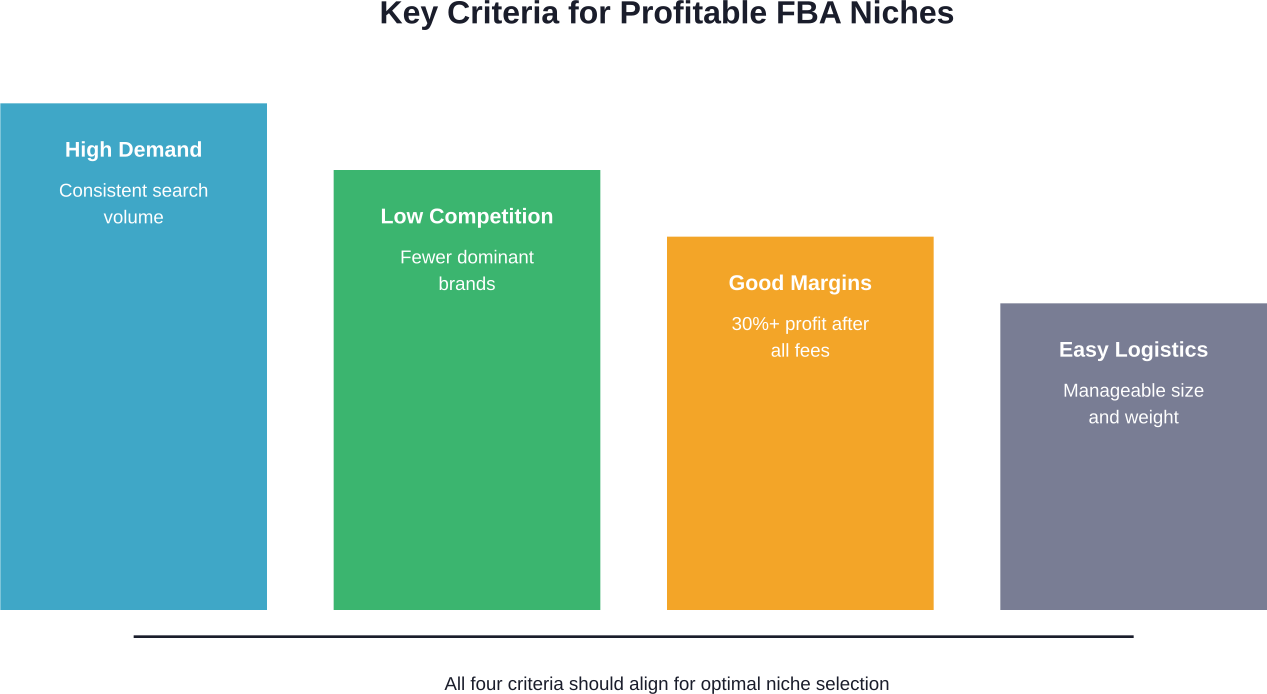
A winning niche typically exhibits four key characteristics: sufficient demand without overwhelming competition, manageable logistics and shipping requirements, acceptable profit margins after Amazon fees, and year-round stability rather than seasonal spikes.
Real talk: Sellers in early 2026 reported sales declines despite active PPC campaigns, according to Amazon Seller Central forums. This underscores the importance of niche selection—the right category can buffer against broader market fluctuations.
Understand Where Your Revenue Comes From

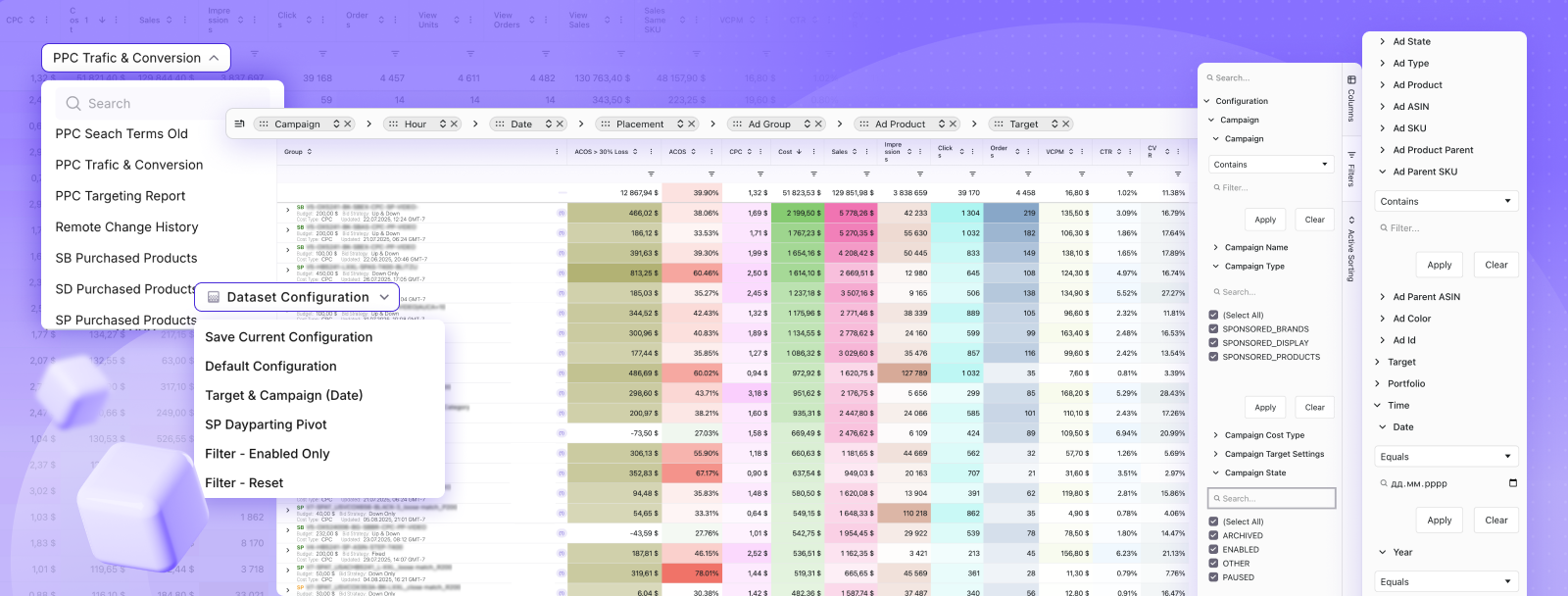
It’s not always clear which campaigns are actually driving sales. WisePPC brings ad data and product performance into one view, making it easier to see which efforts lead to revenue and which ones don’t.
Trying to See What’s Driving Sales?
- track ad spend alongside actual sales
- analyze campaign and keyword performance
- identify what drives revenue
👉 Explore WisePPC to understand your Amazon advertising data.
Top Amazon FBA Niches for 2026
Based on Amazon Best Sellers lists and current market analysis, several categories consistently demonstrate strong performance. These aren’t secrets—they’re proven categories where sellers continue to find success.
Pet Supplies: Sustained Growth and Loyalty
Pet supplies repeatedly appears on high-demand product lists. The category benefits from recurring purchases and emotional buying behavior.
Pet owners don’t skimp on their animals. They buy premium food, toys, grooming supplies, and accessories regularly. This creates a customer base that returns monthly or quarterly.
The niche spans everything from specialized feeding bowls to organic treats and travel accessories. Competition exists, but subcategories like eco-friendly pet products or breed-specific items offer differentiation opportunities.
Beauty and Personal Care: The Skincare Surge
Skincare products dominated trending searches in 2026. According to Amazon’s product research data, beauty and personal care consistently ranks among top categories for independent sellers.
The appeal? Products are lightweight, ship easily, and command decent margins. Consumers actively seek new solutions for specific concerns—acne, aging, sensitivity, sun protection.
But wait. This category does have regulatory considerations. Products making medical claims require compliance with FDA guidelines. Stick to cosmetic formulations and accurate labeling.
Subcategories worth exploring include natural and organic skincare, men’s grooming products, and specialized tools like jade rollers or LED masks.
Home and Kitchen Products: Evergreen Demand
Home and kitchen items represent two separate but related categories on Amazon’s Best Sellers lists. Together, they offer massive opportunity.
These products solve everyday problems. Organization tools, small appliances, specialty cookware, and cleaning gadgets consistently sell well.
What makes this niche attractive? People constantly seek to improve their living spaces. Whether downsizing, moving, or just refreshing their environment, consumers buy home products year-round.
Look for items between $15-$50 that solve specific problems. Multi-purpose organizers, space-saving solutions, and innovative kitchen gadgets perform particularly well.
Baby Products: Premium Pricing Meets Necessity
Parents spend heavily on baby items—it’s non-negotiable spending. Safety, quality, and convenience drive purchasing decisions more than price.
The baby category includes feeding accessories, nursery organization, travel gear, and developmental toys. Many products are consumable or outgrown quickly, creating repeat purchases.
Now, this category does require careful attention to safety standards and certifications. Products must meet Consumer Product Safety Commission requirements. That compliance burden also acts as a barrier to entry, reducing competition from casual sellers.
Health and Household: Practical Necessities
Health and household products cover everything from vitamins to cleaning supplies. The category benefits from habitual purchasing patterns.
Consumers establish routines around these products and reorder regularly. Subscription options through Amazon’s Subscribe & Save program provide predictable revenue.
Focus on specialized subcategories rather than competing with major brands on commodity items. Natural cleaning products, specialized storage solutions, and wellness accessories offer better margins than generic household staples.
| Niche Category | Demand Level | Competition | Avg. Margin Potential | Logistics Complexity |
|---|---|---|---|---|
| Pet Supplies | High | Medium | 30-40% | Low |
| Beauty & Personal Care | Very High | High | 40-50% | Low |
| Home & Kitchen | High | Medium-High | 25-35% | Medium |
| Baby Products | High | Medium | 35-45% | Medium |
| Health & Household | Medium-High | Medium | 30-40% | Low |
Emerging Opportunities: Where Smart Sellers Are Looking
Beyond established categories, several emerging niches show promise for 2026.
Sports and outdoors products benefit from increased health consciousness. Fitness accessories, camping gear, and outdoor recreation items see steady demand.
Tools and home improvement items appeal to DIY enthusiasts and contractors. Specialized tools for niche applications face less competition than general-purpose items.
Musical instruments and accessories serve a passionate customer base willing to pay for quality. Replacement parts, care products, and accessories complement big-ticket purchases.
The short answer? Look for categories where passion meets practical need.
Amazon Tools for Finding Profitable Products
Amazon provides native tools specifically designed for product research. Using platform data beats third-party speculation.
Best Sellers Lists: Real-Time Market Data
Amazon Best Sellers lists update hourly across all categories. They show what’s actually selling, not what people think might sell.
Browse category by category, noting products with high sales rank but limited reviews. This combination suggests recent demand growth with room for new sellers.
Best Sellers Rank (BSR): Competitive Intelligence
Individual product BSR indicates sales velocity relative to category. Lower numbers mean higher sales.
Track BSR over time rather than relying on a single snapshot. Consistent performance matters more than temporary spikes.
Movers & Shakers: Trending Products
This list highlights products with the biggest BSR gains in 24 hours. It reveals emerging trends before they saturate.
Movers & Shakers won’t show established evergreen products—it’s purely about momentum. Use it to spot seasonal opportunities or viral products early.
Product Opportunity Explorer: Amazon’s Niche Tool
According to Amazon Seller Central, Product Opportunity Explorer aggregates customer search terms and identifies niches based on actual search data.
The tool provides search volume, competition levels, and customer review insights. It’s specifically designed to help sellers expand their product selection strategically.
How to Validate Your Niche Choice
Finding a promising category is step one. Validation prevents costly mistakes.
Start by calculating total costs. Amazon FBA fees vary by size and weight. Referral fees typically run 8-15% depending on category. Add product cost, shipping to Amazon, and storage fees.
Independent sellers in the US averaged more than $290,000 in annual sales in 2024, according to Amazon selling statistics. But averages hide huge variation—success requires thorough financial planning.
Examine competitor listings carefully. How many reviews do top products have? Fewer than 500 reviews suggests opportunity. Thousands of reviews indicates established players that will be difficult to displace.
Read negative reviews on competitor products. They reveal unmet needs and product improvement opportunities. A product with consistent complaints about a specific feature represents a chance to differentiate.
Test demand using keyword research. High search volume with moderate competition is ideal. Tools within Seller Central provide search term data.
Avoiding Common Niche Selection Mistakes
Certain pitfalls trip up new sellers repeatedly. Learning from others’ mistakes costs less than making them yourself.
Oversaturated niches promise pain, not profit. Phone cases, fidget spinners, and generic apparel face brutal competition from established brands and overseas manufacturers selling at razor-thin margins.
Seasonal products create cash flow problems. Halloween costumes or Christmas decorations sell intensely for weeks, then die completely. Unless working with significant capital, avoid highly seasonal items.
Fragile or hazmat items increase logistics complexity and costs. Amazon charges extra for special handling. Damage rates cut into profitability.
Products with restrictive brand gating or approval requirements slow launches. Check category requirements before committing to inventory.
The Competition Reality Check
Community discussions on Amazon selling forums reveal a common pattern: sellers underestimate competitive intensity.
A niche that looks attractive on paper may have invisible barriers. Established sellers with optimized listings, thousands of reviews, and sophisticated PPC campaigns dominate customer attention.
Sound familiar? Sellers in early 2026 reported declining sales despite active advertising, according to Seller Central discussions. Market saturation in popular categories contributed to this pattern.
The solution? Find subcategories within larger niches. Instead of “yoga mats,” target “extra-thick yoga mats for joint pain” or “travel yoga mats under 2 pounds.” Specificity reduces competition.
Strategies for Standing Out in Competitive Niches
Even in crowded categories, differentiation creates opportunity.
Product bundling combines complementary items. Selling a yoga mat with alignment markers, a carrying strap, and a cleaning spray creates more value than a standalone mat.
Superior imagery and content matter enormously. Professional photography with lifestyle shots outperforms basic white-background images. Enhanced Brand Content (A+ Content) improves conversion rates.
Better customer service builds reviews and repeat business. Fast response times and hassle-free returns encourage positive feedback.
Incremental improvements compound. A product 10% better than competitors, with 20% better imagery, answered questions, and responsive support significantly outperforms the category average.
| Differentiation Strategy | Implementation Difficulty | Impact on Conversion | Sustainability |
|---|---|---|---|
| Superior product quality | Medium | High | High |
| Product bundling | Low | Medium | Medium |
| Enhanced imagery/content | Low | High | Medium |
| Unique features/design | High | Very High | Very High |
| Brand building | High | Medium initially, High long-term | Very High |
The Role of Market Trends in 2026
Broader ecommerce trends influence niche selection. According to a Publicis Sapient global consumer survey, approximately 27 percent of consumers overall are excited about generative AI’s ability to improve real-time deal comparison and overall search results.
Mobile commerce dominates. Smartphones accounted for nearly 80 percent of retail website visits in 2025, based on Statista data. Product listings must render perfectly on mobile screens with clear imagery and concise bullet points.
Sustainability consciousness affects purchasing decisions, particularly in beauty, baby, and household categories. Eco-friendly materials, minimal packaging, and ethical sourcing increasingly influence buyer choices.
Here’s the thing though—trends create both opportunities and noise. Chase every trend and risk diluting focus. Select trends that align with chosen niches rather than pivoting constantly.
Getting Started: First Steps for New Sellers
Research beats rushed action. Spend time analyzing categories before ordering inventory.
Create a Seller Central account and explore the tools mentioned above. The Best Sellers lists alone provide weeks of research material.
Start with one product. Launching multiple products simultaneously divides attention and capital. Master the process with a single ASIN before expanding.
Consider smaller initial orders. Testing market response with 100-200 units costs less than going all-in with thousands of units that might not sell.
But wait—don’t let analysis paralysis delay launch indefinitely. Perfect information doesn’t exist. At some point, calculated risk-taking becomes necessary.
Frequently Asked Questions
What is the most profitable niche for Amazon FBA in 2026?
Profitability varies by execution, but beauty and personal care products typically offer 40-50% margins due to lightweight shipping and high perceived value. Pet supplies and baby products also demonstrate strong profitability with recurring purchase patterns. The most profitable niche ultimately depends on competition levels within specific subcategories and seller expertise.
How much money do I need to start Amazon FBA in 2026?
Minimum startup costs typically range from $2,500 to $5,000, covering initial inventory, Amazon fees, product photography, and marketing. This assumes a modest first order of 200-300 units. Larger budgets allow for better photography, more inventory, and stronger launch campaigns. Independent sellers averaged over $290,000 in annual sales in 2024, but initial investment correlates with early momentum.
How do I find low-competition niches on Amazon?
Use Amazon’s Product Opportunity Explorer to identify niches with high search volume but fewer than 500 reviews on top listings. Look for subcategories within larger markets—specific problem solutions rather than generic products. Analyze Best Sellers lists for products with good BSR but limited review counts, indicating recent demand growth.
Are seasonal niches worth pursuing for Amazon FBA?
Seasonal niches create cash flow challenges and require significant capital to weather off-seasons. They work best as additions to evergreen product lines rather than primary focus areas. Sellers with limited budgets should prioritize year-round demand categories like pet supplies, baby products, or household items that generate consistent revenue.
What tools does Amazon provide for product research?
Amazon offers Best Sellers lists, Best Sellers Rank for individual products, Movers & Shakers trending lists, and Product Opportunity Explorer. These native tools use actual Amazon data rather than estimates. Product Opportunity Explorer specifically aggregates customer search terms and identifies niches based on real search patterns, making it particularly valuable for niche discovery.
How important are reviews for success in competitive niches?
Reviews significantly impact visibility and conversion rates. Products with 50+ reviews convert substantially better than those with fewer than 10. In competitive niches, reaching 100 reviews quickly through Vine can establish credibility. However, review manipulation schemes violate Amazon policies and risk account suspension—focus on quality products and legitimate review solicitation.
Can new sellers still succeed with Amazon FBA in 2026?
New sellers continue finding success by focusing on underserved subcategories, superior product quality, and excellent customer service. The global B2B ecommerce market is growing at 14.5% annually through 2026 according to the International Trade Administration, indicating expanding opportunity. Success requires thorough research, adequate capitalization, and realistic expectations about timeline to profitability.
Moving Forward with Your Amazon FBA Business
The best niches for Amazon FBA in 2026 share common characteristics: consistent demand, manageable competition, decent margins, and practical logistics. Pet supplies, beauty products, home and kitchen items, baby products, and health and household goods all meet these criteria.
But niche selection represents just the starting point. Execution determines outcomes. Quality products, professional presentation, responsive customer service, and strategic marketing separate successful sellers from those who struggle.
The data supports optimism. Global ecommerce continues growing at double-digit rates. Amazon’s tools provide unprecedented access to customer search data and market intelligence. Independent sellers demonstrate consistent success when approaching the business systematically.
Start with thorough research using Amazon’s native tools. Validate financial assumptions before ordering inventory. Launch conservatively with one product, then expand based on actual results rather than assumptions.
The opportunity exists. The tools are available. Disciplined execution converts opportunity into results. Which niche will you explore first?
 No credit card required