
 EN
EN  ES
ES  FR
FR  DE
DE  IT
IT  KO
KO  JA
JA  ZH
ZH  AR
AR  PT
PT  TR
TR PL
PL
Quick Summary: The best niches for Amazon affiliate marketing in 2026 include health and wellness, beauty and personal care, electronics and gadgets, and personal finance. These niches offer strong commission rates, consistent consumer demand, and diverse product ranges that translate to sustainable affiliate income when paired with quality content and strategic promotion.
Amazon’s affiliate program remains one of the most accessible entry points for online marketers. But here’s the thing—not all niches deliver equal returns.
Some categories generate steady commissions with manageable competition. Others burn through content budgets without converting visitors into buyers. The difference often comes down to picking markets where consumer intent, product variety, and commission structures align.
According to the U.S. Census Bureau, total retail sales for the fourth quarter of 2025 were estimated at $1,900.5 billion, with the fourth quarter 2025 e-commerce estimate increased 5.3 percent from the fourth quarter of 2024. That growth creates opportunities, but also intensifies competition for affiliate marketers.
This guide examines the most profitable niches for Amazon affiliate marketing in 2026, using market data, commission analysis, and proven strategies. No fluff—just actionable insights for building sustainable affiliate income.
Why Niche Selection Matters More Than Ever
Generic product promotion doesn’t cut it anymore. The affiliate landscape has shifted toward specialization, where authority and relevance determine visibility.
Search algorithms prioritize content that demonstrates expertise in specific domains. That means a site covering “everything on Amazon” will struggle against focused competitors who dominate narrower categories.
Commission rates vary wildly across product categories. Amazon’s Associates program offers 1-4% on most items, but certain categories command higher rates. Electronics might pay 2%, while luxury beauty products can reach 10% in some programs.
The Economics of Niche Profitability
Profitable niches share common characteristics. They feature products with reasonable price points—high enough to generate meaningful commissions, but accessible enough for impulse purchases.
Repeat purchase behavior matters too. Consumables like supplements or skincare products generate recurring commissions when customers reorder. Durable goods create one-time payouts.
Search volume indicates market size, but competition level determines how much traffic you’ll actually capture. A niche with 100,000 monthly searches and moderate competition often outperforms one with 500,000 searches dominated by major publishers.

See What’s Driving Sales Across Your Catalog
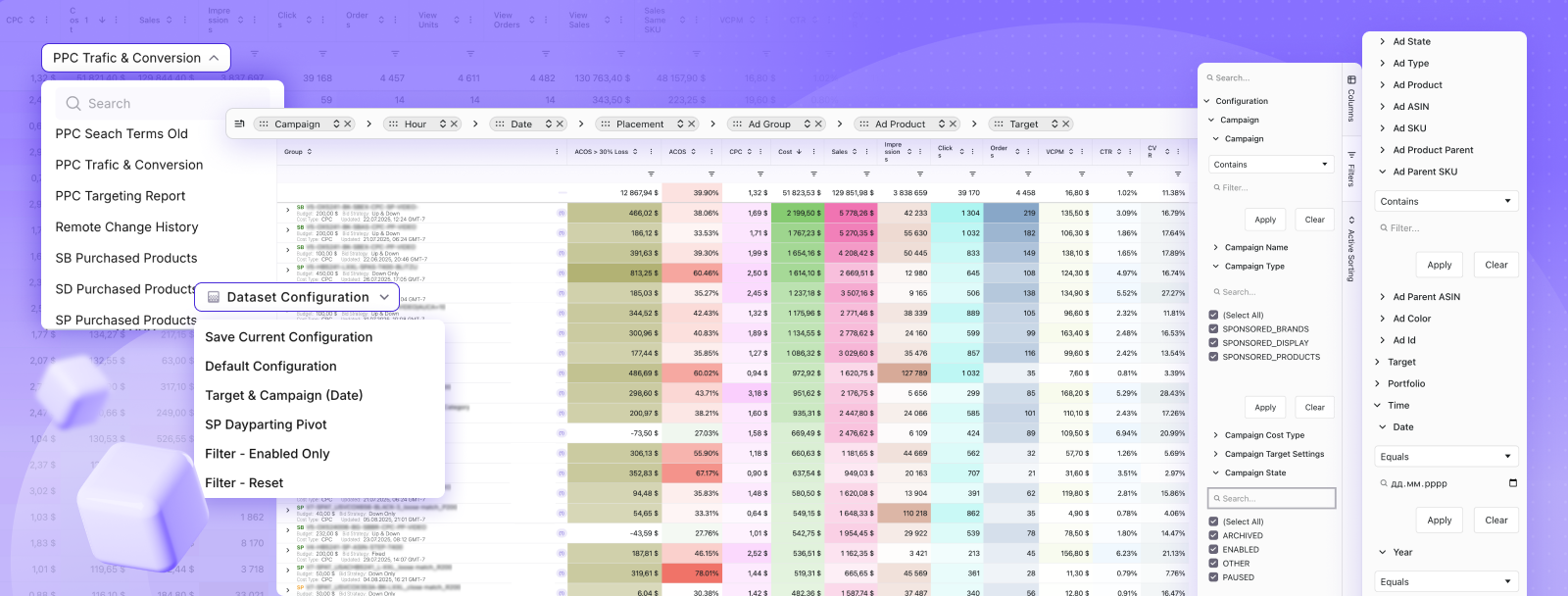
WisePPC brings together advertising and sales data so it’s easier to see how products actually perform. Instead of relying on separate reports, it connects campaigns, keywords, and revenue in one place. This helps identify what is worth scaling and what should be adjusted or stopped.
Need Better Clarity on What Performs?
- track ad spend alongside actual sales
- analyze campaign and keyword performance
- identify what drives revenue
👉 Explore WisePPC to understand your Amazon advertising data.
Top Performing Amazon Affiliate Niches for 2026
These niches combine strong consumer demand, favorable commission structures, and content opportunities that align with current search behavior.
Health and Wellness
The health and wellness category continues expanding as consumers prioritize preventive care and lifestyle optimization. This niche encompasses fitness equipment, supplements, health monitoring devices, and wellness accessories.
Product diversity creates multiple monetization angles. Fitness content can promote yoga mats, resistance bands, and smart scales. Nutrition-focused sites link to blenders, meal prep containers, and supplement organizers.
According to Statista, the global influencer marketing market was estimated to reach approximately 33 billion U.S. dollars in 2025, with health and wellness brands heavily investing in content partnerships. This indicates strong advertiser demand across related categories.
Commission rates typically range from 3-4% for health products. While not the highest available, average order values in this category often exceed $50, generating $1.50-$2.00 per conversion.
Content angles include:
- Equipment reviews and comparisons
- Workout routine guides with recommended gear
- Supplement ingredient analysis
- Recovery and mobility product roundups
- Home gym setup guides by budget
Beauty and Personal Care
Beauty products generate consistent sales through a combination of discovery shopping and brand loyalty. Consumers actively search for product reviews before purchasing, creating natural traffic opportunities.
This niche benefits from visual content formats. Product demonstrations, before-and-after comparisons, and routine videos drive engagement on platforms like YouTube and Pinterest, which then funnel traffic to affiliate content.
Amazon’s beauty category includes skincare, cosmetics, hair care, fragrance, and grooming tools. Price points range from $10 drugstore items to $200 premium serums, accommodating different commission strategies.
Commission rates in beauty typically hit 3-4%, with some premium brands offering higher rates through Amazon’s luxury beauty program. The combination of frequent repurchasing and gift-giving occasions creates year-round demand.
Seasonal opportunities amplify earnings. Holiday gift guides, summer skincare routines, and back-to-school makeup tutorials align content with purchasing cycles.
Electronics and Tech Gadgets
Consumer electronics represent one of Amazon’s largest categories. The constant release cycle of new devices creates perpetual content opportunities as shoppers research purchases.
This niche rewards technical knowledge. Detailed comparisons, spec breakdowns, and compatibility guides attract high-intent buyers who’ve already decided to purchase and just need the right product.
According to Census Bureau data, total retail sales for the December 2025 through February 2026 period were up 3.1 percent from the same period a year ago.
Tech accessories offer particularly strong affiliate potential. Phone cases, chargers, cables, and screen protectors cost less than flagship devices but generate higher conversion rates due to lower purchase barriers.
Smart home devices represent a growing subcategory. Voice assistants, security cameras, smart lighting, and connected thermostats appeal to both early adopters and mainstream consumers entering the ecosystem.
Commission rates for electronics typically range from 2-2.5%—lower than other categories, but offset by higher average order values. A $500 laptop generates $10-12.50 per sale.
Personal Finance and Money Management Tools
Financial products extend beyond traditional affiliate networks into Amazon’s catalog through books, software, budgeting tools, and educational resources.
This niche attracts highly engaged audiences actively seeking solutions to specific problems. Someone searching for debt payoff strategies or investment guides demonstrates clear intent and receptiveness to recommendations.
Physical products include financial planning books, budget planners, receipt organizers, and money management software. Digital tools available through Amazon include budgeting apps and personal finance courses.
The FTC emphasizes disclosure requirements for affiliate relationships. When promoting financial products, transparency about affiliate links becomes particularly important given the trust-sensitive nature of money management content.
Content opportunities include:
- Book reviews and reading lists by financial goal
- Budgeting tool comparisons
- Financial planning template resources
- Investment education guides with recommended reading
- Money management app reviews
Home and Kitchen Products
Kitchen gadgets, cookware, and home organization products generate strong affiliate revenue through a combination of gift purchases, home improvement projects, and lifestyle upgrades.
This category benefits from visual demonstration content. Recipe videos featuring specific appliances, organization before-and-afters using storage solutions, and cooking technique tutorials with recommended tools all drive conversions.
Product variety accommodates multiple expertise levels. Food bloggers promote specialty ingredients and cooking equipment. Organization experts recommend storage systems and space-saving solutions. Interior design enthusiasts feature decorative home items.
Average order values vary widely—from $15 kitchen utensils to $400 stand mixers—allowing content strategies tailored to different audience segments.
Seasonal peaks occur around holidays, wedding seasons, and New Year’s resolution periods when home improvement projects surge. Strategic content planning around these cycles maximizes earnings.
Pet Supplies and Pet Care
Pet owners consistently spend on their animals, creating reliable demand for food, toys, accessories, and care products. According to consumer expenditure data from the Census Bureau, pet-related spending remains stable even during economic fluctuations.
This niche supports diverse content formats. Training guides recommend specific toys and tools. Health articles link to supplements and grooming products. Breed-specific content targets owners with particular needs.
Subscription-type products like flea treatments, supplements, and specialty foods generate repeat commissions when customers establish purchasing patterns through affiliate links.
Commission rates typically reach 3% for pet supplies—among the higher rates Amazon offers. Combined with frequent repeat purchases, this creates sustainable income streams.
Content angles span training advice, product reviews, breed guides, health condition management, and seasonal pet care tips. Each angle supports natural product integration.
Evaluating Niche Profitability: Key Metrics
Not every niche that sounds promising delivers actual results. These metrics help assess real potential before committing resources.
Search Volume and Traffic Potential
Monthly search volume indicates market size. Tools like Google Keyword Planner reveal how many people actively search for products and information in a niche.
But raw numbers don’t tell the complete story. A niche with 50,000 monthly searches and weak competition may generate more traffic than one with 200,000 searches dominated by established publishers.
Look for keyword clusters rather than single terms. A viable niche contains dozens or hundreds of related keywords, creating multiple traffic entry points rather than dependence on ranking for one primary term.
Commission Structure Analysis
Amazon’s commission rates vary by category. Luxury beauty and furniture hit 8-10%, while electronics and video games stay around 2%.
Higher rates don’t automatically mean better earnings. A 2% commission on a $600 laptop generates more revenue than a 10% commission on a $30 face cream. Average order value matters as much as percentage rates.
Calculate realistic earnings per conversion based on typical purchase behavior in each niche. Multiply expected monthly traffic by average conversion rates and commission per sale to estimate income potential.
Competition Assessment
Examine the first page of search results for primary niche keywords. Check domain authority of ranking sites using SEO tools. High-authority publishers indicate tougher competition.
Content quality matters more than domain age. Recent, well-researched articles from newer sites can outrank established domains publishing thin content.
SERP features like featured snippets, “People Also Ask” boxes, and shopping results affect click-through rates. Niches dominated by these features may deliver less organic traffic even when ranking well.
Product Availability and Diversity
Amazon inventory changes constantly. Niches dependent on specific products face risk when items go out of stock or get discontinued.
Strong niches feature dozens or hundreds of relevant products across multiple brands and price points. This diversity allows pivoting content strategy without abandoning the niche entirely.
Check product review counts and ratings. Categories with many highly-rated products indicate healthy consumer interest and competitive markets that drive quality improvements.
Building Authority in Your Chosen Niche
Picking a profitable niche only matters if the content actually converts visitors into buyers. Authority building determines success rates.
Content Depth and Quality Standards
Surface-level product descriptions won’t compete in 2026. According to academic research on digital marketing trends, content strategies increasingly emphasize AI-assisted targeting, automation, and data-driven personalization.
Detailed product comparisons outperform simple reviews. Side-by-side feature analyses, price tracking data, and usage scenario recommendations help buyers make informed decisions.
Original research and testing separate authoritative content from rehashed manufacturer specifications. Hands-on experience with products—documented through photos, videos, or detailed observations—builds credibility.
Disclosure and Compliance Requirements
The FTC requires clear disclosure of affiliate relationships. According to the FTC’s Endorsement Guides, if there’s a material connection between an endorser and marketer that consumers wouldn’t expect, that connection should be disclosed clearly and conspicuously.
Disclosure statements should appear before affiliate links, not buried in footers or separate disclosure pages. The FTC’s guidance emphasizes that disclosures must be “clear and conspicuous.”
For social media content, disclosures need to appear in the post itself—not just in captions or descriptions that require clicking “more.” This applies to Instagram, YouTube, and other platforms where affiliate links appear.
Best practices include:
- Placing disclosure statements at the beginning of articles
- Using clear language like “This article contains affiliate links”
- Marking individual links with identifiers like “(affiliate link)”
- Including disclosures in video content verbally and in descriptions
- Updating disclosure policies as affiliate relationships change
Multi-Platform Content Distribution
Amazon affiliate content isn’t limited to blogs. YouTube product reviews, Pinterest buying guides, and Instagram product showcases all drive conversions.
Each platform suits different content formats and audience behaviors. YouTube works well for detailed product demonstrations. Pinterest excels at visual discovery and gift ideas. Instagram Stories create urgency around limited-time deals.
Platform-specific strategies matter. YouTube videos should include timestamped chapters for specific products. Pinterest pins need clear value propositions in overlay text. Instagram posts require concise captions with strong hooks.
Emerging Opportunities in 2026
While established niches generate reliable income, emerging categories offer less competition and growth potential.
AI and Productivity Tools
Artificial intelligence tools have shifted from specialized software to consumer products available on Amazon. AI-powered writing assistants, smart productivity planners, and automation accessories represent growing categories.
The academic analysis from Schiller International University notes that AI-assisted targeting and automation now form core components of digital marketing strategies. This indicates both the tools themselves and education about using them represent content opportunities.
Products include AI-enabled notebooks, smart pens with transcription features, productivity tracking devices, and books about implementing AI workflows.
Sustainable and Eco-Friendly Products
Environmental consciousness drives purchasing decisions for growing consumer segments. Sustainable alternatives to common products—reusable containers, eco-friendly cleaning supplies, renewable energy accessories—create content angles around lifestyle optimization.
This niche overlaps with multiple categories. Kitchen products, personal care items, home goods, and fashion all include sustainable alternatives that command premium prices and strong margins.
Content angles emphasize both environmental impact and practical benefits. Cost savings from reusable products, health advantages of natural ingredients, and quality improvements over disposable alternatives all resonate with different audience segments.
Remote Work and Home Office Setup
Remote work infrastructure continues evolving beyond basic desk setups. Ergonomic accessories, productivity enhancers, video conferencing equipment, and workspace organization solutions address ongoing needs.
This niche benefits from problem-specific content. Articles targeting back pain, video call lighting issues, or noise management in shared spaces naturally integrate product recommendations.
Price points range from $20 accessories to $1,000+ standing desks, accommodating content strategies for different audience budgets and commission goals.
Niche Comparison: Quick Reference
| Niche | Commission Rate | Avg Order Value | Competition Level | Repeat Purchase |
|---|---|---|---|---|
| Health and Wellness | 1% | $50-150 | Medium-High | High |
| Beauty and Personal Care | 3% | $30-100 | High | Very High |
| Electronics and Tech | 2-2.5% | $200-500 | Very High | Low-Medium |
| Personal Finance Tools | 4-5% | $20-60 | Medium | Low |
| Home and Kitchen | 3-4% | $40-200 | Medium-High | Medium |
| Pet Supplies | 3% | $30-80 | Medium | Very High |
| Remote Work Setup | 3-4% | $100-400 | Medium | Low |
| Sustainable Products | 3-4% | $25-100 | Low-Medium | Medium-High |
Common Mistakes to Avoid
Even profitable niches fail when execution misses key elements. These mistakes undermine otherwise solid strategies.
Choosing Niches Based Solely on Commission Rates
High commission percentages attract attention, but can’t compensate for low traffic or poor conversion rates. A 10% commission on products nobody searches for generates zero income.
Effective niche selection balances commission structure with actual market demand and content creator capability. The best niche pays moderate commissions on products people actively research and purchase.
Ignoring Seasonal Fluctuations
Many niches experience dramatic seasonal swings. Fitness equipment peaks in January. Outdoor gear surges in spring. Holiday decorations concentrate in November-December.
Seasonal niches aren’t inherently bad, but require diversification strategies. Content calendars should build traffic during off-peak periods through evergreen topics while capitalizing on seasonal surges.
Traffic consistency matters for sustainable income. Niches with stable year-round demand provide more predictable earnings than those dependent on specific seasons.
Overlooking Mobile Shopping Behavior
According to Census Bureau data on e-commerce trends, mobile commerce represents an increasing share of online retail. Content that doesn’t accommodate mobile users loses conversions.
Mobile shoppers exhibit different behavior than desktop users. They prefer concise information, clear CTAs, and easy navigation. Content optimized only for desktop reading frustrates mobile audiences.
Product comparison tables should remain readable on small screens. Images need to load quickly on cellular connections. Affiliate links require adequate touch target spacing.
Neglecting Content Updates
Product availability, pricing, and features change constantly on Amazon. Content promoting discontinued items or outdated prices damages credibility and conversion rates.
Establish update schedules for existing content. Quarterly reviews of top-performing articles ensure accuracy and maintain rankings as search algorithms favor freshness signals.
Automated tools can flag price changes or availability issues, but manual review remains necessary for assessing whether products still merit recommendations.
Scaling Your Affiliate Business
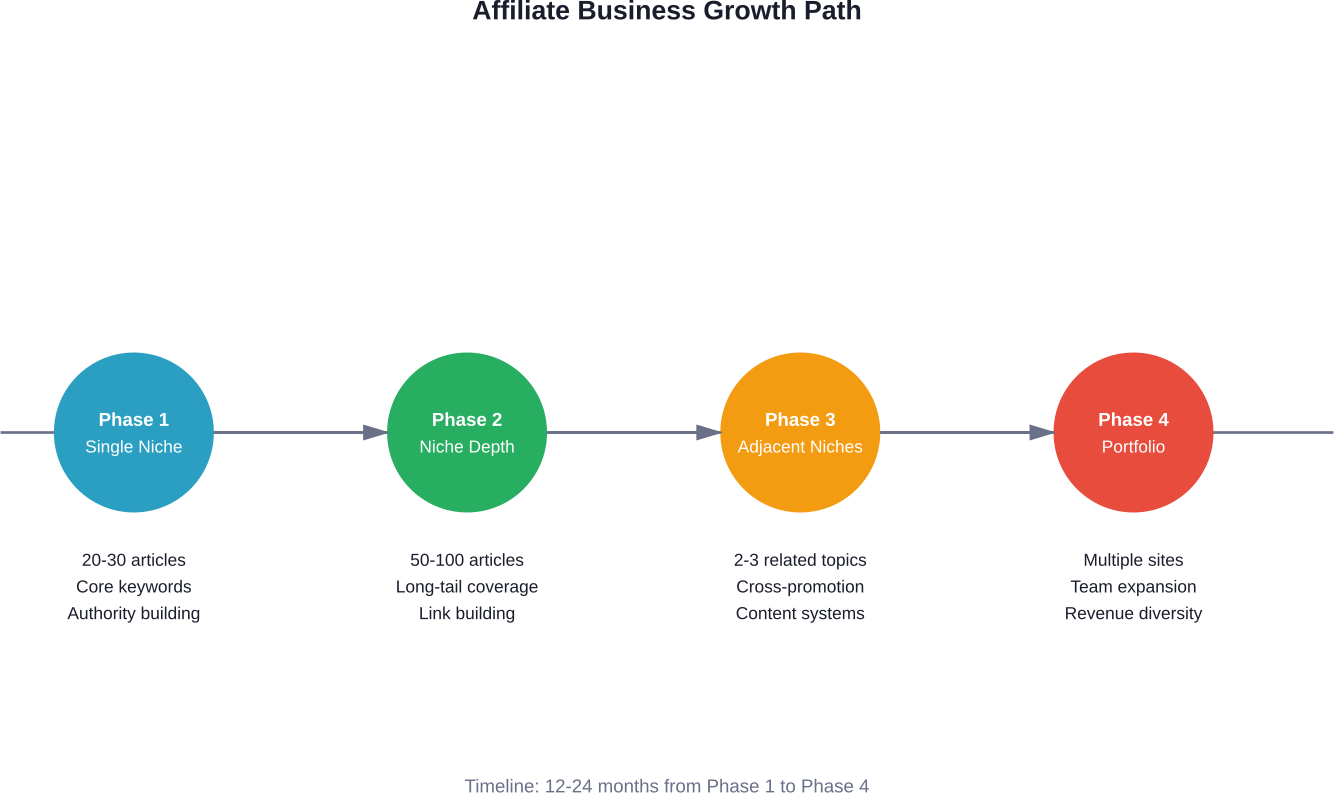
Initial success in one niche creates foundation for expansion. Strategic scaling maximizes returns without diluting focus.
Vertical Expansion Within a Niche
Before jumping to new niches, exhaust opportunities within the current focus. Comprehensive coverage beats shallow presence across multiple topics.
Vertical expansion means creating content for every stage of the buyer journey. Awareness-stage content attracts new visitors. Consideration-stage comparisons help them evaluate options. Decision-stage reviews convert them to buyers.
Analyze which existing articles generate traffic but don’t convert. These represent opportunities for supporting content that addresses objections or provides additional information leading to purchase decisions.
Launching Complementary Niche Sites
Once one niche generates consistent income, related niches leverage existing knowledge and systems. A successful fitness equipment site can expand into nutrition, supplements, or athletic wear through separate properties.
Separate sites maintain focused authority rather than diluting expertise across unrelated topics. Search algorithms reward specialized content over generalist approaches.
Complementary niches share audience characteristics. Someone interested in home gym equipment likely cares about nutrition and recovery. This audience overlap allows cross-promotion while maintaining distinct content identities.
Building Content Production Systems
Scaling requires systematizing content creation. Templates, style guides, and editorial calendars maintain quality while increasing output.
Documentation captures institutional knowledge. Product review templates ensure consistent coverage of specs, use cases, and comparisons. Editorial calendars coordinate content around product launches, seasons, and promotion opportunities.
Many successful affiliate marketers eventually hire writers, editors, or virtual assistants. Clear systems allow delegation without quality loss.
Tools and Resources for Niche Research
Effective niche selection requires data beyond intuition. These tools provide the metrics needed for informed decisions.
Keyword Research Platforms
Google Keyword Planner offers free search volume data directly from Google. While primarily designed for advertisers, it reveals search demand across product categories.
Paid tools like Ahrefs, SEMrush, and Moz provide additional metrics including keyword difficulty scores, SERP analysis, and competitor research. These platforms identify content gaps and ranking opportunities.
Amazon’s own search suggestions reveal what shoppers actually search for. Type product categories into Amazon’s search bar and note autocomplete suggestions—these represent real search behavior.
Competition Analysis Tools
Browser extensions like MozBar or Ahrefs SEO Toolbar display domain authority and page metrics directly in search results. This allows quick competition assessment without leaving Google.
Detailed competitor analysis tools reveal which keywords drive traffic to competing sites, their backlink profiles, and content performance metrics. This intelligence informs content strategy and identifies weaknesses to exploit.
Amazon-Specific Research
Amazon Best Sellers lists showcase top-performing products across categories. Regular monitoring reveals trends, seasonal patterns, and emerging product types.
Product review analysis tools extract common themes from customer reviews. Complaints and feature requests indicate content opportunities addressing buyer concerns.
Amazon’s “Customers Also Bought” sections reveal product relationships and potential content connections. Articles covering complementary products can link naturally while providing comprehensive buyer guidance.
Monetization Beyond Basic Links
Standard affiliate links work, but strategic implementation increases earnings per visitor.
Product Comparison Tables
Side-by-side comparisons help buyers evaluate options quickly. Tables organizing key specs, prices, and ratings perform well both for users and search engines.
Comparison content targets high-intent keywords like “best [product type]” or “[product A] vs [product B].” These searches indicate purchase readiness.
Dynamic comparison tables that pull current prices and availability from Amazon maintain accuracy automatically and provide better user experience than static content.
Buying Guides and Gift Ideas
Comprehensive buying guides targeting broad category keywords attract early-stage researchers. These visitors may not purchase immediately, but retargeting and email capture enable later conversion.
Gift guides capitalize on seasonal shopping behavior while providing evergreen value. “Gifts for [recipient type]” content generates traffic year-round with peaks during holiday periods.
Budget-specific guides—”Best [product] under $50″—filter options by price point, addressing a primary decision factor for many shoppers.
Email List Integration
Email subscribers represent owned audience independent of platform algorithm changes. Deal alerts, product roundups, and buying guides delivered via email drive affiliate clicks without search engine dependence.
Lead magnets like downloadable buying guides or product comparison checklists convert blog visitors into subscribers. The FTC’s guidance on endorsements applies to email marketing—disclosure requirements remain necessary.
Automated email sequences nurture subscribers through repeated exposure to relevant products. A fitness equipment site might send workout guides featuring specific gear, nutrition tips linking to kitchen tools, or recovery advice promoting massage devices.
Long-Term Sustainability Strategies
Short-term wins don’t guarantee lasting income. These approaches build sustainable affiliate businesses.
Diversifying Beyond Amazon
Amazon Associates remains valuable, but commission rate changes and policy updates create risk. Supplementing with other affiliate programs reduces dependence on a single income source.
Many brands offer direct affiliate programs with higher commissions than Amazon provides. ShareASale, CJ Affiliate, and Rakuten host programs across multiple product categories.
Hybrid monetization incorporating display ads, sponsored content, and digital products alongside affiliate links creates income diversity that weather platform-specific changes.
Building Brand Recognition
Generic niche sites compete on search rankings alone. Branded properties with loyal audiences generate traffic through direct visits, social followings, and email subscribers.
Brand building requires consistency in voice, visual identity, and content quality. Social media presence, email engagement, and community interaction develop relationships beyond transactional content.
Recognized brands can weather algorithm updates better than sites dependent entirely on organic search. Loyal audiences return regardless of ranking fluctuations.
Adapting to Platform Changes
Amazon’s commission structure has changed multiple times. According to Census Bureau data, e-commerce continues evolving rapidly, with business models and consumer behavior shifting constantly.
Successful affiliates monitor platform policy updates and adapt strategies accordingly. When commission rates change, content pivots toward products maintaining favorable rates while preserving relevance.
Algorithm updates from Google impact traffic patterns. Diversified traffic sources—social media, email, YouTube, Pinterest—reduce vulnerability to search ranking volatility.
Getting Started: Action Plan
Theory matters less than implementation. This action plan moves from research to revenue.
Phase 1: Research and Validation (Weeks 1-2)
Select three potential niches based on interest, knowledge, and market data. Use keyword research tools to assess search volume, competition, and content opportunities for each.
Analyze the top 10 search results for primary keywords in each niche. Document their domain authority, content depth, and monetization approaches. Identify weaknesses in their coverage.
Check Amazon’s product selection in each category. Count relevant products, note price ranges, and assess review quality. Calculate potential earnings based on commission rates and estimated traffic.
Phase 2: Foundation Building (Weeks 3-6)
Register a domain reflecting niche focus. Set up hosting and install WordPress or your preferred content management system.
Create essential pages including about, contact, and disclosure pages. Ensure disclosure language complies with FTC requirements before publishing any affiliate content.
Apply to Amazon Associates. Most applications require demonstrating an established website, so publish 5-10 articles before applying. These initial articles should provide genuine value even without affiliate links.
Phase 3: Content Production (Months 2-4)
Publish 20-30 comprehensive articles covering core topics in the niche. Prioritize medium-difficulty keywords with clear purchase intent.
Each article should target a specific keyword phrase, provide thorough information, and naturally integrate relevant product recommendations. Include comparison tables, buying criteria, and use case scenarios.
Implement internal linking strategy connecting related articles. This distributes authority across the site and guides visitors toward conversion-focused content.
Phase 4: Promotion and Growth (Months 4-6)
Build initial backlinks through guest posting, resource page outreach, and strategic partnerships with complementary sites.
Launch social media profiles on platforms matching niche and audience characteristics. Repurpose blog content into platform-specific formats.
Start email list building through lead magnets and content upgrades. Regular email newsletters keep the audience engaged and drive traffic to new content.
Phase 5: Optimization and Scaling (Months 6-12)
Analyze performance data to identify top-performing content and high-converting products. Double down on what works through additional content in successful subtopics.
Update existing content based on seasonal changes, new products, and user feedback. Maintain accuracy to preserve rankings and credibility.
Consider expansion into complementary content areas or launch additional niche sites using systems developed from the first property.
Frequently Asked Questions
What commission rates does Amazon pay for different product categories?
Amazon’s commission rates vary by product category and change periodically. As of early 2026, rates typically range from 1-2% for video games and grocery to 3-4% for health products, home items, and beauty products, with some categories like luxury beauty reaching up to 10%. Electronics generally pay around 2-2.5%. Always check Amazon’s current fee structure as rates adjust based on business conditions.
How much traffic do I need to make money with Amazon affiliates?
Income potential depends on traffic volume, conversion rates, and average order values. Generally, affiliates see 1-3% conversion rates—meaning 1-3 sales per 100 visitors. At a $2 average commission, 1,000 monthly visitors might generate $20-60. Meaningful income typically requires 10,000+ monthly visitors, though high-intent traffic in expensive niches can generate revenue with fewer visitors. Focus on quality traffic from purchase-intent keywords rather than raw visitor counts.
Do I need to own the products I promote as an Amazon affiliate?
Personal ownership and testing strengthens credibility but isn’t mandatory. The FTC requires honest representations—marketers cannot claim personal experience they don’t have. Many successful affiliates combine firsthand product testing with thorough research of specifications, customer reviews, and expert opinions for items they haven’t personally used. Clear disclosure about review methodology maintains compliance and trust.
How long does it take to see income from Amazon affiliate marketing?
Most new affiliate sites take 3-6 months to generate initial meaningful traffic and sales. Search engines need time to index content, build trust signals, and rank pages. Early months focus on content creation and foundation building rather than revenue. Month 6-12 typically shows accelerating growth as content compounds and authority builds. Sustainable income usually requires 12-18 months of consistent effort, though results vary based on niche, competition, and execution quality.
Can I promote Amazon affiliate links on social media?
Amazon’s policies permit affiliate links on social media platforms with proper disclosure. However, specific rules apply—direct linking in posts is allowed, but links cannot appear in private messages or closed groups without explicit disclosure. Each platform has additional restrictions: YouTube requires link disclosures in video descriptions, Instagram necessitates disclosure within posts, and Pinterest allows affiliate pins with proper identification. Always review both Amazon’s policies and individual platform guidelines before posting affiliate content.
What happens if Amazon changes commission rates in my niche?
Commission rate changes occur periodically as Amazon adjusts economics. When rates decrease, affiliates can pivot toward products in categories maintaining favorable commissions, diversify into other affiliate programs offering better rates for similar products, or increase traffic volume to offset reduced per-sale earnings. Successful affiliates maintain diversified monetization including multiple affiliate networks, direct brand partnerships, and supplementary revenue streams like display advertising or digital products.
Should I focus on one niche or create multiple niche sites?
Begin with a single niche to develop systems, understand the business model, and achieve initial success before expanding. Spreading effort across multiple niches simultaneously dilutes focus and slows growth. Once one site generates consistent income and operates systematically, launching complementary niche sites leverages proven methods while diversifying risk. Most profitable affiliate marketers eventually build portfolios of specialized sites rather than maintaining broad, unfocused properties.
Conclusion: Taking Action in 2026
The most profitable Amazon affiliate niches in 2026 combine demonstrated consumer demand, reasonable competition levels, and favorable commission structures. Health and wellness, beauty and personal care, electronics, personal finance tools, home products, and pet supplies each offer proven pathways to affiliate income.
But niche selection represents just the starting point. Success depends on content quality, strategic promotion, compliance with disclosure requirements, and persistent execution over months rather than weeks.
The Census Bureau’s data showing continued e-commerce growth confirms expanding opportunities, but also intensifying competition. Generic content and shallow product descriptions won’t compete against comprehensive resources backed by genuine expertise.
Start with thorough niche research using the metrics outlined here. Validate opportunities through competitor analysis and keyword research before committing significant resources. Build authority through detailed, honest content that serves buyer needs rather than merely chasing commissions.
Amazon affiliate marketing remains accessible to new marketers while offering scaling potential for experienced operators. The key lies in matching profitable niches with genuine interest and capability—then executing consistently while adapting to changing markets.
Pick one niche from this guide. Research it thoroughly. Create your first 10 articles. The income follows implementation, not analysis.
 No credit card required