
 EN
EN  ES
ES  FR
FR  DE
DE  IT
IT  KO
KO  JA
JA  ZH
ZH  AR
AR  PT
PT  TR
TR PL
PL
In the highly competitive world of Amazon, pricing can make or break your success. Understanding how Amazon’s dynamic pricing algorithm works and choosing the right strategy is essential to stand out, attract buyers, and maximize your profits. This article explores key pricing methods and tips to help you optimize your product prices on Amazon effectively.

Why Pricing Strategy Matters on Amazon
In today’s digital marketplace, pricing is more than just setting a number on a product. On Amazon, pricing is a strategic tool that can determine whether your product gets noticed or lost in the sea of millions of listings. Unlike traditional retail, where customers might see a single price tag, Amazon shoppers have instant access to countless alternatives, price comparisons, and reviews. This ease of comparison means your price must strike a perfect balance – it needs to be attractive enough to win the customer’s attention, but also sustainable enough to keep your business profitable.
Amazon’s marketplace operates on razor-thin margins and fierce competition, so even small price differences can significantly impact your sales volume. Price too high, and customers may opt for cheaper options. Price too low, and you risk eroding your profits or devaluing your brand. Because Amazon’s search algorithm also factors in price competitiveness, pricing affects your product’s visibility in search results and whether you win the coveted Buy Box, which can drive most of your sales.
That’s why developing a well-thought-out pricing strategy is critical. It helps you position your products in the market effectively, attract the right audience, and respond quickly to shifts in demand or competitor moves. Moreover, pricing strategy directly influences customer perception – customers associate price with quality and value, so your pricing choices shape how your brand is viewed.
In summary, pricing strategy on Amazon is not just about numbers – it’s a vital component of your overall business strategy. Getting it right can increase conversion rates, build customer loyalty, and ultimately, drive long-term growth.
How Amazon’s Pricing Algorithm Influences Your Prices
In the fast-paced world of Amazon selling, prices don’t just sit still – they shift and adapt every moment. This dynamic pricing environment is powered by Amazon’s advanced pricing algorithm, which is at the core of how product prices are set and adjusted across the platform. Unlike traditional retail pricing, where prices might remain fixed for weeks or months, Amazon’s algorithm continuously analyzes a complex web of factors to offer customers the best possible deal at any given time. This real-time pricing adjustment is essential to keep Amazon competitive, responsive to market demands, and aligned with customer expectations.
For sellers, this means understanding how the algorithm works isn’t just helpful – it’s crucial. Pricing decisions on Amazon are influenced by far more than just your initial markup or cost. Instead, prices fluctuate according to competition, inventory levels, customer interest, and historical pricing trends, among other variables. To thrive in this environment, sellers need a pricing strategy that embraces flexibility and leverages data insights, rather than relying on static or guesswork pricing models.
Here are the key components that Amazon’s pricing algorithm takes into account:
- Market competition: Your product’s price is constantly compared against similar or identical items sold by competitors. The algorithm favors competitive pricing to help your product win the Buy Box and attract buyers.
- Supply and demand: Prices respond to changes in how many units are available versus how many customers want to buy them. High demand and low stock typically push prices up, while excess inventory or low demand can lower prices.
- Price history: To avoid confusing customers with erratic changes, the algorithm considers your product’s past prices and encourages some level of price consistency over time.
- Customer behavior: Data on how shoppers search, browse, and purchase products feeds into pricing decisions, allowing Amazon to offer prices tailored to consumer preferences and maximize sales.
Amazon’s pricing algorithm is constantly balancing these factors to set prices that attract customers while maintaining profitability. As a seller, this means your prices will rarely remain fixed for long. Instead, they will ebb and flow based on market signals and buyer activity. This dynamic nature demands that your pricing strategy is agile and supported by tools or processes that enable quick adjustments.
Ignoring how the pricing algorithm works or failing to adapt can leave your products overpriced, invisible, or stuck in inventory. Conversely, sellers who embrace the algorithm’s real-time pricing adjustments – using automation and continuous market analysis – position themselves to win more sales, improve Buy Box placement, and maintain healthier margins.
In short, mastering Amazon’s pricing algorithm means seeing your prices as a living element that must evolve alongside competition, supply, and customer demand. The more you understand and work with this system, the better you can align your prices with market realities and customer expectations, driving greater success on Amazon’s competitive platform.
Core Amazon Pricing Strategies You Should Know
Setting the right price on Amazon is not a one-size-fits-all decision. Different sellers have different goals, products, and market conditions to consider. To succeed, it’s important to understand the core pricing strategies commonly used on Amazon and when to apply each. Choosing the right approach can help you attract customers, maximize profits, and build a sustainable business.
Below, we break down the most effective pricing strategies, explaining their advantages, risks, and ideal use cases.
Dynamic Pricing Strategy
Dynamic pricing is a flexible approach where product prices change in real time based on current market conditions. This can include factors like competitor pricing, demand levels, and inventory availability. Instead of fixed prices, your listings adjust automatically to reflect the most advantageous price point at any given moment.
How It Works
Dynamic pricing software monitors competitor listings, tracks fluctuations in supply and demand, and updates your product price within predefined boundaries you set. For example, prices may rise during a surge in demand or drop when competitors launch sales, ensuring you remain competitive and profitable.
Key Benefits
- Keeps your prices competitive without manual intervention
- Maximizes profits during peak demand by raising prices
- Helps clear inventory during low demand by lowering prices
- Reacts quickly to competitor promotions or price changes
How to Implement Dynamic Pricing
- Use automated pricing tools and software to track competitors and market trends
- Set pricing rules based on minimum and maximum price thresholds
- Monitor inventory levels and adjust prices to avoid stockouts or overstocks
- Regularly review performance metrics to fine-tune pricing algorithms
Dynamic pricing is essential in Amazon’s fast-paced marketplace where consumer behavior and competitor actions can shift daily. When done right, it optimizes both sales volume and profitability dynamically.
Competitive Pricing Strategy
Competitive pricing means setting your product’s price at or near the price of similar products from direct competitors. This approach focuses on aligning your price with market expectations to attract buyers without initiating price wars.
How It Works
You analyze competitor prices regularly and align your pricing accordingly. This strategy ensures your listings remain appealing and helps you maintain a presence in the Buy Box, Amazon’s coveted “add to cart” spot.
Advantages
- Attracts price-sensitive customers comparing options
- Reduces the risk of losing the Buy Box to competitors
- Maintains healthy profit margins without aggressive discounting
- Helps position your product as a reasonable choice in the market
When to Use Competitive Pricing
- When your product quality and features are similar to competitors
- In highly saturated product categories
- If you want to avoid expensive price wars but remain appealing
- To build customer trust with fair and consistent pricing
This strategy balances competitiveness and profitability, making it a common choice for sellers wanting steady sales and market presence.
Low Pricing Strategy
The low pricing strategy aims to offer your products at prices lower than competitors to rapidly gain market share and attract bargain hunters.
How It Works
You intentionally price products lower than similar items on Amazon to appeal to deal-seeking shoppers, boost sales volume, and build early traction.
Pros
- Attracts bargain hunters and increases sales volume
- Helps new sellers build reviews and visibility
- Can disrupt competitors’ pricing and force adjustments
Cons to Consider
- Lower profit margins – careful cost management is essential
- May create perceptions of lower quality
- Risk of unsustainable pricing if prolonged
Best Practices
- Use for product launches or clearance sales
- Monitor profitability closely to avoid losses
- Pair with strong marketing and excellent customer service to build value beyond price
Low pricing can be a powerful short-term tactic but requires a plan for sustaining your brand’s value.
Premium Pricing Strategy
Premium pricing involves setting your product price above the average market level to convey exclusivity, superior quality, or unique value.
How It Works
You justify higher prices through exceptional product features, brand reputation, or unique benefits, targeting customers willing to pay more for perceived value.
Benefits
- Positions your product as a luxury or specialized offering
- Attracts customers willing to pay more for perceived value
- Can improve brand perception and loyalty
Requirements for Success
- Clear justification for higher prices (unique features, brand reputation, quality)
- Exceptional product presentation, including images and descriptions
- Strong customer service and positive reviews to support the premium position
Psychological Pricing
Psychological pricing leverages customer perception by setting prices that feel more attractive or “right” rather than strictly logical.
How It Works
Common tactics include pricing items just below round numbers (e.g., $19.99 instead of $20), which makes the price seem lower due to the left-digit effect, or avoiding whole numbers to suggest better value.
Common Techniques
- Ending prices with .99 or .95 to make products seem cheaper (e.g., $19.99 instead of $20)
- Avoiding round numbers to increase perceived savings
- Using “charm pricing” to trigger emotional buying responses
Why It Works
- Shoppers often focus on the left-most digit and perceive prices as lower
- Creates a sense of getting a deal, encouraging purchases
Promotional Pricing and Discounts
Promotional pricing involves temporary price reductions or offers to stimulate sales, attract new customers, and clear inventory.
How It Works
You run limited-time deals, coupons, bulk discounts, or Amazon’s Subscribe & Save programs to create urgency or incentivize purchases.
Types of Promotions
- Limited-time flash sales or daily deals
- Bulk purchase discounts (e.g., Buy 2, get 10% off)
- Coupon codes distributed through affiliates or newsletters
- Amazon-specific programs like Subscribe & Save
Tips for Using Promotions
- Plan promotions around peak shopping periods and slow seasons
- Calculate discounts carefully to protect profit margins
- Use promotions to increase customer acquisition and repeat purchases
Each pricing strategy has its place depending on your product, goals, and market environment. Many successful Amazon sellers combine strategies – for example, using dynamic pricing supported by promotional discounts during key periods or applying premium pricing backed by strong branding and customer service.
The most important thing is to remain flexible, continuously monitor market conditions, and adapt your pricing as needed. Leveraging data, automation tools, and a clear understanding of your target customers will help you set prices that not only attract buyers but also sustain profitability.
By mastering these core pricing strategies, you position your products to compete effectively on Amazon and grow your business in the long term.

Leveraging Promotions and Discounts to Boost Sales
In the highly competitive environment of Amazon’s marketplace, simply listing your product is not enough to stand out. Discounts and promotions serve as powerful tools to grab customer attention, drive traffic, and encourage purchases. These tactics play a critical role in influencing buyer behavior by creating a sense of urgency, offering perceived added value, and rewarding customer loyalty.
Beyond just boosting sales in the short term, well-executed promotions can also help manage inventory effectively – moving slow-selling products during off-peak seasons and clearing out stock to make room for new arrivals. Promotions engage customers who may be on the fence and can differentiate your listings from competitors’, especially in price-sensitive categories. However, using discounts without a clear strategy can backfire by eroding your profit margins or damaging your brand’s perceived value.
Some of the most effective promotional tactics sellers use on Amazon include:
- Limited-time discounts: Flash sales or daily deals that create urgency, encouraging customers to act quickly before the offer expires.
- Quantity discounts: Offers like “Buy 2, get 10% off” that incentivize larger purchases, increasing average order value.
- Coupons and vouchers: Exclusive discounts distributed via affiliates, newsletters, or social media channels that drive targeted traffic and conversions.
- Subscribe & Save: Amazon’s Subscribe & Save program encourages repeat purchases by offering discounts on recurring orders, fostering customer loyalty.
While promotions can significantly increase sales volume, they must be used thoughtfully and strategically. Frequent or deep discounts can train customers to wait for sales, potentially reducing overall profitability and weakening brand positioning. It’s essential to balance the immediate benefits of promotions with their long-term impact on your business health.
Effective use of promotions involves timing deals around peak shopping periods, seasonal demand, and competitor activity. Monitoring the results of your promotional campaigns through sales data and customer feedback allows you to refine your approach and maximize ROI.
In summary, leveraging promotions and discounts on Amazon is more than just lowering prices – it’s about creating smart, targeted offers that motivate buyers while supporting your brand and profit goals. When combined with a solid pricing strategy and ongoing market analysis, promotions become a key driver for sustainable sales growth and business success.
Practical Tips for Setting and Adjusting Prices on Amazon
Setting the right price on Amazon is both an art and a science. It requires ongoing attention to market conditions, competitor behavior, customer expectations, and your own business goals. Prices need to be competitive yet profitable, flexible enough to respond to changes but stable enough to maintain customer trust. Whether you’re launching a new product or optimizing an existing listing, practical pricing tactics can help you strike this balance and improve your sales performance.
Below are actionable tips to help you set initial prices effectively and adjust them strategically over time, ensuring your products remain attractive and profitable.
Conduct Thorough Market Research
Before setting your initial price, understand the landscape you’re entering.
- Identify similar products in your category and analyze their pricing
- Use tools like Keepa, CamelCamelCamel, or Boardfy to track price trends and historical data
- Evaluate competitors’ strengths and weaknesses beyond price, including reviews and shipping options
- Factor in seasonal demand fluctuations and special sales events
This research helps you position your product appropriately, whether you aim to compete on price, quality, or unique features.
Calculate Your Costs and Desired Profit Margins
Your price must cover all costs and deliver a reasonable profit.
- Include production, packaging, Amazon fees (FBA or referral), shipping, and marketing expenses
- Determine your minimum profitable price and set a target profit margin
- Factor in potential discounting or promotions to ensure profitability even during sales
- Avoid pricing too low as it can erode margins and damage brand perception
A clear understanding of your cost structure prevents pricing mistakes that can quickly lead to losses.
Start with a Competitive Yet Sustainable Price
When launching a product, set a price that attracts early buyers without sacrificing your bottom line.
- Consider introductory offers or limited-time discounts to generate initial sales and reviews
- Avoid overly aggressive low pricing that’s unsustainable long term
- Use competitive pricing to test market response and adjust accordingly
Starting with a thoughtful price point builds momentum and credibility.
Monitor Competitor Prices Regularly
Amazon is highly dynamic, and competitor prices change frequently.
- Track prices of your top competitors daily or weekly using automated tools
- Watch for sudden price drops or promotions that may require you to adjust your prices
- Be cautious about entering destructive price wars; sometimes differentiating on value is better
Consistent monitoring ensures you don’t lose market share due to outdated pricing.
Use Automated Pricing Tools for Real-Time Adjustments
Manual price changes can be slow and inefficient in a fast-moving marketplace.
- Leverage software solutions that automate price adjustments based on rules you set (minimum/maximum price, competitor prices, inventory levels)
- Set alerts for significant competitor moves or inventory changes
- Automate price increases during high demand and reductions to clear excess stock
Automation helps you stay competitive without constant manual oversight.
Apply Psychological Pricing Techniques
Use pricing that appeals to customer perceptions and buying behavior.
- Price products ending with .99 or .95 to make them appear more attractive
- Avoid round numbers unless aiming for a premium brand perception
- Test upward or downward rounding depending on your target market
These small tweaks can boost conversion without lowering your actual price.
Adjust Prices Based on Inventory and Sales Performance
Your pricing strategy should be responsive to your inventory levels and sales velocity.
- Raise prices slightly when stock is low and demand is high to maximize profits
- Offer discounts or bundle deals to clear slow-moving inventory
- Analyze sales data regularly to identify price elasticity and optimal price points
Balancing inventory and pricing helps maintain healthy cash flow and product turnover.
Review and Adapt to Market Trends and Customer Feedback
Pricing is not static – adaptation is key.
- Stay informed on broader market trends, economic changes, and competitor strategies
- Use customer reviews and feedback to identify perceived value and adjust pricing if necessary
- Experiment with pricing changes cautiously and track their impact on sales and profitability
Being proactive in adjusting prices keeps you ahead in a competitive marketplace.
Setting and adjusting prices on Amazon requires a combination of research, careful calculation, continuous monitoring, and strategic flexibility. There is no “perfect price,” but by applying practical tips – such as thorough market research, cost analysis, competitor tracking, automation, and psychological pricing – you can find the sweet spot that attracts buyers and sustains profitability.
Remember that Amazon’s marketplace is dynamic. Your pricing strategy should evolve alongside changes in demand, competition, and customer preferences. Embracing data-driven decisions and leveraging technology for real-time adjustments will help you stay competitive and grow your business successfully.

Harnessing Data and Automation with WisePPC to Enhance Your Amazon Pricing Strategy
At WisePPC, we understand that mastering your pricing strategy on Amazon requires deep insights and real-time data to make informed decisions. That’s why we have developed an advanced analytics platform designed to give sellers complete visibility and control over their marketplace performance. Our tools provide detailed historical and real-time sales and advertising data, empowering you to uncover pricing trends, optimize campaigns, and react quickly to market shifts. By integrating sales performance with ad spend data, we help you see the full picture and understand exactly what drives your revenue.
We are proud to be an Amazon Ads Verified Partner, which reflects our commitment to maintaining the highest standards in service quality and data accuracy. Using official Amazon integrations, WisePPC delivers powerful features such as bulk campaign updates, granular filtering, and detailed placement analysis, all aimed at streamlining your operations and maximizing profitability. Our platform is built for scale, whether you manage a handful of products or thousands, ensuring that your pricing and advertising strategies evolve as your business grows.
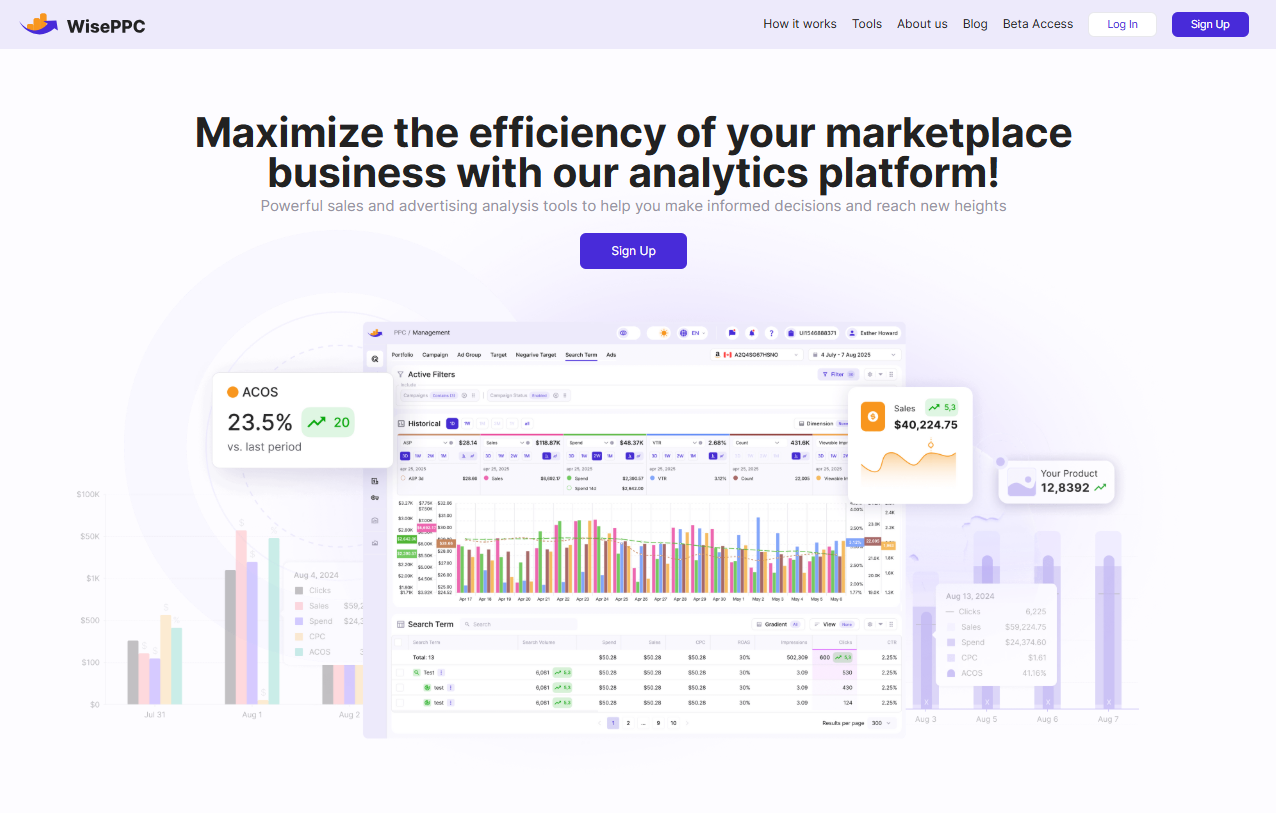
WisePPC goes beyond just reporting numbers – we enable proactive pricing and advertising optimization. With features like long-term historical data storage, automated bid adjustments, and multi-metric analysis, you can spot pricing opportunities and potential inefficiencies that others might miss.
By leveraging WisePPC’s comprehensive analytics and automation capabilities, you position your Amazon business for long-term success. Our platform helps you make smarter pricing decisions, reduce wasted ad spend, and improve campaign efficiency by up to 30%. We invite you to explore how WisePPC can be your partner in navigating the complexities of Amazon pricing strategy and achieving sustainable growth in a competitive marketplace.
Conclusion
Mastering your pricing strategy on Amazon is a critical step toward increasing both sales and profitability. The marketplace’s dynamic nature means that static pricing rarely leads to long-term success. Instead, leveraging data-driven insights, understanding how Amazon’s algorithm works, and applying flexible strategies such as psychological pricing and well-timed promotions can give you a significant edge over competitors. Tools and platforms like WisePPC can further empower you by providing the analytics and automation needed to optimize pricing and advertising efforts efficiently. Ultimately, success comes from combining thorough market research with adaptability, continuous monitoring, and strategic experimentation. When you embrace these principles, you position your products not only to attract more customers but to sustain profitability and grow your brand over time.
FAQ
How often should I update my prices on Amazon to stay competitive?
Pricing updates on Amazon should be frequent but strategic. Because the marketplace is constantly changing, it’s important to monitor competitor activity and market trends regularly. Using automated tools can help you adjust prices in real time without manual effort, keeping your listings competitive while protecting margins.
Can I use psychological pricing on all product types?
Psychological pricing techniques like ending prices with .99 or .95 can work across many product categories because they influence customer perception subconsciously. However, for premium or luxury items, rounding prices upward or using whole numbers may better convey exclusivity. Always consider your brand positioning when applying these tactics.
What role do promotions play in an effective pricing strategy?
Promotions and discounts create urgency and can boost short-term sales, clear inventory, or attract new customers. However, overusing promotions can erode profit margins and devalue your brand. Strategic use of limited-time offers, quantity discounts, and subscription deals balances attracting buyers with maintaining long-term profitability.
How can I determine the optimal price point for my products?
Finding the optimal price involves analyzing historical sales data, competitor pricing, and customer behavior. Testing different price points while tracking their impact on conversion rates and profit margins helps identify where demand and profitability align best. Advanced analytics platforms can simplify this process by providing actionable insights.
What is the advantage of using a tool like WisePPC in pricing strategy?
WisePPC offers sellers deep analytics and automation designed specifically for Amazon and other marketplaces. By providing real-time data, bulk editing capabilities, and long-term historical insights, it helps you optimize both pricing and advertising more efficiently. This reduces guesswork and allows you to react quickly to market changes, ultimately increasing sales and profitability.
 No credit card required