
 EN
EN  ES
ES  FR
FR  DE
DE  IT
IT  KO
KO  JA
JA  ZH
ZH  AR
AR  PT
PT  TR
TR PL
PL
Quick Summary: Amazon’s best-selling toys span multiple categories, with building sets, games & puzzles, and collectibles driving the strongest growth in 2025. The U.S. toy industry generated $30.3 billion in retail sales in 2025, up 6% year-over-year. From classic LEGO sets to viral Squishmallows, Amazon’s toy bestsellers list updates frequently based on real-time sales data and customer ratings.
Amazon’s toy department isn’t just big—it’s massive. With thousands of products competing for attention, the platform’s Best Sellers list offers a real-time snapshot of what kids (and parents) actually buy.
But here’s the thing: these rankings shift constantly. Amazon updates its Best Sellers list frequently based on recent sales velocity, not just total units moved. That means a toy can rocket to the top of the charts during a viral TikTok moment, then settle back down as trends evolve.
Understanding what drives these sales patterns helps parents make smarter purchases and reveals which toy categories dominate the market.
The State of the Toy Industry in 2025-2026
According to The Toy Association and Circana, U.S. retail toy sales hit $30.3 billion in 2025, marking a 6% increase over 2024. This growth reversed two consecutive years of decline and brought renewed optimism to manufacturers and retailers alike.
Global toy sales reached $111.8 billion in 2024, up 3% over 2023. While growth appears modest, the compound annual growth rate for the global toy market was 4% over the five-year period since 2019, demonstrating remarkable resilience through economic uncertainty.
Three categories contributed 92% of all U.S. toy sales growth in 2025: games & puzzles (up 37%), building sets (up 15%), and explorative toys (up 20%). These weren’t random winners—they reflect deeper shifts in what families value.
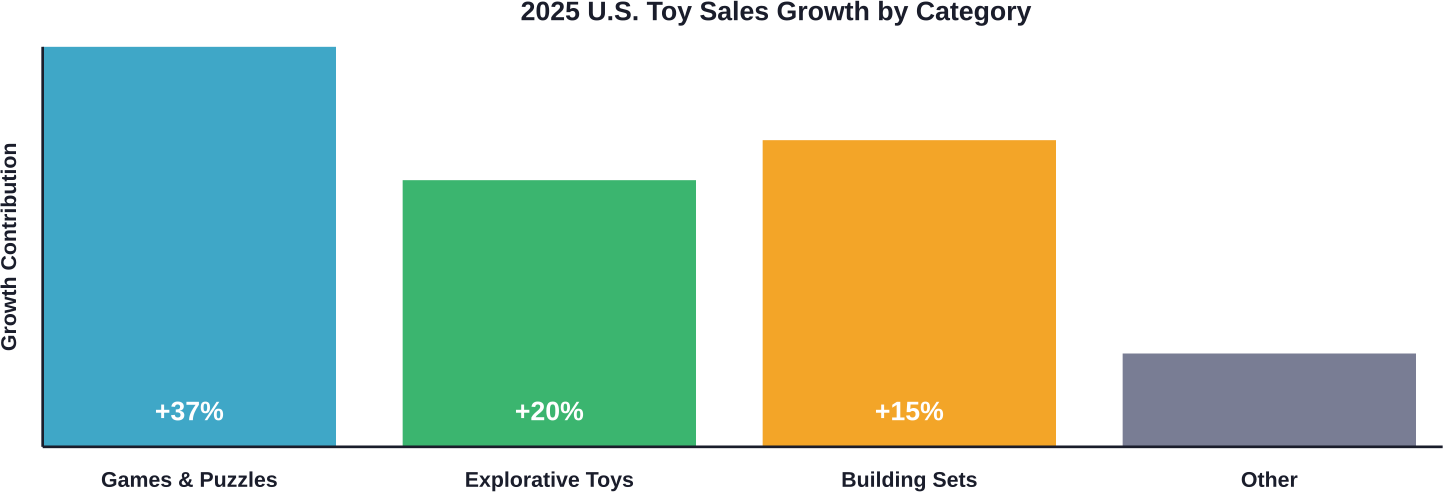
Games and puzzles saw explosive demand partly because they offer screen-free entertainment that brings families together. Building sets appeal to both nostalgic adults and kids developing spatial reasoning skills.
How Amazon’s Toy Best Sellers List Works
Amazon’s Best Sellers rank isn’t a popularity contest based on reviews. It’s calculated from recent and historical sales data, with heavier weight given to current sales velocity.
The algorithm updates frequently. A toy selling 100 units today might outrank one that sold 1,000 units last month but only 10 today. This system rewards momentum and reflects real-time consumer behavior.
Amazon organizes toy bestsellers into dozens of subcategories: Action & Toy Figures, Baby & Toddler Toys, Building & Construction Toys, Dolls & Accessories, Games, Learning & Education, and more. Each subcategory maintains its own ranking separate from the overall Toys & Games list.
This structure matters. A product might rank #1 in “Baby & Toddler Toys” but did not crack the top 100 in overall “Toys & Games” because the parent category includes higher-volume items appealing to broader age ranges.
Top Categories Dominating Amazon Toy Sales
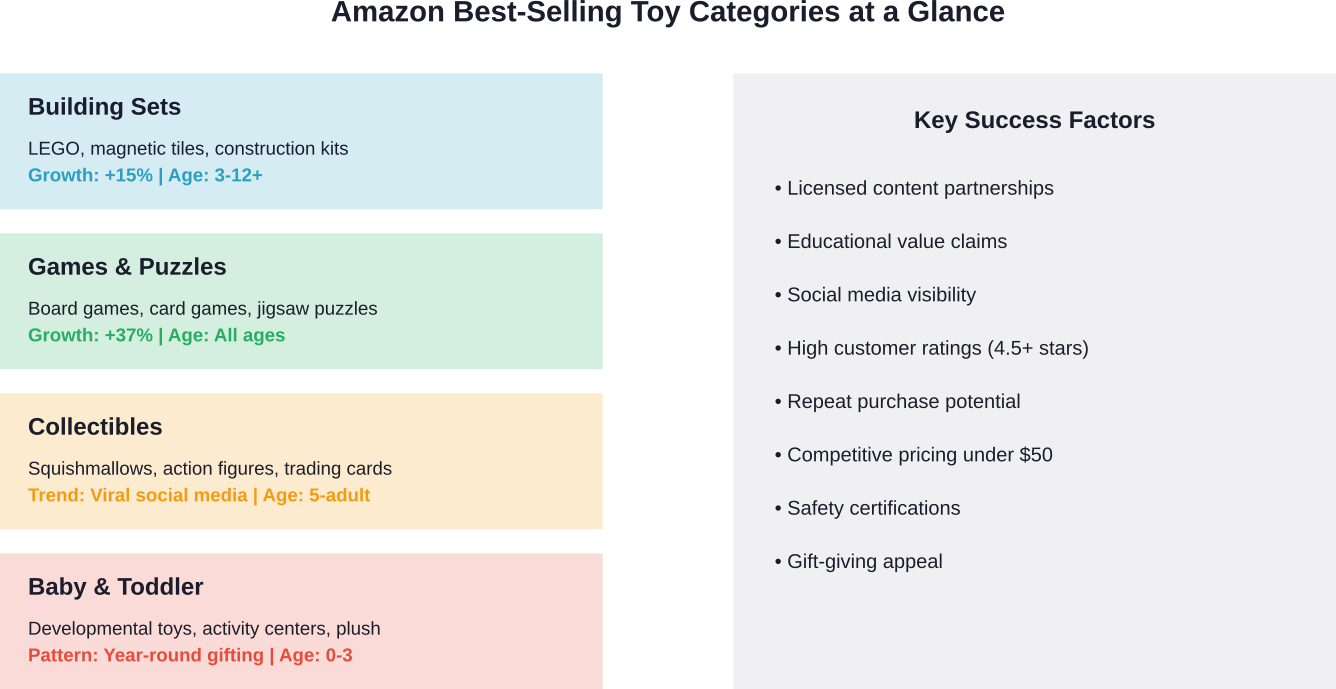
Building Sets and Construction Toys
LEGO remains the undisputed king here. The brand’s combination of licensed properties (Star Wars, Harry Potter, Marvel) and original themes (City, Creator, Technic) creates something for every interest level and budget.
According to Circana’s Q3 2025 report, industry growth was largely driven by collectible toys (+33%) and licensed toys (+14%). LEGO benefits from both trends—its sets are inherently collectible, and licensing deals keep fresh content flowing.
But LEGO isn’t alone. Magnetic building tiles from brands like Magna-Tiles maintain strong positions thanks to open-ended play value. These products consistently earn high ratings because they scale with child development—toddlers stack them, older kids build complex 3D structures.
Games and Puzzles
The 37% category growth for games and puzzles wasn’t a fluke. Board games experienced a renaissance during recent years as families sought shared activities beyond screens.
Classic games like Candy Land hold steady positions on Amazon’s bestseller list because they’re gift-giving staples. But newer titles gain traction fast when they go viral on social media. Party games with simple rules and quick play times perform especially well.
Puzzles appeal to multiple demographics. Parents buy them for their kids’ cognitive development. Adults purchase them for stress relief. The category’s breadth creates consistent sales volume.
Action Figures and Collectibles
Collectible toys represent a unique market segment. Unlike utilitarian products bought once, collectibles generate repeat purchases as kids (and adult collectors) chase complete sets.
Squishmallows exemplify this phenomenon. These plush toys built a massive following through social media and diverse character designs. Squishmallows are mentioned in competitor content and industry discussions, and the brand releases new characters constantly to maintain momentum.
Traditional action figures from franchises like Marvel, DC, and Star Wars maintain presence on bestseller lists because new movies and shows drive demand spikes. Licensing synergy between entertainment releases and toy launches creates predictable sales patterns retailers count on.
Baby and Toddler Toys
This category operates differently than toys for older kids. Safety certifications, developmental appropriateness, and durability matter more than trendy licenses or viral moments.
Products that teach cause-and-effect, encourage motor skill development, or support early language learning consistently rank high. Educational toys like the Leapfrog Learning Friends 100 Words Book maintain strong sales because they address multiple developmental milestones while withstanding rough handling from curious toddlers.
Baby toys also benefit from gift-giving patterns. New parents and grandparents buy these items year-round, not just during holidays, creating steadier sales curves than seasonal toy categories.
What Makes a Toy Become an Amazon Bestseller
Sales velocity alone doesn’t tell the whole story. Several factors combine to push toys up Amazon’s rankings:
- Customer ratings matter significantly: Products with 4.5+ star averages from thousands of reviews inspire purchase confidence. Parents especially rely on reviews to gauge durability, safety, and whether kids actually play with the toy beyond initial excitement.
- Price positioning influences ranking potential: Many Amazon toy bestsellers fall under $50. This price point balances perceived value with impulse-purchase threshold. Expensive toys ($100+) can still hit bestseller status but face narrower customer bases.
- Availability drives consistency: Toys that stock out frequently lose ranking momentum. Amazon’s algorithm factors availability into visibility, so products with reliable inventory tend to maintain better positions.
- Seasonal timing creates opportunities: According to the U.S. Census Bureau data, November and December combined generate approximately 18.3% of annual retail and food services sales (8.5% in November, 9.8% in December based on 2016 data). Toys launched in early fall with strong marketing support can ride holiday shopping momentum into bestseller lists.
Trending Toys on Amazon in Early 2026
While specific product rankings shift daily, certain trends define early 2026’s toy landscape.
STEM toys continue gaining ground. Parents increasingly seek products that claim educational benefits without sacrificing play value. Chemistry sets, coding robots, and engineering kits balance learning outcomes with hands-on fun.
Sensory toys expanded beyond the fidget spinner fad. Products like NeeDoh stress balls and Shashibo shape-shifting boxes appeal to kids and adults seeking tactile stimulation. These items often rank high because they’re affordable, giftable, and generate social media unboxing content.
Licensed character toys tied to current entertainment releases dominate action figure categories. When new entertainment releases occur, related toys often see sales increases. Amazon’s real-time ranking system captures these surges quickly.
Retro revivals bring classic toys back. Rubik’s Cubes in new variants, updated versions of 80s/90s board games, and reimagined action figure lines tap into millennial parents’ nostalgia while introducing these concepts to new generations.
Shopping Smart: How to Use Amazon’s Toy Rankings
The bestseller list offers value beyond discovering popular items. Smart shoppers use rankings as research tools.
Check multiple subcategories rather than just browsing the main list. The overall “Toys & Games” ranking skews toward broadly appealing, lower-priced items. Drilling into specific categories like “STEM Toys” or “Outdoor Play Equipment” reveals quality options that might not crack the top 100 overall.
Read reviews critically. High ratings mean something, but dive into 3-star reviews to understand common complaints. These middle-ground reviews often provide balanced perspectives on durability issues, size expectations, or age-appropriateness concerns.
Compare prices across listings. Some popular toys have multiple sellers, and prices can vary significantly. Amazon’s interface shows different sellers for the same product—checking those options might save money.
Track price history using browser extensions before major purchases. Toy prices fluctuate, especially around holidays. Some bestselling items actually cost less during off-peak months than during November-December shopping frenzies.
The Role of Licensing in Toy Sales
Entertainment licensing deals shape the toy industry more than many realize. When kids watch a movie or TV show featuring characters they love, demand for related merchandise follows predictably.
According to Circana’s Q3 2025 report, industry growth was largely driven by collectible toys (+33%) and licensed toys (+14%). This isn’t coincidental—studios coordinate entertainment releases with toy launches to maximize cross-promotion impact.
LEGO excels at this strategy. The company maintains licensing partnerships with Star Wars, Marvel, DC, Harry Potter, Nintendo, and numerous other franchises. Each new movie or game release provides fresh theming opportunities for sets that tap into existing fan bases.
But licensing cuts both ways. When entertainment properties lose cultural relevance, related toys see sales decline. The key for manufacturers is balancing timely licensed products with evergreen original concepts that don’t depend on Hollywood release schedules.

Selling Toys on Amazon? Learn What Keeps Products at the Top
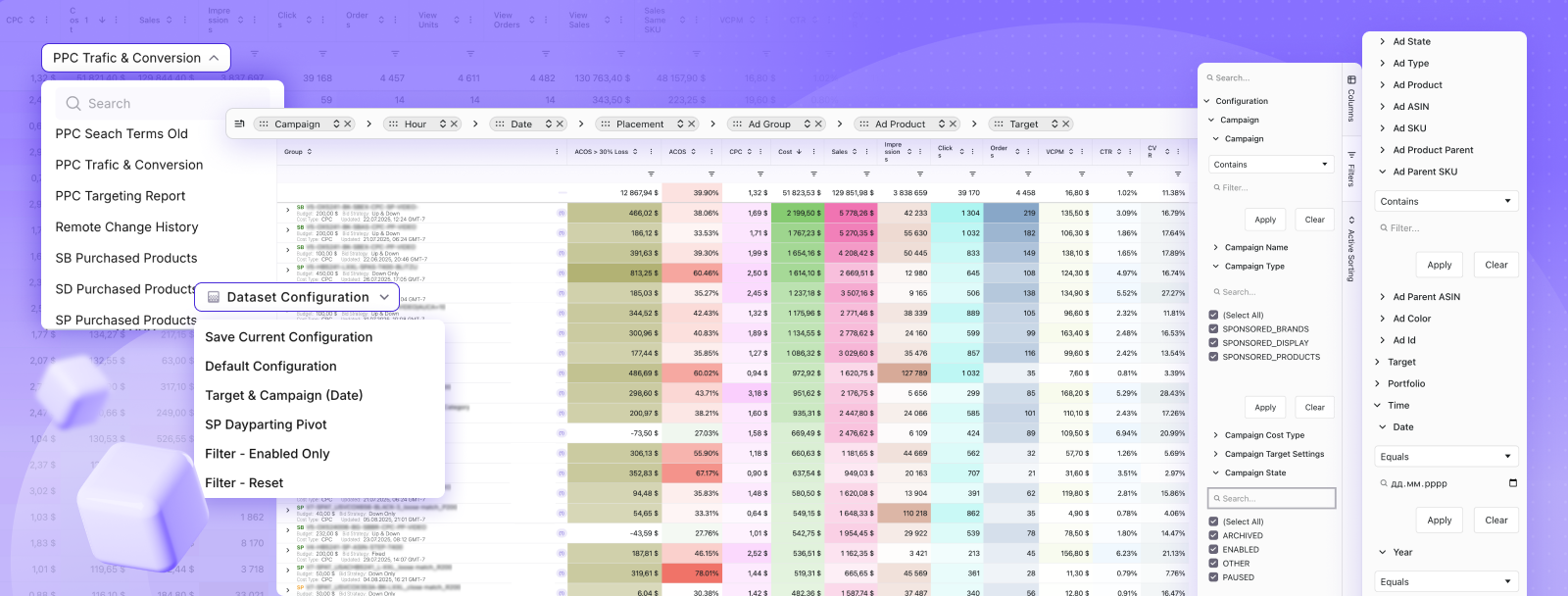
Toy rankings on Amazon move quickly – a product can jump to the top during a viral moment and lose momentum just as fast. What’s missing from those shifts is context. You see movement, but not what’s supporting it. WisePPC helps fill that gap by showing how different performance signals connect behind the scenes, not just how positions change.
That makes it easier to follow patterns instead of reacting to spikes. You can observe how demand holds across time, how visibility changes after adjustments, and which products keep their position without constant input. It turns ranking changes into something you can actually interpret, rather than just watch.
👉Register with WisePPC and get a clearer view of what keeps toy products at the top.
Frequently Asked Questions
How often does Amazon update its toy bestseller rankings?
Amazon updates its Best Sellers list frequently based on recent sales velocity. The algorithm weighs current sales more heavily than historical data, so rankings can shift rapidly when products go viral or experience sudden demand spikes from social media mentions or news coverage.
What was the best-selling toy category on Amazon in 2025?
While Amazon doesn’t release official category sales data, industry reports from Circana show games & puzzles experienced the highest growth rate at 37% in 2025. Building sets and explorative toys also saw strong double-digit growth. These categories likely dominated Amazon’s bestseller lists throughout the year.
Are Amazon’s bestselling toys actually good quality?
Not automatically. Bestseller status reflects sales volume and velocity, not necessarily quality. However, most top-ranking toys do maintain 4+ star customer ratings because poor reviews eventually hurt sales. Always read detailed reviews and check for safety certifications rather than relying solely on bestseller rank.
When is the best time to buy toys on Amazon?
Prime Day (typically July) and Black Friday/Cyber Monday offer significant toy discounts. But lesser-known opportunities exist in January (post-holiday clearance) and September (back-to-school promotions). For specific items, tracking price history helps identify the optimal purchase window.
Do bestselling toys on Amazon differ from other retailers?
Somewhat. Amazon’s selection skews toward items that ship easily and generate high review counts. Large ride-on toys or items requiring assembly might rank differently on Amazon versus physical retailers like Target or Walmart where customers can inspect products before buying.
How accurate is Amazon’s age recommendation for toys?
Age recommendations come from manufacturers and reflect safety testing requirements more than developmental appropriateness. A toy marked “3+” is safety-tested for kids three and older, but might actually appeal more to 5-7 year olds. Customer reviews often provide better real-world age guidance.
Can I trust toys from third-party sellers on Amazon?
Exercise caution. Stick with products marked “Ships from and sold by Amazon.com” or verified brand storefronts. Third-party sellers can be legitimate, but counterfeit toys occasionally slip through, especially for popular brands. Check seller ratings and return policies carefully before purchasing from unknown third parties.
The Bottom Line on Amazon Toy Bestsellers
Amazon’s toy bestseller rankings offer a real-time pulse on what families actually buy, not just what marketing teams promote. The U.S. toy industry’s 6% growth in 2025 demonstrates renewed consumer confidence, with games, building sets, and collectibles leading the charge.
But rankings alone don’t guarantee satisfaction. The best approach combines bestseller data with thorough review research, price comparison, and understanding which categories align with specific age groups and interests.
As 2026 progresses, expect continued strength in STEM toys, licensed character products tied to major entertainment releases, and collectibles that generate social media buzz. The toy industry has proven remarkably resilient—even as digital entertainment competes for kids’ attention, physical toys that offer hands-on experiences continue finding their audience.
Whether shopping for birthdays, holidays, or just-because moments, Amazon’s updated bestseller lists provide a starting point for discovery. The key is using that data wisely rather than treating popularity as the only purchase criterion.
 No credit card required