EN
EN  ES
ES  FR
FR  DE
DE  IT
IT  KO
KO  JA
JA  ZH
ZH  AR
AR  PT
PT  TR
TR  PL
PL  ID
ID  VI
VI Most Profitable Amazon KDP Niches 2026: Data-Backed Guide

Quick Summary: The most profitable Amazon KDP niches for 2026 include guided journals, specialized coloring books, puzzle books, and practical planners targeting specific demographics. Success depends on identifying low-competition subcategories with consistent demand, validating them through proper research tools, and creating quality content that stands out from template-heavy competitors.
Amazon KDP continues evolving as a publishing platform, but one thing hasn’t changed. Choosing the right niche determines whether a book generates passive income or disappears into obscurity.
The landscape looks different now than it did even six months ago. Competition has intensified in obvious categories while hidden opportunities remain in specialized subcategories. According to community discussions across publishing forums, authors with catalog sizes of 5 to 10 books start seeing meaningful monthly income, while those with 1 to 3 books typically earn under $100 per month.
Here’s the thing though—throwing books at the platform doesn’t work anymore. Strategic niche selection combined with quality execution does.
Understanding the KDP Niche Landscape in 2026
The Amazon KDP marketplace operates differently than most people expect. It’s not about finding one magic niche. It’s about identifying multiple low-competition subcategories where demand exists but quality supply remains limited.
Book categories on KDP update rankings at least once daily, though changes can take up to 2 days to appear on detail pages. Rankings reflect recent sales velocity more than total sales volume, which creates opportunities for newer books to compete against established titles.
But wait. Before diving into specific niches, understanding what makes a niche profitable matters more than chasing trending topics.
What Makes a KDP Niche Profitable
Profitable niches share specific characteristics. They have consistent search demand throughout the year rather than seasonal spikes. They contain buyers willing to spend $7 to $20 per book. And they feature enough existing sales to prove demand but not so much competition that new books can’t break through.
Low-content books—notebooks, planners, journals, log books, and similar formats—present different opportunities than traditional books. According to Amazon’s own guidelines, these categories now face stricter quality requirements. Generic templates no longer pass review as easily as they once did.
The shift benefits creators who add genuine value. Customers can spot lazy cash-grab products instantly, and reviews reflect that reality.

Connect Campaigns With Real Results
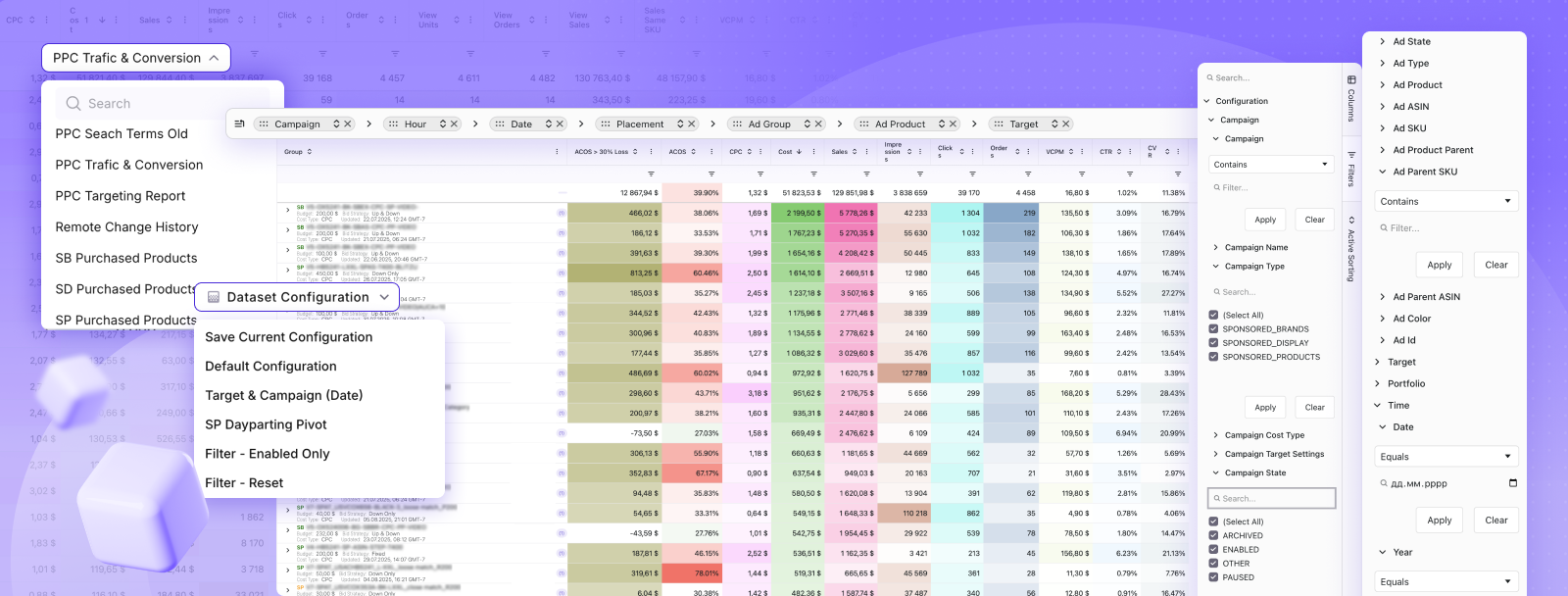
Looking at clicks or impressions alone doesn’t show the full picture. WisePPC connects campaigns with actual sales performance, helping identify which ads contribute to growth and which ones underperform.
Want to Know What’s Working?
- track ad spend alongside actual sales
- analyze campaign and keyword performance
- identify what drives revenue
👉 Explore WisePPC to understand your Amazon advertising data.
Top Performing KDP Niches for 2026
Certain categories consistently outperform others. These niches combine buyer intent with underserved subcategories where quality content still wins.
Guided Journals and Prompt Books
Standard lined notebooks saturate the market. Guided journals with specific prompts, exercises, or frameworks don’t. The difference between a generic “gratitude journal” and a “gratitude journal for healthcare workers managing burnout” illustrates the opportunity.
Specificity wins. Journals targeting particular professions, life stages, or challenges perform better than broad approaches. A journal for new mothers returning to work addresses concrete needs that generic self-care journals miss.
Prompt journals need actual value inside. Thoughtful questions, varied exercises, and useful frameworks separate quality products from template dumps. Books that help users achieve specific outcomes generate positive reviews and repeat customers.
Specialized Coloring Books
The coloring book market looks oversaturated until breaking it into subcategories. Generic adult coloring books compete against thousands of similar titles. Specialized coloring books targeting specific interests face far less competition.
According to recent analysis shared in publishing communities, certain coloring book niches continue generating consistent income. These include profession-specific designs (medical terminology coloring books for students), hobby-focused themes (specific car models, architecture styles), and therapeutic applications (anxiety relief patterns, mindfulness mandalas with guided elements).
The key difference? Depth and authenticity. A coloring book featuring anatomically accurate bird species for ornithology enthusiasts competes in a different universe than generic “pretty birds to color.”
Quality matters more now than ever. Designs need to be original, appropriate for the niche, and formatted correctly for print. Books displaying poorly executed AI-generated art or obvious stock image traces get called out in reviews immediately.
Puzzle Books With Specific Themes
Puzzle books represent another strong category when executed with focus. Word searches, crosswords, sudoku, and similar formats sell consistently. The winning strategy involves combining puzzle types with specific themes or difficulty levels.
A word search book for medical terminology students serves a clear purpose. A crossword book featuring 1990s pop culture nostalgia targets specific buyers. Theme-focused puzzle books outperform generic collections because they match search intent precisely.
Creating legitimate puzzle content requires actual work. Randomly generated puzzles with inconsistent difficulty or poor clue quality earn bad reviews. Tools exist to help generate puzzles, but human review and refinement remain essential for quality output.
Practical Planners for Niche Activities
General planners compete against established brands with loyal followings. Specialized planners for specific activities or professions face less competition from major publishers.
Examples include planners for: – Specific hobbies (garden planning, fishing logs, hiking journals) – Professional needs (freelance project tracking, real estate showing schedules) – Life events (wedding planning, home renovation tracking) – Health management (migraine tracking, medication schedules)
These work because they solve specific organizational challenges that generic planners don’t address. A gardening planner with sections for seed inventory, planting schedules, and harvest tracking provides tangible utility beyond blank calendar pages.
Educational Workbooks for Specific Skills
Educational content sells when it targets specific learning objectives. Broad titles like “Math Practice” get lost. Focused workbooks addressing particular skills, grade levels, or teaching methodologies find their audience.
Homeschooling families represent a particularly active market segment. Workbooks aligned with specific curricula or teaching philosophies (Montessori, Charlotte Mason, classical education) serve well-defined buyer groups searching for exactly those approaches.
The critical factor? Educational accuracy and appropriate progression. Parents and teachers spot poorly designed educational content immediately. Books in this niche need legitimate expertise or careful research backing their content.
How to Research and Validate KDP Niches
Finding profitable niches requires systematic research rather than guessing. Several approaches work, but all involve validating assumptions before creating content.
Using Amazon’s Own Data
Amazon provides significant data through its platform. Browsing bestseller lists within specific categories reveals what’s currently selling. Looking at new releases that rank well indicates opportunities where recent books can still gain traction.
According to Amazon’s own documentation, books can take up to 72 hours to appear in new categories after publication, and sales rankings update at least once daily. This means monitoring category performance over time rather than making snap judgments based on single observations.
Best Sellers Rank (BSR) indicates relative sales velocity within a category. A book ranking #5,000 in “Books” overall sells very differently than one ranking #5,000 in a specific subcategory. Category-specific rankings matter more than overall BSR for niche assessment.
Leveraging Research Tools
Dedicated KDP research tools streamline the validation process. Book Bolt, Publisher Rocket, and similar platforms aggregate data across categories to identify trends and opportunities.
These tools typically offer search filters for price range, BSR thresholds, review counts, and publication dates. Setting filters to find books priced between $7-$20 with BSR under 500,000 and fewer than 50 reviews helps identify categories where new books can compete.
Real talk: these tools cost money, but they save substantially more time than manual research. The data they provide—search volume estimates, competition analysis, trending keywords—would take hours to compile manually.
Analyzing Top Performers
Look at what’s working, then ask why it works. When a book ranks well, examine its specific angle, pricing, page count, and review feedback. What problems does it solve? What makes it different from competitors?
Review analysis reveals gaps in the market. When multiple top books in a category receive complaints about the same issue (too simple, too complex, poor layout, missing sections), that feedback points to improvement opportunities.
Check publication dates too. If the top 20 books in a category were all published three years ago, the category might be stale or declining. If recent books appear in top rankings, the category remains active and rewards new entries.
| Research Method | Time Investment | Cost | Best For |
|---|---|---|---|
| Manual Amazon browsing | High (5-10 hours per niche) | Free | Beginners validating concepts |
| Book Bolt or similar tools | Medium (1-2 hours per niche) | $10-$20/month | Regular publishers building catalog |
| Publisher Rocket (one-time) | Medium (1-2 hours per niche) | $97 one-time | Publishers avoiding subscriptions |
| Community forums and groups | Low (ongoing monitoring) | Free | Staying current on trends |
Common Mistakes That Kill KDP Profitability
Knowing what doesn’t work matters as much as knowing what does. These mistakes appear repeatedly in unsuccessful KDP ventures.
Choosing Oversaturated Niches
Publishing another basic lined notebook or generic gratitude journal means competing against thousands of established titles. Some categories have too many books for new entries to gain visibility regardless of quality.
Warning signs include: – Search results showing 50,000+ competing books – Top 20 titles all from established publishers or authors with dozens of reviews – No recent books (published within 3 months) appearing in top 100 – Average BSR of top performers under 10,000 (indicating massive sales volume needed to compete)
These categories might seem attractive because they’re popular, but popularity without opportunity wastes effort.
Ignoring Quality Standards
Amazon’s content guidelines have tightened significantly. Books that would have passed review two years ago now get rejected or removed for quality issues.
Low-content books face particular scrutiny. According to Amazon’s official guidelines, these books must provide value beyond generic templates. Identical interiors with different covers, minimal content, or purely functional pages without thought given to user experience risk rejection.
Quality issues that trigger problems include: – Pixelated or low-resolution images – Text running into margins or gutters – Inconsistent formatting – Obvious template reuse visible in preview – AI-generated content without disclosure or value-add
The platform’s AI content policy requires disclosure when AI tools play a significant role in creation. More importantly, AI-generated content needs human refinement and value addition to meet quality thresholds.
Pricing Too Low or Too High
Pricing affects both royalties and perceived value. Books priced under $2.99 earn 35% royalties instead of 70%. Books priced above $9.99 for simple low-content formats may face buyer resistance.
The sweet spot for most low-content books sits between $5.99 and $9.99. This range provides reasonable royalties while remaining impulse-purchase friendly. Specialized content or books with substantial page counts can command higher prices when value justifies the cost.
Competitive pricing analysis matters. If similar books in a niche sell for $7.99, pricing at $14.99 requires clear differentiation. If they sell for $6.99, pricing at $5.99 doesn’t create enough advantage to offset the revenue loss.
Neglecting Keywords and Categories
Amazon allows seven backend keywords and three categories during book setup. These determine where books appear in search results and category rankings.
According to Amazon’s metadata guidelines, keywords should focus on search terms customers actually use, not promotional phrases or competitor names. Effective keywords describe the book’s content, purpose, and target audience without spam or manipulation.
Category selection requires strategy. Choosing broad categories makes ranking harder. Selecting niche subcategories three or four levels deep provides better opportunities for visibility. Books can display in children’s or teen categories depending on age settings and other metadata, so proper configuration ensures appropriate placement.
It can take up to 72 hours for category changes to display after updates. This delay means testing different category combinations requires patience rather than rapid iteration.
Creating Content That Converts
Research identifies opportunities. Execution determines success. The gap between knowing what niche to enter and creating a book that sells profitably comes down to content quality and presentation.
Interior Design Best Practices
Interior layout matters more than many creators realize. A well-designed interior keeps users engaged and generates positive reviews. Poor layout frustrates customers and earns complaints.
Key considerations include: – Adequate margins (minimum 0.5 inches, 0.75 inches safer) – Consistent formatting throughout – Clear, readable fonts sized appropriately (10-12pt for text, larger for prompts) – Proper alignment and spacing – Page numbering where appropriate – Section dividers or headers for navigation
For low-content books, think about the user experience. A journal should feel pleasant to write in. A planner should make organization intuitive. A workbook should guide users through exercises logically.
Test prints reveal issues digital previews miss. Ordering a physical proof before full publication catches formatting problems, color issues, or layout decisions that don’t translate well to print.
Cover Design That Stands Out
Covers sell books. In a grid of thumbnails, the cover determines whether potential buyers click through to the detail page. It needs to be visually appealing, clearly communicate the book’s purpose, and remain readable at small sizes.
Professional covers don’t require hiring designers, but they do require understanding design principles. Text should be large enough to read in thumbnails. Color schemes should reflect the book’s purpose and target audience. Images or graphics should relate clearly to the content.
Covers displaying in search results appear small—roughly 150×225 pixels. Text that looks fine at full size becomes unreadable at thumbnail size. Testing covers at actual display size before finalizing prevents this common mistake.
Descriptions That Sell Benefits
Book descriptions need to accomplish three things: communicate what the book contains, explain how it helps the buyer, and convince them to purchase rather than keep browsing.
Effective descriptions: – Open with a hook addressing the reader’s need or problem – List specific features using bullet points – Explain benefits rather than just describing contents – Include a call to action – Use formatting (bold, spacing) to improve readability
Instead of “This journal has 120 pages with prompts,” write “Work through 120 carefully crafted prompts designed to help new managers build confidence and develop leadership skills.”
Benefits matter more than features. Features describe what’s in the book. Benefits explain why that matters to the buyer’s life.

Long-Term Strategy for KDP Success
Publishing one book rarely generates substantial income. Building a profitable KDP business requires thinking in terms of catalog development and continuous improvement.
Building a Strategic Catalog
Data from industry surveys confirms catalog size strongly predicts income. Most authors earning meaningful monthly income from KDP have at least 5 to 10 books published. Those with larger catalogs (20+ books) see income rise more substantially.
The strategy involves publishing multiple books within related niches rather than scattering efforts across unrelated categories. A publisher focusing on gardening can create multiple books—garden planners, seed starting logs, harvest tracking journals, companion planting guides—that appeal to the same audience.
This approach provides several advantages. Customers who buy one book may discover and purchase others. Marketing efforts benefit the entire catalog rather than single titles. Categories see the publisher as an established presence rather than a one-off entry.
Monitoring and Adjusting
KDP provides reports that update throughout the day. The dashboard shows a 30-day trendline of orders and Kindle Edition Normalized Pages (KENP) reads for books enrolled in Kindle Unlimited. Monitoring these trends reveals which books perform well and which need adjustment.
eBook and Kindle Unlimited orders update within 24 hours after purchase. Print book orders update within 24 hours after shipment. KENP reads can take 24-48 hours to appear, and monthly KENP numbers may change as Amazon finalizes calculations.
When books don’t perform as expected, testing changes can improve results. Updating keywords, trying different categories, adjusting pricing, or refreshing the book description all provide opportunities for optimization. According to Amazon’s timelines, list price changes can take 72 hours to 5 business days to fully update depending on the significance of the change.
Staying Compliant With Platform Changes
Amazon regularly updates its content guidelines and policies. What passes review today might face different standards tomorrow. Staying informed about policy changes prevents surprises and protects catalog investment.
The AI content policy represents one significant recent change. Books using AI-generated content now require disclosure during the publishing process. More importantly, Amazon’s offensive content policies prohibit certain material and the platform determines appropriateness.
Content guidelines specify that low-content books must provide value, public domain content requires proper verification, and metadata must accurately represent the book without misleading keywords or categories. Violations risk removal or account suspension.
Tools and Resources Worth Using
Efficiency tools don’t guarantee success, but they significantly reduce the time investment required for research and creation.
| Tool Type | Options | Primary Use | Investment Level |
|---|---|---|---|
| Niche research | Book Bolt, Publisher Rocket, Helium 10 | Finding low-competition opportunities | $10-$20/month or $97 one-time |
| Interior creation | Canva, Affinity Publisher, InDesign | Designing book interiors | Free to $20/month |
| Cover design | Canva, Photoshop, BookBrush | Creating professional covers | Free to $30/month |
| Keyword research | Publisher Rocket, KDP Spy, Amazon autocomplete | Finding search terms buyers use | Free to $97 one-time |
The right tool depends on publishing volume and budget. Someone testing KDP with their first book might use free options exclusively. Someone planning to publish regularly benefits from paid tools that speed up the process.
Realistic Income Expectations
KDP income varies dramatically based on catalog size, niche selection, book quality, and marketing efforts. Setting realistic expectations prevents disappointment and supports sustainable strategy.
Most authors with 1 to 3 books earn under $100 per month. Income starts climbing meaningfully at 5 to 10 books, and authors with larger catalogs report substantially higher earnings. These ranges reflect averages—individual results vary based on niche competitiveness and execution quality.
Books don’t typically become immediate bestsellers. Initial traction takes weeks or months as Amazon’s algorithm learns where the book fits and reviews accumulate to build trust. Some books gain momentum quickly while others take longer to find their audience.
The platform rewards consistency more than single home runs. Publishing regularly, learning from each book’s performance, and steadily building catalog size produces more reliable results than hoping for viral success.
Frequently Asked Questions
How long does it take for a new KDP book to start making sales?
New books can take anywhere from a few days to several weeks to generate initial sales. According to Amazon’s timelines, books appear in search results within 72 hours of publication, but ranking well enough to generate consistent sales typically requires 2-4 weeks as the algorithm collects data. Books in less competitive niches with strong keywords and covers often see faster traction than those in saturated categories.
Do I need to use paid research tools to find profitable niches?
Paid tools significantly speed up research but aren’t mandatory. Manual research using Amazon’s category browsing, bestseller lists, and search autocomplete can identify opportunities—it just takes more time. Someone publishing their first few books can start with free methods and invest in paid tools once they validate that KDP works for their goals and schedule.
How many books should I publish before expecting meaningful income?
Based on industry survey data, most authors begin seeing meaningful monthly income (several hundred dollars or more) after publishing 5-10 books. Individual book quality and niche selection matter significantly, but catalog size remains the strongest predictor of income. Publishing one or two books rarely generates substantial revenue regardless of quality.
Can I still succeed with coloring books in 2026 or is that niche too saturated?
Generic coloring books face intense competition, but specialized subcategories within the coloring book market still offer opportunities. Success requires targeting specific interests (profession-specific designs, detailed hobby themes, therapeutic applications) rather than broad topics. Quality and originality matter more than ever as customers easily identify low-effort template content.
What’s the difference between 35% and 70% royalty rates on KDP?
eBooks priced between $2.99 and $9.99 qualify for 70% royalties in most markets, while books priced outside that range earn 35% royalties. The 70% royalty rate includes delivery costs deducted from each sale. For print books, royalties equal list price minus printing costs and Amazon’s distribution fee, typically ranging from 35-60% depending on page count and pricing.
How often should I update my book’s keywords and categories?
Monitor new books for the first 2-4 weeks after publication. If the book isn’t gaining traction (appearing in relevant search results, generating impressions, making sales), testing different keywords or categories makes sense. According to Amazon’s guidelines, category changes can take up to 72 hours to display. Avoid changing keywords constantly—give each configuration at least 2 weeks to collect performance data before adjusting again.
Do I need to disclose if I use AI tools to create my KDP books?
Yes. Amazon’s AI content policy requires disclosure when AI-generated content plays a significant role in book creation. The disclosure happens during the publishing process through a specific question about AI-generated content. More importantly, AI-generated content still needs to meet Amazon’s quality standards, which typically requires human refinement, editing, and value addition beyond raw AI output.
Moving Forward With Your KDP Strategy
The most profitable Amazon KDP niches in 2026 share common characteristics: specific target audiences, underserved subcategories, consistent demand, and opportunities to add genuine value. Success comes from systematic research, quality execution, and strategic catalog building rather than hoping for lucky breaks.
Start with thorough niche validation before creating content. Use the research methods and tools discussed to identify opportunities where demand exists but competition remains manageable. Focus on niches where personal knowledge or genuine interest supports creating quality content rather than chasing trends without understanding the audience.
Create books that solve specific problems or serve clear purposes. Generic content no longer succeeds in most categories. Specificity, quality, and thoughtful design separate books that generate consistent income from those that disappear into obscurity.
Build strategically rather than randomly. Develop a catalog within related niches, learn from each book’s performance, and continuously refine approach based on actual results. The authors seeing meaningful KDP income didn’t publish one book—they built catalogs systematically over time.
Amazon KDP remains a viable platform for generating passive income in 2026, but it rewards effort, strategy, and quality more than ever before. The opportunity exists for those willing to do the research, create genuinely useful content, and commit to building a catalog rather than testing waters with a single book.
Join the WisePPC Beta and Get Exclusive Access Benefits
WisePPC is now in beta — and we’re inviting a limited number of early users to join. As a beta tester, you'll get free access, lifetime perks, and a chance to help shape the product — from an Amazon Ads Verified Partner you can trust.
 No credit card required
Free in beta and free extra month free after release
25% off for life — limited beta offer
Access metrics Amazon Ads won’t show you
Be part of shaping the product with your feedback
No credit card required
Free in beta and free extra month free after release
25% off for life — limited beta offer
Access metrics Amazon Ads won’t show you
Be part of shaping the product with your feedback