EN
EN  ES
ES  FR
FR  DE
DE  IT
IT  KO
KO  JA
JA  ZH
ZH  AR
AR  PT
PT  TR
TR  PL
PL Essential Tips for Building a Brand That Lasts

Building a brand isn’t just about a catchy name or an eye-catching logo. It’s about creating an identity that resonates with people. Whether you’re starting from scratch or looking to refine your existing brand, there are key steps that will help you craft something meaningful and authentic. In this guide, we’ll explore practical tips for building a brand that stands out, makes an impact, and grows with your business. Let’s dive into the essentials!
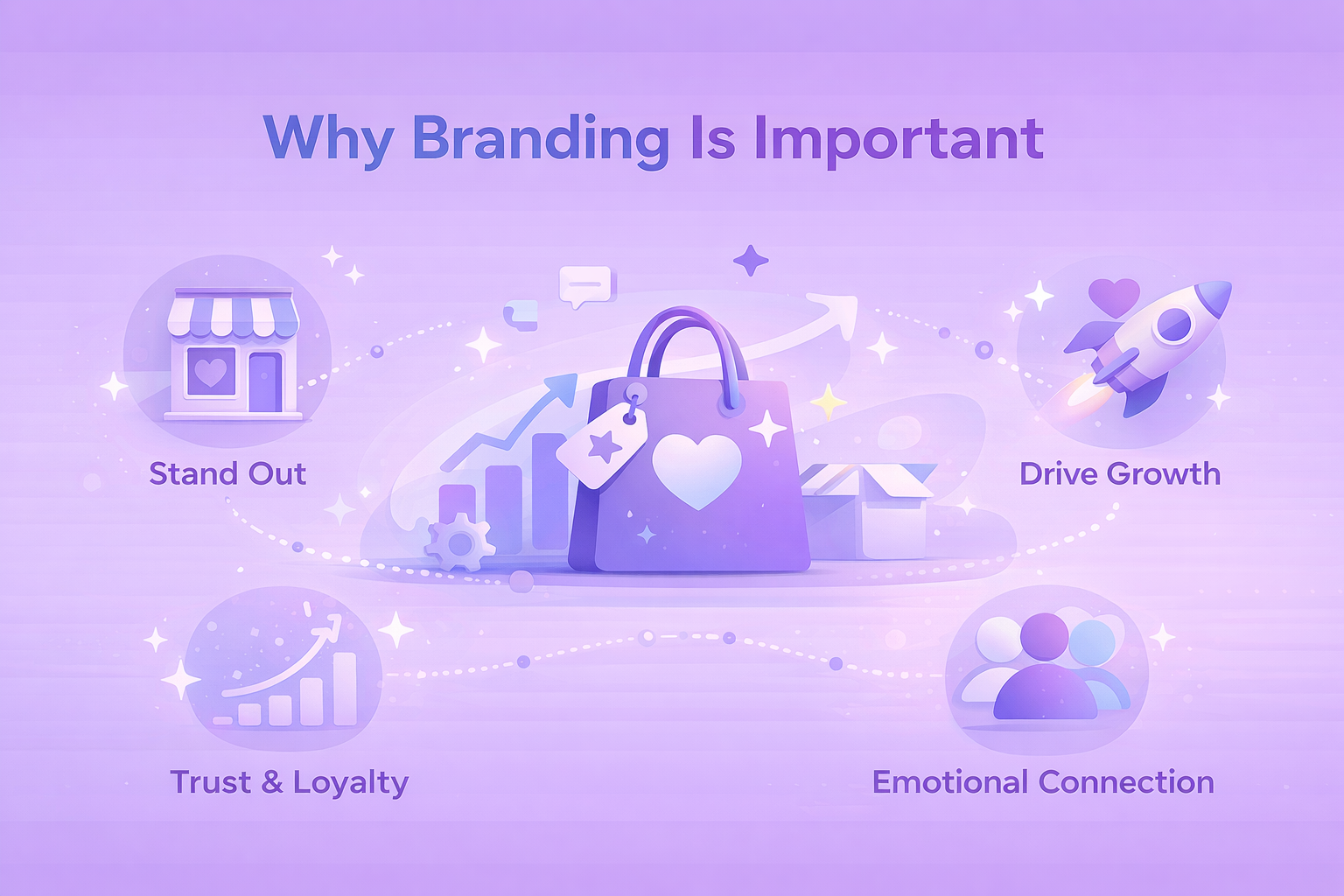
Why Branding Is Important
In today’s competitive marketplace, branding is a fundamental aspect of success. A brand is how your business is perceived, and it plays a critical role in customer decision-making. Think of it as your company’s identity – its personality, values, and purpose. A strong brand can help you differentiate your business from competitors, build customer loyalty, and ultimately drive sales.
Consumers are more likely to choose brands they trust, and they often form emotional connections with brands that align with their values. Branding isn’t just about attracting customers; it’s about building long-term relationships that keep them coming back. Without a clear, consistent brand, businesses can struggle to establish recognition, which can lead to missed opportunities and growth stagnation.
Clear Strategies for Building a Brand
Building a successful brand involves several key strategies that work together to create a cohesive identity. Here are the steps to follow:
1. Start with Clear Brand Positioning
Before you dive into design, marketing, or even product development, it’s crucial to define your brand positioning. This is the foundation of your brand – it’s how you position yourself in the market and how your audience perceives you. Your brand positioning answers key questions like “What sets your business apart from competitors?”, “What unique value do you provide?”, and “How do you want people to feel when they interact with your brand?”.
Brand positioning tips:
- Mission statement: Your mission statement should clearly define why your business exists and what you’re offering to the market.
- Vision: Think about your long-term goals and what impact you want to have on your customers, industry, or even society.
- Values: They should guide every decision, from customer service to product development. Values help to connect emotionally with your customers, making them more likely to trust your brand.
Actionable steps: Develop a clear mission, vision, and values statement. Use these elements to guide every decision, from your marketing strategy to the products you offer.
2. Understand Your Audience and Competitors
No brand can succeed without a deep understanding of its audience and competitors. Your target audience determines how you shape your messaging, products, and overall brand identity. Competitor analysis, on the other hand, helps you identify market gaps, areas for differentiation, and opportunities to provide something better or unique.
Audience and competitor research tips:
- Create customer personas: These detailed profiles represent your ideal customers.
- Conduct surveys and polls: Get direct feedback from potential and current customers to understand their needs, frustrations, and what they love about your brand.
- Identify direct competitors: Who else is offering a similar product or service in your market? Understand their strengths and weaknesses.
- Analyze competitor brands: Look at how competitors position themselves, their messaging, and how they communicate with their audience.
Actionable steps: Conduct audience surveys and create customer personas. Research your competitors’ brands and identify areas where you can differentiate yourself.
3. Develop a Strong Brand Identity
Your brand identity is the visual and emotional representation of your business. It’s the combination of all the elements that create a perception of your brand in the minds of your audience. A strong brand identity includes not only your logo but also your color palette, typography, imagery, and overall design style.
Key elements of brand identity:
- Logo: A simple, memorable logo that represents your brand is a must. It should be versatile and scalable, working across different platforms and media.
- Color palette: Colors evoke emotions and can help convey the personality of your brand.
- Typography: Your font choices should complement your brand personality. Whether you choose serif or sans-serif fonts, consistency is key.
- Imagery: The types of images you use on your website, in ads, and on social media should align with your brand’s tone and message.
Actionable steps: Hire a professional designer (or use design tools) to create a strong, versatile logo. Choose a color palette and typography that aligns with your brand values and appeals to your audience.
4. Create a Memorable Brand Name and Slogan
When choosing a brand name, it’s important to keep it short and simple. A concise name is easier to remember and more likely to stick with your audience. Make sure the name is unique and not already in use to avoid confusion or legal issues. It should also be easy to spell and pronounce, ensuring that customers can easily find and refer to your brand.
For your slogan, focus on conveying the core value or benefit your brand offers. A good slogan should be catchy and memorable, making it easy for customers to recall and associate with your brand. It’s also an opportunity to reinforce your brand’s personality, helping to further solidify the emotional connection with your audience.
Actionable steps: Brainstorm brand name ideas that reflect your brand values and are easy to remember. Consider working with a branding professional to craft a slogan that captures your brand’s essence.
5. Build Brand Consistency Across All Channels
Consistency is key to building trust and recognition. Whether customers encounter your brand on social media, your website, or through an ad, the experience should be the same. A consistent brand helps to reinforce your values, mission, and overall identity, making it easier for your audience to remember and connect with you.
Consistency tips:
- Design consistency: Your visual elements should remain consistent across your website, social media, and offline materials.
- Tone of voice: Whether you’re posting on social media or writing an email, your tone of voice should reflect your brand’s personality – whether it’s formal, casual, humorous, or authoritative.
- Content consistency: Keep your messaging aligned with your mission and values. Every piece of content should tell your brand story.
Actionable Steps: Create a brand style guide that includes your logo usage, color palette, typography, and tone of voice. Ensure everyone on your team understands the importance of brand consistency across all platforms.
6. Leverage Social Media and Content Marketing
When it comes to social media, it’s essential to choose the right platforms based on where your audience spends their time. Not every brand needs to be on every platform – focus on the ones that are most relevant to your target audience. Once you’ve chosen the platforms, consistently post content that provides value. Whether it’s educational, entertaining, or inspiring, your content should resonate with your audience and keep them engaged.
For content marketing, blogging is a great way to share valuable insights and solve problems for your audience, establishing your brand as an expert in the field. Similarly, email marketing allows you to communicate directly with your audience, and by personalizing your messages, you can create deeper connections that foster loyalty and trust.
Actionable steps: Develop a content calendar for your social media and blog posts. Engage with your followers regularly by responding to comments and messages.
7. Listen to Customer Feedback and Evolve
A brand that fails to listen to its customers will quickly become irrelevant. Customer feedback is an invaluable resource that can guide your branding efforts and help you improve your products and services. Listening to your audience helps you stay aligned with their needs and desires, which is crucial for long-term brand success.
Feedback tips:
- Surveys and polls: Regularly survey your customers to get feedback on your products, services, and overall brand experience.
- Social listening: This can provide insights into how people perceive your brand and what they think about your offerings.
Actionable Steps: Set up systems to gather customer feedback on a regular basis. Use the insights to tweak your brand messaging or improve customer experience.
8. Don’t Be Afraid to Rebrand When Necessary
Sometimes, brands need to evolve. Whether due to market changes, new competition, or shifts in consumer preferences, rebranding can help breathe new life into your business. Rebranding can involve changes to your visual identity, your messaging, or even your company name – whatever is necessary to better connect with your target audience.
Pay attention to signals that your brand is no longer resonating with your audience. If you’ve noticed a decline in engagement or sales, it might be time to rethink your brand. Even when you rebrand, make sure to stay aligned with your mission and values. A successful rebrand should reflect your brand’s evolution, not a complete departure from what you stand for.
Actionable steps: Analyze your current brand performance to determine if rebranding is necessary. Work with a branding expert to ensure your new identity still resonates with your target market.

Tips for Building a Brand on Amazon
If you’re selling on Amazon, building a strong brand becomes even more important. With millions of sellers, standing out can be a challenge, but a well-developed brand will help you capture attention and build customer loyalty.
Enroll in Amazon Brand Registry
One of the first steps to building your brand on Amazon is enrolling in the Amazon Brand Registry. Amazon Brand Registry offers a range of tools to protect and manage your brand on Amazon. Once registered, eligible brands can access additional content options like A+ Content to enhance their product pages with rich visuals and comparison charts.
Optimize Your Product Listings
Clear, compelling product listings are essential. Ensure your product titles, descriptions, and images reflect your brand and align with your brand values. Use high-quality images and videos to showcase your products and tell your brand story.
Use Amazon’s Brand Building Tools
Amazon provides various tools to help brands grow, including Amazon Stores (a customizable storefront), Customer Reviews, and Brand Analytics. Use these tools to track your performance, respond to customer reviews, and optimize your product listings based on customer feedback.
Leverage Amazon Ads to Boost Visibility
Amazon offers several advertising options, such as Sponsored Products and Sponsored Brands. Utilize these ad formats to promote your products and increase brand awareness. Make sure your ad copy and visuals align with your brand identity to maintain consistency.
Offer Exceptional Customer Service
One of the best ways to build brand loyalty on Amazon is by providing exceptional customer service. Respond promptly to customer inquiries, address complaints swiftly, and ensure your products meet or exceed customer expectations.

Why We’re Essential for Building Your Brand on Amazon
At WisePPC, we understand that building a successful brand on Amazon can feel overwhelming, especially when you’re competing in a crowded marketplace. That’s why we’ve designed a comprehensive toolkit to help businesses like yours unlock the full potential of their marketplace presence. As an Amazon Ads Verified Partner, we follow Amazon’s best practices to ensure our clients get the most out of their ad campaigns while maximizing visibility and sales.
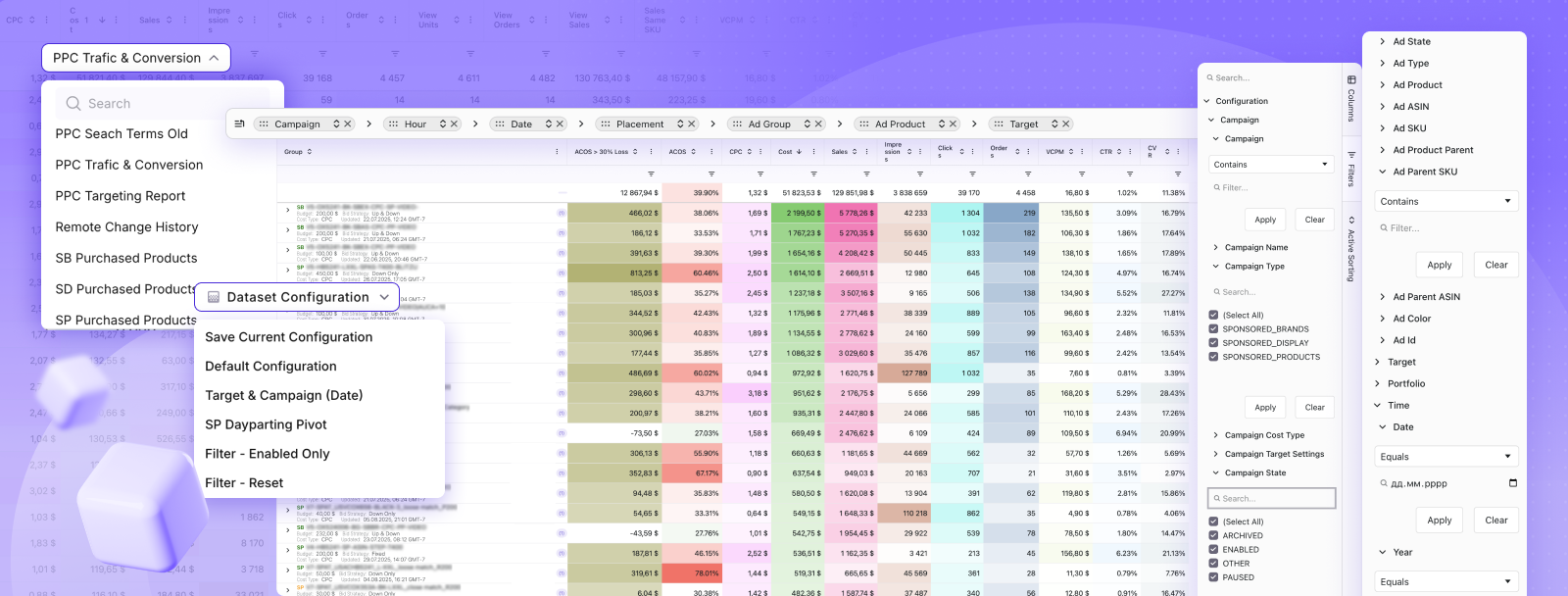
Our platform provides powerful analytics that allow you to dive deep into historical data, track performance in real-time, and make informed, data-driven decisions. We’ve built WisePPC to simplify complexity – whether it’s intelligent ad optimization, bulk actions, or multi-account reporting, every feature is designed to give you more control over your brand’s growth. With multiple metrics at your fingertips, we help you spot trends, monitor results, and fine-tune your strategies to ensure you’re always moving in the right direction.
Conclusion
Building a brand is not a one-time project – it’s an ongoing process. As your business evolves, so too should your brand. Keep listening to your customers, monitor market trends, and be open to rebranding if necessary. A strong brand doesn’t just help you attract customers – it creates lasting relationships that drive long-term success.
By following these strategies – defining your brand positioning, understanding your audience, crafting a compelling brand identity, and leveraging tools like Amazon’s Brand Registry – you’ll be well on your way to creating a brand that stands out and resonates with your target market. Whether you’re selling on Amazon or building a brand elsewhere, consistency and authenticity are the keys to building a brand that lasts.
Remember, your brand is much more than a logo – it’s the story you tell, the promises you keep, and the value you provide. By staying true to your brand’s values and continuously evolving based on customer feedback, you’ll build a brand that thrives in today’s competitive market.
FAQ
1. Why is branding so important for my business?
Branding is the foundation of your business’s identity. It helps differentiate you from competitors, builds trust with customers, and makes you more recognizable. A strong brand doesn’t just attract attention – it creates lasting relationships, drives customer loyalty, and ultimately boosts your sales. In today’s crowded market, a clear and consistent brand is crucial for standing out and making an impact.
2. What are the first steps in building a brand?
The first thing you need to do is define your brand’s core elements: your mission, vision, values, and positioning. This forms the basis for everything else, from your messaging to your visual identity. Next, you should conduct audience research to understand your customers’ needs and competitors’ strategies. Once you have a solid foundation, you can move on to creating a brand name, logo, and consistent visual identity.
3. How do I create a unique brand name and slogan?
Creating a memorable brand name requires a combination of creativity and strategy. It should be short, easy to pronounce, and reflective of your brand’s personality. Once you have a name, think about what your brand represents and try to capture that essence in a short, catchy slogan. Keep it simple and meaningful – something that instantly communicates your brand’s value and resonates with your audience.
4. Can I build a brand without a big budget?
Absolutely! While large budgets can help speed up the process, you can still build a powerful brand with limited resources. Focus on defining your brand’s core message and values, and use low-cost marketing channels like social media, content marketing, and word of mouth to grow your brand. Consistency and authenticity are more important than spending big.
5. How do I stay consistent with my brand across all platforms?
Consistency is key to building a recognizable brand. Make sure your visual elements (logo, colors, typography) and tone of voice remain the same across all platforms – whether it’s your website, social media, or email marketing. To help with this, create a brand style guide that includes your guidelines for design, messaging, and tone. This ensures everyone on your team (and any third-party collaborators) stays aligned with your brand.
Join the WisePPC Beta and Get Exclusive Access Benefits
WisePPC is now in beta — and we’re inviting a limited number of early users to join. As a beta tester, you'll get free access, lifetime perks, and a chance to help shape the product — from an Amazon Ads Verified Partner you can trust.
 No credit card required
Free in beta and free extra month free after release
25% off for life — limited beta offer
Access metrics Amazon Ads won’t show you
Be part of shaping the product with your feedback
No credit card required
Free in beta and free extra month free after release
25% off for life — limited beta offer
Access metrics Amazon Ads won’t show you
Be part of shaping the product with your feedback