EN
EN  ES
ES  FR
FR  DE
DE  IT
IT  KO
KO  JA
JA  ZH
ZH  AR
AR  PT
PT  TR
TR  PL
PL A Practical Guide to Launching a Product the Right Way

There’s a difference between launching a product and launching one well. A lot can go sideways between idea and execution – wrong audience, rushed timing, vague messaging, or just too many moving parts that don’t line up.
This guide breaks the process down into clear, manageable steps. No fluff, no corporate buzzwords. Just real-world advice to help you build a launch that’s grounded, thoughtful, and ready to perform once it’s out in the wild. Whether you’re doing this for the first time or refining your process, it pays to go in with a solid plan.
What Is a Product Launch?
A product launch is the process of bringing a new product or offer to market and getting it into the hands of real customers. It’s not just a release date or a press announcement – it’s everything that happens before, during, and after to make sure the right people know the product exists, understand what it does, and feel confident choosing it.
That includes research, positioning, messaging, testing, and promotion. A good launch connects your solution to a specific problem in a way that feels timely and relevant. It’s not just about going live – it’s about going live with purpose.

Types of Product Launches
Not every product needs a full-scale promotional push on day one. The type of launch you choose depends on your audience size, the maturity of your product, and how confident you feel about its market fit.
Soft Launch
A soft launch introduces the product to a small, controlled group. The goal here is feedback, refinement, and early validation. It is ideal when you want to test messaging, fix issues, or gather testimonials before a wider release.
Hard Launch
A hard launch is the full public debut. It usually includes a set launch date, coordinated marketing, and more visibility. This approach works best when you are confident in the product and want to make a clear, noticeable entry into the market.
Internal Launch
This is mostly used in service-based or digital businesses. You release the product to your existing audience first. They are already familiar with your work, which makes it easier to test the offer and gather honest feedback.
Evergreen Launch
Instead of releasing on a single date, the product becomes available permanently through automated marketing funnels. It is great for digital offerings where content and user experience can be standardized over time.
Seed Launch
This is an early-stage test where you present the idea or a simple prototype to a small group of people. The goal is not scale but validation. You learn what people want before building anything too complex.
Benefits of a Strong Product Launch
A thoughtful launch does more than create buzz. It builds trust and positions your product for long-term success. Here are a few benefits that often go unnoticed:
- Faster market adoption because customers immediately understand what the product does and who it is for.
- Stronger brand perception since a polished launch signals professionalism and reliability.
- Higher conversion rates due to clear messaging that ties customer pain points to your solution.
- Better customer insights that help refine the product, support team, and next version of your offer.
- Reduced risk because early testing and validation prevent costly missteps later.
A great product alone does not guarantee a great outcome. The launch is what puts it in the right hands.
Key Steps to Launch a Product Successfully
There’s no universal blueprint for launching a product, but most strong launches follow the same core structure. Here’s how to move from idea to execution without missing what matters along the way.
Step 1: Understand Your Audience and Market
Every effective launch begins with clarity. Who is the product for, and what exact problem does it solve for them? Most businesses think they know the answer, but real clarity requires research.
Spend time gathering information about the people who are most likely to use your product. Look at:
- Their goals and frustrations.
- How they currently solve the problem.
- What alternatives they have.
- What language they naturally use.
Talk to customers or prospects directly. Study competitor reviews. Explore relevant communities or forums. The more you understand your audience, the easier it becomes to position your product in a way that feels natural to them.
Step 2: Shape Your Positioning and Core Message
Product positioning is the story you choose to tell about your product. It explains what makes it different and why someone should care.
A strong positioning statement answers a few simple questions:
- What does the product do?
- Who is it designed for?
- What pain or frustration does it remove?
- Why is it better than what already exists?
Your messaging should focus on clarity, not hype. Customers respond to practical value, not exaggerated claims. Keep your message grounded, easy to understand, and aligned with what your audience truly wants.
Step 3: Validate Before Going All In
Before building the final version, test whether your idea resonates. A seed launch, pilot group, or early preview can provide valuable insight.
This small-scale test helps you confirm whether people actually want the product, what features matter most, what pricing feels fair, and where confusion or resistance appears.
You can use surveys, simple landing pages, demos, or trial versions. The goal is to collect enough data to make informed decisions, not guess your way through the process.
Step 4: Build a Minimum Sellable Version
You do not need the perfect version on day one. What you need is a clean, functional version that delivers on the promise.
Focus on making the core features solid and intuitive. Anything that does not directly contribute to your product’s value can wait for later updates.
This stage is also where you finalize pricing, basic branding, and the essential materials customers will see, such as the product page or demo video. These become the backbone of your launch content.
Step 5: Grow an Early Access List
Interest does not appear out of nowhere. You want to build a warm audience before your launch. A simple way to do that is by offering a valuable lead magnet that relates directly to the problem your product solves.
This could be:
- A short guide.
- A resource checklist.
- A free lesson.
- A behind-the-scenes preview.
- A small tool or template.
Collect emails, send meaningful content, and prepare your audience for what is coming. A warm list of engaged people will outperform cold traffic every time.
Step 6: Map Out Your Launch Strategy
A product launch is not just the moment you go live. It is the journey leading up to that moment. Create a plan that outlines the content, touchpoints, and timing you need to guide someone from first hearing about the product to feeling confident enough to buy it.
Include elements such as pre-launch emails, blog posts or social posts, teasers and behind-the-scenes updates, partnerships or influencer collaborations.
Your plan should tell a story. Each piece of content should naturally lead someone closer to the buying decision.
Step 7: Produce the Promotional Assets
Once your strategy is in place, build the assets that will support it. These can include:
- A clear, compelling product landing page.
- Email campaigns.
- Product walkthrough videos.
- Press releases or media kits.
- Social content that highlights problems, solutions, and benefits.
Consistency matters. Everything you publish should reflect the same message, tone, and promise. A fragmented message can confuse customers at the exact moment you want them to feel confident.
Step 8: Test Everything Before You Go Live
A launch can fall apart because of small details, so check every link, every form, and every payment flow. Test the product on multiple devices. Ask a few people to walk through the checkout or onboarding experience.
Internally, make sure:
- Your support team knows the product.
- Your marketing schedule is approved and ready.
- Your tracking tools are working.
- Your team understands who is handling what on launch day.
A quick rehearsal can prevent a lot of unnecessary stress.
Step 9: Launch With Intention
When launch day arrives, your job shifts from planning to execution. Activate your marketing campaigns, publish your posts, send your emails, and pay attention to responses. Engage with your audience. Answer questions quickly. Share updates as needed.
The goal is not just to sell but to create a smooth experience that builds trust.
Step 10: Review, Analyze, and Improve
Once the dust settles, evaluate your results. Look at:
- Sales.
- Email engagement.
- Customer feedback.
- Funnel performance.
- Market response.
Hold a recap meeting. Identify what worked and what felt off. Document your insights so the next launch builds on a stronger foundation.
A product launch is rarely a one-time event. It is the start of an ongoing cycle of improvement, refinement, and growth.

A Few Words About Launching on Amazon
If you plan to launch on Amazon, the process becomes partly platform-driven. Amazon rewards clarity, relevance, and speed. You should focus on:
- A well-structured product listing with high-quality images.
- Keyword research and optimized titles.
- Accurate descriptions that highlight benefits.
- Early reviews through legitimate programs like Amazon Vine.
- Advertising with Sponsored Products to gain visibility.
- Inventory management to prevent stockouts.
Amazon has built-in demand, which means competition is higher, but the opportunity is enormous. A structured, thoughtful launch can help your product climb in rank faster and reach the right customers at the right time.
How We Help You Launch Smarter at WisePPC
At WisePPC, we’ve seen one thing hold back great product launches more than anything else: lack of visibility. When you don’t have a clear picture of how your ads are performing or which keywords are actually driving revenue, it’s almost impossible to make smart decisions during those first critical weeks.
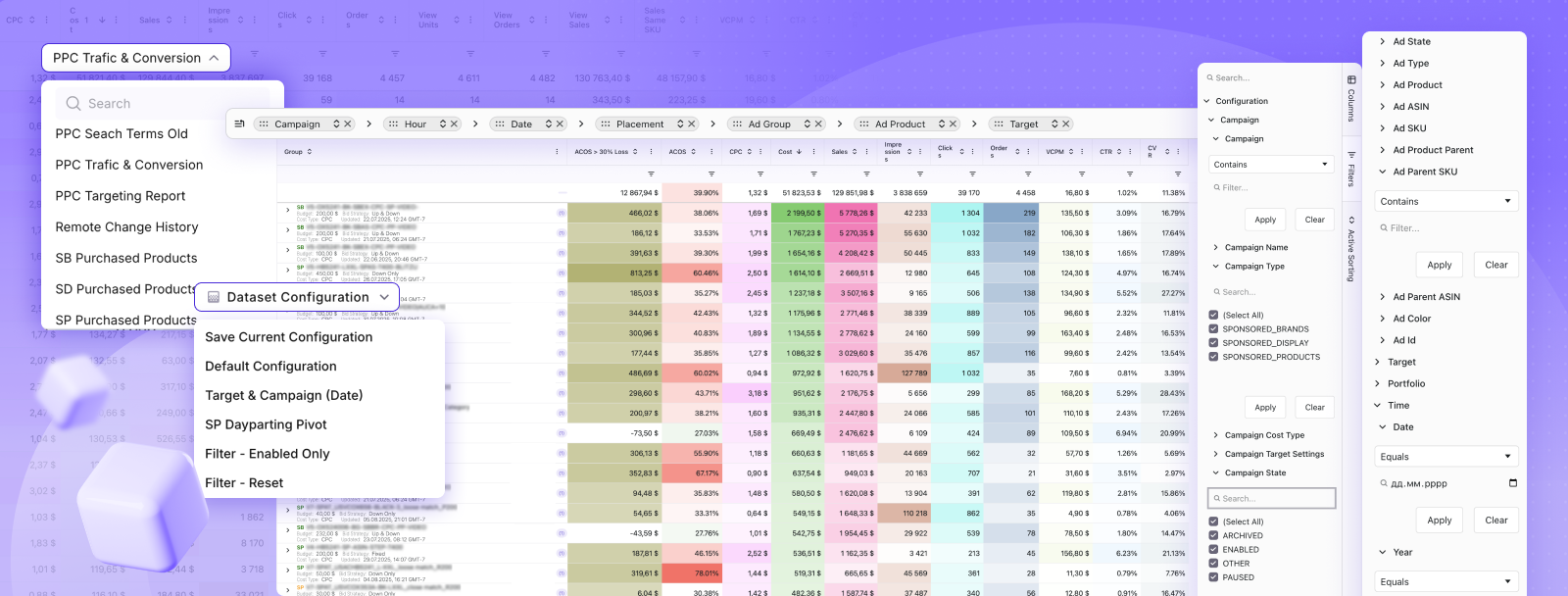
That’s exactly why we built our platform. We give you the kind of deep, real-time insights that let you adjust quickly, double down on what’s working, and cut what isn’t. From tracking performance metrics to segmenting historical data across campaigns and placements, we help you move beyond gut feelings and focus on data that actually drives growth.
Launching on marketplaces like Amazon or Shopify? We’re an Amazon Ads Verified Partner, so we’re fully aligned with Amazon’s standards and best practices. Whether you’re running a small test or rolling out at scale, our tools let you manage ad spend, analyze campaign health, and optimize your bids in minutes, not hours. If you want to launch with clarity instead of guesswork, we’re here to help.
Wrapping It Up
A product launch isn’t just a milestone – it’s a mirror. It shows you how well you understand your audience, how clearly you can communicate value, and how ready you are to deliver on your promise. If it feels overwhelming, that’s normal. But the best launches aren’t built overnight – they’re built step by step, with curiosity, patience, and a willingness to test what works.
Whether you’re gearing up for your first launch or refining your tenth, the same core ideas apply: know who you’re building for, validate before scaling, and stay responsive once you’re live. Tools like WisePPC make the data side easier, but the decisions still come down to you. Launching well is a mix of strategy and intuition, and that’s exactly what makes it interesting.
FAQ
1. How long does it usually take to prepare for a product launch?
It depends on the complexity of the product and your resources, but most well-prepared launches take anywhere from 4 to 12 weeks. That gives you time to validate the idea, build your early list, craft your message, and get all your materials in place without rushing.
2. What’s the biggest mistake people make when launching a new product?
Trying to launch without truly understanding the customer. It’s easy to get excited about features and forget that people don’t buy features – they buy outcomes. Skipping audience research and messaging prep can lead to a quiet launch, no matter how great your product is.
3. Do I really need to run a “pre-launch” phase?
Yes, especially if you want to avoid launching to crickets. A pre-launch helps you build interest, test messaging, and warm up your audience. It also gives you early feedback that might save you from expensive mistakes later.
4. Can I launch a product without a big email list?
You can, but you’ll need a traffic plan. That might be paid ads, partnerships, influencer shoutouts, or SEO content – ideally, a mix. A warm list makes things easier, but if you don’t have one yet, you’ll need to create demand elsewhere.
5. What’s the difference between a product launch and just listing something online?
A launch is intentional. It involves planning, messaging, audience targeting, and follow-up. Listing a product is passive – you’re just making it available. Launching means actively putting it in front of people with purpose.
6. Should I use paid ads right away, or wait?
If you’ve already validated the offer and know your messaging works, ads can amplify your launch. But if this is your first time putting the product out there, it’s smart to test organically first, even with a small group. That way you’re not spending to learn lessons you could’ve gotten for free.
7. How do I know if my launch was successful?
Define success before you launch. It could be a certain number of sales, signups, conversations, or even just engagement levels. The key is to compare results against your goals, not someone else’s highlight reel. Then ask: what did I learn, and what would I do differently next time?
Join the WisePPC Beta and Get Exclusive Access Benefits
WisePPC is now in beta — and we’re inviting a limited number of early users to join. As a beta tester, you'll get free access, lifetime perks, and a chance to help shape the product — from an Amazon Ads Verified Partner you can trust.
 No credit card required
Free in beta and free extra month free after release
25% off for life — limited beta offer
Access metrics Amazon Ads won’t show you
Be part of shaping the product with your feedback
No credit card required
Free in beta and free extra month free after release
25% off for life — limited beta offer
Access metrics Amazon Ads won’t show you
Be part of shaping the product with your feedback