EN
EN  ES
ES  FR
FR  DE
DE  IT
IT  KO
KO  JA
JA  ZH
ZH  AR
AR  PT
PT  TR
TR  PL
PL Ecommerce Growth Strategies That Actually Scale Your Business

Growing an ecommerce business is rarely about one big move. Most of the time, growth comes from dozens of small decisions made consistently and backed by data.
Once your store is live and sales are coming in, the real question becomes what to improve next. More traffic? Better conversion? Faster fulfillment? New channels?
This guide breaks down practical ecommerce growth strategies you can actually apply, whether you’re running a small brand, a growing operation, or a complex multi-channel business. We’ll cover what works, where teams usually get stuck, and how platforms like Amazon and Shopify fit into long-term growth.
What an Ecommerce Growth Strategy Really Is
An ecommerce growth strategy is a structured plan for increasing revenue while keeping operations stable. It’s not just about getting more visitors. It’s about improving how your business acquires customers, converts them, fulfills orders, and keeps them coming back.
Good strategies balance short-term wins with long-term sustainability. They focus on systems, not hacks. And they evolve as the business grows.
Before You Scale: A Quick Reality Check
One of the most common mistakes in ecommerce is trying to scale too early.
If your store struggles with basic fulfillment, inconsistent customer support, or thin margins, adding more traffic will usually make things worse. Growth amplifies problems as much as it amplifies wins.
Before pushing harder on acquisition, make sure:
- Your core products sell reliably
- Returns and refunds are under control
- Inventory planning is predictable
- Customer feedback is mostly positive
Once those foundations are stable, growth efforts compound instead of collapse.

Core Growth Strategies That Work Across Most Ecommerce Businesses
1. Improve the Buying Experience First
Growth starts with making it easy for people to buy.
That means clear product pages, honest pricing, fast load times, and a checkout that doesn’t fight the customer. Small improvements here often outperform large ad budget increases.
Fast, reliable shipping matters too. Customers now expect speed and transparency, not excuses.
2. Expand Products With Intent
Adding more products can unlock growth, but only when it’s done thoughtfully.
Use sales data, customer questions, and return reasons to spot gaps. New variations, bundles, or complementary items often perform better than completely new categories.
Expansion should follow demand, not guesswork.
3. Keep Inventory in Balance
Inventory problems quietly kill growth.
Stockouts stall momentum. Overstock drains cash. The goal is accuracy, not perfection.
Demand forecasting, historical sales analysis, and seasonality tracking help keep inventory aligned with real demand, especially when selling across multiple channels.
4. Track Performance Relentlessly
Growth decisions should come from data, not instinct.
Track performance by channel, campaign, and product. Look at traffic sources, conversion rates, average order value, and repeat purchase behavior.
Then act on what the numbers tell you. Adjust pricing, refine messaging, and double down on what consistently works.
5. Invest in Retention, Not Just Acquisition
New customers matter, but repeat customers often drive profitability.
Retention strategies like follow-up emails, reorder reminders, subscriptions, and loyalty incentives increase lifetime value and stabilize revenue. They also reduce pressure on advertising budgets.
Growth becomes more predictable when a portion of sales comes from customers who already trust the brand.
6. Strengthen Fulfillment and Operations
As order volume increases, operational cracks widen.
Reliable fulfillment, accurate order processing, and responsive customer support are essential for sustaining growth. Delays, errors, and slow responses turn growth into churn.
Strong operations don’t always feel visible when they work well, but they quietly protect margins, customer satisfaction, and long-term scalability.
Growth Tactics Based on Business Type
For B2C Brands
B2C growth usually comes from a balance between bringing in new customers and giving existing ones a reason to return. Retention often has a bigger long-term impact than constant acquisition, especially as ad costs rise.
Loyalty programs, subscriptions, and personalized offers help increase customer lifetime value by turning one-time buyers into repeat customers. Even small touches, like tailored recommendations or reorder reminders, can make a noticeable difference.
Mobile optimization is no longer optional. A large share of purchases now happens on phones, and even minor friction on mobile can hurt conversion rates. Fast load times, simple navigation, and smooth checkout matter more than extra features.
Influencer partnerships can still drive growth when they feel genuine. Smaller creators with focused, engaged audiences often deliver better results than big names, especially when the content feels natural and aligned with the brand.
For B2B Ecommerce
B2B ecommerce growth is built on trust and reliability rather than impulse buying. Buyers want clarity, consistency, and confidence that the supplier understands their needs.
Clear pricing, bulk purchasing options, flexible payment terms, and dependable account support often matter more than design or branding polish. Buyers are looking for efficiency and predictability, not inspiration.
Content plays a key role here. Case studies, product documentation, certifications, and comparison guides help shorten buying cycles and support larger, repeat orders by reducing uncertainty.
Strong relationships drive repeat revenue in B2B ecommerce. Ongoing communication, reliable fulfillment, and responsive support are what keep customers coming back, not short-term promotions or discounts.

Growth Tactics Based on Business Size
Small Businesses
Focus usually wins early on. Trying to serve everyone often spreads resources too thin and makes it harder to stand out.
Niches tend to outperform broad catalogs in the early stages because they allow small businesses to speak directly to a specific audience. When customers feel understood, they’re more likely to buy and come back.
Partnerships with complementary brands can expand reach without heavy ad spend. Cross-promotions, bundles, or shared content introduce your products to new audiences in a natural way. Community building and direct communication, whether through email, social media, or customer support, often become real competitive advantages for smaller teams.
Midsize and Enterprise Businesses
At scale, coordination becomes just as important as creativity.
Multichannel fulfillment, unified marketing messaging, and automation across inventory, pricing, and reporting help prevent operational friction as volume grows. Without alignment, growth can quickly create inefficiencies instead of momentum.
International expansion opens new revenue opportunities, but it requires careful planning around logistics, compliance, taxes, and localization. Success depends on understanding each market, not just translating listings.
Customer data also takes on a different role at this stage. It becomes a strategic asset that informs pricing, product development, forecasting, and long-term growth decisions, rather than something used only for monthly reports.

How We Support Smarter Ecommerce Growth at WisePPC
At WisePPC, we help sellers turn growth strategies into clear, measurable actions.
We built WisePPC to give teams full visibility into what’s actually driving sales across advertising and organic performance. With centralized analytics, long-term historical data, and real-time tracking of key metrics like ACOS, TACOS, and profit, sellers can make decisions based on facts, not assumptions.
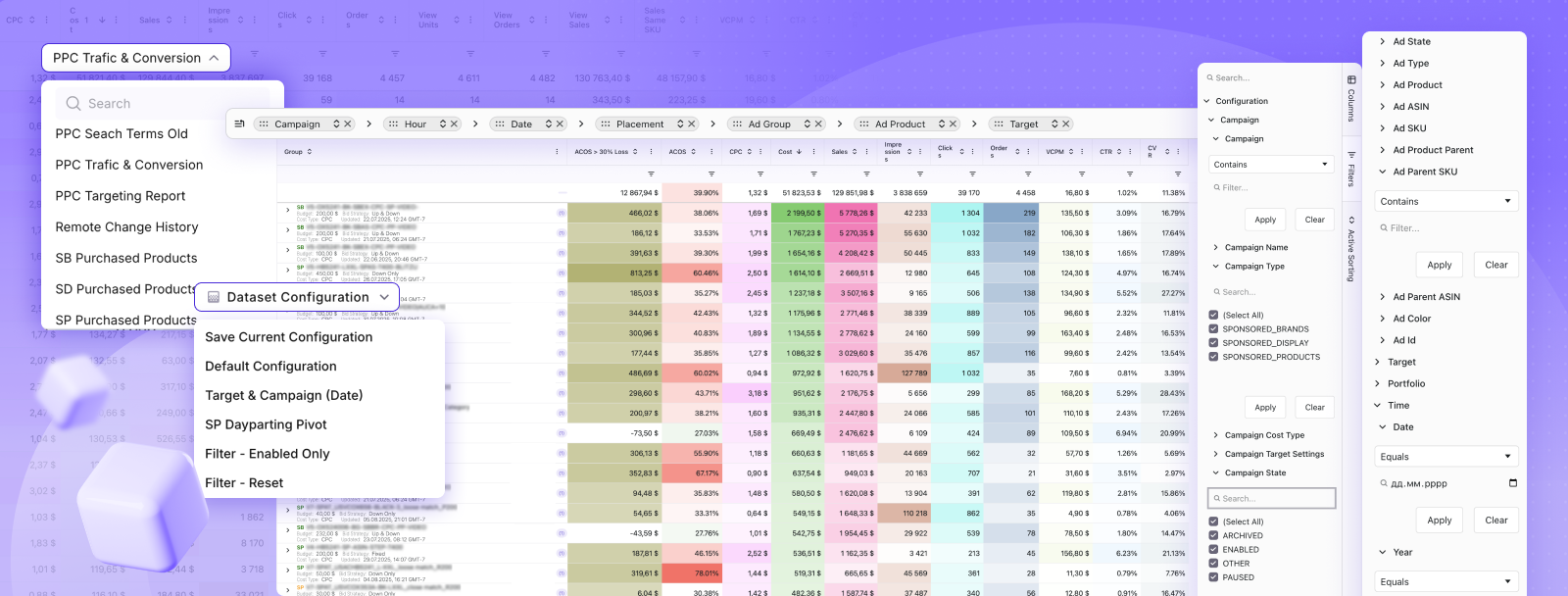
As an Amazon Ads Verified Partner, we use official integrations and follow Amazon’s best practices. Our bulk actions, advanced filtering, and on-spot campaign editing reduce manual work, while granular insights help uncover wasted spend and winning strategies faster.
WisePPC scales with your business, helping you grow efficiently, protect margins, and stay in control as complexity increases.
Common Growth Challenges and How to Avoid Them
- Scaling too fast. Rapid expansion without operational readiness often leads to late shipments, overwhelmed support teams, and shrinking margins. Growth should follow stability, not outrun it. Gradual rollouts, limited pilots, and clear performance checkpoints help reduce risk and reveal issues early.
- Over-automating too early. Automation can save time, but only when processes are already working. Poorly configured systems often create more problems than they solve. Start with tools that address clear bottlenecks, keep setups simple, and make sure teams understand how to use them before expanding automation further.
- Ignoring customer retention. New customers usually cost more than existing ones, especially as advertising becomes more competitive. Retention strategies like follow-up emails, reorder reminders, loyalty perks, and consistent post-purchase communication often deliver a higher return than acquisition alone and help stabilize long-term growth.

Ecommerce Trends Shaping Growth Today
Personalization Done Right
Customers now expect relevant experiences, not generic ones. Personalized recommendations, dynamic content, and targeted messaging improve conversion without feeling intrusive when done well.
Voice and Conversational Commerce
Voice assistants and chat-based shopping continue to grow. Customers use them to reorder essentials, ask product questions, and check order status. Chatbots reduce support load and improve response times.
Augmented Reality and Visualization
AR helps bridge the gap between online and in-store shopping. Seeing products in real environments reduces hesitation and lowers return rates, especially for furniture, fashion, and home goods.
Sustainability as a Growth Signal
Eco-friendly practices are no longer niche. Transparent packaging, responsible sourcing, and carbon reduction efforts influence purchasing decisions, especially for younger audiences.
Scaling Without Burning Cash
Sustainable growth protects margins, not just revenue. Chasing top-line numbers without understanding costs usually creates pressure instead of progress.
That means closely monitoring advertising efficiency, knowing your contribution margins by channel, and being honest about which campaigns actually make money. Not every sale is a good sale, especially when discounts, returns, and fulfillment costs are factored in.
It also means knowing when to pause or pull back. Growth driven by permanent discounts or consistently unprofitable ads may look good on dashboards but eventually stalls when cash flow tightens.
Healthy ecommerce businesses scale at a pace their cash flow can support. They invest more when results are proven, slow down when signals turn negative, and treat profitability as a requirement, not an afterthought.
Final Thoughts
Ecommerce growth isn’t about copying tactics from bigger brands. It’s about building systems that match your stage, your customers, and your resources.
Focus on fundamentals first. Let data guide decisions. Expand carefully. And choose platforms that remove friction instead of adding it.
When growth is intentional, it compounds.
Frequently Asked Questions
What is an ecommerce growth strategy?
An ecommerce growth strategy is a structured approach to increasing online sales while keeping operations, margins, and customer experience under control. It focuses on acquisition, conversion, fulfillment, and retention working together, not in isolation.
Why is an ecommerce growth strategy important?
Without a strategy, growth becomes reactive. A clear plan helps businesses prioritize the right improvements, avoid costly mistakes, and scale in a way that’s sustainable rather than chaotic.
What should I focus on first when trying to grow an ecommerce business?
Start with fundamentals. Make sure the buying experience is smooth, fulfillment is reliable, and margins are understood. Growth efforts work best when the core business is already stable.
Is it better to focus on acquisition or retention?
Both matter, but retention often delivers a higher return over time. Repeat customers reduce pressure on advertising budgets and create more predictable revenue, especially as acquisition costs rise.
How do I know if my growth efforts are actually working?
Track performance consistently. Look at metrics like conversion rate, average order value, repeat purchases, advertising efficiency, and contribution margins by channel. Growth should improve profitability, not just revenue.
Join the WisePPC Beta and Get Exclusive Access Benefits
WisePPC is now in beta — and we’re inviting a limited number of early users to join. As a beta tester, you'll get free access, lifetime perks, and a chance to help shape the product — from an Amazon Ads Verified Partner you can trust.
 No credit card required
Free in beta and free extra month free after release
25% off for life — limited beta offer
Access metrics Amazon Ads won’t show you
Be part of shaping the product with your feedback
No credit card required
Free in beta and free extra month free after release
25% off for life — limited beta offer
Access metrics Amazon Ads won’t show you
Be part of shaping the product with your feedback