
 JA
JA  EN
EN  ES
ES  FR
FR  DE
DE  IT
IT  KO
KO  ZH
ZH  AR
AR  PT
PT  TR
TR PL
PL
簡単なまとめ 2026年にAmazonで最も売れたGPSデバイスは、車両トラッカー、ハンドヘルドハイキングユニット、ランニングウォッチなど、複数のカテゴリにまたがっています。トップセラーには、ランニング用のGarmin Forerunner 55、リアルタイムの車両トラッカーTracki、および$15以下で始まる手頃な価格のApple Find My互換ロケータが含まれています。GPS追跡デバイス市場は着実に成長を続けており、長いバッテリ寿命、防水、サブスクリプションフリー追跡などの機能を提供するデバイスは、ますます人気が高まっています。.
ここ数年、GPS市場は爆発的に拡大しており、アマゾンのベストセラーリストは、人々が実際に購入するものについて興味深い物語を物語っている。技術評論家が勧めるものでもなく、マーケティングチームが最も推すものでもない。マーケティングチームが最もプッシュするものでもない。.
本当の顧客は、苦労して稼いだお金を何に託すのか。.
Statistaによると、GPS追跡機器市場は2022年から2025年、そしてそれ以降の成長予測を示している。その成長は、超手頃なトラッカーから高級ハンドヘルド・ナビゲーション・システムまで、アマゾンの多様な製品カテゴリーにはっきりと表れている。.
アマゾンの売上を独占するトップGPSカテゴリー
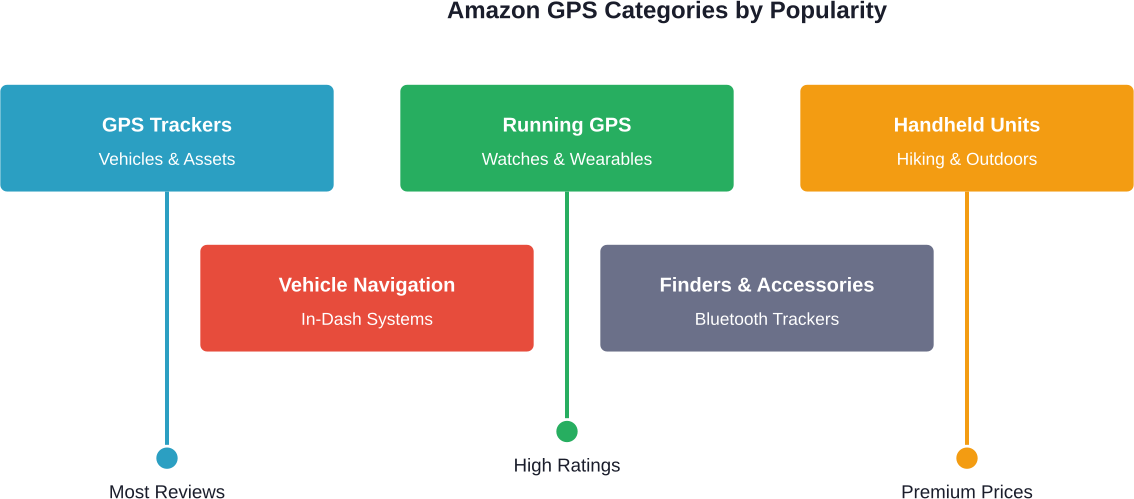
Amazonでは、GPS製品をさまざまなカテゴリーに分類しています。これらのカテゴリーを理解することで、特定の状況で実際に機能するものを絞り込むことができます。.
売上を牽引している主なカテゴリーは、車両や資産用のGPSトラッカー、アウトドア活動用のハンドヘルド・ユニット、ランニングやサイクリング用のGPSウォッチ、車両ナビゲーション・システムなどです。各カテゴリーには、カスタマーレビューや売上ランキングに基づく明確な勝者がいます。.
車載用GPSトラッカーのベストセラー
車載用GPSトラッカーは、アマゾンの電子機器ベストセラーリストを席巻している。これらのデバイスは、リアルタイムの位置追跡、ジオフェンシングアラート、運転行動のモニタリングを提供します。.
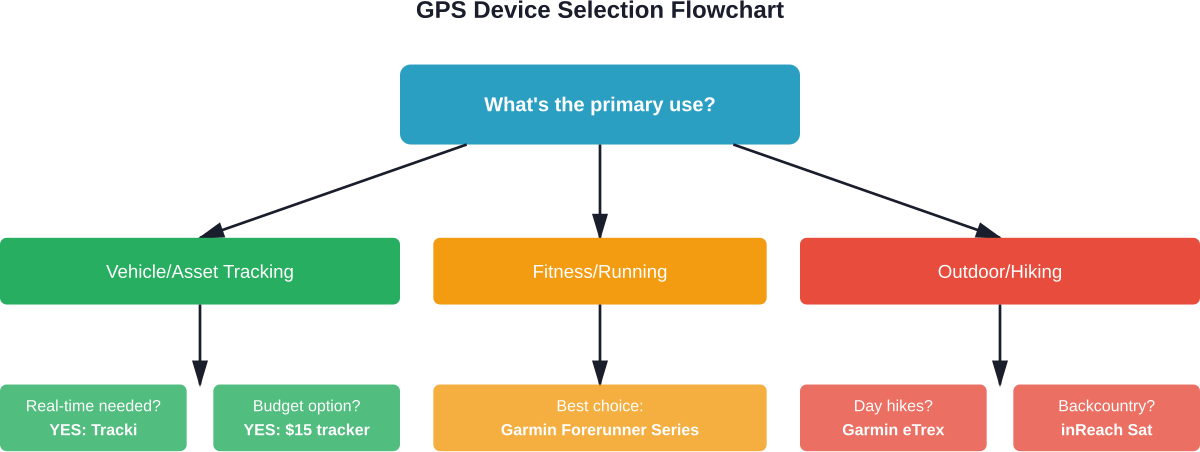
Tracki GPSトラッカーは、車両や資産のリアルタイム4G LTE追跡を提供し、常にトップランキングに表示されます。これは、同様に艦隊のマネージャーと心配親に行くためのオプションとなっています。.
しかし、ここで興味深いことがある。購読料無料のオプションが急速に浸透しているのだ。.
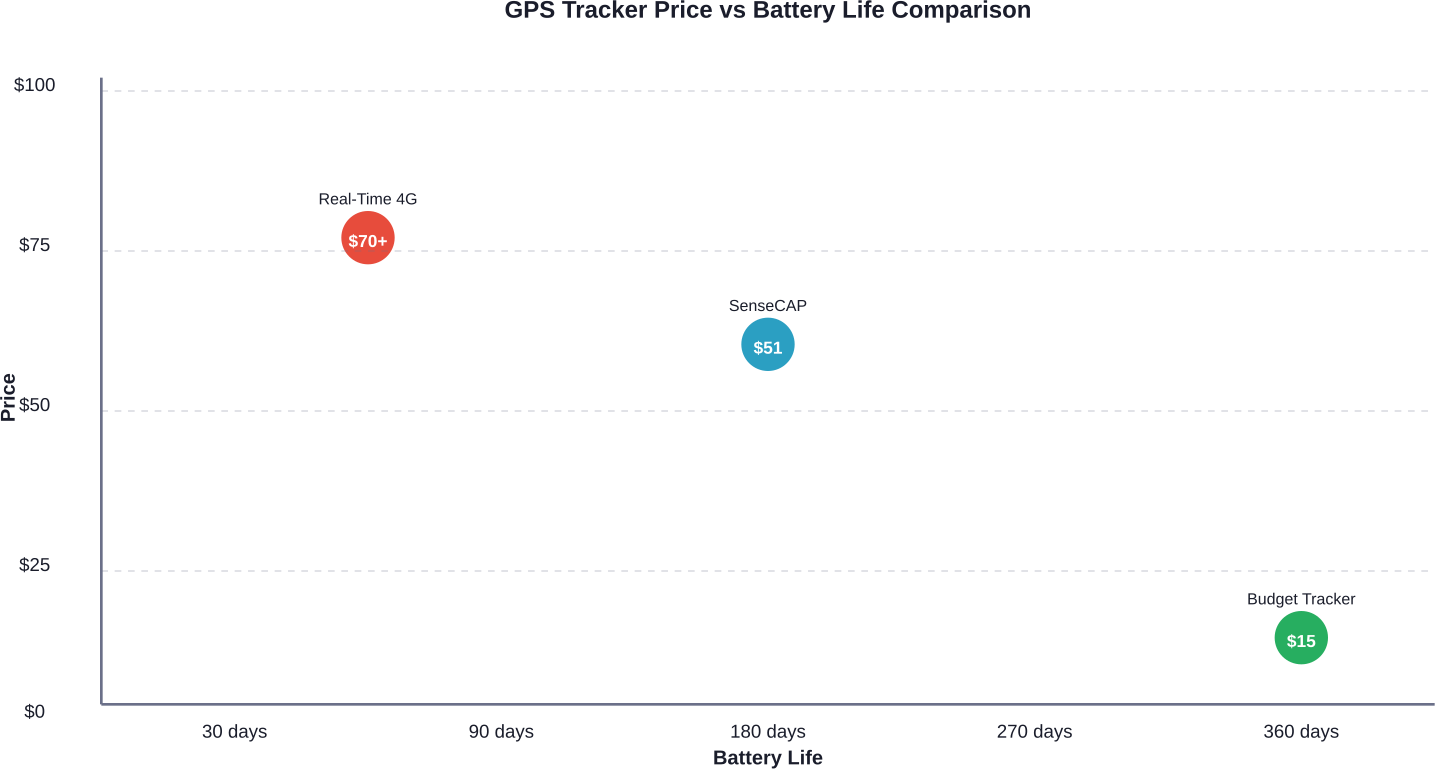
アマゾンのベストセラーデータによると、電池寿命360日のApple Find My対応GPSカーロケーターが、わずか$14.98で上位にランクインしている。これは、毎月のサブスクリプション・モデルに比べて圧倒的な価格優位性だ。このデバイスは、330のカスタマーレビューで5つ星のうち3.4を獲得しており、まずまずの満足度を示しているが、突出した満足度はない。.
SenseCAP Card Tracker T1000-E for Meshtasticも$50.99でトップセラーに登場し、361件のレビューから5つ星のうち4.3という高い評価を誇っている。これは、携帯電話のカバレッジに依存しないメッシュ・ネットワーク・トラッキングへの関心の高まりを反映している。.
トラッカーの売上を牽引する主な機能
バッテリー寿命は非常に重要である。充電間隔が360日以上と謳われているデバイスは、毎月の充電が必要な競合製品を常に上回っている。.
防水性と耐久性は、顧客の優先事項の上位にランクされている。落下防止構造とステルス追跡機能は、トップセラーの説明に頻繁に登場する。.
リアルタイム・トラッキングとインターバル・ベースのアップデートは、明確な価格格差を生む。リアルタイムの4G LTEトラッキングはコストがかかるが、車両管理やセキュリティに重点を置くバイヤーには魅力的である。.
主役になるランニング用GPSウォッチ
ガーミンForerunner 55は、AmazonのランニングGPSユニットカテゴリで1位に位置しています。このGPSランニングウォッチは、毎日の推奨ワークアウトとスマートウォッチモードで最大2週間のバッテリー寿命を提供します。.
ガーミンはこのカテゴリーを完全に支配しており、数十年にわたるGPSの専門知識を考えれば納得がいく。ガーミンのハイキングGPSガイダンスによると、特定のGPSハイキングウォッチは、51ミリメートルサイズのスマートウォッチモードで最大27日、GPSのみのモードで最大78時間のバッテリー寿命を達成しています。さらに、Garmin fēnix 7X / Epix Pro (Gen 2) 51mmモデルは、スマートウォッチモードで最大37日間(ソーラー使用時)、GPSモードで最大122時間(ソーラー使用時)を実現しています。.
そのバッテリー性能は、MIL-STD-810仕様に基づく耐熱性、耐衝撃性、耐水性の軍事規格を満たしている。.
| GPSウォッチ機能 | エントリーレベル | ミッドレンジ | プレミアム |
|---|---|---|---|
| バッテリー駆動時間(GPSモード) | 12~20時間 | 24~40時間 | 50~122時間 |
| スマートウォッチ・モード | 5~7日 | 10~14日 | 20~37日 |
| 価格帯 | $200未満 | $200-$400 | $400+ |
| 防水性 | 50m | 100m | 100m + ミリタリースペック |
ランニングウォッチが売れるのは、複数の問題を解決してくれるからだ。ワークアウトをトラッキングし、ナビゲーションを提供し、健康指標をモニターし、日常的なスマートウォッチとして機能する。その多機能性により、単一目的のトラッカーに比べて高い価格帯が正当化される。.
アウトドア用ハンドヘルドGPSユニット
ハイカー、ハンター、バックカントリー愛好家は、ハンドヘルドGPSカテゴリーの売上を牽引しています。これらの頑丈なデバイスは、1週間のバッテリー寿命、地形図、携帯電話圏外での機能性など、スマートフォンにはない機能を備えています。.
ガーミンのeTrexシリーズは、ベストセラーランキングに頻繁に登場する。ガーミンのハイキングGPSガイダンスによると、これらのユニットは、ユーザーが自信を持ってトレイルをナビゲートしながら、携帯電話を収納したままにすることができます。.
アウトドアGPS市場は、ユーザーの経験レベルによって明確にセグメント化されています。エントリーレベルの機器は、シンプルさと耐久性に重点を置いています。ミッドレンジのデバイスは、詳細なマッピングとルート計画を追加します。プレミアムハンドヘルド機は、緊急時のために衛星通信を組み込んでいます。.
ガーミンのinReach衛星通信機は、この市場のハイエンドを代表する。これらのデバイスは、衛星通信を利用した双方向のテキストメッセージ、SOS緊急トリガー、携帯電話の電波が届かない場所でのGPS追跡を可能にする。この機能は、本格的なバックカントリーの旅には非常に重要だ。.
ハンドヘルド機が今なお支持される理由
スマートフォンにはGPSがついている。しかし、アクティブ・ナビゲーションではすぐに死んでしまうし、日光に当たると画面が曇り、岩に落とすと壊れやすい。.
専用のハンドヘルドGPSユニットは、一般的に提供しています:
- 屋外での視認性に特化して設計された日光可読ディスプレイ
- 繊細なタッチスクリーンの代わりに手袋に優しいボタン
- 交換可能な単3電池で、充電なしで長時間の旅行が可能
- 地形図とトレイルデータベースをプリインストール
- 落下、水、極端な温度に耐える堅牢な構造
スマートフォンが普及したにもかかわらず、携帯型GPSが好調な売れ行きを維持しているのは、こうした利点があるからだ。.
カーナビゲーション・システムとインダッシュ・ユニット
スマートフォンとの統合が標準化されるにつれ、カーナビゲーション市場は大幅に縮小した。アップル・カープレイとアンドロイド・オートは、実質的に多くの車のスタンドアロンGPSユニットに取って代わった。.
ガートナーは、2028年までに販売される自動車のうち70%がアンドロイド・オートモーティブOSを利用するようになると予測している。このシフトは、ナビゲーションの状況を根本的に変えた。.
それでも、特定のニッチは、アマゾンのベストセラーリストで専用の車両GPSを生き続けている。.
RV車やトラック専用のGPSユニットが好調な売れ行きを示しているのは、車両の寸法、重量制限、低クリアランス警告に基づいてルーティングを行うからです。標準的なスマートフォンのナビゲーションは、これらの重要な要素を考慮していません。.
スクリーンが内蔵されていない古い車は、アフターマーケットのナビゲーションの需要を生み出している。ワイヤレスCarPlayアダプターはアマゾンのベストセラーに登場し、古いシステムを最新のスマートフォン統合に対応させる。.
GPSファインダーとBluetoothトラッカー
GPSファインダーのカテゴリーには、TileやApple AirTagsのようなBluetoothトラッカーが含まれる。これらは真のGPSデバイスではなく、代わりにクラウドソーシングの位置情報ネットワークを使っている。.
アマゾンのベストセラーデータによると、鍵やバッグ用のLife360 Tile Bluetoothトラッカーは$19.99で、7,084件のカスタマーレビュー(平均5つ星のうち4.4)で上位にランクされている。アップグレードモデルは$24.29で、13,176件のレビューがあり、同じ4.4つ星評価です。.
Find MyネットワークとペアリングするApple MFi認証のトラッカータグも、ベストセラーの目立つところに登場しています。これらはアップルの膨大なユーザーベースを活用し、専用のGPSハードウェアを必要とせずに位置情報ネットワークを構築する。.
その違いは重要です。真のGPSトラッカーは、衛星が見える場所ならどこでも機能する。Bluetoothトラッカーは、他のネットワーク・ユーザーが近くにいる場所でしか機能しない。そのため、Bluetoothトラッカーは都市環境には最適だが、遠隔地では役に立たない。.
GPSカテゴリー全体の価格動向
GPSの価格設定は劇的に分岐している。低予算のトラッカーは$15以下から始まり、衛星通信機能を備えた高級ハンドヘルド・ユニットは$400を超える。.
サブスクリプション・モデルは、多くの購入者が抵抗する継続的なコストを生み出す。サブスクリプションフリーを提供するデバイスは、たとえ初期費用が高くなったとしても、大きな競争優位性を得ることができる。.
現実的な話:ほとんどの顧客は、毎月のサブスクリプション料金がいくらになるか、大幅に過小評価しています。毎月$10のトラッキング・サブスクリプションは、毎年$120かかる。3年間では$360となり、ほとんどのトラッカーの初期費用よりもはるかに高くなります。.
| デバイス・タイプ | 一般的な価格帯 | 要予約 | 最適 |
|---|---|---|---|
| ブルートゥース・トラッカー | $20-$35 | いいえ | 鍵、財布、都市での使用 |
| 基本的なGPSトラッカー | $15-$50 | 通常 | 車両追跡 |
| リアルタイム車両GPS | $40-$100 | あり($10-20/月) | フリート管理、セキュリティ |
| ランニングGPSウォッチ | $150-$500 | いいえ | アスリート、フィットネス愛好家 |
| ハンドヘルドハイキングGPS | $100-$300 | いいえ | ハイカー、ハンター、アウトドア |
| 衛星通信 | $250-$600 | あり($12-65/月) | バックカントリーの安全、緊急事態 |
カスタマーレビューからわかること
星の評価はストーリーの一部を語る。レビュー数は別のことを物語っている。.
何千件ものレビューがある製品は、長期間にわたって持続的に売れていることを示している。Life360 Tileの13,176件のレビューは、一夜にして蓄積されたものではありません。その量は、一貫した性能と信頼できる可用性を示している。.
低評価の製品(星3.4)は、特定の問題を解決し、魅力的な価格帯の場合、ベストセラーに登場する。$14.98のApple Find Myトラッカーはこのパターンに当てはまり、完璧ではないが、この価格で多くのユーザーにとっては十分な製品だ。.
レビュー内容では、バッテリー駆動時間が仕様を上回ったり、下回ったりすることが頻繁に言及されている。この指標は、顧客にとって他のどの機能よりも重要である。360日間バッテリーが持つ」というマーケティング上の謳い文句は、実際の条件下でユーザーによって厳しくテストされる。.
市場の成長軌道
世界のGPS追跡機器市場は着実に拡大Statistaによると、GPS追跡装置市場は、2022年から2025年以降の成長予測を示しています。.
この成長を後押しする要因はいくつかある。電子商取引の配達追跡は、資産監視の需要を作成します。高齢者ケア・アプリケーションは、安全のためにGPSを使用します。車両管理は、効率性と盗難防止のためにトラッキングを採用しています。.
自動車業界のコネクテッドカーへのシフトは、状況を一変させる。2022年2月のGartner社の調査によると、自動車メーカーは自社でチップを設計し、チップ・メーカーと直接関係を築くことが増えています。この垂直統合は、GPSナビゲーションがどのように自動車にバンドルされるかに影響します。.
しかし、アフターマーケットのGPS製品がなくなることはありません。車種を超えた携帯性、メーカーによるデータ収集からのプライバシー保護、特定のアクティビティに特化した機能など、内蔵システムでは対応できないニーズに応えています。.
正しいGPSカテゴリーの選択
最適なGPSは、ユースケースに完全に依存します。普遍的な勝者は存在しません。.
車両のセキュリティや車両追跡のために、リアルタイムの携帯電話GPSトラッカーは、即時の盗難警告と詳細な走行レポートを通じて、サブスクリプションのコストを正当化します。.
街中での気軽なアイテム探しなら、Bluetoothトラッカーがわずかなコストで完璧に機能する。紛失した鍵を数ブロック以内で探すという目的であれば、まったく問題ない。.
トレーニング指標に真剣なアスリートは、専用のGPSランニングウォッチに投資すべきです。高度な心拍数モニタリング、パフォーマンス分析、ワークアウトガイダンスが、単なる位置追跡以上の価値を提供する。.
バックカントリーに出かけるアウトドア愛好家には、携帯型GPSユニットや衛星通信機が必要だ。スマートフォンのナビゲーションは、携帯電話の電波が届かない場所では完全に機能しない。.
AmazonでGPSデバイスを販売?機能リストを超えて見る

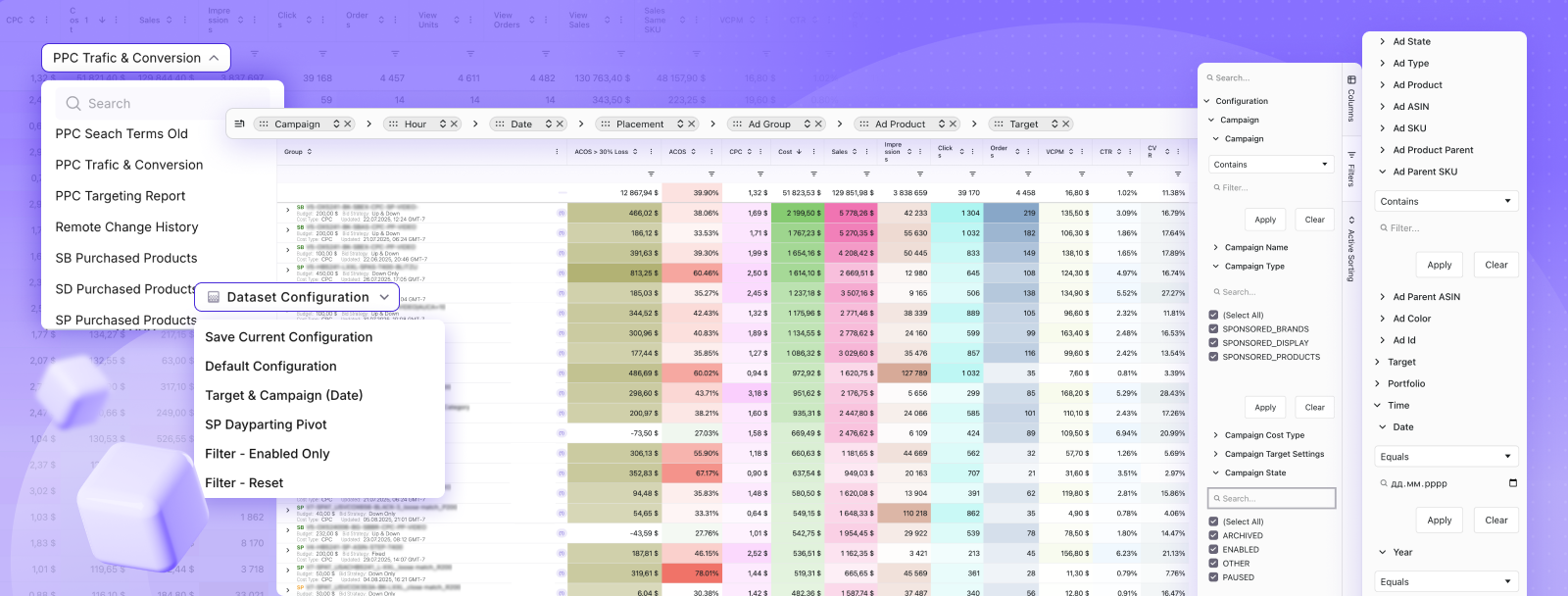
アマゾンのGPS製品は、シンプルなBluetoothトラッカーから高度なランニングウォッチや車両ユニットまで、実にさまざまだ。ベストセラーリストは、人々がどのデバイスを選ぶかを示しているが、異なるタイプが実際に使用されたときにどのように機能するのか、なぜあるモデルが他のモデルよりも長く使用され続けるのかについては説明していない。. ワイズPPC パフォーマンス・シグナルをひとつにまとめ、よりわかりやすく表示することで、この問題をより明確にすることができる。.
このような広い視野を持つことで、カテゴリー間で関心がどのように変化するか、特定のデバイスが最初の急上昇を超えてどのように需要を維持するか、時間が経つにつれて性能が安定しなくなる場所を確認することができます。スペックや短期的なランキングだけに注目するのではなく、さまざまな要因がGPS市場全体の長期的な結果をどのように形成するかを理解するようになります。.
参加 ワイズPPC そして、アマゾンでのGPS製品のパフォーマンスを理解するために、より構造化されたアプローチを取る。.
よくある質問
アマゾンで最も売れているGPSトラッカーは?
車両用Tracki GPSトラッカーは、GPSトラッカーカテゴリでAmazonのトップセラーの間で常に表示されます。これは、車両や資産のリアルタイム4G LTE追跡を提供しています。予算の代替品は、360日までの拡張バッテリ寿命と約$14.98を開始アップルファインドマイ互換性のあるトラッカーが含まれています。.
GPSトラッカーは月額契約が必要ですか?
トラッカーの種類によって異なります。リアルタイムのセルラーGPSトラッカーは、通常、データ接続のために$10-20の範囲の月額サブスクリプションを必要とします。しかし、多くの新しいトラッカーは、サブスクリプション料金なしでApple Find Myまたは同様のネットワークを使用しています。TileのようなBluetoothトラッカーも、GPS衛星ではなくクラウドソーシングの位置情報ネットワークに依存しているが、サブスクリプションなしで動作する。.
ランニングに最適なガーミンGPSは?
ガーミンForerunner 55は、AmazonのランニングGPSユニットのベストセラー部門で1位を獲得しています。毎日の推奨ワークアウト、GPSトラッキング、スマートウォッチモードで最大2週間のバッテリー寿命を提供します。より高度な機能とより長いバッテリー性能を求めるなら、Forerunnerの上位モデルはGPSモードで最大122時間を提供する。.
GPSトラッカーの電池の寿命は?
バッテリー寿命は、デバイスのタイプや使用方法によって大きく異なる。バジェット・トラッカーは、インターバル・ベースのアップデートを使用する場合、充電間隔を最大360日と宣伝している。リアルタイム・セルラー・トラッカーは、更新頻度にもよるが、通常1~4週間。GPSランニングウォッチは、アクティブGPSモードで12~122時間、スマートウォッチモードで5~37日です。ハンドヘルド・ハイキング・ユニットは、交換可能な単三電池で数週間使用できます。.
携帯型GPSはスマートフォンより優れているのか?
ハンドヘルドGPSユニットは、スマートフォンが苦戦する特定のシナリオで優れています:携帯電話圏外の遠隔地、充電が利用できない長期の旅行、過酷な気象条件、および手袋に適したコントロールを必要とする状況。太陽光で読み取り可能なディスプレイ、交換可能なバッテリー、プリロードされた地形図、頑丈な構造を備えています。都市部でのナビゲーションやカジュアルな使い方なら、スマートフォンのアプリでもまったく問題ない。.
GPSトラッカーとBluetoothトラッカーの違いは?
GPSトラッカーは衛星システムに直接接続し、晴天であればどこでも位置情報を提供する。TileやAirTagsのようなBluetoothトラッカーは、近距離Bluetooth信号を使用し、位置情報を報告するために他のユーザーの携帯電話のクラウドソースネットワークに依存しています。GPSトラッカーは遠隔地でも機能するが、より多くの電力を消費し、多くの場合サブスクリプションを必要とする。Bluetoothトラッカーは人口密集地でのみ機能するが、コストが安く、契約も必要ない。.
車両用GPSナビゲーション・システムの人気が低下しているのはなぜですか?
アップル・カープレイやアンドロイド・オートによるスマートフォンとの統合は、スタンドアローンのナビゲーション・ユニットに取って代わりつつある。ガートナーの調査によると、2028年までに販売される自動車のうち70%がアンドロイド・オートモーティブOSを使用すると予想されている。このビルトイン統合により、別途デバイスを購入することなく最新の地図が提供されます。車載専用GPSは、主に車両の寸法や重量制限を考慮したRV車やトラック輸送用ナビゲーションなどの特殊な用途に適しています。.
スマートなGPSの購入
アマゾンのベストセラーリストには、現実の世界で実際に売れているものが掲載されている。理論上のスペックではない。マーケティングの誇大広告でもない。ただ、多くの人が購入し、使用し、すぐに返品しなかった商品なのだ。.
GPS市場はユースケースによって明確に区分されます。車両トラッカーは、リアルタイムのアラートとジオフェンシングを優先します。ランニングウォッチは、フィットネス指標とナビゲーションのバランスを取ります。ハンドヘルド・ユニットは、バッテリー寿命と堅牢性を最大化します。Bluetoothトラッカーは、利便性と価格を最適化します。.
成功は、デバイスのカテゴリーを実際のニーズに合わせることから生まれる。$15トラッカーは、駐車中の車の位置を時々確認するのには最適だ。しかし、バックカントリーハイキングには不向きだ。$400衛星通信機は、人里離れた荒野の旅に不可欠な安全性を提供する。紛失した鍵を探すにはやりすぎだ。.
季節的な需要や新作、顧客の嗜好の変化により、人気モデルは移り変わるため、購入前に現在のアマゾンのベストセラーランキングをチェックすること。バッテリーの持続時間、実際の使用環境での耐久性、商品説明ではわからない購読料などに注目した最近のレビューを読む。.
適切なGPSデバイスは、車両の安全性を確認したり、ハイキング中にトレイルを維持したり、単に物を紛失しないことを意味するかどうか、安心感をお届けします。アマゾンのマーケットプレイスでは、あらゆる価格帯とユースケースで実績のあるオプションを多数ご用意しています。.
 クレジットカード不要